
Most health problems have a clear starting moment. Sleep problems tend to be different. They accumulate gradually — a few nights of poor rest here, a pattern of lying awake for hours there — until one day you realize that feeling rested has become the exception rather than the rule. By that point, most people have already tried the obvious fixes: earlier bedtimes, screen cutoffs, chamomile tea. Some of those help. None of them fully resolve what is, for many adults, a deeper physiological problem. That is the gap the best natural sleep supplements are designed to fill — not as a replacement for good habits, but as targeted support for the mechanisms that habits alone cannot fully restore.
This is where the best natural sleep supplements enter the conversation — not as a shortcut to bypass sleep hygiene, but as targeted support for the biological mechanisms that poor sleep disrupts over time. The ingredients covered in this guide have human clinical trial data behind them. They work through specific, well-understood pathways. And unlike pharmaceutical sleep aids, they do not force sedation — they support the brain’s own systems for achieving deep, restorative sleep.
Why So Many People Can’t Sleep — And Why the Problem Is Rarely What They Think
Insomnia natural remedies have become one of the fastest-growing supplement categories not because sleep problems are new, but because the underlying causes — chronic cortisol elevation, blue light exposure, disrupted circadian rhythm, and nutrient depletion — are genuinely modern, and pharmaceutical options carry trade-offs most people would rather avoid.
The scale of the problem is significant. The CDC estimates that more than a third of American adults regularly sleep less than the recommended seven hours per night. A 2016 study published in Sleep analyzing data from over 150,000 adults found that insufficient sleep was associated with chronic conditions including heart disease, diabetes, obesity, and depression — a finding that reframes poor sleep not as a quality-of-life inconvenience but as a measurable health risk.
What makes the modern sleep crisis particularly hard to resolve is that it rarely has a single cause. For most adults dealing with chronic sleep difficulty, several mechanisms are operating simultaneously:
Cortisol dysregulation is perhaps the most consequential. Cortisol follows a natural diurnal rhythm — high in the morning to promote alertness, declining through the afternoon, and reaching its lowest point at night to allow sleep onset. Chronic psychological stress, irregular schedules, and high evening light exposure all flatten or invert this curve, keeping cortisol elevated at the precise hours when it needs to be low. The result is a brain that is physiologically activated when it needs to be winding down.
GABA is an important inhibitory neurotransmitter, but insomnia cannot generally be diagnosed as a GABA deficiency. Brain signaling is complex, and oral GABA supplements have not been established as a reliable correction for sleep problems. [1]
Serotonin and melatonin participate in sleep-related physiology, but poor sleep is not necessarily caused by inadequate 5-HTP or vitamin B6. Supplementing precursors does not reliably restore a presumed deficiency or treat insomnia. [1]
Understanding which of these mechanisms is most relevant to a specific sleep problem is what makes the difference between trying random products and building a real strategy with the best natural sleep supplements for your specific pattern.
What Separates a Natural Sleep Supplement That Works From One That Just Makes You Groggy
The best natural sleep supplements without grogginess work by supporting the brain’s own sleep mechanisms — GABA activity, cortisol clearance, melatonin synthesis — rather than forcing sedation through high doses of a single compound. This distinction matters practically: a supplement that induces unconsciousness through heavy sedation is not the same as one that facilitates the transition into restorative sleep architecture.
Four criteria separate the effective from the merely sedating.
Mechanism specificity — does the ingredient target a known sleep-disrupting pathway, or does it just reduce consciousness through broad central nervous system depression? Ingredients that act specifically on GABA receptors, cortisol clearance, or melatonin synthesis are working with sleep physiology. Ingredients that rely primarily on sedation are working around it.
Dose alignment with research — the dose used in the clinical trial that showed benefit and the dose in the supplement you are buying need to match. An ingredient studied at 400 mg of ashwagandha root extract standardized for 5% withanolides does not translate to an unstandardized 100 mg in a proprietary blend.
Long-term safety profile — sleep is a nightly behavior. A supplement taken every night needs to be safe for consistent, sustained use without habituation, tolerance, or dependency risk.
Morning-after function — effective sleep support improves daytime alertness; it does not extend impairment into the next morning. If a supplement leaves you groggy, it has solved the wrong problem.
7 Best Natural Sleep Supplements: Ingredients With Real Evidence for Sleep Quality
The ingredients below have been studied for different sleep-related outcomes, but evidence varies considerably in quality. Most have not been shown to treat chronic insomnia, and their safety for indefinite nightly use has not been established. [1]
Magnesium Glycinate: The Mineral That Activates the Brain’s Primary Calming System
Magnesium operates as an essential co-factor for GABA receptor function — the same receptor system that pharmaceutical sleep aids like benzodiazepines target, but through an entirely different and far gentler mechanism. When magnesium levels are adequate, GABA receptors respond more sensitively to the brain’s own inhibitory signals. When magnesium is deficient — as it is in an estimated 48% of Americans, according to data from the National Health and Nutrition Examination Survey — that GABA sensitivity is compromised, making the neural quieting that precedes sleep harder to achieve.
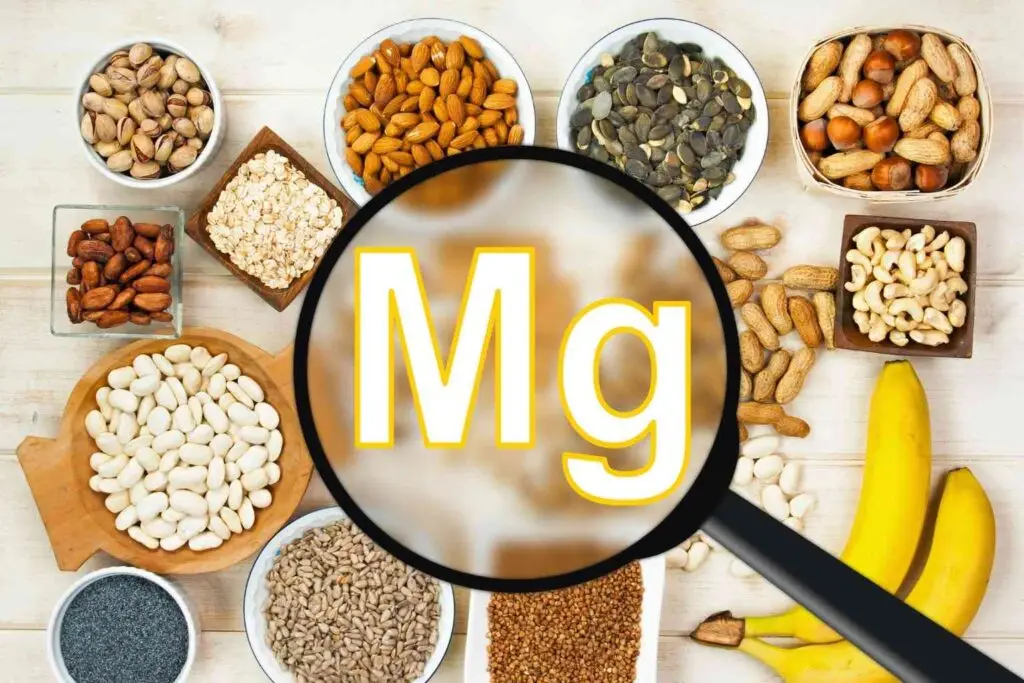
A small study of older adults with insomnia reported some improvements with magnesium, but systematic reviews have found that the overall evidence is limited and of low quality. The findings do not establish magnesium as an effective insomnia treatment for the broader population. [1] [2]
Magnesium glycinate is a commonly marketed form, but there is insufficient direct human evidence that it is superior to other magnesium preparations for improving sleep quality or reducing next-day symptoms. [1] [2]
There is no established therapeutic magnesium dose or optimal bedtime timing for insomnia. Adults generally should not exceed 350 mg/day of magnesium from supplements and medications without clinical advice, especially if kidney function is impaired. [2]
Ashwagandha: The Cortisol Connection Most Sleep Guides Don’t Explain
A double-blind RCT published in PLOS ONE (2019) measured something most sleep supplement trials don’t bother to quantify: not just subjective sleep quality, but the cortisol awakening response — the cortisol spike that occurs in the first 30–45 minutes after waking, which is one of the most reliable biological markers of stress load and HPA axis dysregulation. Adults taking ashwagandha root extract (KSM-66 at 300 mg twice daily) showed significant reductions in this cortisol awakening response alongside improved sleep quality scores, reduced anxiety, and better morning alertness.

The mechanism is upstream from sleep itself. Ashwagandha’s withanolide compounds modulate the hypothalamic-pituitary-adrenal (HPA) axis, reducing overall cortisol output — particularly evening cortisol, the specific fraction that most directly delays sleep onset by keeping the brain in a state of physiological alertness when it needs to be transitioning toward rest.
Some ashwagandha preparations have shown modest improvements in stress-related sleep outcomes, but specific symptoms such as racing thoughts or early waking do not identify who will benefit. Ashwagandha may cause side effects and can interact with medicines. [1] [3]
Ashwagandha sleep trials have used various extracts, doses and durations. These protocols do not establish a universally effective regimen, and long-term use should not be assumed safe given reported liver injury and potential thyroid interactions. [3]
L-Theanine: The Compound Found in Green Tea That Promotes Calm Without Causing Drowsiness
In 1949, Japanese researchers isolating amino acids from Camellia sinensis — the tea plant — identified a compound they had not encountered before. That compound, L-theanine, would go on to become one of the most studied psychoactive amino acids in nutritional science, and its mechanism explains something that tea drinkers had noticed for centuries: green tea produces a state of relaxed alertness distinctly different from the jitteriness of equivalent caffeine doses alone.
L-theanine promotes the production of alpha brain waves — the electrical frequency associated with relaxed wakefulness, the mental state that precedes sleep without inducing the drowsiness that makes daytime function impractical. It also increases GABA, serotonin, and dopamine levels in the brain, reducing the anxious rumination and mental overactivation that keep many adults lying awake despite physical tiredness.
Small studies of L-theanine have explored stress and sleep outcomes, with some positive results. Evidence remains limited and does not establish reliable treatment of chronic insomnia or clinically meaningful improvements in sleep architecture. [1]
L-theanine has been studied at various doses, but no universally proven amount or optimal 30-to-60-minute bedtime schedule has been established. Claims that it works synergistically with magnesium remain insufficiently tested in humans. [1]
5-HTP: The Precursor That Rebuilds the Serotonin-to-Melatonin Pathway
The pathway from 5-HTP to sleep runs through two well-established neurochemical conversions: 5-HTP is converted to serotonin by aromatic amino acid decarboxylase (with vitamin B6 as a required cofactor), and serotonin is then converted to melatonin by AANAT and ASMT enzymes in the pineal gland in response to darkness. Supplementing 5-HTP provides the upstream substrate that the entire pipeline depends on — making it fundamentally different from supplementing melatonin directly.
Evidence that 5-HTP supplementation improves insomnia is very limited. Biochemical conversion to serotonin and melatonin does not establish that the supplement produces reliable benefits for sleep onset, REM sleep or nighttime awakening. [1]
5-HTP affects serotonin-related pathways, which raises important drug-interaction concerns. Its use for mood, appetite or sleep has not been established as a safe, effective multipurpose intervention. [1]
No standardized or clinically proven bedtime dose of 5-HTP exists for treating insomnia. Combining 5-HTP with antidepressants or other serotonergic medicines can raise the risk of serotonin toxicity and should be avoided without medical supervision. [1]
Lemon Balm: The Herb That Targets Two Separate Sleep-Disrupting Mechanisms at Once
Among all the ingredients on this list, lemon balm (Melissa officinalis) is the only one with documented activity on both the GABA pathway and the cortisol-stress axis simultaneously — which makes it a particularly efficient choice for adults whose sleep problems have both an anxiety component and a cortisol-driven hyperarousal component.
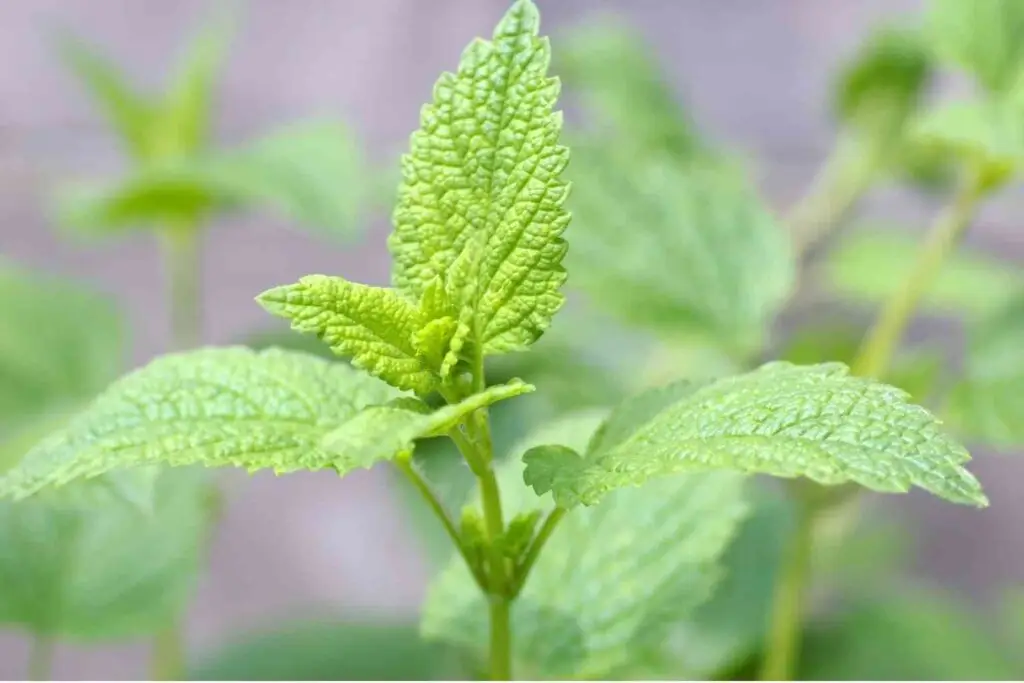
Its primary active compounds — rosmarinic acid and flavonoids — inhibit GABA transaminase, the enzyme responsible for breaking down GABA in the brain. The effect is to extend the duration and intensity of GABA activity, prolonging the inhibitory signaling that allows the transition into sleep. This mechanism is shared with certain pharmaceutical GABA-modulating agents, but at a far gentler magnitude and without the dependency risk.
Human research on lemon balm, alone or with valerian, remains limited and varies by formulation. Results do not establish a reliably effective lemon balm–valerian combination for clinical insomnia. [1]
Clinical studies have used different lemon balm extracts and doses, with no established universal therapeutic regimen. The safety of prolonged nightly use, including with sedatives or thyroid medicines, remains uncertain. [1]
GABA: The Brain’s Primary Off Switch — and Why How You Supplement It Matters More Than Whether You Do
Here is a distinction that most GABA supplement labels don’t mention: GABA taken as an oral supplement does not easily cross the blood-brain barrier in significant quantities through direct transport — which, on the surface, would seem to undermine its use as a sleep supplement entirely. The research tells a more nuanced story.
Small human studies of orally administered GABA have examined sleep and stress measures, but systematic reviews rate the evidence for sleep benefits as very limited. These findings do not establish that GABA reliably crosses into or alters brain signaling in ways that treat insomnia. [1]
Oral GABA supplements have not been shown to consistently treat sleep disorders, and evidence that combinations with other ingredients work better is insufficient. Mechanistic explanations remain preliminary. [1]
Doses in sleep research center on 100–300 mg taken shortly before bed.
Melatonin: The Most Popular Sleep Supplement — And Why Dose Changes Everything
Melatonin is a hormone that helps regulate circadian timing. Higher commercial doses are not necessarily more effective, but there is no single optimal dose for every sleep problem; use depends on the condition, timing and individual health considerations. [1] [4]
Some studies report modest improvements in falling asleep with melatonin. However, clinical guidelines recommend against its routine use for chronic insomnia because overall evidence is insufficient. The effectiveness of very low doses varies by indication. [1] [4]
Melatonin may be useful for some circadian rhythm problems, but the best timing and amount depend on the specific condition. A fixed 0.5–1 mg schedule is not a proven general treatment for chronic insomnia. [1] [4]
Melatonin does not currently have a dedicated post in our ingredient library — it is on our list of upcoming ingredient guides given its central relevance to sleep physiology.
Complete Formula: Best Natural Sleep Supplements Combined in a Nighttime Product
For people who want the best natural sleep supplements working together in a single nightly formula — rather than coordinating multiple separate products — Sleep Lean takes a distinct approach: it combines sleep-supporting botanicals with metabolic ingredients that address what happens to the body during sleep, not just the act of falling asleep.
Sleep Lean — A Nighttime Formula That Supports Sleep and the Metabolic Changes That Happen During It
Sleep Lean’s formula sits at the intersection of two interconnected problems that many adults face simultaneously: poor sleep quality and the weight and metabolic disruptions that chronic poor sleep produces. Rather than treating sleep in isolation, the formula addresses both the sleep mechanisms and the downstream metabolic consequences.
Its sleep-supporting ingredients — Valerian Root, Hops, and 5-HTP — form a multi-pathway botanical stack that covers sedative, anxiolytic, and serotonin-pathway mechanisms simultaneously. The 5-HTP content is the direct bridge to the ingredient list above: the same upstream melatonin-pathway compound discussed in this guide is central to Sleep Lean’s nighttime formula. Valerian Root and Hops add the botanical calming layer that has the longest historical use record in sleep medicine.
What makes Sleep Lean editorially distinctive — and what separates it from most sleep supplements — is the addition of Berberine and Inulin as metabolic support ingredients. Research consistently shows that poor sleep disrupts glucose regulation, appetite hormones (leptin and ghrelin), and fat storage patterns. By including metabolic support compounds that act during the overnight fasting window, Sleep Lean addresses the weight and energy consequences of poor sleep alongside the sleep problem itself.
For adults whose sleep difficulties are intertwined with metabolic challenges — evening cravings, weight that won’t shift despite effort, morning energy that never fully materializes — this dual-mechanism approach offers a more comprehensive starting point than a standalone sedative formula.
Read our full breakdown of the formula, ingredients, and who Sleep Lean is best suited for: Sleep Lean Review.

How to Build a Natural Sleep Supplement Routine That Actually Works
How long natural sleep supplements take to work varies by mechanism — and understanding those timelines prevents the most common reason people stop before results emerge.
Research does not establish that magnesium glycinate, L-theanine or GABA supplements reliably improve sleep within three to seven days. Results vary and may not occur at all. [1] [2]
Cortisol-modulating adaptogens require 4–8 weeks. Ashwagandha produces measurable changes in cortisol levels and sleep quality over a period of weeks, not days. Stopping at week two because “nothing happened” means stopping just as the HPA axis recalibration that produces benefit is beginning.
There is no reliable clinical evidence for a predictable two-to-four-week sleep benefit from 5-HTP. The risk of serotonin-related medication interactions is more firmly established than its efficacy for insomnia. [1]
A few additional principles make a meaningful difference regardless of which ingredients you choose:
Take sleep supplements consistently and at the same time each evening. The circadian signaling mechanisms these ingredients support are rhythm-dependent — inconsistent timing undermines the very system you are trying to regulate.
Address the basics first. No supplement compensates for a bedroom with bright screens, a sleep schedule that shifts by three hours on weekends, or caffeine consumed after 2 p.m. These are not optional lifestyle considerations — they are the environment in which sleep supplements either work or don’t.
Combining supplements that affect sleep or stress pathways is not proven to offer better outcomes and may introduce interactions or side effects. Persistent insomnia is more appropriately addressed with evaluation and evidence-based behavioral treatment. [1]
Consult your physician if you take medications. 5-HTP has meaningful drug interactions with antidepressants. Ashwagandha may influence thyroid hormone levels. Lemon balm may potentiate sedative medications. These are real pharmacological considerations that require medical supervision in specific populations.
Are Natural Sleep Supplements Safe to Use Every Night Long Term?
Short-term studies do not establish indefinite nightly safety of magnesium, L-theanine or lemon balm supplements. Dose, kidney function, other medications and the particular preparation all matter. [1] [2]
What about melatonin long-term? The long-term use profile of high-dose melatonin is less established, and some research raises questions about potential hormonal feedback effects with sustained high-dose use. At low physiological doses (0.5–1 mg), these concerns are less relevant, but the conservative approach is to use melatonin situationally — for jet lag, schedule shifts, or short-term sleep disruption — rather than as a permanent nightly supplement. For sustained nightly use, the best natural sleep supplements are those that support the brain’s own production mechanisms rather than substituting for them.
The absence of clear dependence signals in small trials does not prove that all sleep supplements are free from tolerance, withdrawal, next-day impairment or other risks. Long-term safety has not been adequately studied. [1] [4]
Can you take multiple sleep supplements together? Many of the ingredients on this list work through complementary mechanisms and are well suited to combination. Magnesium glycinate and L-theanine have a well-documented synergy through their shared GABA-pathway activity. Ashwagandha and 5-HTP address upstream mechanisms that the GABA-pathway ingredients don’t cover. The main caution around combinations is pharmacological: 5-HTP combined with antidepressants is a meaningful drug interaction, and adding multiple sedative herbs at high doses can produce compounding sedation that impairs morning function.
The Bottom Line: What Best Natural Sleep Supplements Can and Cannot Do
Sleep is not passive recovery. It is the biological work your body cannot do any other way — the window in which memory consolidation, tissue repair, hormone regulation, and metabolic restoration occur. The best natural sleep supplements in this guide address that process at the level of mechanism — not symptom management. Getting it right, consistently, is one of the most consequential things you can do for long-term health.
What they cannot do is replace the environmental and behavioral conditions that sleep requires. Dark rooms, consistent schedules, and managed evening stress are not optional extras — they are the foundation on which any supplement strategy either thrives or fails.
These seven ingredients have varying amounts of human research, but none is a universally established treatment for chronic insomnia. Cognitive behavioral therapy for insomnia (CBT-I) remains the most strongly recommended treatment. [1]
Frequently Asked Questions About Natural Sleep Supplements
What Is the Strongest Natural Sleep Supplement?
The answer depends on what is disrupting sleep in the first place — and that distinction matters more here than in almost any other supplement category. “Strongest” is meaningless without context because the ingredients that produce the most dramatic improvement in one sleep pattern may produce almost no effect in another.
No one herbal or nutritional supplement has been established as the most broadly effective choice for insomnia. Some ashwagandha trials suggest benefits for certain sleep measures, but evidence remains formulation-dependent and limited. [1] [3]
For adults whose primary problem is difficulty falling asleep — racing thoughts, mental activation at bedtime — L-theanine at 200–400 mg produces the fastest and most reliable acute effect, promoting alpha brain wave activity and reducing anxious rumination without causing grogginess. It works the first night for most people, which makes it feel “stronger” in the short term even if ashwagandha’s long-term hormonal recalibration is more fundamentally impactful.
Sleep complaints cannot be attributed to an assumed GABA or magnesium deficiency without appropriate evaluation. Evidence does not establish magnesium glycinate as the strongest sleep treatment for most adults. [1] [2]
A three-supplement stack of ashwagandha, magnesium and L-theanine has not been demonstrated in controlled trials to be the most effective treatment for sleep difficulties. Combining products can also complicate safety. [1] [3]
What Is the Most Important Supplement for Sleep?
If the question is about foundational importance — the supplement most likely to make a measurable difference for the largest proportion of adults — magnesium glycinate is the strongest candidate, for a reason that has nothing to do with it being the most dramatic sleep ingredient: deficiency.
The National Health and Nutrition Examination Survey data estimates that approximately 48% of Americans consume less magnesium than the recommended daily intake. Among adults over 50, the figure is even higher. Magnesium is a required co-factor for GABA receptor function — the neurotransmitter system that quiets brain activity and enables the transition into sleep. When magnesium is insufficient, GABA receptor sensitivity is compromised. No amount of L-theanine, ashwagandha, or 5-HTP fully compensates for a depleted GABA system lacking its primary mineral co-factor.
This is why magnesium is the most “important” supplement for sleep in the sense of being foundational: it is the prerequisite that allows the rest of the sleep system to function properly. Correcting a magnesium deficiency frequently improves sleep before anything else is added — and sleep supplements layered on top of adequate magnesium status consistently outperform the same supplements used without addressing this baseline.
A 2012 double-blind, placebo-controlled trial published in the Journal of Research in Medical Sciences confirmed that magnesium supplementation in older adults with insomnia significantly improved sleep time, sleep efficiency, sleep onset latency, and morning serum melatonin — alongside meaningful reductions in cortisol. These are comprehensive sleep improvements from a single foundational mineral correction.
The glycinate form specifically is important here: it is chelated to glycine, an amino acid with independent sleep-promoting properties that works synergistically with magnesium rather than simply serving as a carrier. Magnesium glycinate at 200–400 mg taken 30–60 minutes before bed is the most evidence-supported starting point for adults addressing sleep quality with natural supplements.
What Is the Healthiest Thing to Take for Sleep?
“Healthiest” is the right frame — and it shifts the answer away from what produces the most sedation toward what produces the most genuine, restorative sleep without creating dependency, suppressing natural sleep architecture, or impairing daytime function.
By that standard, the healthiest approach to sleep supplementation is one that supports the brain’s own sleep systems rather than overriding them — and the ingredient that best exemplifies this principle is magnesium glycinate, followed by L-theanine.
Magnesium glycinate works by restoring the function of GABA receptors that depend on adequate magnesium for their sensitivity. It does not bind to those receptors pharmacologically — it provides the mineral co-factor that allows them to respond properly to the brain’s own GABA signaling. This is fundamentally different from how pharmaceutical sleep aids work: benzodiazepines and z-drugs bind GABA-A receptors directly, overriding the system regardless of its natural state. The result with magnesium is more natural sleep architecture, no rebound insomnia upon stopping, no morning grogginess, and no risk of dependency. Long-term use studies in clinical populations show no tolerance development.
L-theanine follows similar logic: it increases the brain’s endogenous production of GABA, serotonin, and dopamine — supporting the neurochemical environment that precedes sleep — without binding to any receptor pharmacologically. Its safety profile is exceptional: it has been consumed as a component of green tea for centuries and has been tested in multiple clinical populations without safety concerns.
5-HTP occupies a middle ground on the “healthiness” spectrum. It is genuinely beneficial for sleep quality and has strong clinical support, but its serotonin-pathway activity means it carries real drug interaction risk with antidepressant medications — which makes it less universally “healthy” than magnesium or L-theanine for people on common prescriptions.
High-dose melatonin — the most commercially popular sleep supplement — is arguably the least “healthy” of the commonly used options at standard commercial doses. Taking 5–10 mg of melatonin nightly delivers 10–20 times the physiological melatonin signal, overriding the pineal gland’s own production rhythm rather than supporting it. Low-dose melatonin (0.3–1 mg) used situationally is a different matter — at physiological doses, it gently signals the circadian system without suppressive effects.
What Is the Best Natural Thing to Take to Help You Sleep at Night?
There is no well-established combination of magnesium glycinate and L-theanine that works for the broadest population. For persistent insomnia, CBT-I and evaluation of contributing conditions have a stronger evidence base. [1]
This pairing works because the two ingredients address sleep through complementary mechanisms that together cover the most common physiological barriers to sleep onset in adults. Magnesium glycinate activates the GABA system that enables neural quieting — the physiological prerequisite for sleep transition. L-theanine promotes alpha brain wave activity and reduces the anxious mental activation that keeps the brain in a waking state despite physical fatigue. Together, they address both the biochemical and the cognitive dimensions of sleep onset without sedation, grogginess, or dependency.
Research does not establish immediate effectiveness or long-term safety without tolerance for magnesium–L-theanine combinations. Individual sleep difficulties require an appropriate approach rather than a universal nightly supplement regimen. [1]
If stress and racing thoughts are the dominant sleep disruptors, adding ashwagandha (300–600 mg of a standardized KSM-66 or Sensoril extract) to the above combination addresses the cortisol dimension — producing more comprehensive coverage at the cost of a 4–8 week timeline before the hormonal recalibration effects become measurable.
Clinical evidence does not support recommending 5-HTP for increasing deep restorative sleep stages. It has important potential interactions with antidepressants and other serotonergic medications. [1]
Can I Take Magnesium and Melatonin Together?
Yes — and for most adults, combining them is safe and potentially more effective than either alone, though the rationale for using each is different enough that understanding both is worth the effort before defaulting to the combination.
Magnesium glycinate supports the GABA receptor system and improves sleep architecture from the inside out — it restores the neurochemical conditions for quality sleep. Low-dose melatonin (0.3–1 mg) provides a circadian signal — it tells the brain what time it is relative to the sleep-wake cycle. These are complementary, non-overlapping mechanisms. Taking both does not create redundancy or amplify either effect to a problematic degree.
Taking 400 mg of elemental magnesium from supplements exceeds the general adult supplemental upper intake level of 350 mg/day. A clinician may recommend different amounts in specific circumstances, but this is not a universally safe bedtime target. [2]
The problem arises when melatonin is taken at the standard commercial doses of 5–10 mg — doses that are pharmacological rather than physiological. At these levels, combined with sedating nutrients like magnesium, the risk of next-morning grogginess and the suppression of the pineal gland’s own melatonin production increase meaningfully. If you are using melatonin alongside other sleep supplements, 0.5 mg is the dose that research supports as effective for circadian signaling without the side effect profile of higher doses.
One practical note on timing: magnesium glycinate benefits from being taken 30–60 minutes before bed. Low-dose melatonin is most effective when taken 1–2 hours before the desired sleep time, as it is working on circadian signaling rather than acute sedation. Splitting the timing slightly — melatonin first, magnesium closer to sleep — optimizes both mechanisms independently.
What Natural Supplements Help With Sleep Anxiety?
Sleep anxiety — the specific pattern of lying awake with anxious thoughts, worry about not sleeping, or a mind that accelerates rather than quiets at bedtime — is one of the most common and frustrating sleep patterns in adults, and it has a distinct neurobiological profile that points to specific ingredients over others.
The cortisol-anxiety connection is the primary driver. Chronic psychological stress elevates evening cortisol, which directly inhibits the hypothalamic signaling that initiates sleep onset and keeps the brain in a state of physiological alertness when it needs to be winding down. This is why ashwagandha is particularly valuable for sleep anxiety specifically: its withanolide compounds modulate the HPA axis, reducing cortisol secretion — not just acutely but cumulatively over weeks of consistent use. A 2019 RCT found that ashwagandha significantly reduced both anxiety scores and sleep onset latency, and that the improvements correlated with measurable reductions in the cortisol awakening response. For sleep anxiety, this addresses the root mechanism rather than the symptom.
Lemon balm is the second most targeted ingredient for sleep anxiety, and uniquely so: it inhibits GABA transaminase — the enzyme that breaks GABA down in the brain — extending the duration and intensity of GABA activity. This mechanism directly addresses the neural overactivation underlying anxious rumination at bedtime. A clinical study found significant reductions in anxiety and insomnia scores after 15 days of lemon balm supplementation, with an effect profile specifically described as reducing “tension and excitability” rather than producing sedation.
L-theanine completes the picture. Its promotion of alpha brain wave activity — the relaxed alertness state that precedes sleep — is particularly valuable for adults whose sleep anxiety involves a racing, overactive mind. It does not suppress thoughts pharmacologically; it shifts the brain’s electrical frequency toward a calmer state from which sleep onset is physiologically easier.
For sleep anxiety specifically, the most targeted natural stack is: ashwagandha (300–600 mg, standardized extract) for the cortisol dimension + lemon balm (300–600 mg) for the GABA-extension mechanism + L-theanine (200–400 mg) for the cognitive calming dimension. These three cover the anxiety-sleep intersection from three distinct but complementary angles.
Do Natural Sleep Supplements Cause Grogginess the Next Morning?
This is one of the most important practical questions about natural sleep supplements, and the answer varies substantially by ingredient — which is exactly why the distinction matters before selecting what to take.
The ingredients least likely to cause morning grogginess are L-theanine and magnesium glycinate. L-theanine’s mechanism — promoting alpha brain waves and reducing anxious activation — does not involve sedation at any level. Multiple clinical trials measuring next-day cognitive performance after L-theanine supplementation have found no impairment and, in several cases, modest improvements in morning alertness. Magnesium glycinate acts through GABA receptor co-factor restoration, not receptor binding — the difference between tuning an instrument and playing it forcefully. Well-tolerated at research doses with no reported next-day cognitive effects.
Ashwagandha and 5-HTP occupy a middle ground. Neither produces sedation directly, but 5-HTP at doses above 200 mg can occasionally cause mild morning sluggishness in sensitive individuals — typically resolving with dose adjustment. Ashwagandha has no established next-day impairment at standard doses and is sometimes described as improving morning energy specifically through its cortisol normalization effect.
The most common source of morning grogginess from “natural” sleep supplements is melatonin at commercial doses. Taking 5–10 mg of melatonin — the standard sold in most US pharmacies — floods the circadian system with a signal 10–20 times above physiological levels. The half-life of melatonin is 40–50 minutes, but at high doses, significant amounts remain active well into the morning hours. Reducing melatonin to 0.3–1 mg resolves next-day grogginess for most people who experience it, while maintaining the circadian signaling benefit.
Valerian root — not covered as a primary ingredient in this guide but found in formulas like Sleep Lean — causes grogginess in a meaningful proportion of users, particularly at higher doses. Its sedative mechanism is more pharmacologically blunt than GABA-pathway ingredients, and its effects are more variable across individuals.
The practical rule: if you wake up groggy after a natural sleep supplement, the most likely culprit is either melatonin at too high a dose or valerian — not magnesium, L-theanine, or ashwagandha.
Is It Safe to Take Natural Sleep Supplements Every Night Long Term?
For the core ingredients covered in this guide — magnesium glycinate, L-theanine, and ashwagandha — the long-term safety profile supports nightly use with appropriate context.
Magnesium glycinate has been studied in extended clinical contexts without evidence of tolerance, dependency, or adverse effects at supplemental doses. It addresses a widespread nutritional insufficiency rather than pharmacologically overriding a system, which means its mechanism does not create the rebound effects associated with pharmaceutical sleep aids. Long-term nightly use at 200–400 mg of elemental magnesium is supported by both clinical data and the broader mineral supplementation literature.
L-theanine has an exceptional long-term safety record. It has been consumed as a component of green tea in daily quantities for centuries across East Asian populations, and clinical studies specifically evaluating L-theanine supplementation over extended periods have found no concerning effects. No tolerance development has been observed in trials, consistent with its mechanism of supporting endogenous neurotransmitter activity rather than binding receptors pharmacologically.
Ashwagandha has been evaluated in trials of 8–12 weeks without safety concerns. Many integrative practitioners recommend a precautionary cycling approach — 8–12 weeks of daily use followed by 4 weeks off — not because harm has been demonstrated with continuous use but because adaptogen cycling is a conservative practice in the absence of long-term data beyond 12 weeks. Men with thyroid conditions should monitor thyroid hormone levels with extended ashwagandha use, as it may influence thyroid activity.
5-HTP warrants more caution with very long-term continuous use. Some practitioners suggest intermittent use or periodic breaks for serotonin pathway ingredients, given theoretical concerns about receptor desensitization over extended periods — though human evidence for this effect is limited. Periodic reassessment of whether the dose and frequency remain appropriate is a reasonable approach.
The one ingredient that should not be used nightly at standard commercial doses for the long term is high-dose melatonin (5–10 mg). Evidence increasingly suggests that sustained suppression of endogenous melatonin production and potential hormonal feedback effects warrant caution with permanent nightly high-dose use. Low-dose melatonin (0.3–1 mg) used situationally, or cycling high-dose melatonin rather than using it every night indefinitely, represents the more conservative approach.
Scientific References
- NIH NCCIH. Sleep Disorders and Complementary Health Approaches: Usefulness and Safety. National Institutes of Health. Read the source.
- NIH Office of Dietary Supplements. Magnesium: Fact Sheet for Health Professionals. National Institutes of Health. Read the source.
- NIH NCCIH. Ashwagandha: Usefulness and Safety. National Institutes of Health. Read the source.
- NIH NCCIH. Melatonin: What You Need To Know. National Institutes of Health. Read the source.
This article is for informational and educational purposes only and does not constitute medical advice. Results vary by individual. The information presented here is based on publicly available research and is not intended to diagnose, treat, cure, or prevent any condition. People taking antidepressants, sedative medications, thyroid treatments, or blood sugar drugs should consult a qualified healthcare provider before starting any of the supplements discussed here, as several have documented drug interactions. These statements have not been evaluated by the Food and Drug Administration.
Affiliate Disclosure: This article contains affiliate links. We may earn a commission if you make a purchase through these links, at no additional cost to you.