
Most health problems have a clear starting moment. Sleep problems tend to be different. They accumulate gradually — a few nights of poor rest here, a pattern of lying awake for hours there — until one day you realize that feeling rested has become the exception rather than the rule. By that point, most people have already tried the obvious fixes: earlier bedtimes, screen cutoffs, chamomile tea. Some of those help. None of them fully resolve what is, for many adults, a deeper physiological problem. That is the gap the best natural sleep supplements are designed to fill — not as a replacement for good habits, but as targeted support for the mechanisms that habits alone cannot fully restore.
This is where the best natural sleep supplements enter the conversation — not as a shortcut to bypass sleep hygiene, but as targeted support for the biological mechanisms that poor sleep disrupts over time. The ingredients covered in this guide have human clinical trial data behind them. They work through specific, well-understood pathways. And unlike pharmaceutical sleep aids, they do not force sedation — they support the brain’s own systems for achieving deep, restorative sleep.
Why So Many People Can’t Sleep — And Why the Problem Is Rarely What They Think
Insomnia natural remedies have become one of the fastest-growing supplement categories not because sleep problems are new, but because the underlying causes — chronic cortisol elevation, blue light exposure, disrupted circadian rhythm, and nutrient depletion — are genuinely modern, and pharmaceutical options carry trade-offs most people would rather avoid.
The scale of the problem is significant. The CDC estimates that more than a third of American adults regularly sleep less than the recommended seven hours per night. A 2016 study published in Sleep analyzing data from over 150,000 adults found that insufficient sleep was associated with chronic conditions including heart disease, diabetes, obesity, and depression — a finding that reframes poor sleep not as a quality-of-life inconvenience but as a measurable health risk.
What makes the modern sleep crisis particularly hard to resolve is that it rarely has a single cause. For most adults dealing with chronic sleep difficulty, several mechanisms are operating simultaneously:
Cortisol dysregulation is perhaps the most consequential. Cortisol follows a natural diurnal rhythm — high in the morning to promote alertness, declining through the afternoon, and reaching its lowest point at night to allow sleep onset. Chronic psychological stress, irregular schedules, and high evening light exposure all flatten or invert this curve, keeping cortisol elevated at the precise hours when it needs to be low. The result is a brain that is physiologically activated when it needs to be winding down.
GABA depletion and dysregulation is a second driver. GABA (gamma-aminobutyric acid) is the brain’s primary inhibitory neurotransmitter — the neurochemical that quiets neural activity and allows the transition from wakefulness to sleep. Chronic stress, alcohol use, and nutritional deficiencies all impair GABA function. When GABA signaling is compromised, the brain cannot effectively make the neurological shift that sleep requires.
The serotonin-melatonin pipeline matters too. Melatonin is synthesized from serotonin, which is itself synthesized from 5-HTP, which comes from dietary tryptophan. Disruptions anywhere in this pathway — whether from low tryptophan intake, B6 deficiency, or chronic stress that depletes serotonin — mean the brain cannot produce adequate melatonin when darkness signals that it should. Supplementing melatonin directly is one solution; supporting the pipeline that produces it naturally is often a more sustainable one.
Understanding which of these mechanisms is most relevant to a specific sleep problem is what makes the difference between trying random products and building a real strategy with the best natural sleep supplements for your specific pattern.
What Separates a Natural Sleep Supplement That Works From One That Just Makes You Groggy
The best natural sleep supplements without grogginess work by supporting the brain’s own sleep mechanisms — GABA activity, cortisol clearance, melatonin synthesis — rather than forcing sedation through high doses of a single compound. This distinction matters practically: a supplement that induces unconsciousness through heavy sedation is not the same as one that facilitates the transition into restorative sleep architecture.
Four criteria separate the effective from the merely sedating.
Mechanism specificity — does the ingredient target a known sleep-disrupting pathway, or does it just reduce consciousness through broad central nervous system depression? Ingredients that act specifically on GABA receptors, cortisol clearance, or melatonin synthesis are working with sleep physiology. Ingredients that rely primarily on sedation are working around it.
Dose alignment with research — the dose used in the clinical trial that showed benefit and the dose in the supplement you are buying need to match. An ingredient studied at 400 mg of ashwagandha root extract standardized for 5% withanolides does not translate to an unstandardized 100 mg in a proprietary blend.
Long-term safety profile — sleep is a nightly behavior. A supplement taken every night needs to be safe for consistent, sustained use without habituation, tolerance, or dependency risk.
Morning-after function — effective sleep support improves daytime alertness; it does not extend impairment into the next morning. If a supplement leaves you groggy, it has solved the wrong problem.
7 Best Natural Sleep Supplements: Ingredients With Real Evidence for Sleep Quality
The best natural sleep supplements on this list were selected based on human clinical trial data, a plausible mechanism directly tied to sleep physiology, and a safety profile that supports consistent nightly use without dependency or diminishing returns. What follows is a breakdown of each ingredient — what the research actually shows, what dose matters, and what to realistically expect from the best natural sleep supplements in each category.
Magnesium Glycinate: The Mineral That Activates the Brain’s Primary Calming System
Magnesium operates as an essential co-factor for GABA receptor function — the same receptor system that pharmaceutical sleep aids like benzodiazepines target, but through an entirely different and far gentler mechanism. When magnesium levels are adequate, GABA receptors respond more sensitively to the brain’s own inhibitory signals. When magnesium is deficient — as it is in an estimated 48% of Americans, according to data from the National Health and Nutrition Examination Survey — that GABA sensitivity is compromised, making the neural quieting that precedes sleep harder to achieve.
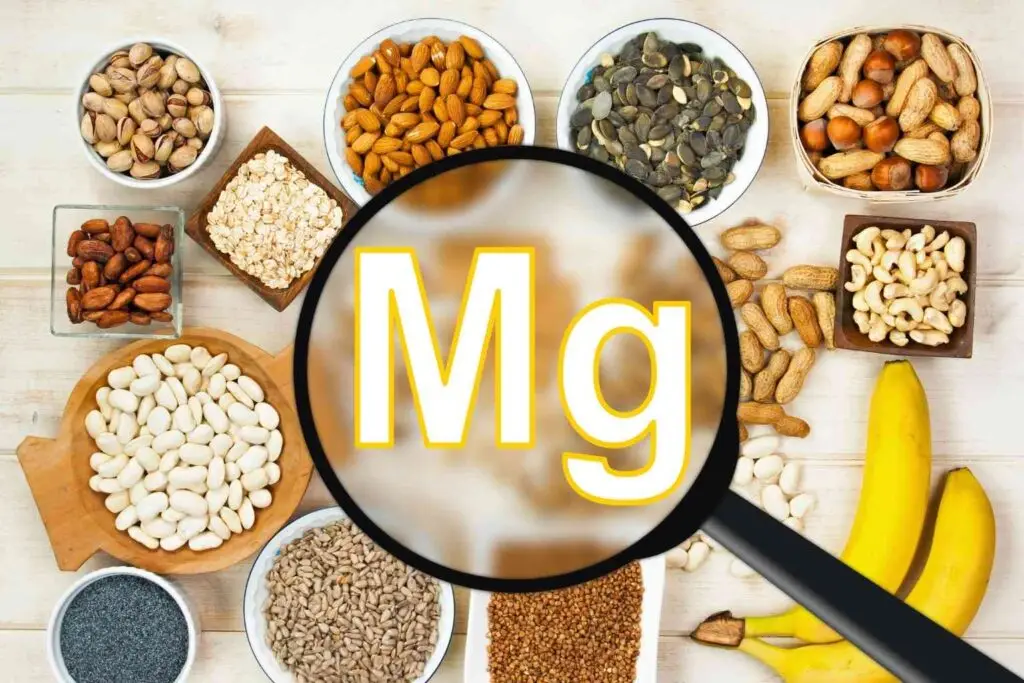
A double-blind, placebo-controlled trial published in the Journal of Research in Medical Sciences (2012) found that older adults with insomnia who supplemented with magnesium showed significant improvements in sleep time, sleep efficiency, early morning awakening, and serum melatonin — alongside reductions in serum cortisol and renin levels. The effect was clinically meaningful, not marginal.
The glycinate form is the most relevant here specifically because of bioavailability and tolerability. Magnesium glycinate is chelated to glycine — an amino acid with its own calming, sleep-promoting properties that works synergistically with the magnesium rather than simply serving as a delivery vehicle. Unlike magnesium oxide or citrate at higher doses, glycinate is well tolerated without gastrointestinal side effects.
Research doses for sleep support center on 200–400 mg of elemental magnesium per night, taken 30–60 minutes before bed. Effects on sleep quality typically begin emerging within one to two weeks of consistent nightly use.
Ashwagandha: The Cortisol Connection Most Sleep Guides Don’t Explain
A double-blind RCT published in PLOS ONE (2019) measured something most sleep supplement trials don’t bother to quantify: not just subjective sleep quality, but the cortisol awakening response — the cortisol spike that occurs in the first 30–45 minutes after waking, which is one of the most reliable biological markers of stress load and HPA axis dysregulation. Adults taking ashwagandha root extract (KSM-66 at 300 mg twice daily) showed significant reductions in this cortisol awakening response alongside improved sleep quality scores, reduced anxiety, and better morning alertness.

The mechanism is upstream from sleep itself. Ashwagandha’s withanolide compounds modulate the hypothalamic-pituitary-adrenal (HPA) axis, reducing overall cortisol output — particularly evening cortisol, the specific fraction that most directly delays sleep onset by keeping the brain in a state of physiological alertness when it needs to be transitioning toward rest.
This makes ashwagandha most relevant for a specific and very common sleep pattern: the person who is genuinely tired but cannot fall asleep, who lies awake with a racing mind, whose sleep problems worsen with stress, and who tends to wake earlier than intended. These are cortisol signatures — and ashwagandha addresses them at the source rather than at the symptom.
Effective doses use standardized extracts — KSM-66 or Sensoril — at 300–600 mg per day. Benefits on sleep typically require 4–8 weeks of consistent use to become measurable, which means this is a long-term sleep support ingredient rather than an acute sleep aid.
L-Theanine: The Compound Found in Green Tea That Promotes Calm Without Causing Drowsiness
In 1949, Japanese researchers isolating amino acids from Camellia sinensis — the tea plant — identified a compound they had not encountered before. That compound, L-theanine, would go on to become one of the most studied psychoactive amino acids in nutritional science, and its mechanism explains something that tea drinkers had noticed for centuries: green tea produces a state of relaxed alertness distinctly different from the jitteriness of equivalent caffeine doses alone.
L-theanine promotes the production of alpha brain waves — the electrical frequency associated with relaxed wakefulness, the mental state that precedes sleep without inducing the drowsiness that makes daytime function impractical. It also increases GABA, serotonin, and dopamine levels in the brain, reducing the anxious rumination and mental overactivation that keep many adults lying awake despite physical tiredness.
A double-blind, placebo-controlled study published in Nutrients (2019) found that 200 mg of L-theanine taken before bed significantly improved sleep quality, sleep efficiency, and sleep latency in healthy adults compared to placebo. Importantly, it did not produce morning-after grogginess — making it one of the few sleep-supporting ingredients that is genuinely compatible with consistent nightly use without functional impairment the following day. For this reason, L-theanine consistently appears in formulations of the best natural sleep supplements aimed at adults who cannot afford morning grogginess.
The most studied dose for sleep support is 200–400 mg taken 30–60 minutes before bed. L-theanine pairs particularly well with magnesium glycinate, since both act through complementary GABA-pathway mechanisms.
5-HTP: The Precursor That Rebuilds the Serotonin-to-Melatonin Pathway
The pathway from 5-HTP to sleep runs through two well-established neurochemical conversions: 5-HTP is converted to serotonin by aromatic amino acid decarboxylase (with vitamin B6 as a required cofactor), and serotonin is then converted to melatonin by AANAT and ASMT enzymes in the pineal gland in response to darkness. Supplementing 5-HTP provides the upstream substrate that the entire pipeline depends on — making it fundamentally different from supplementing melatonin directly.
The clinical evidence for 5-HTP and sleep is meaningful. A study published in the European Journal of Neuroscience found that 5-HTP administration increased REM sleep time and reduced sleep onset latency in human subjects. Additional research has shown that 5-HTP improves subjective sleep quality, reduces nighttime awakenings, and supports the restorative architecture of sleep rather than simply increasing total sleep time.
What makes 5-HTP particularly valuable is its dual-pathway relevance: serotonin is both a sleep-supporting neurotransmitter and a mood and appetite regulator. For adults whose sleep difficulties are intertwined with anxiety, low mood, or evening food cravings — an extremely common cluster — 5-HTP addresses multiple contributing factors through a single upstream mechanism.
The research dose is typically 50–200 mg taken 30–45 minutes before bed. An important caution: 5-HTP should not be combined with antidepressant medications — particularly SSRIs and MAOIs — due to the risk of serotonin syndrome. Anyone taking these medications should consult a physician before use.
Lemon Balm: The Herb That Targets Two Separate Sleep-Disrupting Mechanisms at Once
Among all the ingredients on this list, lemon balm (Melissa officinalis) is the only one with documented activity on both the GABA pathway and the cortisol-stress axis simultaneously — which makes it a particularly efficient choice for adults whose sleep problems have both an anxiety component and a cortisol-driven hyperarousal component.
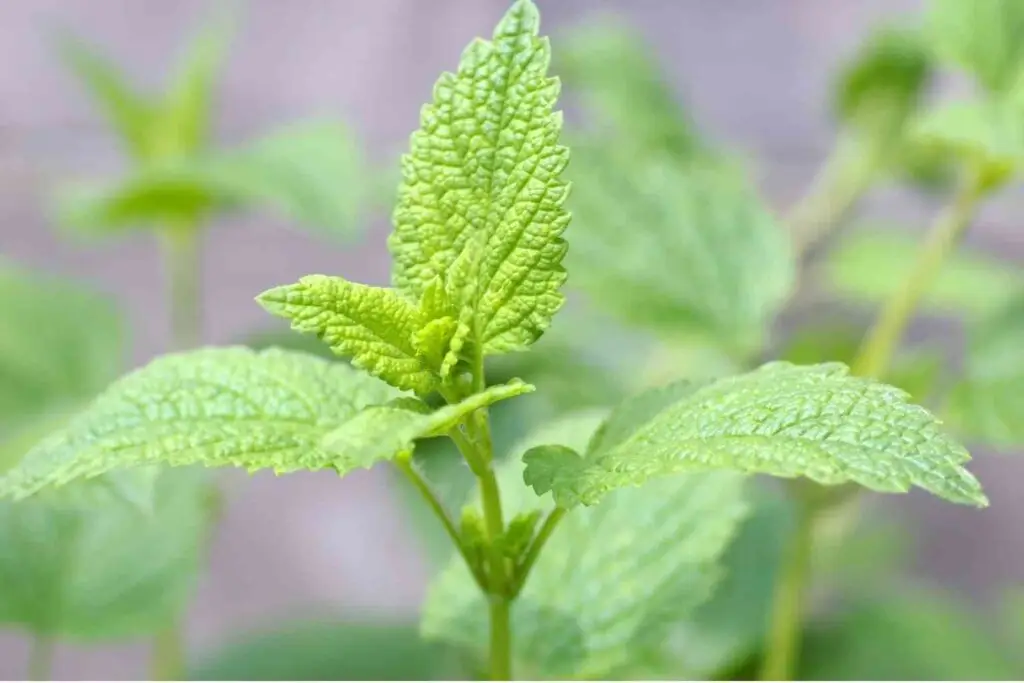
Its primary active compounds — rosmarinic acid and flavonoids — inhibit GABA transaminase, the enzyme responsible for breaking down GABA in the brain. The effect is to extend the duration and intensity of GABA activity, prolonging the inhibitory signaling that allows the transition into sleep. This mechanism is shared with certain pharmaceutical GABA-modulating agents, but at a far gentler magnitude and without the dependency risk.
A randomized, double-blind, placebo-controlled crossover study published in Nutrients (2014) found that a combination of lemon balm and valerian significantly reduced sleep latency and improved sleep quality in adults with insomnia, compared to placebo. A separate study specifically on lemon balm extract found significant reductions in anxiety and insomnia scores after 15 days of supplementation. For a botanical ingredient in a space crowded with marginal evidence, these are genuinely positive findings.
Typical research doses range from 300–600 mg of a standardized lemon balm extract per day, taken in the evening. It is well tolerated, with an excellent long-term safety profile and no known dependency risk.
GABA: The Brain’s Primary Off Switch — and Why How You Supplement It Matters More Than Whether You Do
Here is a distinction that most GABA supplement labels don’t mention: GABA taken as an oral supplement does not easily cross the blood-brain barrier in significant quantities through direct transport — which, on the surface, would seem to undermine its use as a sleep supplement entirely. The research tells a more nuanced story.
A 2018 study published in Frontiers in Neurology found that oral GABA administration at 100 mg produced measurable increases in alpha brain wave activity within 60 minutes and reduced sleep latency in subjects with insomnia — suggesting that peripheral mechanisms, possibly involving the enteric nervous system and the vagus nerve, can translate oral GABA intake into central nervous system effects even without direct barrier crossing. A separate study in subjects with sleep difficulties found that 300 mg of oral GABA significantly improved non-REM sleep and reduced early morning awakening compared to placebo.
The practical implication is that oral GABA supplementation does appear to influence sleep — the mechanism is simply less direct than the label might suggest. For sleep support specifically, GABA works most reliably in combination with the ingredients that support its production and activity in the brain: magnesium, lemon balm, and L-theanine. As a standalone supplement, the evidence is more modest.
Doses in sleep research center on 100–300 mg taken shortly before bed.
Melatonin: The Most Popular Sleep Supplement — And Why Dose Changes Everything
Most people taking melatonin are taking too much of it. The standard commercial dose of 5–10 mg is 10 to 20 times higher than the physiological melatonin increase that the pineal gland produces naturally in response to darkness — and research increasingly suggests this dose mismatch is responsible for the next-morning grogginess, hormonal disruption concerns, and tolerance development that frequent melatonin users report.
A systematic review published in PLOS Medicine (2017), analyzing data from 19 studies and over 1,600 participants, found that doses as low as 0.3–1 mg were effective for improving sleep onset latency — with no evidence that higher doses produced proportionally better outcomes. The implication is clear: melatonin works at low doses through its proper signaling mechanism, and at high doses it shifts from signaling to pharmacological suppression, with correspondingly different side effect profiles.
The appropriate role for melatonin in a natural sleep supplement strategy is as a circadian rhythm cue rather than as a sedative — taken at low doses (0.5–1 mg) 1–2 hours before the desired sleep time to shift the sleep-wake cycle, particularly useful for jet lag, shift work, and irregular schedules. For the core architecture of restorative sleep, the other ingredients on this list address the underlying mechanisms more directly.
Melatonin does not currently have a dedicated post in our ingredient library — it is on our list of upcoming ingredient guides given its central relevance to sleep physiology.
Complete Formula: Best Natural Sleep Supplements Combined in a Nighttime Product
For people who want the best natural sleep supplements working together in a single nightly formula — rather than coordinating multiple separate products — Sleep Lean takes a distinct approach: it combines sleep-supporting botanicals with metabolic ingredients that address what happens to the body during sleep, not just the act of falling asleep.
Sleep Lean — A Nighttime Formula That Supports Sleep and the Metabolic Changes That Happen During It
Sleep Lean’s formula sits at the intersection of two interconnected problems that many adults face simultaneously: poor sleep quality and the weight and metabolic disruptions that chronic poor sleep produces. Rather than treating sleep in isolation, the formula addresses both the sleep mechanisms and the downstream metabolic consequences.
Its sleep-supporting ingredients — Valerian Root, Hops, and 5-HTP — form a multi-pathway botanical stack that covers sedative, anxiolytic, and serotonin-pathway mechanisms simultaneously. The 5-HTP content is the direct bridge to the ingredient list above: the same upstream melatonin-pathway compound discussed in this guide is central to Sleep Lean’s nighttime formula. Valerian Root and Hops add the botanical calming layer that has the longest historical use record in sleep medicine.
What makes Sleep Lean editorially distinctive — and what separates it from most sleep supplements — is the addition of Berberine and Inulin as metabolic support ingredients. Research consistently shows that poor sleep disrupts glucose regulation, appetite hormones (leptin and ghrelin), and fat storage patterns. By including metabolic support compounds that act during the overnight fasting window, Sleep Lean addresses the weight and energy consequences of poor sleep alongside the sleep problem itself.
For adults whose sleep difficulties are intertwined with metabolic challenges — evening cravings, weight that won’t shift despite effort, morning energy that never fully materializes — this dual-mechanism approach offers a more comprehensive starting point than a standalone sedative formula.
Read our full breakdown of the formula, ingredients, and who Sleep Lean is best suited for: Sleep Lean Review.

How to Build a Natural Sleep Supplement Routine That Actually Works
How long natural sleep supplements take to work varies by mechanism — and understanding those timelines prevents the most common reason people stop before results emerge.
GABA-pathway ingredients act fastest. Magnesium glycinate, L-theanine, and GABA supplements typically produce noticeable effects within 3–7 days of consistent nightly use. These ingredients support the acute neurochemical conditions of sleep — they do not require tissue-level changes or hormonal recalibration.
Cortisol-modulating adaptogens require 4–8 weeks. Ashwagandha produces measurable changes in cortisol levels and sleep quality over a period of weeks, not days. Stopping at week two because “nothing happened” means stopping just as the HPA axis recalibration that produces benefit is beginning.
5-HTP and serotonin-pathway ingredients fall in between. Clinical research on 5-HTP for sleep typically shows meaningful effects within 2–4 weeks of consistent use — longer than acute GABA-pathway effects, shorter than adaptogenic cortisol recalibration.
A few additional principles make a meaningful difference regardless of which ingredients you choose:
Take sleep supplements consistently and at the same time each evening. The circadian signaling mechanisms these ingredients support are rhythm-dependent — inconsistent timing undermines the very system you are trying to regulate.
Address the basics first. No supplement compensates for a bedroom with bright screens, a sleep schedule that shifts by three hours on weekends, or caffeine consumed after 2 p.m. These are not optional lifestyle considerations — they are the environment in which sleep supplements either work or don’t.
Combine GABA-pathway and cortisol-modulating ingredients for the most comprehensive coverage. This combination reflects what the best natural sleep supplements do at their most effective: address both the acute neurochemical conditions of sleep onset and the chronic physiological state that prevents it. Magnesium glycinate plus ashwagandha covers both dimensions — the fast-acting GABA support and the longer-arc cortisol recalibration.
Consult your physician if you take medications. 5-HTP has meaningful drug interactions with antidepressants. Ashwagandha may influence thyroid hormone levels. Lemon balm may potentiate sedative medications. These are real pharmacological considerations that require medical supervision in specific populations.
Are Natural Sleep Supplements Safe to Use Every Night Long Term?
The ingredients with the strongest long-term safety profiles for nightly use are magnesium glycinate, L-theanine, and lemon balm — all of which have been studied in extended-use contexts without evidence of dependency, tolerance, or significant adverse effects. Ashwagandha has been evaluated in trials of 8–12 weeks without safety concerns, with many integrative practitioners recommending cycling (8–12 weeks on, 4 weeks off) as a precautionary practice rather than a demonstrated necessity.
What about melatonin long-term? The long-term use profile of high-dose melatonin is less established, and some research raises questions about potential hormonal feedback effects with sustained high-dose use. At low physiological doses (0.5–1 mg), these concerns are less relevant, but the conservative approach is to use melatonin situationally — for jet lag, schedule shifts, or short-term sleep disruption — rather than as a permanent nightly supplement. For sustained nightly use, the best natural sleep supplements are those that support the brain’s own production mechanisms rather than substituting for them.
What about dependency? None of the best natural sleep supplements discussed here carry the dependency risk of pharmaceutical sleep aids. They support the brain’s own sleep mechanisms rather than overriding them — which means that unlike benzodiazepines or z-drugs, stopping them does not produce rebound insomnia. Sleep may return to its previous quality, but it does not worsen below baseline.
Can you take multiple sleep supplements together? Many of the ingredients on this list work through complementary mechanisms and are well suited to combination. Magnesium glycinate and L-theanine have a well-documented synergy through their shared GABA-pathway activity. Ashwagandha and 5-HTP address upstream mechanisms that the GABA-pathway ingredients don’t cover. The main caution around combinations is pharmacological: 5-HTP combined with antidepressants is a meaningful drug interaction, and adding multiple sedative herbs at high doses can produce compounding sedation that impairs morning function.
The Bottom Line: What Best Natural Sleep Supplements Can and Cannot Do
Sleep is not passive recovery. It is the biological work your body cannot do any other way — the window in which memory consolidation, tissue repair, hormone regulation, and metabolic restoration occur. The best natural sleep supplements in this guide address that process at the level of mechanism — not symptom management. Getting it right, consistently, is one of the most consequential things you can do for long-term health.
What they cannot do is replace the environmental and behavioral conditions that sleep requires. Dark rooms, consistent schedules, and managed evening stress are not optional extras — they are the foundation on which any supplement strategy either thrives or fails.
The seven ingredients covered here represent the strongest evidence-based options in natural sleep support. For adults whose sleep difficulties trace to identifiable physiological mechanisms, the right ingredients — used consistently, at research-aligned doses, and with realistic timelines — can produce real and meaningful improvements in the quality of sleep that matters most: the kind that leaves you genuinely restored the next morning.
Frequently Asked Questions About Natural Sleep Supplements
What Is the Strongest Natural Sleep Supplement?
The answer depends on what is disrupting sleep in the first place — and that distinction matters more here than in almost any other supplement category. “Strongest” is meaningless without context because the ingredients that produce the most dramatic improvement in one sleep pattern may produce almost no effect in another.
That said, if forced to identify the single ingredient with the broadest clinical evidence base and the most consistent effect across different sleep-disrupting mechanisms, ashwagandha makes the strongest case. It addresses the most common underlying driver of chronic adult sleep problems — elevated cortisol and HPA axis dysregulation — at the source rather than at the symptom. A double-blind RCT published in PLOS ONE (2019) found that KSM-66 ashwagandha extract significantly improved sleep quality, reduced sleep onset latency, and lowered cortisol awakening response in adults with chronic stress and sleep difficulty. Uniquely among the ingredients in this category, it improves both the quality of sleep architecture and the daytime alertness that follows — suggesting it is restoring the sleep-wake cycle rather than simply inducing sedation.
For adults whose primary problem is difficulty falling asleep — racing thoughts, mental activation at bedtime — L-theanine at 200–400 mg produces the fastest and most reliable acute effect, promoting alpha brain wave activity and reducing anxious rumination without causing grogginess. It works the first night for most people, which makes it feel “stronger” in the short term even if ashwagandha’s long-term hormonal recalibration is more fundamentally impactful.
Magnesium glycinate is the strongest choice for adults whose sleep disruption is rooted in GABA deficiency or insufficiency — the inability to achieve the neural quieting that sleep requires — as well as for older adults, who are disproportionately magnesium-deficient and whose GABA receptor sensitivity declines with age.
The most effective overall approach is not a single ingredient but a combination that covers multiple mechanisms simultaneously: ashwagandha for cortisol, magnesium glycinate for GABA activation, and L-theanine for the acute calming that bridges the gap while ashwagandha’s hormonal recalibration develops over weeks.
What Is the Most Important Supplement for Sleep?
If the question is about foundational importance — the supplement most likely to make a measurable difference for the largest proportion of adults — magnesium glycinate is the strongest candidate, for a reason that has nothing to do with it being the most dramatic sleep ingredient: deficiency.
The National Health and Nutrition Examination Survey data estimates that approximately 48% of Americans consume less magnesium than the recommended daily intake. Among adults over 50, the figure is even higher. Magnesium is a required co-factor for GABA receptor function — the neurotransmitter system that quiets brain activity and enables the transition into sleep. When magnesium is insufficient, GABA receptor sensitivity is compromised. No amount of L-theanine, ashwagandha, or 5-HTP fully compensates for a depleted GABA system lacking its primary mineral co-factor.
This is why magnesium is the most “important” supplement for sleep in the sense of being foundational: it is the prerequisite that allows the rest of the sleep system to function properly. Correcting a magnesium deficiency frequently improves sleep before anything else is added — and sleep supplements layered on top of adequate magnesium status consistently outperform the same supplements used without addressing this baseline.
A 2012 double-blind, placebo-controlled trial published in the Journal of Research in Medical Sciences confirmed that magnesium supplementation in older adults with insomnia significantly improved sleep time, sleep efficiency, sleep onset latency, and morning serum melatonin — alongside meaningful reductions in cortisol. These are comprehensive sleep improvements from a single foundational mineral correction.
The glycinate form specifically is important here: it is chelated to glycine, an amino acid with independent sleep-promoting properties that works synergistically with magnesium rather than simply serving as a carrier. Magnesium glycinate at 200–400 mg taken 30–60 minutes before bed is the most evidence-supported starting point for adults addressing sleep quality with natural supplements.
What Is the Healthiest Thing to Take for Sleep?
“Healthiest” is the right frame — and it shifts the answer away from what produces the most sedation toward what produces the most genuine, restorative sleep without creating dependency, suppressing natural sleep architecture, or impairing daytime function.
By that standard, the healthiest approach to sleep supplementation is one that supports the brain’s own sleep systems rather than overriding them — and the ingredient that best exemplifies this principle is magnesium glycinate, followed by L-theanine.
Magnesium glycinate works by restoring the function of GABA receptors that depend on adequate magnesium for their sensitivity. It does not bind to those receptors pharmacologically — it provides the mineral co-factor that allows them to respond properly to the brain’s own GABA signaling. This is fundamentally different from how pharmaceutical sleep aids work: benzodiazepines and z-drugs bind GABA-A receptors directly, overriding the system regardless of its natural state. The result with magnesium is more natural sleep architecture, no rebound insomnia upon stopping, no morning grogginess, and no risk of dependency. Long-term use studies in clinical populations show no tolerance development.
L-theanine follows similar logic: it increases the brain’s endogenous production of GABA, serotonin, and dopamine — supporting the neurochemical environment that precedes sleep — without binding to any receptor pharmacologically. Its safety profile is exceptional: it has been consumed as a component of green tea for centuries and has been tested in multiple clinical populations without safety concerns.
5-HTP occupies a middle ground on the “healthiness” spectrum. It is genuinely beneficial for sleep quality and has strong clinical support, but its serotonin-pathway activity means it carries real drug interaction risk with antidepressant medications — which makes it less universally “healthy” than magnesium or L-theanine for people on common prescriptions.
High-dose melatonin — the most commercially popular sleep supplement — is arguably the least “healthy” of the commonly used options at standard commercial doses. Taking 5–10 mg of melatonin nightly delivers 10–20 times the physiological melatonin signal, overriding the pineal gland’s own production rhythm rather than supporting it. Low-dose melatonin (0.3–1 mg) used situationally is a different matter — at physiological doses, it gently signals the circadian system without suppressive effects.
What Is the Best Natural Thing to Take to Help You Sleep at Night?
For a single practical recommendation that works for the broadest population, the answer is a combination of magnesium glycinate and L-theanine taken together 30–60 minutes before bed.
This pairing works because the two ingredients address sleep through complementary mechanisms that together cover the most common physiological barriers to sleep onset in adults. Magnesium glycinate activates the GABA system that enables neural quieting — the physiological prerequisite for sleep transition. L-theanine promotes alpha brain wave activity and reduces the anxious mental activation that keeps the brain in a waking state despite physical fatigue. Together, they address both the biochemical and the cognitive dimensions of sleep onset without sedation, grogginess, or dependency.
The combination is effective the same night — unlike ashwagandha, which requires weeks of consistent use before its cortisol-modulating effects accumulate — and it is safe for nightly long-term use without tolerance development. For adults who want a single practical starting point that does not require understanding cortisol rhythms, serotonin pathways, or melatonin dosing nuances, magnesium glycinate plus L-theanine is the most accessible and consistently effective natural option.
If stress and racing thoughts are the dominant sleep disruptors, adding ashwagandha (300–600 mg of a standardized KSM-66 or Sensoril extract) to the above combination addresses the cortisol dimension — producing more comprehensive coverage at the cost of a 4–8 week timeline before the hormonal recalibration effects become measurable.
For adults whose sleep is disrupted specifically by the inability to achieve deep, restorative sleep stages rather than difficulty falling asleep, 5-HTP at 100–150 mg taken 30–45 minutes before bed adds serotonin-melatonin pathway support that neither magnesium nor L-theanine directly provides. The caveat: 5-HTP must not be combined with SSRI or MAOI antidepressants due to serotonin syndrome risk.
Can I Take Magnesium and Melatonin Together?
Yes — and for most adults, combining them is safe and potentially more effective than either alone, though the rationale for using each is different enough that understanding both is worth the effort before defaulting to the combination.
Magnesium glycinate supports the GABA receptor system and improves sleep architecture from the inside out — it restores the neurochemical conditions for quality sleep. Low-dose melatonin (0.3–1 mg) provides a circadian signal — it tells the brain what time it is relative to the sleep-wake cycle. These are complementary, non-overlapping mechanisms. Taking both does not create redundancy or amplify either effect to a problematic degree.
The important caveat is dose. Magnesium glycinate at 200–400 mg per night is well within research-backed safe parameters. Melatonin at 0.3–1 mg respects the physiological melatonin signal that the pineal gland produces naturally. The combination at these doses is appropriate for most healthy adults.
The problem arises when melatonin is taken at the standard commercial doses of 5–10 mg — doses that are pharmacological rather than physiological. At these levels, combined with sedating nutrients like magnesium, the risk of next-morning grogginess and the suppression of the pineal gland’s own melatonin production increase meaningfully. If you are using melatonin alongside other sleep supplements, 0.5 mg is the dose that research supports as effective for circadian signaling without the side effect profile of higher doses.
One practical note on timing: magnesium glycinate benefits from being taken 30–60 minutes before bed. Low-dose melatonin is most effective when taken 1–2 hours before the desired sleep time, as it is working on circadian signaling rather than acute sedation. Splitting the timing slightly — melatonin first, magnesium closer to sleep — optimizes both mechanisms independently.
What Natural Supplements Help With Sleep Anxiety?
Sleep anxiety — the specific pattern of lying awake with anxious thoughts, worry about not sleeping, or a mind that accelerates rather than quiets at bedtime — is one of the most common and frustrating sleep patterns in adults, and it has a distinct neurobiological profile that points to specific ingredients over others.
The cortisol-anxiety connection is the primary driver. Chronic psychological stress elevates evening cortisol, which directly inhibits the hypothalamic signaling that initiates sleep onset and keeps the brain in a state of physiological alertness when it needs to be winding down. This is why ashwagandha is particularly valuable for sleep anxiety specifically: its withanolide compounds modulate the HPA axis, reducing cortisol secretion — not just acutely but cumulatively over weeks of consistent use. A 2019 RCT found that ashwagandha significantly reduced both anxiety scores and sleep onset latency, and that the improvements correlated with measurable reductions in the cortisol awakening response. For sleep anxiety, this addresses the root mechanism rather than the symptom.
Lemon balm is the second most targeted ingredient for sleep anxiety, and uniquely so: it inhibits GABA transaminase — the enzyme that breaks GABA down in the brain — extending the duration and intensity of GABA activity. This mechanism directly addresses the neural overactivation underlying anxious rumination at bedtime. A clinical study found significant reductions in anxiety and insomnia scores after 15 days of lemon balm supplementation, with an effect profile specifically described as reducing “tension and excitability” rather than producing sedation.
L-theanine completes the picture. Its promotion of alpha brain wave activity — the relaxed alertness state that precedes sleep — is particularly valuable for adults whose sleep anxiety involves a racing, overactive mind. It does not suppress thoughts pharmacologically; it shifts the brain’s electrical frequency toward a calmer state from which sleep onset is physiologically easier.
For sleep anxiety specifically, the most targeted natural stack is: ashwagandha (300–600 mg, standardized extract) for the cortisol dimension + lemon balm (300–600 mg) for the GABA-extension mechanism + L-theanine (200–400 mg) for the cognitive calming dimension. These three cover the anxiety-sleep intersection from three distinct but complementary angles.
Do Natural Sleep Supplements Cause Grogginess the Next Morning?
This is one of the most important practical questions about natural sleep supplements, and the answer varies substantially by ingredient — which is exactly why the distinction matters before selecting what to take.
The ingredients least likely to cause morning grogginess are L-theanine and magnesium glycinate. L-theanine’s mechanism — promoting alpha brain waves and reducing anxious activation — does not involve sedation at any level. Multiple clinical trials measuring next-day cognitive performance after L-theanine supplementation have found no impairment and, in several cases, modest improvements in morning alertness. Magnesium glycinate acts through GABA receptor co-factor restoration, not receptor binding — the difference between tuning an instrument and playing it forcefully. Well-tolerated at research doses with no reported next-day cognitive effects.
Ashwagandha and 5-HTP occupy a middle ground. Neither produces sedation directly, but 5-HTP at doses above 200 mg can occasionally cause mild morning sluggishness in sensitive individuals — typically resolving with dose adjustment. Ashwagandha has no established next-day impairment at standard doses and is sometimes described as improving morning energy specifically through its cortisol normalization effect.
The most common source of morning grogginess from “natural” sleep supplements is melatonin at commercial doses. Taking 5–10 mg of melatonin — the standard sold in most US pharmacies — floods the circadian system with a signal 10–20 times above physiological levels. The half-life of melatonin is 40–50 minutes, but at high doses, significant amounts remain active well into the morning hours. Reducing melatonin to 0.3–1 mg resolves next-day grogginess for most people who experience it, while maintaining the circadian signaling benefit.
Valerian root — not covered as a primary ingredient in this guide but found in formulas like Sleep Lean — causes grogginess in a meaningful proportion of users, particularly at higher doses. Its sedative mechanism is more pharmacologically blunt than GABA-pathway ingredients, and its effects are more variable across individuals.
The practical rule: if you wake up groggy after a natural sleep supplement, the most likely culprit is either melatonin at too high a dose or valerian — not magnesium, L-theanine, or ashwagandha.
Is It Safe to Take Natural Sleep Supplements Every Night Long Term?
For the core ingredients covered in this guide — magnesium glycinate, L-theanine, and ashwagandha — the long-term safety profile supports nightly use with appropriate context.
Magnesium glycinate has been studied in extended clinical contexts without evidence of tolerance, dependency, or adverse effects at supplemental doses. It addresses a widespread nutritional insufficiency rather than pharmacologically overriding a system, which means its mechanism does not create the rebound effects associated with pharmaceutical sleep aids. Long-term nightly use at 200–400 mg of elemental magnesium is supported by both clinical data and the broader mineral supplementation literature.
L-theanine has an exceptional long-term safety record. It has been consumed as a component of green tea in daily quantities for centuries across East Asian populations, and clinical studies specifically evaluating L-theanine supplementation over extended periods have found no concerning effects. No tolerance development has been observed in trials, consistent with its mechanism of supporting endogenous neurotransmitter activity rather than binding receptors pharmacologically.
Ashwagandha has been evaluated in trials of 8–12 weeks without safety concerns. Many integrative practitioners recommend a precautionary cycling approach — 8–12 weeks of daily use followed by 4 weeks off — not because harm has been demonstrated with continuous use but because adaptogen cycling is a conservative practice in the absence of long-term data beyond 12 weeks. Men with thyroid conditions should monitor thyroid hormone levels with extended ashwagandha use, as it may influence thyroid activity.
5-HTP warrants more caution with very long-term continuous use. Some practitioners suggest intermittent use or periodic breaks for serotonin pathway ingredients, given theoretical concerns about receptor desensitization over extended periods — though human evidence for this effect is limited. Periodic reassessment of whether the dose and frequency remain appropriate is a reasonable approach.
The one ingredient that should not be used nightly at standard commercial doses for the long term is high-dose melatonin (5–10 mg). Evidence increasingly suggests that sustained suppression of endogenous melatonin production and potential hormonal feedback effects warrant caution with permanent nightly high-dose use. Low-dose melatonin (0.3–1 mg) used situationally, or cycling high-dose melatonin rather than using it every night indefinitely, represents the more conservative approach.
This article is for informational and educational purposes only and does not constitute medical advice. Results vary by individual. The information presented here is based on publicly available research and is not intended to diagnose, treat, cure, or prevent any condition. People taking antidepressants, sedative medications, thyroid treatments, or blood sugar drugs should consult a qualified healthcare provider before starting any of the supplements discussed here, as several have documented drug interactions. These statements have not been evaluated by the Food and Drug Administration.