

Quick Answer: In a large U.S. survey examining whole fruit vs fruit juice, adults who reported certain heart conditions generally said they ate whole fruit less often than adults without those conditions. The pattern for 100% fruit juice was less consistent. The study looked at a snapshot of people’s lives, so it cannot show that choosing an orange instead of orange juice prevents a heart attack.
An apple and a glass of apple juice can start with the same fruit, yet they aren’t quite the same thing on your plate. One takes time to chew and brings the fruit’s structure along with it. The other is much easier to drink quickly. Does that difference show up in heart-health research?
A 2026 paper in Current Developments in Nutrition examined how often American adults reported eating whole fruit or drinking 100% fruit juice. It used survey information collected in 2019, rather than testing a new diet.
What the whole fruit vs fruit juice study compared
Researchers analyzed answers from 371,038 U.S. adults in the Behavioral Risk Factor Surveillance System. Participants reported how frequently they ate whole fruit and drank 100% juice, along with whether they had conditions such as high blood pressure, high cholesterol, coronary heart disease, stroke or a previous heart attack.
On average, respondents reported eating whole fruit roughly 1.06 times per day and drinking juice about 0.3 times per day. Importantly, the survey asked about frequency, not portion size. Someone eating one strawberry and someone eating a large bowl of berries could appear similar if both counted one occasion.
What stood out in the results
People who reported high blood pressure, high cholesterol, coronary heart disease or a history of heart attack generally reported eating whole fruit less often. Juice results were mixed rather than showing a consistent pattern in the same direction. That makes this a story about reported habits among groups, not a head-to-head trial in which everyone received fruit or juice.
The researchers could not establish which came first. A heart diagnosis might lead someone to change eating habits, and factors such as smoking, activity, income or overall diet may also shape the patterns. Self-reported answers can contain mistakes, especially when people confuse 100% juice with sweetened fruit drinks.
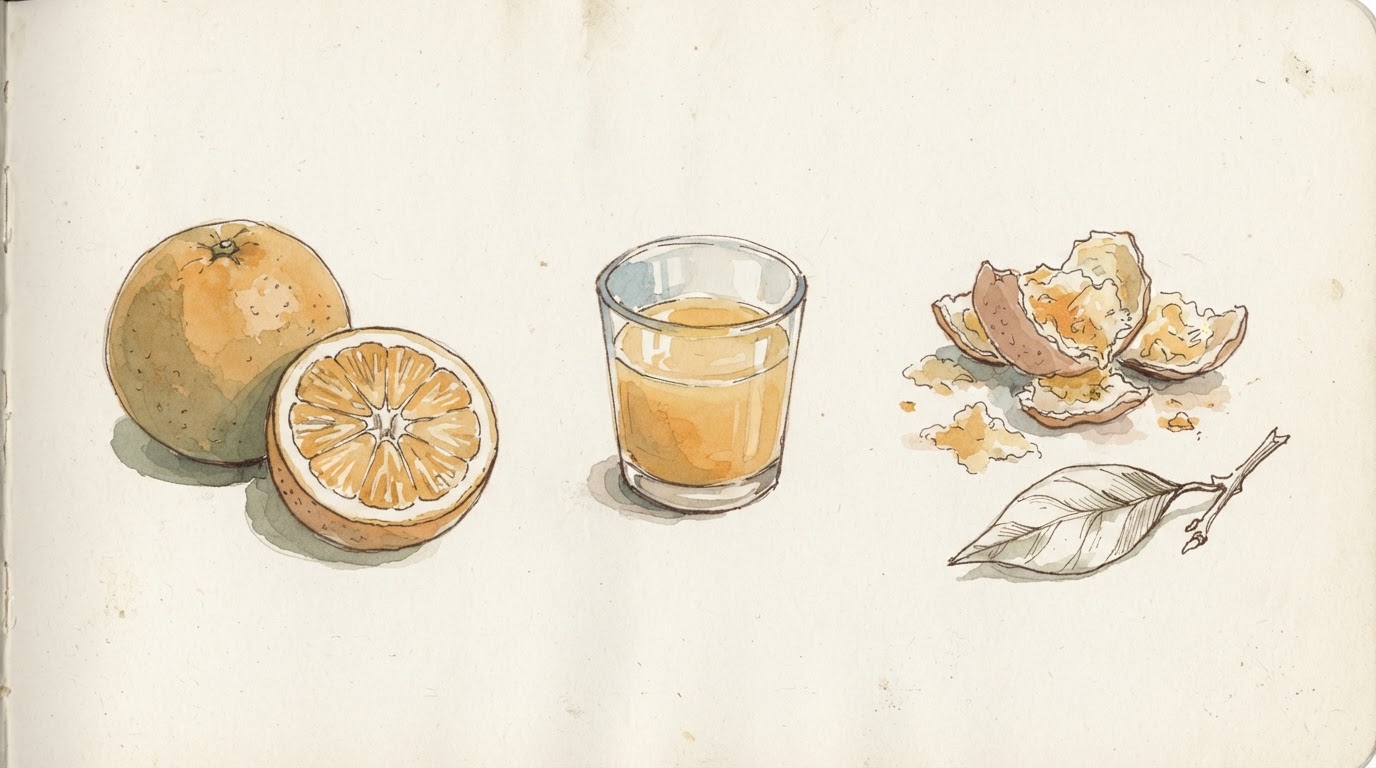
Why a piece of fruit still has an advantage
Whole fruit generally retains the fiber and structure lost when juice is strained. Fiber can support digestion and can help with fullness. Some whole fruits also bring compounds attached to that fiber. Those are reasonable reasons to include fruit in a varied diet, but the particular survey did not test whether fiber explained the differences in reported heart conditions.
None of this means that every glass of 100% fruit juice is harmful. Juice can provide vitamins and other nutrients, and modest portions may fit different people’s needs. A smoothie made with whole edible fruit often keeps more fiber than strained juice, though it is not identical to chewing the fruit.
What to take into the grocery store
If fresh fruit feels expensive or hard to keep around, frozen, canned or dried versions without unnecessary added sugar may be more practical. Choosing a form you enjoy and can eat regularly is more useful than obsessing over a single food. People with diabetes or other conditions may need different portion guidance.
For a separate look at one food and metabolic health, see our report on peanut-related blood fats and diabetes risk. It also illustrates the difference between an observed association and a proven benefit.
Healthy Routine Lab take: The strongest takeaway isn’t ‘juice causes heart disease.’ It’s that reported fruit choices differed between groups in a large survey. When possible, choosing whole fruit is a simple habit with nutritional advantages, even if this study cannot tell us what will happen to an individual’s heart.
Sources
Kesler BJ et al. Current Developments in Nutrition (2026), original survey analysis.
For educational purposes only; not individual dietary or medical advice.
See also: Walking Breaks and Blood Sugar: What a New Study Found