Most herbs get one job in the supplement space. Valerian for sleep. St. John’s Wort for mood. Ashwagandha for cortisol. Lemon balm benefits don’t fit that model — and that’s precisely why this plant gets misrepresented more often than most. Walk through the clinical literature and you find the same Melissa officinalis extract appearing in anxiety trials, sleep studies, cognitive performance research, heart palpitation protocols, and menstrual symptom interventions. The breadth looks suspicious until you understand the mechanism. Then it makes complete sense.
This post covers the full range of documented lemon balm benefits with the level of specificity the research actually supports — including where the evidence is strong, where it’s still developing, and where the gap between traditional use and clinical data still needs bridging. You’ll also find practical guidance on dosage, timing, and the safety considerations that most guides on this lemon balm herb mention too briefly to be useful.
What Is Lemon Balm? (Melissa officinalis Explained)
Lemon balm is a perennial herb in the mint family (Lamiaceae), native to southern Europe and the Mediterranean basin, now cultivated across temperate regions worldwide. Its botanical name, Melissa officinalis, derives from the Greek word for honeybee — a reference to the plant’s centuries-long reputation as a bee-attracting garden herb. The leaves are broadly oval, toothed at the edges, and release an intense lemon scent when crushed, produced by the volatile compounds citral and citronellal in the essential oil fraction. Understanding the full range of lemon balm benefits starts here: with a plant whose pharmacological complexity has consistently outpaced its reputation.
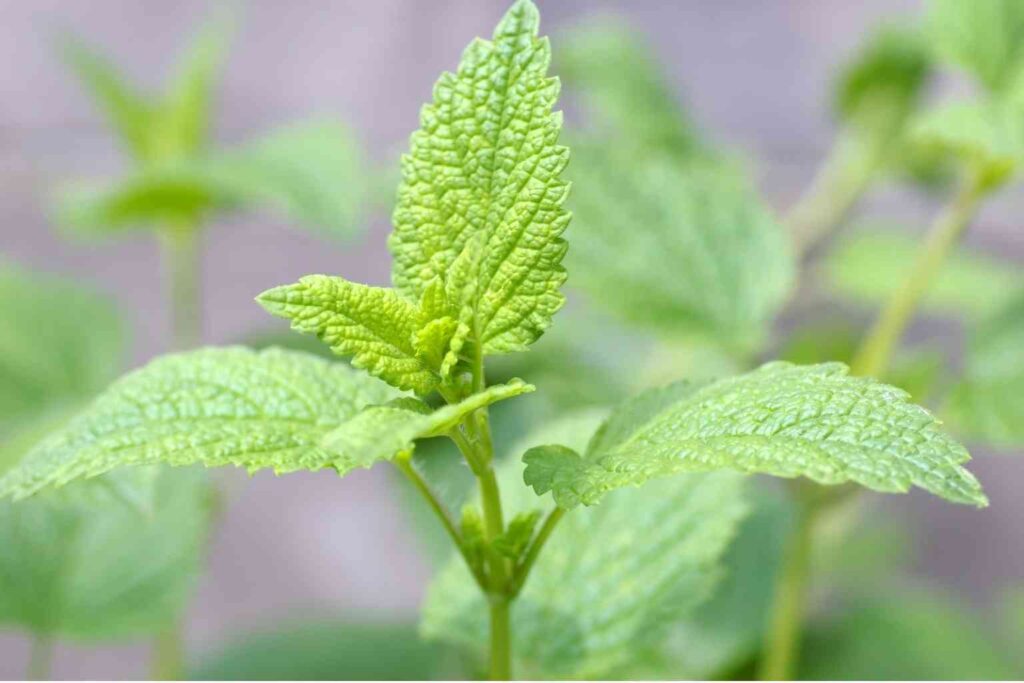
The plant grows to roughly two to three feet tall, produces small white flowers through summer, and spreads aggressively in garden conditions. Medicinally, the above-ground leafy parts are used — not the root — which distinguishes Melissa officinalis from several other botanicals where the root carries the primary pharmacological weight.
Human use of lemon balm as a medicinal plant stretches back more than two thousand years. Theophrastus recorded it in Greek botanical texts around 300 BCE. Avicenna referenced it in his Canon of Medicine in the eleventh century. European herbalists from the Middle Ages forward used it consistently for nervous complaints, digestive spasms, and sleep disruption. The consistency of that use across cultures and centuries is not proof of efficacy — but it is the kind of ethnobotanical signal that directs clinical researchers toward genuine pharmacological activity. In this case, modern research has validated much of what traditional medicine anticipated about lemon balm benefits.
The Active Compounds Behind the Calm: Rosmarinic Acid and Beyond
The lemon balm benefits documented in clinical research are traceable to a specific set of phytochemicals — and understanding which compounds do what separates this ingredient from the generic “calming herb” category it’s often placed in.
Rosmarinic acid is the primary bioactive compound, accounting for roughly four percent of the dried leaf’s weight. It’s a polyphenolic hydroxycinnamic acid with documented antioxidant, anti-inflammatory, and — most relevant here — GABA-modulating properties. The mechanism involves inhibition of GABA transaminase (GABA-T), the enzyme responsible for breaking down GABA in the brain. When GABA-T activity slows, GABA persists longer at synapses. The inhibitory signal extends. That is the molecular foundation for lemon balm’s calming effect, and it distinguishes it pharmacologically from substances that work by forcing the GABA receptor open directly.
Luteolin and apigenin are flavonoids present in the leaf that bind to GABA-A receptor sites with mild agonist activity — a complementary mechanism to the GABA-T inhibition above. Together, rosmarinic acid and these flavonoids create a dual-pathway modulation of GABAergic tone that most single-compound supplements cannot replicate.
Citral — the primary volatile component of the essential oil — has demonstrated acetylcholinesterase (AChE) inhibitory activity in pharmacological assays. AChE is the enzyme that breaks down acetylcholine, the neurotransmitter central to memory, attention, and learning. Inhibiting it prolongs acetylcholine activity in the synapse — which explains the cognitive performance data behind certain lemon balm benefits documented in clinical trials.
Ursolic and oleanolic acids are triterpenes associated with anti-inflammatory and antiviral activity, particularly inhibition of herpes simplex virus attachment via rosmarinic acid interference in topical models.
The complete phytochemical picture matters because it explains why different doses produce different outcomes. At lower doses, the flavonoid-GABA interaction produces mild calming without sedation. At higher doses, the AChE inhibition and broader antioxidant activity become more pronounced. The dose you choose should match the specific lemon balm benefits you’re targeting.
Lemon Balm Extract vs. Tea vs. Dried Herb: Which Form Actually Delivers Results
This distinction is one that most content about lemon balm benefits glosses over — and it changes expectations significantly.
The clinical trials documenting lemon balm benefits used standardized extracts, not tea. Studies demonstrating measurable effects on anxiety, sleep, and cognitive performance used preparations standardized to a minimum of two to three percent rosmarinic acid, typically at doses ranging from 240mg to 1,000mg. Brewed lemon balm tea delivers much lower and far less consistent concentrations of rosmarinic acid, because volatile compounds are heat-sensitive and steeping does not replicate extract standardization.
That doesn’t make lemon balm tea worthless. A warm cup before bed as part of a deliberate wind-down routine may produce mild calming through both pharmacological and behavioral pathways. But comparing tea to a standardized lemon balm extract capsule and expecting the same clinical outcome is not supported by the evidence.
Dried herb capsules without standardization fall between the two — better than casual tea, but inconsistent in rosmarinic acid content between batches and brands. For any purpose with a defined outcome — anxiety reduction, sleep quality, cognitive support — look for a lemon balm supplement standardized to rosmarinic acid content at two percent minimum.
Natural Food Sources of Lemon Balm
Lemon balm is primarily a culinary and medicinal herb rather than a staple dietary source, so this section covers a narrower range than similar sections for more food-ubiquitous ingredients. That said, fresh lemon balm is entirely edible and used across several food traditions.
The fresh leaves pair well with fish — particularly salmon and trout — and appear in herb-cured seafood preparations across Scandinavian cooking. In Persian and Turkish culinary traditions, Melissa officinalis is infused into teas consumed routinely for digestive calm and general wellbeing. Mediterranean cuisines use the leaves as garnish for desserts, fruit salads, and cold drinks. The lemon balm herb also works well added to green salads, blended into citrus-honey dressings, or used fresh in pestos combined with basil or mint.
Infused lemon balm syrup — made by steeping fresh leaves in warm simple syrup and straining — is a practical way to incorporate the herb into beverages, sorbets, and baked goods. Fresh lemon balm can substitute for lemon verbena in most recipes, and in cooking contexts where a brighter citrus note than mint alone provides is wanted, it works as a direct alternative.
The honest context: culinary use delivers some rosmarinic acid and polyphenol exposure from this lemon balm herb, but concentrations are not comparable to supplemental extracts. A few tablespoons of fresh chopped leaves in a dish contributes gentle nutritional and digestive benefit — not the 300 to 600mg standardized dose used in the clinical anxiety and sleep trials documenting the primary lemon balm benefits.
Lemon balm is available in these forms outside of food:
- Fresh plants from herb nurseries (best for culinary freshness)
- Dried loose-leaf herb for tea (widely available, mild potency)
- Alcohol-based tincture (variable standardization)
- Standardized lemon balm supplement capsules or tablets (most consistent for clinical-level effects)
How Lemon Balm Works: Five Mechanisms That Explain Everything
The range of lemon balm benefits that emerges from the research doesn’t reflect scattered, unrelated effects. Five distinct biological mechanisms explain the breadth — each targeting a system with overlapping clinical relevance across sleep, mood, cognition, digestion, and cardiovascular calm.
GABA Transaminase Inhibition: Rosmarinic acid and related phenolics inhibit GABA-T, slowing the enzymatic degradation of GABA at neural synapses. The inhibitory signal persists longer. Calming and anxiolytic effects follow without the receptor-binding mechanism that produces tolerance and dependence with pharmaceutical sedatives.
Cholinergic Modulation: Citral and select flavonoids inhibit acetylcholinesterase, preserving acetylcholine availability in memory and attention circuits. This is the mechanism behind the working memory improvements observed in cognitive trials — sustained cholinergic signaling translates to measurably better processing speed and recall in controlled testing.
HPA Axis Regulation: Melissa officinalis extract modulates the hypothalamic-pituitary-adrenal (HPA) axis by reducing the amplitude of the cortisol release triggered by acute psychological stressors. In trials using the Trier Social Stress Test, lemon balm combinations significantly attenuated state-anxiety responses — consistent with upstream corticotropin-releasing factor modulation rather than direct cortisol suppression.
Antioxidant and Anti-inflammatory Activity: Rosmarinic acid, luteolin, and apigenin reduce oxidative stress markers and suppress pro-inflammatory cytokine production, partly via inhibition of NF-κB signaling. These effects are most relevant in the digestive and cardiovascular benefit data.
Antiviral Activity via Rosmarinic Acid: The polyphenol fraction of this lemon balm extract interferes with viral adsorption and penetration — particularly against herpes simplex virus types 1 and 2 in topical models. This antiviral dimension is distinct from the central nervous system effects and is most applicable to topical applications for cold sore management.
Lemon Balm Benefits: What the Research Shows
Lemon Balm for Anxiety: A Calming Effect With Clinical Backing
The anxiety evidence for Melissa officinalis is among the most robust in the herbal CNS category — but the framing matters when discussing lemon balm benefits.
A crossover RCT published in Psychosomatic Medicine (Kennedy et al., 2004) tested two separate doses of standardized lemon balm extract — 300mg and 600mg — against placebo in 18 healthy volunteers across two separate seven-day supplementation periods. The 600mg dose produced a statistically significant increase in self-rated calmness and a significant reduction in alertness-loss under laboratory stress conditions. The 300mg dose improved mood ratings without reaching significance on anxiety measures. This dose-response pattern is consistent across the literature: lower doses produce mild mood elevation; higher doses produce more pronounced lemon balm benefits for anxiety specifically.
A 2014 study in Nutrients administered standardized lemon balm extract before a Trier Social Stress Test (TSST). State anxiety — the kind that spikes in response to a specific stressor rather than running as chronic background tension — was significantly attenuated in the treatment group compared to placebo. Calming without sedation or motor impairment.
What makes the anxiety case compelling is mechanistic specificity. The GABA-T inhibition identified in bioassay-guided fractionation studies provides a direct biological explanation for why lemon balm reduces anxiety in a dose-dependent, pharmacologically coherent way. This is not a plant acting through vague “calming” pathways.
The honest caveat: most trials have enrolled fewer than thirty participants. A 2021 meta-analysis in Phytotherapy Research confirmed the anxiety-reducing signal across studies but called for larger RCTs with standardized outcome measures before definitive clinical conclusions. Solid preliminary evidence — not the certainty you’d assign to a drug backed by ten-thousand-person trials.
Lemon Balm for Sleep: What the Insomnia Studies Actually Found
The sleep data for lemon balm is more nuanced than most content presents — and the nuance is clinically useful.
As a standalone ingredient in adults with moderate sleep difficulty, a trial published in Phytomedicine found that six weeks of daily lemon balm supplement standardized to at least two percent rosmarinic acid produced significant improvements in sleep quality scores and daytime functioning compared to placebo. Participants reported feeling more refreshed on waking and showed measurably better next-day wellbeing scores.

In adults with milder sleep problems, standalone Melissa officinalis at lower doses produces more modest results. The consistent finding across this literature is that the combination with valerian significantly outperforms either herb in isolation — an effect documented in multiple well-designed trials. A combined preparation of 320mg lemon balm with 640mg valerian, taken nightly for 28 days, produced significant improvements in sleep quality and restlessness scores compared to baseline in both children and adults across separate study populations.
For sleep specifically, lemon balm works better as part of a two-herb stack than alone. That finding should inform product selection. If sleep quality is the primary goal and you haven’t seen results from lemon balm alone, the valerian combination is the evidence-backed step forward. This remains one of the most practically relevant lemon balm benefits for the population using it at bedtime.
Lemon Balm for Stress and the Cortisol Connection
Chronic psychological stress raises cortisol — and sustained cortisol elevation disrupts sleep architecture, increases appetite for high-calorie food, impairs immune function, and accelerates cellular aging. The connection between lemon balm benefits and cortisol modulation is one of the most underreported angles in mainstream supplement content.
The mechanism runs through the HPA axis. Experimental pharmacology work has shown that Melissa officinalis extract reduces the corticotropin-releasing factor (CRF) response to acute stress — the upstream signal that triggers adrenal cortisol release. Moderating this signal higher in the cascade produces calmer downstream cortisol output without suppressing the cortisol response entirely, which would be biologically counterproductive.
The TSST-based human trials described in the anxiety section also measured anxiety in cortisol-inducing conditions. Participants receiving lemon balm weren’t sedated — they were less reactive. That distinction matters if you need something that reduces stress-driven tension without blunting your ability to perform.
For people who experience stress as a physical pattern — jaw tension, disrupted sleep during busy periods, irritable digestion under pressure — the cortisol-adjacent lemon balm benefits may be more practically relevant than the acute anxiety-reduction framing suggests.
Lemon Balm for Cognitive Performance and Mental Clarity
This is the lemon balm application most consistently overlooked by mainstream supplement content, and it carries some of the more interesting mechanistic support.

The AChE inhibitory activity of citral creates a biologically plausible path to improved memory and attention — preserved acetylcholine availability in hippocampal and cortical circuits supports the sustained attention and working memory capacity that declines with age and stress. These cognitive lemon balm benefits are mechanistically coherent, not incidental.
Kennedy’s 2003 study in Neuropsychopharmacology tested single-dose lemon balm extract at 300mg, 600mg, and 900mg against placebo in a crossover design. The 600mg dose significantly improved both the speed and accuracy of working memory performance on a validated computerized battery. The 900mg dose improved accuracy but introduced a modest increase in self-reported drowsiness — consistent with an inverted U-shaped dose-response for the cognitive effects.
A 24-week RCT in older adults with mild-to-moderate Alzheimer’s disease, published in the Journal of Neurology, Neurosurgery and Psychiatry (Akhondzadeh et al., 2003), used 60 drops daily of standardized Melissa officinalis extract and found significant improvements in cognitive function scores and reduced agitation compared to placebo at weeks four and twelve. This population is highly specific — these findings shouldn’t be generalized directly to healthy adults — but they confirm that the cholinergic mechanism has real neurological reach.
For healthy adults experiencing age-related cognitive slowdown, post-stress mental fog, or reduced working memory capacity, the evidence is suggestive rather than definitive. Seven to fourteen days of consistent supplementation at 300–600mg shows measurable cognitive improvements in the available trial data.
Lemon Balm for Digestion: Bloating, Spasms, and Gut Calm
The digestive lemon balm benefits are the most historically documented — and they operate through a mechanism entirely separate from the central nervous system effects.
Lemon balm extract acts as a smooth muscle relaxant in the gastrointestinal tract via calcium channel antagonism in intestinal smooth muscle cells. This antispasmodic effect reduces the uncoordinated muscle contractions that produce cramping, bloating, and post-meal abdominal tightness. The German Commission E — the European regulatory body that formally evaluates botanical medicines — approved Melissa officinalis specifically for functional gastrointestinal disorders based on this mechanism.
In a multi-center study evaluating a proprietary lemon balm preparation, participants with functional dyspepsia showed significant reductions in epigastric pain, nausea, and abdominal cramps compared to placebo. The effect was most pronounced in participants whose GI complaints had a stress-associated pattern — which connects the digestive lemon balm benefits directly back to the cortisol and HPA axis mechanism. Stress activates the gut’s enteric nervous system in ways that generate spasm and discomfort. This lemon balm herb appears to act on both the central and peripheral ends of that pathway simultaneously.
Lemon Balm for Heart Palpitations: A Benefit Most People Overlook
This may be the most clinically specific application among all documented lemon balm benefits outside of sleep and anxiety — and the evidence behind it is better than its low profile in supplement content suggests.

A randomized controlled trial published in Complementary Therapies in Clinical Practice (Soltanpour et al., 2019) gave participants with a documented history of benign heart palpitations either 1,000mg of lemon balm extract daily or placebo for two weeks. The lemon balm group showed a statistically significant reduction in palpitation frequency. Anxiety and depression scores also improved significantly in the treatment group over the same period.
The mechanism likely involves two converging pathways: reduction in sympathetic nervous system overactivity via GABA-T inhibition and HPA axis modulation, and a mild direct effect on cardiac oxidative load via rosmarinic acid’s antioxidant activity.
This is not a cardiac drug. Anyone with unexplained or medically concerning palpitations should first rule out structural causes with a physician. For stress-driven, benign palpitations, the evidence suggests lemon balm may reduce episode frequency — a clinically meaningful outcome for the people who experience them.
Lemon Balm for Menstrual Symptoms and Hormonal Discomfort
The gynecological research on Melissa officinalis is some of the most consistent in the entire lemon balm benefits literature — and among the most overlooked in mainstream supplement content on this herb.
A double-blind, placebo-controlled trial gave 200 adolescent females 1,200mg of lemon balm daily for three consecutive menstrual cycles. Compared to both placebo and a PMS management workshop control group, the lemon balm group showed significant reductions in anxiety, depression, and insomnia scores associated with premenstrual syndrome. A follow-up study removing the behavioral workshop component confirmed the benefits were attributable to the herb rather than the accompanying educational intervention.

For adult women, a study in young female university students experiencing PMS administered 500mg of Melissa officinalis capsules twice daily — 1,000mg total — over two menstrual cycles. Quality-of-life scores covering depression, anxiety, and sleep disturbance improved significantly compared to placebo.
In the perimenopause and menopause context, lemon balm benefits related to HPA axis regulation are directly relevant. Declining estrogen amplifies the cortisol stress response and fragments sleep — two areas where the mechanistic case for this herb is clearest. Formal trial data in menopausal women specifically is still limited. The biological rationale is strong enough to make this one of the more defensible applications pending larger studies.
Lemon Balm vs. Valerian for Sleep: Two Herbs, One Goal, Different Mechanisms
These two herbs are frequently grouped together — marketed together, studied together, and compared as if interchangeable. Understanding the difference clarifies which lemon balm benefits are unique and which overlap with valerian’s profile.
Valerian (Valeriana officinalis) acts primarily at GABA-A receptors through its active compound valerenic acid, which binds to the beta subunit of the GABA-A receptor complex. The effect is more sedative — it actively dampens neuronal excitability at the receptor level in a way that shortens sleep onset and deepens early sleep stages. Some users experience morning grogginess at higher doses because the GABA-A activation lingers beyond the intended sleep window.
Lemon balm acts upstream. GABA-T inhibition means the brain’s own GABA is broken down more slowly — the inhibitory signal is extended rather than forced. The effect is modulatory rather than receptor-activating. Many users describe lemon balm as making it easier to fall asleep without the heavy sedated quality that higher-dose valerian can produce.
The combination works better than either herb alone for clinically significant sleep difficulty because the two mechanisms operate at different points in the same system. Valerian fills the gap at the receptor; lemon balm slows degradation upstream. Together, the GABAergic tone is elevated and sustained through two distinct pharmacological pathways — which is why virtually every well-designed sleep trial using both herbs outperforms trials using either alone.
For someone with mild sleep-onset difficulty primarily driven by an overactive mind, lemon balm alone at 300–600mg may be sufficient. For someone with fragmented sleep, frequent waking, or more significant insomnia severity, the combination is the evidence-backed choice.
Who Benefits Most from Lemon Balm?
The lemon balm benefits documented across the clinical literature don’t apply uniformly to everyone. Three profiles emerge from the trial data as the clearest fit for what this herb reliably does.
Lemon Balm Benefits for Women Over 50: Sleep, Cortisol, and Hormonal Calm
The overlap between lemon balm benefits and the physiological changes that accompany perimenopause is precise enough to warrant its own section.
Estrogen decline in perimenopause removes one of the brain’s key modulators of GABA activity. Estrogen upregulates GABA-A receptor sensitivity — as estrogen falls, GABAergic tone decreases, and the result is the sleep disruption, anxiety, and restlessness that characterize the hormonal transition for many women. Lemon balm’s GABA-T inhibition works within the same system that estrogen withdrawal has compromised, providing a partial, non-hormonal compensatory mechanism.
Simultaneously, post-menopausal women show heightened cortisol reactivity to psychological stressors. The HPA axis becomes less efficiently regulated as estrogen drops. The cortisol-attenuation lemon balm benefits target exactly this dysregulation.
The menstrual symptom trials confirm that Melissa officinalis anxiety and sleep improvements are reproducible in female-specific hormonal contexts. Formal trial data in menopausal women specifically is still thin — this is an honest gap in the research base. But among natural calming ingredients with mechanistic overlap to perimenopausal physiology, lemon balm makes more biological sense than most.
Adults with Chronic Stress and Difficulty Falling Asleep
The profile that matches most closely with what the research on lemon balm benefits demonstrates is specific: someone whose sleep difficulty is primarily driven by a mind that won’t decelerate at bedtime. Persistent activation. Thought loops. The inability to stop processing the day once the lights go out.

This is the classic low-GABA/high-cortisol sleep pattern — and lemon balm’s dual action on both systems makes it one of the more mechanistically targeted herbs for this presentation. Not everyone with poor sleep fits this profile. Someone whose insomnia is driven by sleep apnea, circadian phase disorder, or medication side effects needs different interventions. But for stress-driven sleep-onset difficulty specifically, the evidence is genuinely supportive.
People Reducing Caffeine or Stimulant-Heavy Supplements
Caffeine withdrawal transiently elevates cortisol and worsens sleep quality before the body adapts — a temporary disruption that causes many people to relapse to caffeine before the adaptation window closes.
The cortisol-modulating and sleep-supporting lemon balm benefits make this lemon balm supplement a logical transitional support during caffeine reduction or stimulant cycling. It won’t replace caffeine’s alerting effect, but it can reduce the heightened anxious reactivity and sleep deterioration that make withdrawal harder to complete than it needs to be. No specific trial addresses this population directly — but the mechanistic coherence with every stress-sleep context Melissa officinalis has been studied in makes the application rational.
Lemon Balm in Modern Supplements
Understanding lemon balm benefits in a supplementation context means knowing how the ingredient is used in multi-formula products — not just as a standalone herb.
PrimeBiome: Lemon Balm as a Stress-Gut-Skin Modulator
Most people encounter lemon balm benefits in the context of sleep or anxiety support. Finding this lemon balm herb in a gut-skin formula seems unexpected — until you understand what chronic stress actually does to the gut environment.
Elevated cortisol increases intestinal permeability, disrupts tight-junction integrity, and drives the kind of low-grade systemic inflammation that shows up on the skin as breakouts, dullness, and accelerated aging. In PrimeBiome, lemon balm functions as the cortisol-gut link: by moderating the stress response and its downstream effect on intestinal barrier integrity, it supports the same gut health that the formula’s Bacillus coagulans probiotic and inulin prebiotic are rebuilding from the inside. The stress pathway and the microbiome pathway converge at the gut lining — and lemon balm is addressing the neuroendocrine side of that convergence.
For anyone whose skin tends to break out or dull during high-stress periods, that mechanism is directly relevant to why this ingredient appears alongside Babchi, Lion’s Mane, and Slippery Elm in a gut-skin formula.
Read the full PrimeBiome review here.

How Long Does Lemon Balm Take to Work?
The timeline for lemon balm benefits depends entirely on what outcome you’re targeting — and conflating different use cases leads to unrealistic expectations in either direction.
For acute anxiety and mood effects, lemon balm benefits appear fast. The Kennedy crossover trials demonstrated significant calmness improvements within a single seven-day supplementation period, and the TSST studies showed attenuation of the stress response within the same day of dosing. A single 600mg dose before a stressful event shows measurable anxiolytic activity within 60 minutes in several protocols.

For sleep quality improvements, the timeline is longer. The six-week Melissa officinalis insomnia trial showed progressive improvements across the study period, with the most significant differences from placebo emerging after two to three weeks of consistent use. Single-dose sleep effects at standard doses are mild at best.
Cognitive lemon balm benefits in healthy adults appear within one to two weeks of regular supplementation at 300–600mg daily in the available trials. In older adults with cognitive impairment, the Akhondzadeh protocol showed measurable differences at four weeks, with continued improvement at twelve weeks.
For cortisol modulation and hormonal calming in women with cyclical symptoms, the relevant timeframe is two to three menstrual cycles — consistent with the trial designs that showed significant effects after three cycles at 1,200mg daily.
The practical summary: expect some calming effect within the first few days of consistent use. Expect sleep improvements to develop over two to four weeks. Cognitive and hormonal lemon balm benefits require a longer trial — six to twelve weeks — to assess properly.
Lemon Balm Dosage, Timing, and Safety
Lemon Balm Dosage by Goal: Anxiety, Sleep, and Cognitive Support
Matching dose to target outcome is essential for realizing the lemon balm benefits the clinical evidence supports — and most supplement labels don’t make those distinctions.
For anxiety and acute stress management, the research range is 300–600mg of standardized lemon balm extract per day. The 600mg dose consistently outperforms 300mg on anxiety measures in crossover trials. Split dosing — 300mg morning, 300mg afternoon — appears in some protocols for sustained anxiety management throughout the day, though the single-dose data is more robust.
For sleep, 240–1,000mg has been studied, but the lower end of that range works primarily in combination with valerian. Standalone lemon balm supplement for sleep appears to require doses toward 600–1,000mg to produce clinically meaningful effects in adults with moderate sleep difficulty. For mild sleep-onset issues where calming is the primary need, 300–600mg taken 30–60 minutes before bed aligns with the trial designs.
For cognitive support, the 600mg single-dose range used in the Kennedy cognition RCT produced the best working memory improvements without excessive sedation. Daily supplementation at 300–500mg is more common in the older adult cognition studies.
For menstrual symptoms, the most rigorous trials used 1,200mg daily in divided doses over three consecutive menstrual cycles — substantially higher than most lemon balm supplement labels suggest, and reflecting a therapeutic rather than general maintenance dose.
Lemon Balm Side Effects and the Thyroid Interaction You Need to Know
Lemon balm is well tolerated in the doses studied clinically. Reported side effects in trials — headache, dizziness, and mild nausea — occurred at rates comparable to placebo and rarely led to study discontinuation. No documented tolerance or dependence pattern has emerged with continuous use across trials extending up to four months.
The thyroid interaction is the one safety concern that most coverage of lemon balm benefits either omits or mentions too briefly to be useful.
Melissa officinalis extracts have demonstrated thyroid-stimulating hormone (TSH) inhibition in animal models — specifically, they appear to bind and block TSH receptor sites, reducing the thyroid gland’s response to its primary stimulating signal. For people taking thyroid hormone replacement such as levothyroxine, lemon balm could potentially interfere with dose calibration by altering TSH receptor sensitivity.
This is not a contraindication for the general population. For thyroid patients specifically, discussing lemon balm with a prescribing physician before starting supplementation — particularly at higher doses or for continuous long-term use — is the appropriate precaution. The existing evidence comes from animal models rather than controlled human trials, but the pharmacological plausibility is sufficient to warrant the conversation.
Drug Interactions and Who Should Use Caution
The most significant drug interactions for this lemon balm herb involve sedative medications. Because lemon balm enhances GABAergic tone, combining it with benzodiazepines, barbiturates, prescription sleep aids, or other CNS depressants can produce additive sedation beyond what either substance generates alone. Anyone taking prescription sedatives or anxiolytics should discuss lemon balm supplementation with their prescriber before starting.
HIV medications represent a potential but poorly characterized interaction — the existing evidence is insufficient to quantify the risk, but the precaution is noted in several clinical pharmacology references.
For the general healthy adult population, Melissa officinalis at 300–600mg daily is among the better-tolerated herbal supplements in the CNS category. The safety record across decades of use and multiple clinical trials is reassuring. The key is dose-appropriate use and awareness of the thyroid and sedative interaction profiles for the populations where they apply.
Frequently Asked Questions About Lemon Balm
Can you take lemon balm every day?
Yes, and the clinical trials support daily use. Multiple studies administered lemon balm consistently for 4 to 24 weeks without adverse effects accumulating over time. Daily use at 300–600mg of a standardized lemon balm supplement is consistent with the trial protocols that produced documented lemon balm benefits. No established evidence of tolerance developing with continuous use has emerged, though most trials have not extended beyond six months. For long-term use beyond that window, periodic check-ins with a healthcare provider are a reasonable precaution — particularly for anyone with thyroid conditions or taking CNS-active medications.
Does lemon balm help with cortisol?
The evidence suggests yes — indirectly but meaningfully. Lemon balm doesn’t block cortisol production directly. The HPA axis modulation documented in TSST-based trials shows that it reduces the amplitude of the cortisol response to acute psychological stressors — specifically via modulation of corticotropin-releasing factor signaling upstream of adrenal cortisol release. The practical result of these lemon balm benefits is a calmer stress response rather than suppressed baseline cortisol. For people dealing with stress-driven sleep disruption, digestive complaints, or skin reactivity, this is a relevant physiological effect.
What is the best time to take lemon balm?
It depends on your goal. For anxiety and daytime stress management, morning or early afternoon dosing is most practical — 300mg in the morning, optionally repeated midday. For sleep support, 300–600mg of lemon balm extract taken 30 to 60 minutes before bedtime produces the best alignment with the calming onset timeline observed in clinical protocols. For cognitive support, the Kennedy trials used single morning doses before cognitive testing. Consistency of timing matters more than precision on the clock.
How much lemon balm should I take for sleep?
The most effective sleep protocol in the clinical literature combines 240–320mg lemon balm with 360–640mg valerian, taken 30 to 60 minutes before bed. For standalone use, 600mg of a standardized lemon balm supplement appears to outperform lower doses in adults with moderate sleep difficulty. For mild sleep-onset issues where the primary problem is an activated mind at bedtime, 300–400mg is often sufficient. Start at the lower end of the dose range and adjust based on your response.
Can lemon balm replace valerian for sleep?
For some people with mild sleep-onset difficulties, lemon balm alone is sufficient — particularly when the problem is primarily mental activation and anxiety at bedtime rather than fragmented sleep or early-morning waking. For more significant insomnia, the combination consistently outperforms either herb alone in the trial data. Lemon balm is not a direct functional replacement for valerian — the mechanisms are different enough that they genuinely complement rather than duplicate each other. If valerian causes morning grogginess, lemon balm alone is worth trialing first.
Does lemon balm interact with thyroid medication?
Potentially yes — and this deserves attention. Animal pharmacology studies have shown that Melissa officinalis extract can inhibit TSH receptor binding and alter thyroid tissue characteristics at high doses. For people taking levothyroxine or other thyroid hormone replacement, lemon balm could affect how precisely the prescribed dose is calibrated. This is not a reason to categorically avoid the lemon balm benefits if you have thyroid disease — it is a reason to discuss supplementation with your endocrinologist before starting, especially at higher doses or over extended periods.
Lemon balm tea or capsule: which works better?
Capsules containing standardized lemon balm extract outperform tea in every context where a clinical outcome is the goal. The trials documenting lemon balm benefits for sleep, anxiety, and cognition used standardized extracts with defined rosmarinic acid content — not tea. Brewed lemon balm tea delivers lower and less predictable concentrations of active compounds due to heat sensitivity and the absence of extraction standardization. Tea remains a gentle calming ritual and a reasonable part of a wind-down routine. For anything requiring clinical-level effect, a standardized lemon balm supplement is the higher-reliability choice.
Does lemon balm work for focus and ADHD in adults?
Preliminary but not definitive. The cholinergic mechanism — AChE inhibition via citral — is the pathway the cognitive performance data runs through, and the Kennedy working memory trials showed measurable improvements in healthy adults at 600mg lemon balm extract. The ADHD population specifically has not been studied in rigorous adult clinical trials. One study in school-age children found improved concentration and reduced distractibility after seven weeks of a Melissa officinalis/valerian combination — extrapolating that directly to adult ADHD requires caution. Lemon balm benefits for focus may reduce the cognitive friction that accompanies anxious, overactivated mental states. It is not a replacement for evidence-based ADHD treatment.
Does lemon balm affect the gut microbiome?
Directly, the evidence is limited. The more documented pathway is indirect: lemon balm reduces cortisol reactivity, and high cortisol is well-established as a disruptor of gut microbiome balance and intestinal barrier function. By moderating the stress response, lemon balm may help protect the gut environment from stress-driven dysbiosis. The antispasmodic and anti-inflammatory effects of rosmarinic acid also create a calmer gut environment — particularly relevant for stress-associated IBS-type patterns. For a direct microbiome-modulation strategy, prebiotics and probiotics carry more specific evidence than lemon balm alone.
Is the GABA connection real — or just marketing?
The GABA connection for lemon balm is real — and the mechanism is more specific than most marketing language communicates. Rosmarinic acid inhibits GABA transaminase, the enzyme that degrades GABA at synapses. Slowing that degradation extends the inhibitory signal. This is pharmacologically documented through bioassay-guided fractionation studies and consistent with the calming outcomes in human trials. It is not the same mechanism as benzodiazepines, which directly activate GABA-A receptors. Lemon balm works upstream on GABA degradation, not receptor binding — which produces a gentler, non-dependence-forming calming effect that matches what the clinical profiles actually show. These lemon balm benefits via the GABAergic pathway are among the most mechanistically credible in the natural calming category.
The Bottom Line
Two thousand years of medicinal use is a long track record. Lemon balm benefits hold up to scrutiny when examined at the mechanism level rather than just the tradition level — but the evidence is not uniform across all applications, and that distinction is worth making clearly.
The anxiety case is the best-established among all documented lemon balm benefits in the human clinical literature. Dose-dependent effects are confirmed in multiple controlled trials, the GABA-T mechanism provides biological coherence, and the effect profile — calming without sedation — aligns with what users across studies consistently report.
The sleep data is compelling but requires honest framing: lemon balm works significantly better for sleep alongside valerian than in isolation, and the evidence for solo use is strongest in stress-driven sleep-onset difficulty specifically. The cognitive support findings are genuinely interesting — the cholinergic mechanism is real, the working memory improvements are measurable — but the relevant trials are small and need replication at greater scale before lemon balm benefits for cognition can be claimed with full confidence.
What distinguishes Melissa officinalis from the broader category of calming botanicals is mechanistic specificity. GABA-T inhibition. Acetylcholinesterase modulation. HPA axis attenuation. These are not vague adaptogenic effects — they are documented actions on identified biological targets. That specificity is what makes the range of lemon balm benefits coherent rather than improbable.
Start with 300–600mg of a standardized extract for anxiety or stress. Combine it with valerian at documented trial doses if sleep is the primary goal. Give cognitive applications at least two weeks of consistent use before evaluating. And if you’re dealing with the pattern where stress, disrupted sleep, and gut or skin reactivity all worsen together — lemon balm’s multi-system mechanism makes it one of the more pharmacologically rational ingredients to include in a daily routine.
The thyroid and sedative drug interactions are real and worth knowing before you start. For most healthy adults, the safety profile across the documented use history is favorable.
Lemon balm won’t resolve clinical insomnia or an anxiety disorder on its own. What it does — reliably, across two thousand years of use and several decades of research — is take the edge off an activated nervous system in a targeted, mechanistically honest way. That’s a specific job. It does it well.
Disclaimer: This article is for informational and educational purposes only. The content presented here is based on available scientific research and publicly accessible information and does not constitute medical advice. We are not physicians or licensed healthcare providers. Nothing in this post should be used as a substitute for professional medical consultation, diagnosis, or treatment. Always consult a qualified healthcare provider before starting any new supplement, particularly if you have a pre-existing medical condition, take prescription medications, or are pregnant or nursing. Individual results may vary.