
If you’ve spent any amount of time managing blood pressure concerns, you know the quiet exhaustion that comes with it. You reduce the salt. You take the walks. You try to keep stress under control. And still, the numbers don’t cooperate — while the extra weight around your midsection seems to stay put no matter what you do.
It’s one of the most frustrating combinations in health: cardiovascular strain and stubborn weight that feed into each other in a cycle that willpower alone doesn’t break. Most people in this situation end up juggling multiple supplements, cutting things out of their diet, or simply accepting it as “just aging.”
That’s precisely the space Cardio Slim Tea was designed to address. This Cardio Slim Tea review is my honest attempt to go deeper than the product page — examining every ingredient, the science behind the formula, and what real users report after consistent daily use. No exaggerated promises in either direction. Just a thorough breakdown to help you decide whether this belongs in your daily routine.
If you’d rather skip ahead: Cardio Slim Tea is sold exclusively through the official website, with every order backed by a 60-day money-back guarantee — so you can try it completely risk-free.

Quick Overview: What You Need to Know About Cardio Slim Tea
What It Is, Who It’s For, and What to Expect
- What it is: A 15-ingredient plant-based herbal tea blend formulated to support cardiovascular health, healthy blood pressure, and natural weight management
- Who it’s for: Adults — primarily in the 35–65 range — dealing with elevated blood pressure, stubborn belly fat, low energy, or all three at once
- Format: Daily tea bags steeped in hot water, 3–4 cups per day recommended
- Key focus: Supports healthy homocysteine levels, promotes circulation, reduces bloating, boosts metabolism, and provides clean energy without caffeine or stimulants
- Made in: The USA, in an FDA-registered, GMP-certified facility
- Guarantee: 60-day money-back guarantee
- Initial verdict: A well-designed herbal formula that takes a multi-mechanism approach to cardiovascular and metabolic support — best suited for those committed to a consistent daily habit rather than a quick fix
What Is Cardio Slim Tea?
Cardio Slim Tea is a premium herbal tea blend that combines 15 plant-based ingredients into a single daily ritual aimed at supporting heart function, healthy circulation, and natural weight management. Unlike standard wellness teas that offer one or two botanical benefits, this formula was built around a specific physiological target — one that most health products overlook entirely.
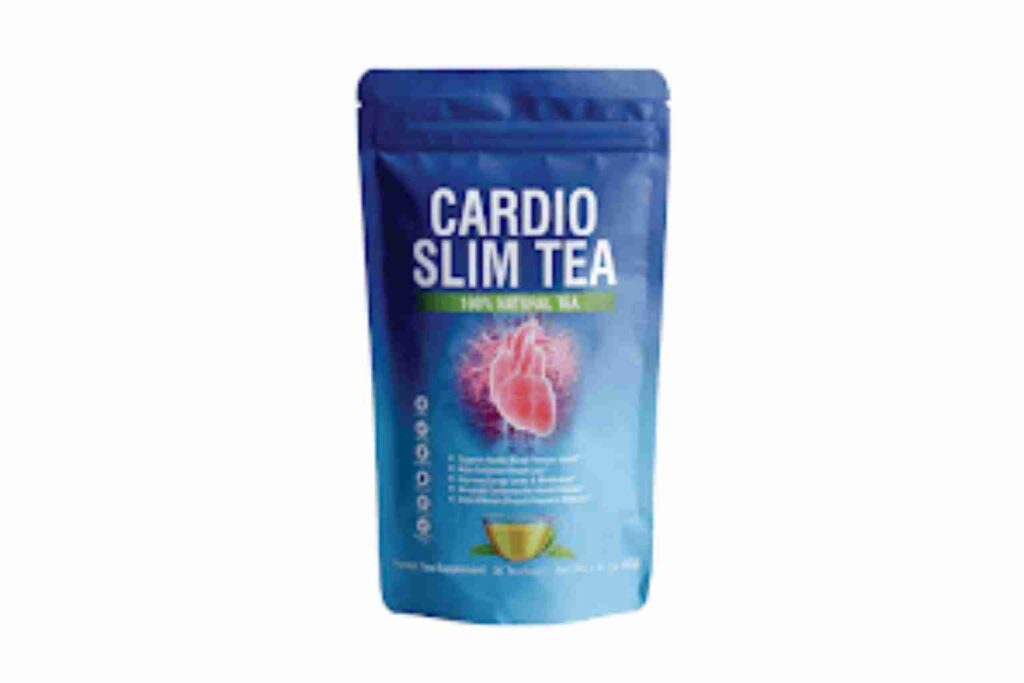
The product is produced in the United States in an FDA-registered facility following Good Manufacturing Practice standards. It is 100% natural, non-GMO, soy-free, and dairy-free, with each batch undergoing third-party purity and potency testing before reaching consumers.
What sets Cardio Slim Tea apart from the crowded field of cardiovascular and weight support teas is its central premise: that a little-discussed compound called homocysteine may be at the root of many of the cardiovascular and metabolic challenges people experience as they age — and that addressing it directly changes what’s possible for their health.
The Problem It Was Designed to Solve: Homocysteine and Your Heart
Most people have never heard of homocysteine — and that gap in awareness is part of the problem.
Homocysteine is an amino acid produced naturally by the body as a byproduct of protein metabolism. In balanced amounts, it causes no harm. But when it accumulates — due to dietary patterns, genetic predisposition, or specific nutritional gaps — elevated homocysteine levels can damage the inner lining of blood vessels, impair circulation, and create the kind of low-grade cardiovascular stress that compounds quietly over years.
Research published in peer-reviewed cardiovascular journals has consistently linked chronically elevated homocysteine to increased arterial stress, reduced vascular flexibility, and a higher burden of abdominal fat accumulation. For many people in their 40s, 50s, and 60s who are doing everything reasonably right but still struggling with blood pressure and weight, homocysteine may be the piece of the puzzle they’ve never been told to address.
Cardio Slim Tea targets this mechanism directly — through a combination of ingredients that support the body’s natural process of regulating and clearing excess homocysteine, while simultaneously promoting circulation, reducing inflammation, and supporting metabolic function.
A Daily Ritual, Not a Quick Fix
There’s a reason the format here is tea and not capsules. Drinking tea is one of the most consistently maintained daily habits humans have. Making it part of your morning — or spacing cups across the day — is behaviorally far easier to sustain than adding another pill to a supplement stack.
That consistency matters, because the benefits of this formula are cumulative. The botanicals work at a cellular and vascular level, and those changes build gradually over weeks of daily use. For anyone who has struggled to maintain supplement routines in the past, the tea format is a genuine practical advantage — and probably an underrated part of why this product works for the people it works for.
How Does Cardio Slim Tea Work?
Understanding the mechanism behind this formula helps set the right expectations — and also explains why 15 ingredients are necessary rather than just two or three.
The formula operates through three interconnected pathways that address cardiovascular and metabolic health simultaneously, rather than isolating one variable and ignoring the others.
Targeting Homocysteine: The Root Cause Angle
At the center of the Cardio Slim Tea formula is a biochemical process called methylation — the cycle your body uses to convert excess homocysteine into harmless byproducts that can be safely cleared from circulation.
When methylation runs efficiently, homocysteine stays in a healthy range, arterial walls remain flexible, and the cardiovascular system operates under less oxidative stress. When methylation slows — which tends to happen gradually with age and certain nutritional gaps — homocysteine accumulates, and the downstream effects compound over time.
TMG (trimethylglycine) is one of the most studied natural compounds for supporting methylation and reducing circulating homocysteine. Several clinical trials have demonstrated that TMG produces measurable reductions in homocysteine levels, particularly in individuals whose levels are already elevated. By supporting this pathway, the formula addresses a root physiological driver rather than managing surface symptoms.
Supporting Blood Flow and Circulation Naturally
Healthy blood pressure isn’t simply about relaxing blood vessels in isolation — it’s about maintaining a circulatory system that functions efficiently end to end: flexible arteries, adequate nitric oxide production, and smooth blood flow from the heart to every peripheral tissue.
Nitric oxide is often described as the key signaling molecule of cardiovascular health. It’s a naturally produced compound that prompts the smooth muscle in blood vessel walls to relax and widen — a process called vasodilation. When nitric oxide production is adequate, blood flows more freely, the heart works less hard, and tissues receive better oxygen delivery.
Beetroot powder is one of the richest natural sources of dietary nitrates available — compounds the body converts into nitric oxide through a process involving the gut microbiome. Combined with hawthorn berries and hibiscus flowers, both of which have well-documented effects on circulatory function, the vascular support in this blend is layered across multiple mechanisms rather than dependent on any single ingredient.
Metabolism, Fat Burning, and the Weight Connection
The cardiovascular and metabolic systems are more tightly interconnected than most people realize. When circulation improves and systemic inflammation decreases, the body’s ability to regulate energy, process nutrients efficiently, and mobilize stored fat improves alongside those changes.
Decaffeinated green tea and oolong tea contribute thermogenic support — gently increasing the rate at which the body burns calories through their polyphenol content, particularly catechins like EGCG. These compounds have been studied in multiple clinical contexts for their effects on fat oxidation and resting metabolic rate, and their presence in this blend adds a metabolic dimension that complements rather than competes with the cardiovascular focus.
The result is a formula that doesn’t separate heart health and weight management into two different problems requiring two different products — it addresses them as the interconnected challenges they actually are.
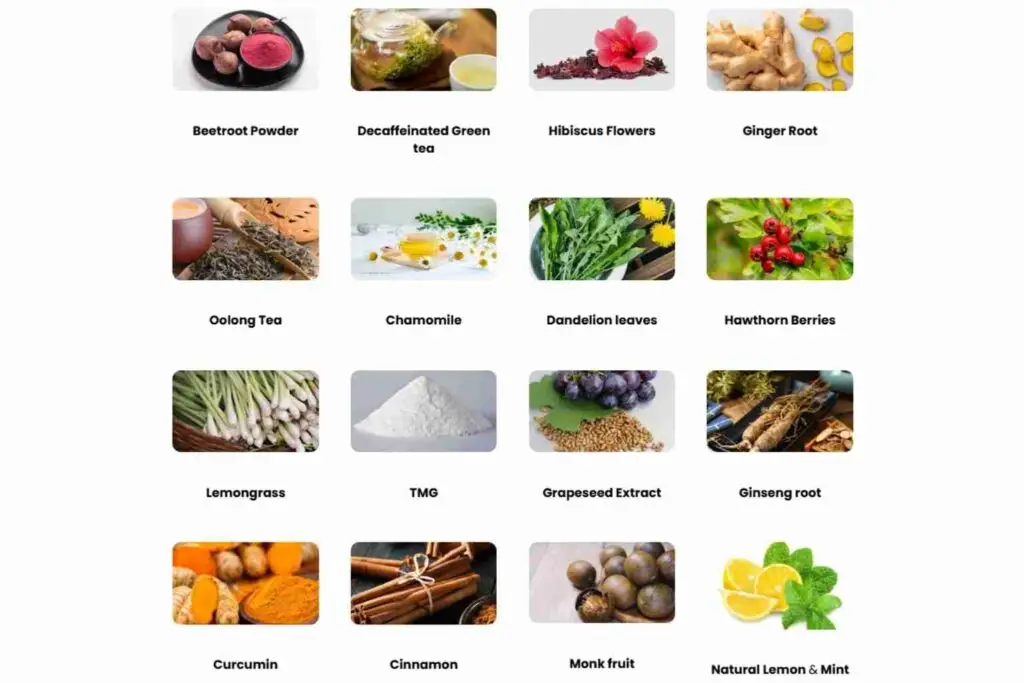
Cardio Slim Tea Ingredients: A Closer Look at All 15 Botanicals
Most herbal tea blends on the market read like a random collection of popular names thrown together for label appeal. Cardio Slim Tea is built differently. Each of the 15 ingredients here has a defined function within the formula’s overall architecture — and understanding what each one does is the most reliable way to evaluate whether this product is likely to work for you.
Beetroot Powder: The Nitric Oxide Powerhouse That Cardiovascular Scientists Got Excited About
If there’s one ingredient in this formula that has crossed over from traditional wellness into mainstream cardiovascular research, it’s beetroot powder. The mechanism is genuinely fascinating: beets are one of the richest natural sources of dietary nitrates on Earth, and when you consume them, bacteria in your saliva convert those nitrates into nitrites, which your body then transforms into nitric oxide — a molecule that prompts the smooth muscle lining your blood vessels to relax and widen. The result is lower vascular resistance, improved blood flow, and reduced pressure on the heart.
What made researchers take notice was the speed and consistency of this effect. A landmark 2013 study published in the Journal of Nutrition documented meaningful reductions in systolic blood pressure in healthy adults after regular beetroot consumption — an effect that showed up within hours and sustained with ongoing use. Beyond blood pressure, the same nitric oxide pathway supports stamina, peripheral circulation, and the delivery of oxygen and nutrients to tissues throughout the body. Athletes figured this out years ago, which is why beet-based formulas became a staple in endurance sports nutrition.
In the context of Cardio Slim Tea, beetroot powder establishes the circulatory foundation. Every cup contributes dietary nitrates that feed the nitric oxide pathway, creating the kind of vascular environment where the other cardiovascular ingredients can do their work most effectively.
Decaffeinated Green Tea: Centuries of Use, Decades of Research, Zero Jitters
Green tea is one of the most studied plants in nutritional science — and the research behind it is both broader and deeper than most people realize. Its primary active compound, EGCG (epigallocatechin gallate), is a catechin with antioxidant activity that has been linked to fat oxidation, metabolic rate support, vascular protection, and long-term cellular health across hundreds of peer-reviewed studies.
What makes the version in this formula particularly smart is the removal of caffeine. Most green tea supplements and wellness teas rely partly on caffeine to deliver their metabolic effects — but caffeine creates tolerance over time, disrupts sleep in sensitive individuals, and makes drinking 3–4 cups daily impractical for a large portion of the target audience. By choosing the decaffeinated form, the formula preserves the entire catechin profile while making high-volume, long-term daily consumption genuinely viable. The antioxidant and metabolic benefits of EGCG are cumulative — they build with consistent exposure — so removing the barrier to drinking multiple cups per day is a meaningful formulation decision.
There’s also a circulatory angle that often gets overlooked: EGCG has been studied for its effects on endothelial function — the health of the inner lining of blood vessels. A well-functioning endothelium is central to maintaining flexible, responsive arteries, which directly influences blood pressure over time.
Hibiscus Flowers: The Most Clinically Validated Plant in This Formula for Blood Pressure
Hibiscus deserves direct, confident treatment here, because the evidence behind it is among the strongest of any botanical used for cardiovascular support. Hibiscus sabdariffa — the specific variety used in heart health research — contains two primary anthocyanins, delphinidin-3-sambubioside and cyanidin-3-sambubioside, that have been shown to inhibit ACE (angiotensin-converting enzyme), the same enzyme targeted by a major class of blood pressure medications. In other words, hibiscus works on a mechanism that pharmaceutical medicine considers important enough to base entire drug categories around.
A randomized, double-blind, placebo-controlled clinical trial published in the Journal of Nutrition studied 65 pre- and mildly hypertensive adults over six weeks and found that those drinking hibiscus tea daily experienced meaningful reductions in systolic blood pressure compared to the placebo group. A separate pilot study published in PMC found even more substantial average reductions — 23.1 mmHg systolic and 12 mmHg diastolic — in participants using hibiscus decoction. A 2022 systematic review and meta-analysis in Nutrition Reviews brought together data from 17 randomized trials and confirmed the pattern: hibiscus consistently moves blood pressure in the right direction.
Beyond blood pressure, hibiscus also carries natural diuretic properties, supporting the kidneys in releasing excess fluid that contributes to bloating, cardiovascular fluid load, and that general feeling of physical heaviness that many people experience. And its deep crimson color? That comes from the same anthocyanin compounds responsible for its vascular effects — one of those rare cases where what makes something beautiful is also what makes it work.
Ginger Root: The Anti-Inflammatory Spice With a Serious Cardiovascular Resume
Ginger root has been used medicinally for over 2,500 years across India, China, and the ancient Mediterranean world — but its relevance to modern cardiovascular research is more grounded in biochemistry than tradition. Its primary active compounds, gingerols and shogaols, act on multiple inflammatory pathways simultaneously, including the COX and LOX pathways that produce the prostaglandins and leukotrienes driving chronic vascular inflammation.
Why does inflammation matter so much for blood pressure and heart health? Because chronic low-grade inflammation in the arterial walls is one of the primary mechanisms through which blood vessels lose their elasticity over time. Stiff, inflamed arteries generate more resistance to blood flow — which the heart compensates for by pushing harder, raising pressure in the process. Ginger’s anti-inflammatory action addresses this upstream driver rather than just the downstream number.
Several smaller human trials have also examined ginger’s direct effects on systolic blood pressure, with promising early results. Additionally, ginger is well-established as a digestive support agent — it stimulates gastric motility, reduces bloating, and calms the kind of digestive discomfort that often accompanies high-herbal-load tea blends, making the full Cardio Slim Tea formula easier on the stomach for daily consumption.
Oolong Tea: The Middle-Path Tea That Does More Than Most People Expect
Oolong occupies a fascinating botanical position. Partially oxidized during processing — more than green tea, less than black — it retains catechins similar to green tea while also developing theaflavins found in black tea. This gives it a polyphenol profile that’s distinct from either extreme, with documented benefits that span metabolism, cardiovascular function, and gut health.
On the metabolic side, research published in The American Journal of Clinical Nutrition and examined in a Journal of Medical Investigation study found that oolong consumption increased energy expenditure and fat oxidation compared to water — an effect attributed to its catechin and caffeine combination. In a formula using decaffeinated green tea as the primary tea base, oolong contributes an additional metabolic layer with its own unique polyphenol composition rather than duplicating what’s already present.
For cardiovascular health, oolong’s polyphenols have been shown to activate an enzyme that breaks down triglycerides — a type of fat that, when elevated, contributes to arterial wall thickening. Research also links regular tea consumption (oolong included) to reduced LDL cholesterol and improved blood pressure markers in population studies. And there’s a gut microbiome angle emerging in the research literature: oolong polyphenols appear to support the growth of beneficial gut bacteria, which increasingly appears connected to cardiovascular and metabolic health through the gut-heart axis. On top of all that, oolong produces one of the most complex and satisfying flavor profiles of any tea on earth — a practical benefit that makes the daily ritual of 3–4 cups genuinely enjoyable rather than medicinal.
Chamomile: The Relaxation Flower With a Cardiovascular Story Most People Haven’t Heard
Most people associate chamomile with sleep and stress relief — and those associations are accurate. But chamomile’s primary active compound, apigenin, has a cardiovascular research profile that receives far less attention than it deserves.
Apigenin is a flavone that acts as a free-radical scavenger and anti-inflammatory agent through NF-κB pathway inhibition — the same central inflammatory pathway that curcumin targets, though through a different molecular mechanism. A review published in PMC documented apigenin’s cardioprotective effects in animal models, including protection against edema, cell death, and oxidative stress following cardiac events. Research has also linked apigenin to reduced blood pressure through multiple mechanisms, including vasodilation and reduction in the inflammatory signaling that drives vascular tension. Chamomile drinks contain 0.8% to 1.2% apigenin by weight — a meaningful concentration for a compound with this activity profile.
Beyond the molecular mechanisms, there’s a physiological dimension that’s easy to underestimate: chamomile’s anxiolytic effects reduce cortisol, the stress hormone that elevates blood pressure through the sympathetic nervous system. Chronic psychological stress is one of the most persistent and overlooked drivers of cardiovascular strain, and chamomile addresses it through a calming mechanism that directly reduces that adrenergic load on the heart and arteries. In a formula targeting blood pressure, a compound that quiets the stress-to-pressure pathway is anything but secondary.
Dandelion Leaves: The Backyard “Weed” That Nutritional Science Takes Seriously
Dandelion is one of the most nutritionally dense plants in the world — its leaves contain substantial levels of vitamins A, C, and B complex alongside iron, magnesium, zinc, potassium, calcium, and manganese. The irony of treating it as a garden pest is not lost on nutritional researchers, who have been studying its therapeutic properties with increasing rigor.
In the context of cardiovascular health, dandelion leaf’s most relevant property is its natural diuretic action. A 2009 human study documented dandelion’s effectiveness as a diuretic, increasing both urinary frequency and volume — an effect that supports the kidneys in clearing excess fluid that contributes to bloating, water weight, and the elevated fluid volume that strains the cardiovascular system. This diuretic effect works through a different mechanism than pharmaceutical diuretics and without the potassium depletion associated with some of those medications — the potassium naturally present in dandelion leaves helps maintain electrolyte balance during the process.
Additionally, dandelion polyphenols have demonstrated anti-inflammatory activity in cell studies, and animal research has linked dandelion root extract to liver protection and reduced hepatic fat accumulation. For a formula that combines circulatory, metabolic, and inflammatory support, dandelion contributes a fluid-regulatory and nutritional dimension that supports the whole system rather than a single pathway.
Hawthorn Berries: The Cardiac Herb That European Medicine Has Used for Generations
Hawthorn — Crataegus species — has one of the most established reputations in traditional cardiovascular medicine, with documented use in European herbalism stretching back hundreds of years and serious clinical attention from modern researchers. The berries are rich in two primary classes of active compounds: flavonoids (including hyperoside and quercetin) and oligomeric proanthocyanidins (OPCs), both of which have been extensively studied for their cardiovascular effects.
What distinguishes hawthorn from most cardiovascular botanicals is the breadth of its documented actions. Double-blind clinical trials have shown hawthorn extracts to be effective at lowering blood pressure and improving cardiac function. Research published in Pharmacological Reviews identifies the OPCs in hawthorn as powerful antioxidants that strengthen blood vessel walls by reinforcing the collagen matrix — an action that may offer protection against atherosclerotic plaque development over time. Studies also indicate that hawthorn flavonoids enhance nitric oxide production in the endothelium, contributing to vasodilation and improved coronary blood flow.
The Cochrane Database of Systematic Reviews has examined hawthorn in the context of cardiac support and found evidence of benefit in exercise tolerance and symptom management. A study of 80 participants with stable angina found that combining hawthorn supplementation with aerobic exercise was an effective complementary strategy for cardiovascular risk reduction. In Cardio Slim Tea, hawthorn addresses cardiac function specifically — not just peripheral blood pressure — providing support from the heart outward rather than from the vessels inward.
Lemongrass: The Tropical Herb That Cardiovascular Researchers Are Starting to Pay Attention To
Lemongrass (Cymbopogon citratus) is widely known for its role in Southeast Asian cuisine and aromatherapy, but its cardiovascular research profile is considerably more substantive than its culinary reputation suggests. Its primary active compound, citral, drives most of its pharmacological activity — and a 2022 comprehensive review published in PMC dedicated entirely to lemongrass’s anti-hypertensive potential found that both lemongrass extracts and essential oils have demonstrated consistent blood pressure-lowering effects in animal and human models.
The mechanism operates through three converging pathways: vasodilation through endothelial nitric oxide and prostanoid secretion, calcium channel blockade in vascular smooth muscle (the same mechanism targeted by a major class of blood pressure medications), and diuretic activity that reduces fluid volume and cardiovascular load. A 2011 human study found that men who drank lemongrass tea experienced a moderate drop in systolic blood pressure and significantly lower heart rate compared to those drinking green tea — a direct head-to-head comparison that’s rare in herbal research.
On top of the cardiovascular effects, lemongrass has well-documented anxiolytic properties — it reduces behavioral anxiety markers in animal models comparably to pharmacological anxiolytic agents, likely through centrally mediated effects on the parasympathetic nervous system. In the context of stress-driven blood pressure elevation, lemongrass contributes both a direct vascular mechanism and an indirect stress-reduction pathway, making it a genuinely multi-functional addition to this formula.
TMG (Trimethylglycine): The Ingredient That Makes Cardio Slim Tea Different From Every Other Tea on the Market
If one ingredient separates Cardio Slim Tea from a standard herbal wellness blend, it’s TMG — trimethylglycine, also known as betaine. This compound doesn’t have the centuries of traditional use that most of the other botanicals in this formula carry. Instead, its inclusion is driven entirely by modern biochemistry — and the science behind it is what gives the product its central positioning around homocysteine.
TMG is a naturally occurring compound derived from beets, where it functions as an osmolyte — a molecule that regulates cellular water balance under stress. In human metabolism, its role is more specific: it functions as a methyl donor, transferring methyl groups to homocysteine and converting it into methionine, a harmless amino acid the body can use productively. This process — called remethylation — is one of the primary ways the body keeps circulating homocysteine from reaching the levels at which it begins damaging arterial walls and contributing to cardiovascular strain.
Multiple randomized controlled trials have demonstrated that betaine supplementation produces measurable, statistically significant reductions in plasma homocysteine — particularly in individuals whose levels are already elevated. A study published in the American Journal of Clinical Nutrition confirmed significant homocysteine reductions with betaine versus placebo. For anyone taking Cardio Slim Tea specifically because they’ve heard about homocysteine and cardiovascular risk, TMG is the compound doing the most direct mechanistic work on that front.
Grapeseed Extract: Antioxidant Science’s Best-Kept Secret for Vascular Health
Grapeseed extract contains oligomeric proanthocyanidins — the same class of compounds found in hawthorn berries, but derived from a different source with a slightly different compositional profile. What makes these particular OPCs interesting is a quality that sets them apart from most other antioxidants: they’re water-soluble and can cross the blood-brain barrier, which means their antioxidant and vascular protective effects extend into the central circulation in ways that fat-soluble antioxidants cannot match.
In terms of vascular action, grapeseed OPCs protect endothelial cells from oxidative damage, reduce inflammation in arterial tissue, and support the structural integrity of blood vessel walls. Research has also linked them to reduced platelet aggregation — the clumping of blood platelets that contributes to the formation of arterial blockages — and to measurable improvements in circulation. A study examining grapeseed proanthocyanidin extract found significant improvements in cognitive performance alongside reduced oxidative stress markers in the hippocampus, which illustrates just how far the vascular protective effects of this compound extend.
For a formula targeting both cardiovascular and metabolic health, grapeseed extract provides an antioxidant defense layer that works at the vascular wall itself — protecting the very structures that blood pressure, circulation, and arterial health depend on.
Ginseng Root: The Adaptogen That Bridges Energy, Stress, and Cardiovascular Resilience
Ginseng root — specifically Panax ginseng — has one of the longest and best-documented histories in herbal medicine, used continuously in traditional Chinese and Korean medicine for over 2,000 years as a tonic for vitality, resilience, and systemic balance. Modern research has spent decades trying to understand why it works, and the answer turns out to involve a class of compounds called ginsenosides that interact with multiple physiological systems simultaneously.
In the context of energy and fatigue, ginsenosides have been studied for their ability to support mitochondrial function — the cellular machinery that generates energy — and to modulate the HPA (hypothalamic-pituitary-adrenal) axis, the system responsible for managing the body’s response to physical and psychological stress. For someone managing cardiovascular challenges alongside the fatigue that often accompanies them, ginseng’s adaptogenic action helps the body maintain energy output and stress resilience without the stimulant mechanisms of caffeine.
Ginseng also shows up in cardiovascular research for more direct effects: studies have linked it to improved blood vessel elasticity, modest blood pressure support, and beneficial effects on blood sugar regulation — a metabolic dimension that matters because glucose instability compounds cardiovascular risk over time. In Cardio Slim Tea, ginseng bridges the energy and cardiovascular dimensions of the formula, addressing the fatigue that often accompanies cardiovascular strain without adding any stimulant burden.
Curcumin (Turmeric): The Gold Standard of Natural Anti-Inflammatory Research
Curcumin is the primary active compound in turmeric, the golden spice that has been central to Ayurvedic medicine for millennia and now occupies one of the most robust research literatures of any natural compound in nutritional science. The volume of human clinical trials examining curcumin’s effects — across inflammation, cardiovascular health, metabolic function, and cellular protection — is extraordinary for a plant-derived compound.
For cardiovascular health specifically, curcumin’s most important action is its inhibition of NF-κB — a central regulatory protein in the inflammatory cascade. When NF-κB is chronically activated (as it tends to be in people under sustained physical or metabolic stress), it produces a stream of pro-inflammatory cytokines that damage arterial walls, reduce endothelial responsiveness, and contribute directly to the vascular stiffness that drives elevated blood pressure over time. A 2019 meta-analysis published in Critical Reviews in Food Science and Nutrition examined curcumin across multiple randomized controlled trials and found consistent, significant improvements in fasting blood glucose, insulin levels, and HOMA-IR — the gold standard measurement of insulin resistance — alongside reductions in inflammatory markers.
One note worth making: curcumin in powder form is notoriously difficult for the body to absorb in isolation, which is one reason why turmeric in food provides limited pharmacological activity. The liquid format of a tea blend facilitates dissolution and absorption in ways that raw powder cannot, and the presence of other compounds in the formula — including piperine-like compounds from ginger — may further enhance bioavailability through synergistic action.
Cinnamon: The Kitchen Staple With Clinical Research That Surprised Even Its Skeptics
Cinnamon is one of those ingredients that gets dismissed as a trendy wellness addition — until you actually look at the clinical trial literature, at which point the dismissal becomes difficult to maintain. A 2013 meta-analysis published in the Annals of Family Medicine reviewed ten randomized controlled trials examining cinnamon and blood glucose, finding an average reduction in fasting blood glucose of 24.59 mg/dL — a clinically meaningful magnitude — alongside improvements in total cholesterol and LDL levels.
The mechanism is increasingly well understood. Cinnamaldehyde — the compound responsible for cinnamon’s distinctive aroma — activates proteins involved in insulin receptor function at the cellular level, essentially helping the cellular machinery respond more efficiently to the insulin signal. Additionally, certain cinnamon polyphenols slow carbohydrate digestion in the small intestine, blunting the speed and magnitude of post-meal glucose spikes before they reach their peak.
Why does blood sugar stabilization matter in a cardiovascular formula? Because blood glucose fluctuations create oxidative and inflammatory stress that compounds cardiovascular risk over time — and the brain’s dependence on stable glucose means that glycemic instability directly produces the mental fatigue and afternoon energy crashes that often accompany cardiovascular challenges. Cinnamon’s glucose-stabilizing action addresses a metabolic dimension of cardiovascular health that most heart-focused formulas completely ignore.
Monk Fruit: The Ancient Sweetener That Completes the Formula Without Compromising It
Monk fruit (Siraitia grosvenorii) has been used in traditional Chinese medicine for centuries, where it was valued both as a medicinal herb and as a natural sweetening agent. Its sweetening compounds — mogrosides, particularly mogroside V — are 150 to 200 times sweeter than sucrose but carry zero glycemic impact, meaning they don’t raise blood sugar or trigger an insulin response.
In a formula targeting blood pressure and cardiovascular health, the choice of sweetener matters more than it might seem. Sugar raises blood glucose, promotes inflammation, and — when consumed daily in multiple servings — contributes to the very metabolic dysfunction the formula is designed to help address. Artificial sweeteners solve the calorie problem but introduce their own concerns around gut microbiome disruption and long-term metabolic signaling. Monk fruit resolves both issues: it makes the tea genuinely pleasant to drink without any of the metabolic compromises.
Beyond taste, emerging research suggests mogrosides may carry their own antioxidant and anti-inflammatory activity — though the evidence base here is early-stage and primarily preclinical. What is established is that monk fruit allows Cardio Slim Tea to be consumed daily, multiple times per day, by people managing blood sugar and cardiovascular health, without any concern about the sweetener working against the formula’s goals.
Natural Lemon and Mint: More Than Flavor — A Functional Finishing Layer
Lemon and mint are the aromatic finishing layer of this formula, and while their inclusion primarily enhances the daily experience of drinking the tea, both carry meaningful bioactive properties of their own.
Lemon — or more precisely, lemon’s flavonoid compounds including hesperidin and eriocitrin — has been studied for antioxidant activity and vascular protective effects. The citrus polyphenol hesperidin has documented effects on microvascular function, and population studies consistently link citrus consumption to reduced cardiovascular risk. Natural lemon adds a brightness and acidity that balance the earthy, floral base of the formula while contributing to its overall antioxidant load.
Peppermint contains menthol and rosmarinic acid, both of which carry anti-inflammatory and antispasmodic properties. In the context of this formula, mint contributes a calming, digestive dimension — reducing any gastric irritation that concentrated herbal blends can sometimes produce — while enhancing the sensory experience of the daily ritual in a way that makes consistency considerably easier to maintain. A formula you genuinely enjoy drinking is one you actually drink every day, and the lemon-mint finishing notes are a deliberate part of what makes that consistency achievable.
What Are the Real Benefits of Drinking Cardio Slim Tea Daily?
With 15 ingredients targeting different aspects of cardiovascular and metabolic health, the benefits extend across several areas of daily experience. Here is what consistent use is designed to support — and how those benefits tend to manifest in practice.
Healthier Blood Pressure Levels — Without Prescription Side Effects
For many people who reach for Cardio Slim Tea, this is the primary goal. The combination of hibiscus, beetroot powder, hawthorn, and TMG creates a multi-mechanism approach: relaxing blood vessels through nitric oxide, reducing homocysteine-related arterial stress, and supporting healthy cardiac function simultaneously.

The effects build gradually over weeks of daily use — this is not a medication and should not be approached with pharmaceutical expectations. However, users who maintain consistent consumption over 6–10 weeks consistently report more stable readings and a general sense of less cardiovascular tension. For anyone managing blood pressure naturally, that gradual but real shift is precisely what they are looking for.
Reduced Bloating and a Lighter, Less Inflamed Feeling
One of the benefits that catches many users off-guard is how early the bloating and fluid retention relief appears. Hibiscus and dandelion leaf both carry well-documented diuretic properties, supporting the release of excess fluid that the body holds around the abdomen and lower extremities — fluid that contributes not only to physical discomfort but to the cardiovascular burden of unnecessary volume load.

Combined with ginger’s digestive support and curcumin’s anti-inflammatory activity, the result is often a noticeably lighter, less congested physical feeling that many users report within the first one to two weeks. That early signal tends to be one of the strongest motivators to continue.
More Consistent Energy — the Clean Kind
The energy support in this formula operates on fundamentally different principles than caffeinated products. Rather than stimulating the nervous system directly, the blend improves the underlying conditions for sustained energy: better circulation means better oxygen and nutrient delivery to every tissue; lower systemic inflammation means the body is spending less metabolic energy on ongoing repair; ginseng’s adaptogenic properties help the body modulate physical and mental fatigue across the full day.

What users describe most consistently is not a surge or a jolt — it’s an absence of the familiar afternoon crash, a sense of more sustained mental and physical availability throughout the day without the anxiety or restlessness that caffeine often carries. That kind of stable, clean energy is harder to produce and considerably more valuable long-term.
Gradual, Sustainable Weight Support Around the Midsection
Cardio Slim Tea approaches weight management from the inside out. Rather than forcing fat loss through stimulants or appetite suppression, it creates the metabolic and circulatory conditions where the body naturally becomes more efficient at burning stored fat — particularly the stubborn visceral fat around the midsection that cardiovascular stress tends to accumulate.What it supports is the metabolic and inflammatory environment that makes healthy weight management more physiologically achievable over time.
Improved circulation, reduced fluid retention, better blood sugar stability through cinnamon, and the gentle thermogenic activity of green tea and oolong create conditions where the body is better positioned to release stored fat — particularly the visceral fat around the midsection that is closely associated with cardiovascular risk. Many users who commit to 60–90 days of consistent daily use report noticeable changes in abdominal circumference and overall physical heaviness alongside the cardiovascular improvements.
What Real Users Are Saying: Cardio Slim Tea Customer Reviews
Beyond the ingredient science, the real-world experience of people using this product consistently is one of the most meaningful filters for evaluating whether it delivers on its promise.
Carol, 58, retired nurse: “My blood pressure had been creeping up for two years and my doctor was starting the medication conversation. I wanted to try something natural first. After six weeks of drinking Cardio Slim Tea every morning, my numbers came down noticeably — not to perfect, but enough that my doctor agreed we could hold off for now. I’ve also lost about eight pounds without making dramatic changes to my eating. I can’t attribute all of that to the tea alone, but I genuinely believe it played a real role.”
Robert, 63, logistics manager: “I’ve tried a lot of herbal teas over the years and most of them taste like lawn clippings and do nothing. This one actually tastes good. More importantly, my energy in the afternoons is genuinely different — the bloating I used to have by mid-morning is largely gone and my blood pressure has been more stable. I’m on my third month and have no intention of stopping.”
Linda, 49, teacher: “The first thing I noticed was the bloating. Within about ten days, that heavy, uncomfortable feeling after meals was significantly reduced. Over the following month I lost about five pounds and my blood pressure readings became more consistent. The taste is actually pleasant — I look forward to it now.”
James, 71: “My cardiologist mentioned that lifestyle additions could complement my existing approach. Three months in, I feel lighter, my energy is meaningfully better, and my follow-up appointment showed improvements I genuinely wasn’t expecting. Progress is gradual, but it’s real — and that’s all I was looking for.”
The pattern across user feedback is consistent: the earliest improvements appear in bloating relief and energy within the first two weeks, followed by more significant cardiovascular and weight-related changes over 4–8 weeks of uninterrupted daily use.
Pros and Cons of Cardio Slim Tea
What works in its favor:
- Targets homocysteine — a root cardiovascular mechanism that most competing products ignore
- 15 synergistic botanicals addressing circulation, metabolism, inflammation, and stress simultaneously
- Completely caffeine-free and stimulant-free — safe for daily multiple-cup use
- 100% natural, non-GMO, soy-free, dairy-free
- Produced in an FDA-registered, GMP-certified US facility with third-party batch testing
- Tea format supports long-term behavioral consistency better than capsule routines
- 60-day money-back guarantee removes the financial barrier to trying it
Practical considerations to be aware of:
- Available exclusively through the official website — not in physical retail or other online channels
- Results build progressively — most users begin noticing meaningful changes between weeks two and four of consistent daily use
Is Cardio Slim Tea Right for You? Who Should (and Shouldn’t) Try It
Cardio Slim Tea was designed with a specific person in mind — and knowing whether that person is you makes the decision considerably easier.
This is likely a strong match if you’re between 35 and 65 and dealing with blood pressure that runs higher than you’d like, persistent belly weight that seems unresponsive to normal efforts, or a combination of low energy and cardiovascular heaviness you want to address naturally. It’s particularly well-suited for people who have already made reasonable lifestyle adjustments — cleaner eating, more movement — but are looking for additional physiological support to move the needle further.
The tea format also makes this product especially appropriate for anyone who has struggled with supplement compliance in the past. The daily ritual is genuinely easier to maintain than most capsule protocols, and consistency is the dominant variable in how well herbal formulas work over time.
You may want to check with your healthcare provider first if you take prescription medication for blood pressure or cardiovascular conditions — not because this formula is unsafe, but because combining natural circulatory support with pharmaceutical antihypertensives is worth monitoring individually. Similarly, pregnant or breastfeeding individuals should consult a physician before starting any new herbal formula.
How to Use Cardio Slim Tea for Best Results
Getting the most from Cardio Slim Tea comes down to consistency and a few straightforward practices.
- Steep one tea bag in 8 oz of hot (not boiling) water for 5 minutes.
- Drink your first cup in the morning, ideally 20 minutes before breakfast — this allows the TMG and beetroot compounds to begin working before your first meal.
- Distribute 3–4 cups throughout the day: morning, mid-morning, early afternoon, and early evening work well for most people.
- Stay well hydrated alongside your tea — the diuretic botanicals in the formula work most effectively when overall hydration is adequate.
- Commit to at least 60 days before evaluating your results — the most common reason people don’t see results with herbal formulas is stopping before the cumulative effects have time to develop.
Pair Cardio Slim Tea with basic health habits — reasonable dietary choices, daily movement, adequate sleep — and the compounding effects will be meaningfully greater than the formula delivers in isolation.
Is Cardio Slim Tea Safe? Side Effects and Precautions
For most healthy adults, the safety profile here is strong. The ingredients are natural, well-studied individually, and free from synthetic stimulants, artificial additives, and habit-forming compounds. The manufacturing standards — FDA-registered facility, GMP certification, third-party batch testing — mean what’s on the label reflects what’s in the cup.
A small number of users report mild digestive adjustment during the first few days of starting the formula. This is common when introducing any new concentrated herbal blend, and starting with one or two cups daily before building to the full recommended amount tends to eliminate this initial period.
If you’re currently taking prescription medication of any kind, a quick conversation with your doctor before adding any new daily supplement is always a sensible step — not because the ingredients in Cardio Slim Tea are unsafe, but because any responsible approach to your health includes keeping your healthcare provider informed..
This product is a natural daily support formula designed to complement a healthy lifestyle — for most people, it does that job both safely and effectively.
Cardio Slim Tea vs. Other Herbal Teas for Heart Health and Weight Loss
The natural tea category for cardiovascular and weight support has grown considerably in recent years, which makes understanding what actually differentiates Cardio Slim Tea more important than ever.
Most herbal teas for heart health rely on one or two primary botanicals — typically hibiscus alone, a basic green tea, or a generic “detox” blend that includes aggressive laxative compounds like senna. These products address one surface symptom without any underlying physiological strategy connecting their ingredients.
Cardio Slim Tea approaches the problem differently. Its 15-ingredient formula is structured around a specific root mechanism — homocysteine regulation through methylation support — and layers cardiovascular, metabolic, anti-inflammatory, and stress-response botanicals over that foundation. The result is a product that treats the full system rather than one isolated variable.
The caffeine-free formulation is also a meaningful practical differentiator. Most herbal teas marketed for metabolism or heart health rely on caffeine as their primary active mechanism — which delivers short-term effects but creates tolerance, disrupts sleep, and limits daily consumption volume. By choosing decaffeinated botanicals and building metabolic support through polyphenols and adaptogens instead, this formula makes the 3–4 daily cups that maximize phytonutrient delivery fully sustainable long-term.
For anyone searching for the best tea for heart health and weight loss as a single daily commitment — a herbal tea that lowers blood pressure and supports weight management through a coherent formula rather than a random assortment of popular herbs — Cardio Slim Tea represents a more intentionally designed option than most of what this category currently offers.
Price, Bundles, and the 60-Day Money-Back Guarantee
Cardio Slim Tea is available in multiple bundle options through the official website, with pricing structured to reward longer commitments — which makes practical sense given the formula’s cumulative benefits over weeks of consistent use.

The single-supply option works for anyone wanting to try the product before committing further. Multi-supply bundles offer progressively better per-unit pricing, with free US shipping included on the largest package.
The 60-day money-back guarantee deserves specific attention. It means you have two full months to use the product consistently, observe your experience, and make a genuinely informed decision about continuing — with a complete refund available if you’re not satisfied, no complicated process required. For a formula that works over weeks rather than days, 60 days is actually meaningful evaluation time.
To verify current pricing, bundle options, and any active promotions, check the official Cardio Slim Tea website directly — pricing and offers are updated periodically.
Before moving on: if what you’ve read so far aligns with what you’ve been looking for, Cardio Slim Tea is only available through the official website. Every order is protected by the 60-day guarantee, and purchasing directly is the only way to ensure product authenticity and full refund eligibility.

Where to Buy Cardio Slim Tea — and Why the Official Website Matters
Cardio Slim Tea is sold exclusively through the official website. You will not find it in pharmacies, supplement retailers, or any online marketplace — and this exclusivity matters for reasons beyond simple availability.
When health products are distributed through unauthorized third-party channels, there is no way to guarantee formula authenticity, proper storage conditions, or product integrity. Counterfeit wellness products are a growing and genuine problem in the natural health space, and purchasing from any source other than the official channel means losing the manufacturer’s quality assurance.
More practically: the 60-day money-back guarantee is only valid for purchases made directly through the official website. Buying from any other source eliminates that protection entirely — which is a significant financial risk for a product you’re committing to use consistently for 2–3 months.
Purchasing through the official channel also ensures you receive current bundle pricing, any active promotional offers, and direct access to customer support for questions about your order or experience.
My Honest Assessment: Is Cardio Slim Tea Worth It?
After working through every ingredient, the research behind each one, and a substantial body of real user feedback, this is where this Cardio Slim Tea review lands.
Cardio Slim Tea is a well-structured, scientifically grounded herbal formula. No honest Cardio Slim Tea review would describe it as a miracle product — and this one won’t. But it is also considerably more than a generic wellness tea. The decision to center the formula on homocysteine regulation as a root mechanism is both medically interesting and strategically differentiated: it gives the product a coherent physiological rationale that most competitors in this space simply do not have.
The ingredient quality is real. The manufacturing standards are verifiable. The user feedback is consistent across a broad range of individual circumstances. And the 60-day guarantee means the financial risk of trying it is effectively zero.
For anyone in their 40s, 50s, or 60s navigating blood pressure concerns, stubborn abdominal weight, and the kind of low energy that feels like it’s just “part of getting older” — and who wants a natural, sustainable daily practice to genuinely support improvement — Cardio Slim Tea earns serious consideration. The commitment required is real: 3–4 cups per day, consistently, over months. For those willing to make that commitment, the formula provides the body with meaningful tools to work with.
Frequently Asked Questions About Cardio Slim Tea
Does Cardio Slim Tea really work?
Based on the research behind its core ingredients and the consistency of user-reported results, yes — Cardio Slim Tea delivers meaningful support for cardiovascular health, blood pressure, and natural weight management with regular use. Results vary by individual and depend heavily on daily consistency. The mechanism is sound, the evidence for the key ingredients is real, and realistic expectations involve gradual improvement rather than overnight change.
How long does it take to see results?
Most users notice initial changes within the first 1–2 weeks — typically reduced bloating and improved daily energy. More meaningful shifts in blood pressure stability and weight tend to appear between weeks 4 and 8. The manufacturer recommends committing to at least 60–90 days for the most complete experience, which aligns with how herbal formulas work at a vascular and cellular level.
Is Cardio Slim Tea safe for daily use?
For most healthy adults, yes. The formula uses natural botanicals, is free from synthetic stimulants and artificial additives, and is produced in an FDA-registered, GMP-certified facility with third-party batch testing. A brief digestive adjustment in the first few days is possible. Anyone with pre-existing health conditions or taking prescription medication should consult a healthcare provider before starting.
Can I take Cardio Slim Tea if I’m on blood pressure medication?
Speak with your physician first. The botanical ingredients in this formula — particularly hibiscus and beetroot — have demonstrated blood pressure-supporting effects in clinical research. Combining them with pharmaceutical antihypertensives without medical guidance may warrant monitoring and possible dosage adjustment. This is a reasonable precaution, not an indication that the product is unsafe.
Is Cardio Slim Tea caffeine-free?
Yes. The formula uses decaffeinated green tea rather than standard green tea, and none of the remaining 14 ingredients are stimulants. The energy benefits come from improved circulation, adaptogenic support from ginseng, and reduced systemic inflammation — not caffeine.
Is Cardio Slim Tea a scam or a legitimate product?
Cardio Slim Tea is a legitimate product. It is produced in a verifiable FDA-registered, GMP-certified facility in the United States, uses a transparent natural ingredient list, carries a 60-day money-back guarantee, and has consistent real-world user feedback. The formula’s central mechanism is grounded in published nutritional research, and the product makes no impossible claims.
How many cups should I drink per day?
The recommended protocol is 3–4 cups per day. Distributing them across the day — morning, mid-morning, early afternoon, and early evening — ensures consistent phytonutrient delivery and maximizes the cumulative cardiovascular and metabolic benefits of the formula.
Does Cardio Slim Tea help with belly fat specifically?
It supports the metabolic and inflammatory conditions that make visceral fat reduction more achievable — through improved circulation, better blood sugar stability from cinnamon, gentle thermogenic activity from green tea and oolong, and fluid release from dandelion and hibiscus. It is not a targeted fat burner. However, consistent daily use alongside reasonable dietary habits has produced noticeable abdominal changes for many users over 8–12 weeks.
Where is Cardio Slim Tea manufactured?
In the United States, in an FDA-registered facility following GMP (Good Manufacturing Practice) standards. Each batch undergoes third-party testing for purity, potency, and safety before reaching consumers.
What if it doesn’t work for me?
Every purchase through the official website is protected by a 60-day money-back guarantee. If you use the product consistently for up to two months and are not satisfied with your experience, the company’s customer support will process a full refund with no complicated requirements.
Final Verdict: Should You Try Cardio Slim Tea?
We started with a familiar frustration: managing blood pressure and weight at the same time, doing the right things, and still feeling like the body is working against you. That frustration is real — and it deserves a real answer rather than another overpromised supplement that delivers nothing measurable.
Cardio Slim Tea earns genuine consideration because it approaches this problem differently. Instead of masking symptoms with stimulants or banking everything on a single trendy botanical, it builds a comprehensive formula around a coherent physiological mechanism — one that the majority of people managing these challenges have never been told to address.
The ingredients are real. The science is honest. The user results are consistent. And the 60-day guarantee means the only thing at stake in trying it is two months of a daily tea habit.
If you’re ready to give a genuinely well-designed natural formula a real trial, visit the official Cardio Slim Tea website, review the current bundle options, and start your risk-free trial today.

Disclaimer: This article is for informational and educational purposes only and does not constitute medical advice. Results vary by individual. The information presented here is based on publicly available research and is not intended to diagnose, treat, cure, or prevent any condition. Pregnant or breastfeeding individuals, people taking prescription medications, and those with diagnosed health conditions should consult a qualified healthcare provider before starting any new supplement. These statements have not been evaluated by the Food and Drug Administration.