Quick Answer: A potassium salt substitute replaces some ordinary sodium chloride with potassium chloride. A global modeling study published in November 2026 estimated that widespread use could prevent millions of deaths linked to heart and kidney disease. Those are projections, not deaths already prevented. And potassium-containing salt products are not safe for everyone, particularly people with certain kidney problems or medications that raise blood potassium.
Salt is one of those ingredients that hides in plain sight. There’s the pinch you add while cooking and all the sodium already in bread, sauces and packaged meals. So the idea of swapping the salt in a shaker sounds wonderfully simple. Is it? The answer depends on whose shaker we’re talking about.
Researchers published a global analysis in Nature Health in November 2026. They asked what might happen if different groups of people replaced some regular salt with potassium-enriched alternatives, using existing evidence on blood pressure and disease.
What the potassium salt substitute study modeled
The research team used a comparative risk-assessment model. They tested five broad scenarios, including replacing salt used at home, salt added to processed and restaurant food, and salt used by people with diagnosed or treated hypertension. The analysis combined assumptions about population salt use, blood-pressure effects and cardiovascular or kidney disease risk.
Under the most sweeping scenario, replacing regular salt worldwide was projected to prevent about 2.96 million deaths and 10.17 million new cases of cardiovascular or chronic kidney disease each year. The estimate comes with uncertainty ranges, and it depends heavily on adoption, baseline diet and the model’s assumptions. A computer model is not a worldwide trial in which millions of people actually switched products.
Why potassium might help
Ordinary table salt supplies sodium. Too much sodium can raise blood pressure in many people. Potassium-enriched salt generally contains less sodium and more potassium, a mineral involved in normal nerve, muscle and fluid regulation. Both changes may contribute to better blood-pressure outcomes in suitable populations. But that biological rationale doesn’t tell you which product or dose is right for you.
One useful finding was that changing salt used in home cooking could account for a substantial portion of the projected population benefit. That does not mean household salt is the only source worth considering. Packaged and restaurant foods also contribute significant sodium for many people.
The safety issue a headline can miss
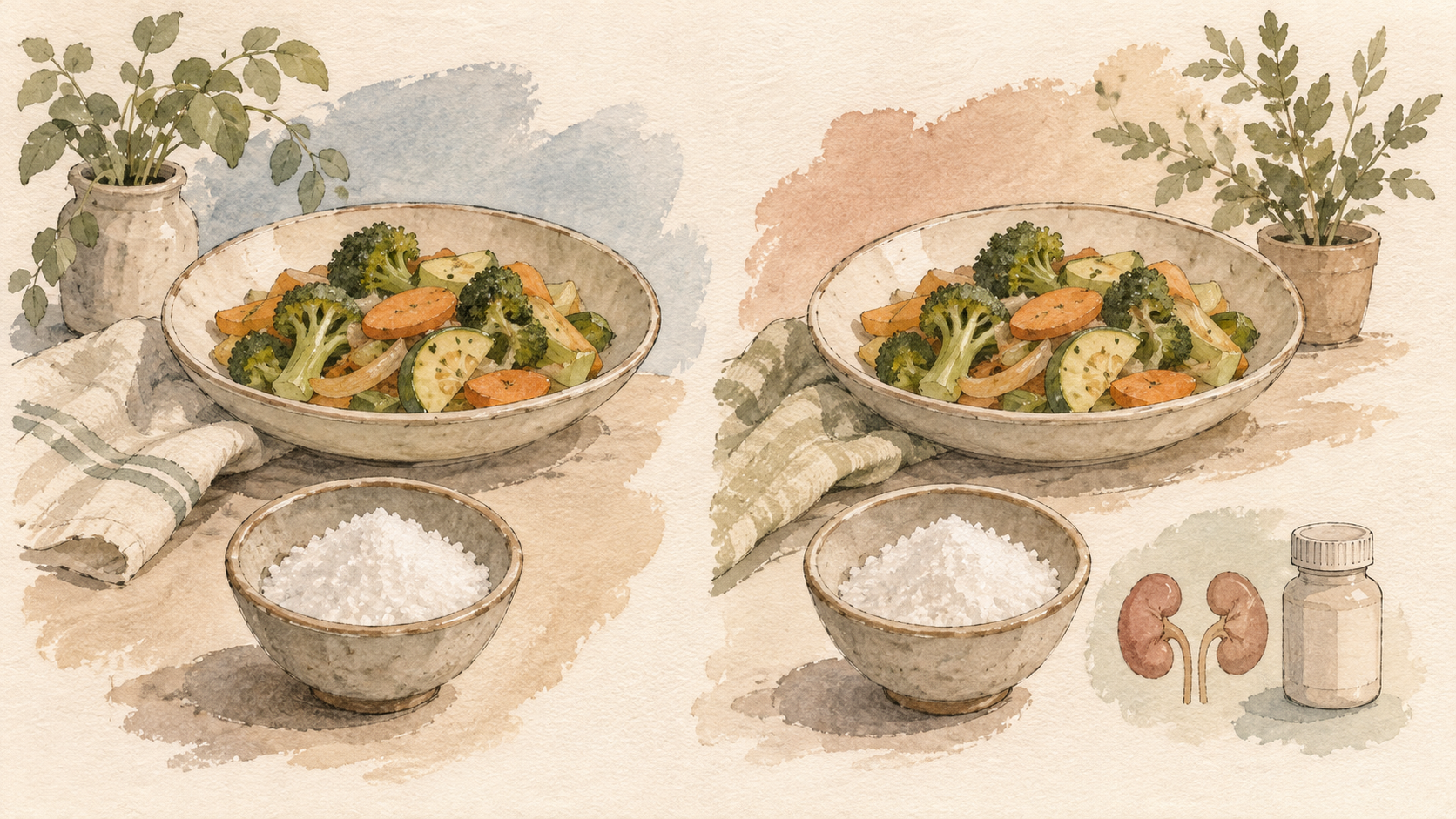
Your kidneys help regulate potassium. When kidney function is impaired, or when certain medicines affect potassium handling, extra potassium can accumulate in the blood. This is called hyperkalemia. It may be serious even if someone feels well. In the modeling paper, people with advanced kidney disease were specifically considered because the benefits and risks don’t point in the same direction for everyone.
Some blood-pressure and heart-failure medications, including ACE inhibitors, ARBs and potassium-sparing diuretics, can increase potassium levels. If that applies to you, do not switch to a potassium chloride salt substitute without checking with your healthcare team. For a different look at everyday blood-pressure research, read our handgrip exercise study explainer.
A useful idea, not a shopping instruction
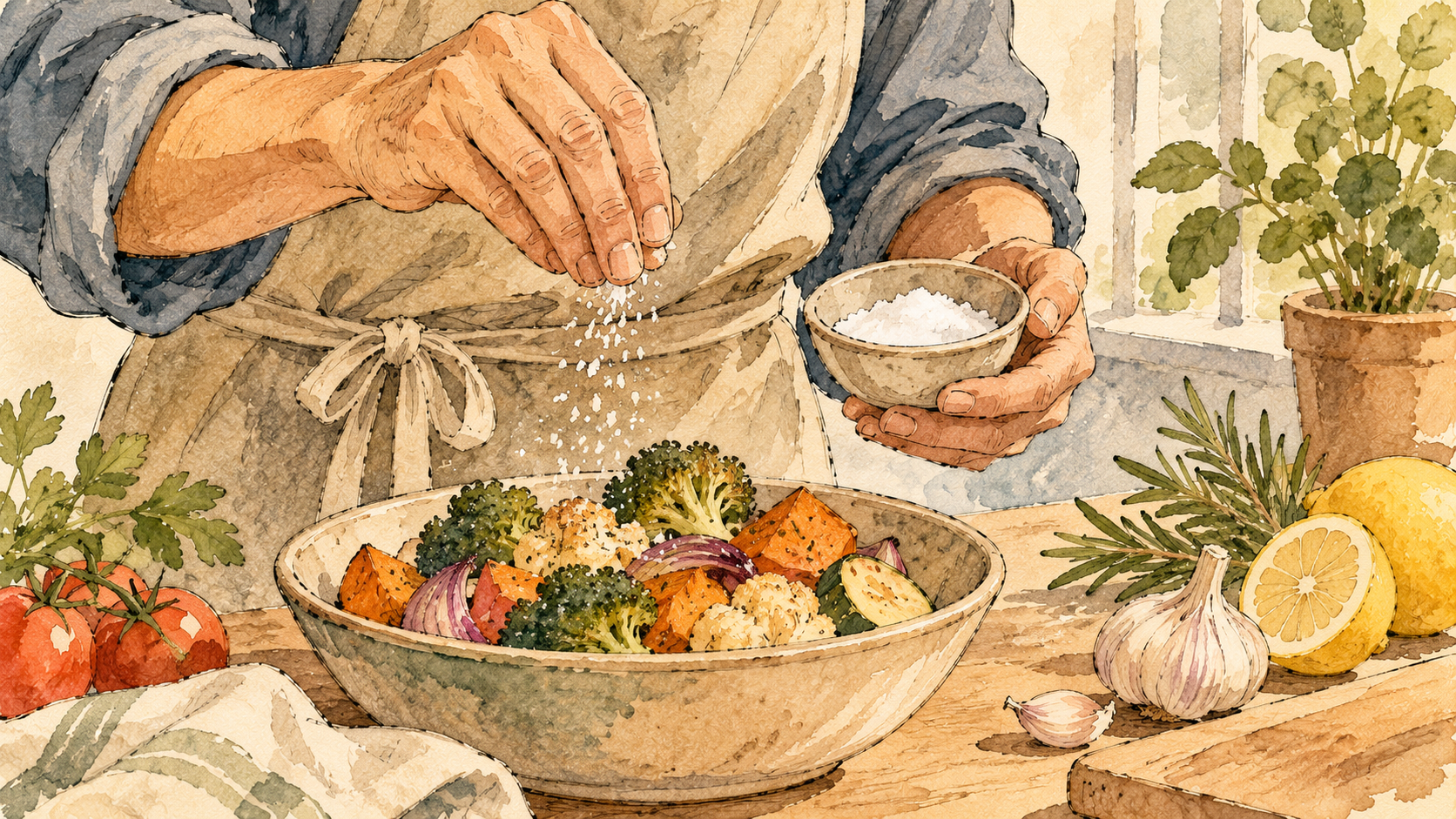
For many people, using fewer highly salted packaged foods and cooking with herbs, spices, citrus and other flavors is a practical place to start. Whether a potassium-based salt replacement belongs in your kitchen is a separate health decision. The global results make a strong case for research and thoughtful public-health policy, not for everyone to buy the same shaker.
Healthy Routine Lab take: The millions in the headline are projected population outcomes. The individual question is simpler and more important: would this change be both useful and safe for you? Kidney function and medications matter.
Sources
Huang L et al. Nature Health (2026), global risk-modeling study.
NIH Office of Dietary Supplements: Potassium and salt substitute safety.
For educational purposes only. Do not change prescribed medication or potassium intake without suitable professional guidance.
See also: Isometric Exercise and Blood Pressure: What a Handgrip Trial Found