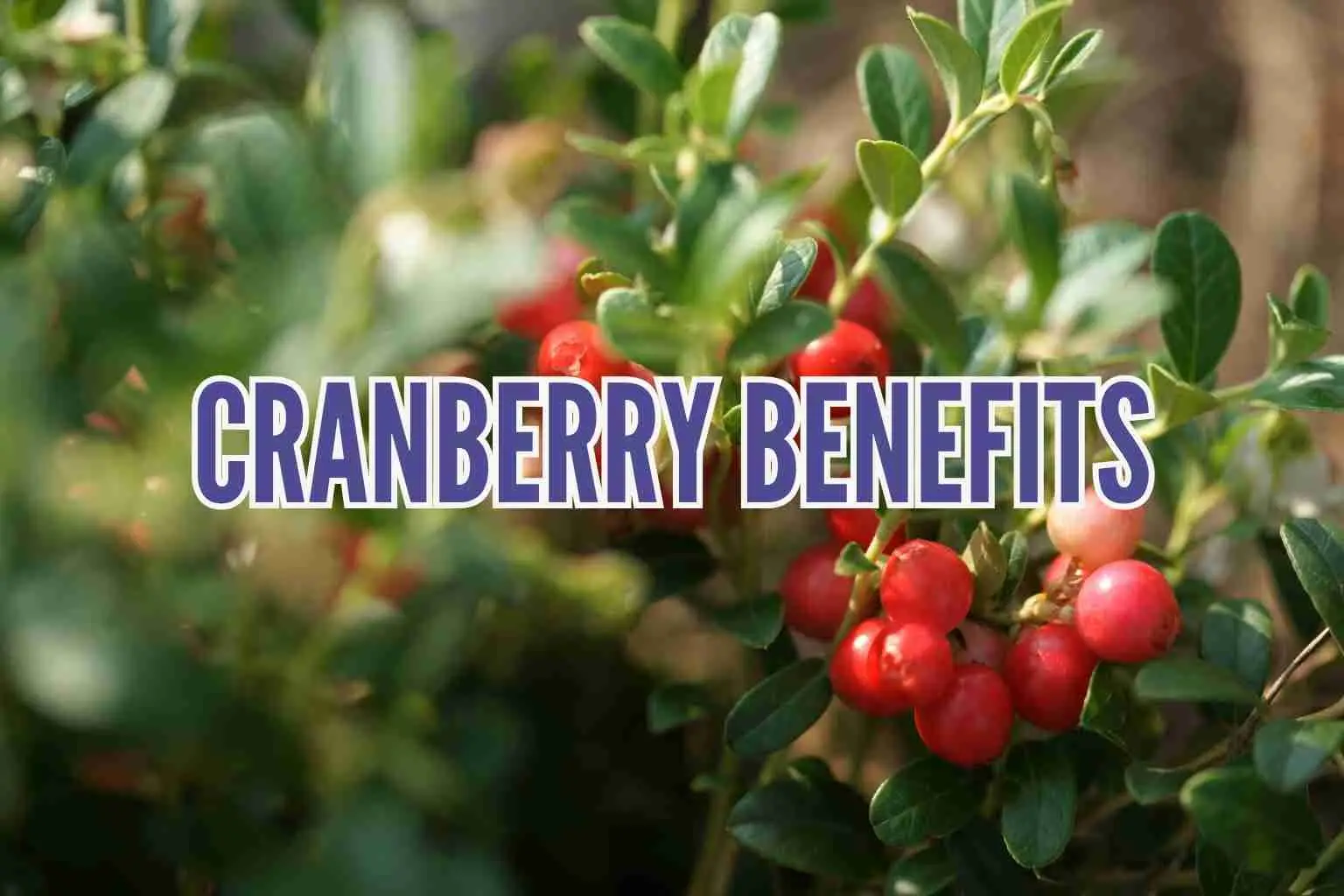
Most people know cranberry benefits through a single lens: the red juice you reach for when a UTI strikes, or the supplement your doctor mentions in passing. That framing captures maybe 20% of what the research actually shows. Cranberry has been studied across urinary health, oral microbiome, cardiovascular function, gut bacteria, blood sugar regulation, and cellular aging — and the science in several of these areas is richer than most supplement content acknowledges. What makes cranberry genuinely unusual is that most of its documented effects trace back to a single class of compounds, which means understanding one mechanism unlocks the logic behind all the others.
This post covers cranberry benefits the way the clinical literature does: starting with the mechanism, moving through each area of research with an honest assessment of where the evidence is strong versus where it is still building, and ending with practical guidance on dosage, timing, and safety. Whether you are evaluating cranberry for UTI prevention, oral health, or general daily wellness, the information here is grounded in published research — not marketing copy.
What Is Cranberry? (Vaccinium macrocarpon Explained)
Cranberry is a small, tart berry native to North America, harvested from low-growing vines across bogs and wetlands from New England to the Great Lakes. Its botanical name, Vaccinium macrocarpon, places it in the same genus as blueberries, bilberries, and lingonberries — a family with a long track record in both traditional medicine and modern nutritional research. When supplement labels or clinical studies reference cranberry, they are almost universally referring to Vaccinium macrocarpon, the American cranberry, rather than the smaller European varieties.
What sets this fruit apart from its botanical relatives is not just flavor or geography. It is chemistry. The specific polyphenol profile of cranberry — particularly its proanthocyanidin content — is unlike any other commonly consumed fruit, and that uniqueness is the foundation of nearly every documented cranberry health benefit.
A-Type Proanthocyanidins: The Compound That Makes Cranberry Unique
Most fruits contain proanthocyanidins — the class of polyphenols responsible for astringency and a portion of the antioxidant activity found in berries, grapes, and cocoa. Cranberry contains them too, but with a critical structural difference.
The proanthocyanidins in grapes, apples, and chocolate are connected by single bonds — a configuration researchers classify as B-type. Cranberry’s proanthocyanidins carry double bonds between their structural units, a configuration called A-type linkage. That distinction, seemingly minor on paper, produces a completely different biological behavior in the body.
A-type PACs have a three-dimensional molecular shape that allows them to bind with type P fimbriae — the hair-like appendages that uropathogenic bacteria, particularly Escherichia coli, use to attach to surfaces. When PACs are present in sufficient concentration, they essentially coat the bacterial fimbriae and block adhesion before it occurs. No adhesion means no colonization. No colonization means no infection develops.
This is not a general antimicrobial effect. Cranberry does not kill bacteria outright. It makes surfaces inhospitable to them — which is precisely why the research on cranberry consistently demonstrates prevention rather than treatment. That distinction matters clinically and practically, and it is the starting point for understanding why cranberry benefits extend well beyond the urinary tract.
Cranberry Extract vs Cranberry Juice: Why the Form Changes Everything
Most people go wrong here. Cranberry juice cocktail — the kind sold in the majority of grocery stores — contains roughly 25–30% actual cranberry juice. More critically, the commercial pasteurization and dilution process degrades a significant portion of PAC content before the product ever reaches the shelf. Published analyses of commercially available cranberry juices have found PAC concentrations low enough that you would need to consume several liters daily to approach the doses used in positive clinical trials.
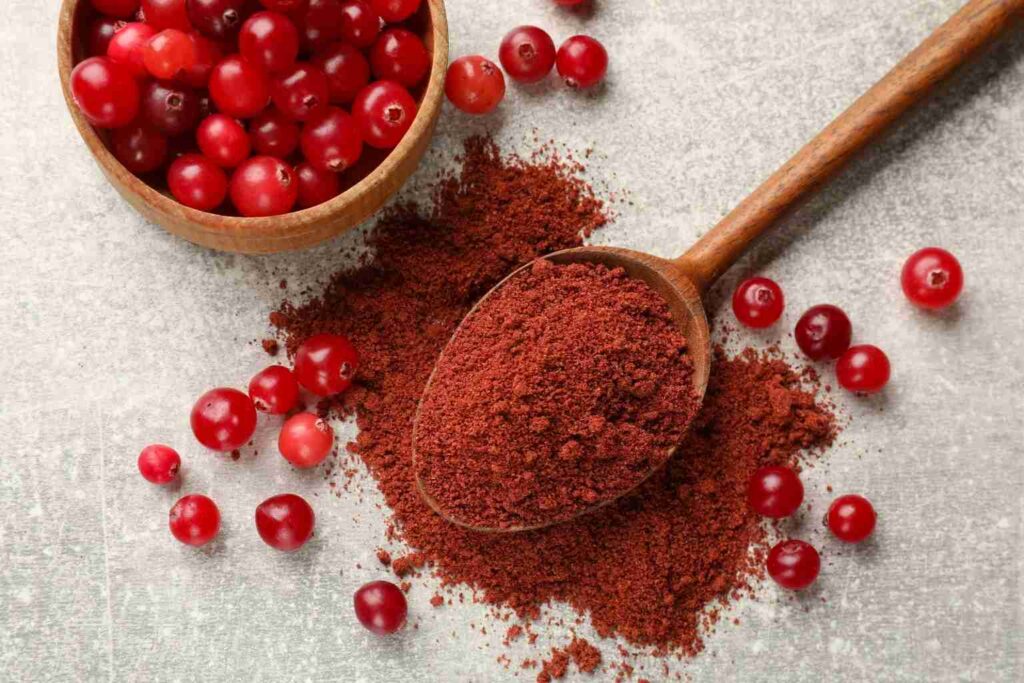
Cranberry extract changes this equation entirely. A standardized extract concentrates the active compounds, delivering a clinically relevant PAC dose in a fraction of the volume. Most trials showing statistically significant cranberry benefits for UTI prevention used either whole cranberry powder — 500mg, as in the 2025 Pacran trial — or standardized extracts dosed to deliver 36mg of PACs daily, which now appears consistently in the scientific literature as the relevant clinical threshold.
The practical implication is direct: if you are evaluating cranberry for health purposes, the form matters as much as the frequency of use.
Natural Food Sources of Cranberry
Fresh and frozen cranberries offer the most complete nutritional profile — fiber, vitamin C, and a broad polyphenol spectrum including anthocyanins, quercetin, and PACs. A 100g serving of fresh cranberries provides approximately 34 calories, 4.6g of fiber, and meaningful vitamin C alongside manganese.
Dried cranberries are the most commonly consumed form in the United States, but carry an important caveat: most commercial varieties add substantial amounts of sugar during processing to offset the fruit’s intense tartness. The added sugar does not eliminate the polyphenols, but it does introduce a glycemic factor worth noting for anyone monitoring blood sugar. Unsweetened or minimally sweetened dried cranberries retain more of the fruit’s original nutritional value.
Cranberry juice delivers variable PAC content depending on dilution and processing. Pure, unsweetened cranberry juice offers more polyphenol activity than cocktail blends but remains significantly less concentrated than extract-based supplements.
Cranberry sauce — particularly whole-berry or homemade versions — retains a portion of the fruit’s polyphenols, though cooking degrades some of the more heat-sensitive compounds.
For those seeking specific cranberry benefits rather than general nutritional variety, standardized supplements offer the most reliable and consistent PAC delivery across all of the above options.
How Does Cranberry Work? The Anti-Adhesion Mechanism Behind Every Benefit
The anti-adhesion mechanism is the thread connecting nearly all of cranberry’s researched health applications. Understanding it properly — rather than accepting the UTI story at face value — reveals why cranberry benefits appear across so many different areas of research.
PAC-mediated anti-adhesion is the primary mechanism. A-type proanthocyanidins physically block bacterial fimbriae from binding to epithelial surfaces. In the urinary tract, this targets uropathogenic E. coli. In the mouth, the same PACs interfere with Streptococcus mutans adhesion to tooth enamel and Porphyromonas gingivalis attachment to gum tissue. The surface changes, the pathogen changes, but the core mechanism is the same.
Antioxidant activity represents the second major pathway. Cranberry contains quercetin, myricetin, and ursolic acid — compounds with documented free radical scavenging activity. This layer contributes to cranberry benefits across cardiovascular tissue, skin health, and cellular aging processes.
Anti-inflammatory signaling provides a third layer. Cranberry polyphenols modulate inflammatory markers including C-reactive protein (CRP) and NF-kB pathway activity, which partially explains the cardiovascular and metabolic research findings.
Gut microbiome modulation is an emerging fourth mechanism. A 2024 study published in NPJ Biofilms and Microbiomes found that cranberry extract increased populations of Bifidobacterium and elevated production of short-chain fatty acids — particularly butyrate, which is essential for gut lining integrity.
Endothelial nitric oxide support rounds out the picture. Certain cranberry polyphenols promote nitric oxide bioavailability in vascular tissue, contributing to the cardiovascular research that has emerged over the past decade.
Together, these five mechanisms explain why the evidence on cranberry benefits is distributed across different health categories. It is not that cranberry is a vague superfood with non-specific effects. Each documented benefit connects to at least one well-defined biological pathway.
Cranberry Benefits: What the Research Shows
The clinical evidence supporting cranberry benefits ranges from robust to preliminary depending on the health outcome. What follows is an honest account of each area — direct where the evidence is strong, appropriately qualified where it is still building.
1. Cranberry for UTI Prevention — The FDA Claim, a 2025 Trial, and What They Actually Mean
The case for cranberry benefits in urinary tract health is the strongest in the entire research body — and it has strengthened considerably in recent years.
In 2020, the FDA issued a qualified health claim allowing certain cranberry dietary supplement products to state that consuming 500mg per day may help reduce the risk of recurrent UTI in healthy women. The qualifier “limited scientific evidence” reflects the FDA’s conservative standard rather than scientific ambiguity — by that point, multiple meta-analyses had already confirmed the trend.
Then came the 2025 trial. A multicenter, randomized, double-blind, placebo-controlled study enrolled 150 women with a history of recurrent UTI and found that 500mg of whole cranberry powder (Pacran) daily for six months significantly reduced culture-confirmed UTI incidence compared to placebo. This is methodologically the most rigorous cranberry trial published to date.
The mechanism behind this benefit is specific: PAC-mediated inhibition of P-fimbriated E. coli adhesion to urothelial cells lining the bladder. Cranberry does not acidify urine to levels that kill bacteria — that is a persistent myth the evidence does not support. It prevents attachment. Attachment prevention is why cranberry benefits in this area are preventive rather than curative. An active UTI requires appropriate medical evaluation. Cranberry is a meaningful tool in the prevention toolkit — not a replacement for treatment once infection is established.
2. Cranberry for Oral Health: The Same Mechanism That Protects Your Bladder Protects Your Teeth
This is the cranberry benefit that most supplement content ignores entirely — and arguably one of the most compelling from a mechanistic standpoint.
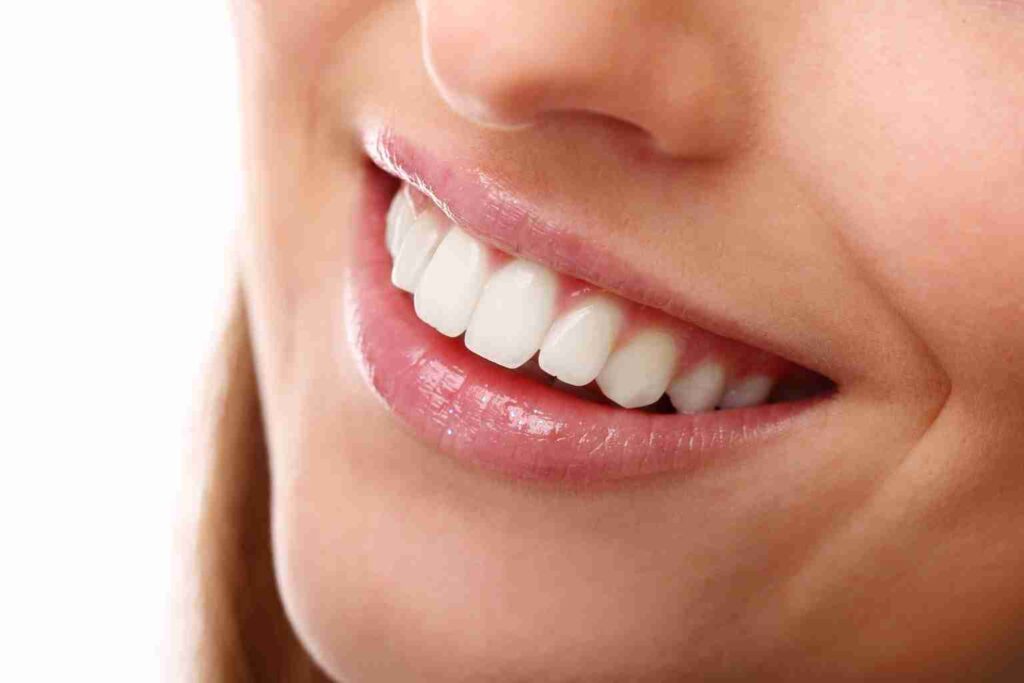
The PAC-mediated anti-adhesion effect that prevents E. coli from colonizing bladder walls operates through the same fundamental principle in the oral cavity. Streptococcus mutans — the primary bacterial driver of dental caries — relies on adhesion to tooth enamel to form the biofilm that leads to decay. Cranberry PACs disrupt this adhesion. Research published in Caries Research found that cranberry extract significantly reduced S. mutans adhesion and biofilm formation, with effects that were concentration-dependent and PAC-specific.
Beyond caries, Porphyromonas gingivalis — a keystone pathogen in periodontal disease — also colonizes through adhesion-mediated mechanisms. Emerging oral microbiome data suggests cranberry polyphenols create an environment less hospitable to this pathogen without the broad-spectrum disruption that antiseptic mouthwashes can produce.
This is a logical extension of the same chemistry driving cranberry’s urinary benefits — applied to a different epithelial surface. It is not a fringe finding. For anyone interested in supporting oral microbiome health specifically, the mechanistic case for cranberry extract as a complementary daily approach is one of the more interesting developments in the cranberry benefits literature.
3. Cranberry for Heart Health: Polyphenols, Cholesterol, and Vascular Function
The cardiovascular research on cranberry benefits is solid in biomarker outcomes, even if the clinical trial landscape is smaller than the UTI area.
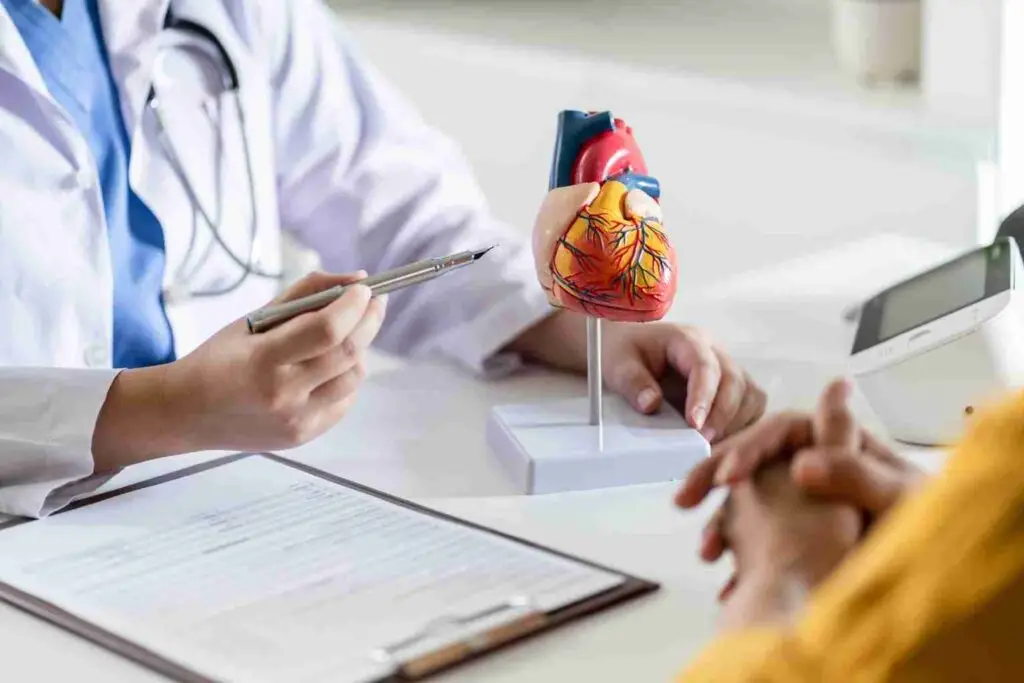
Cranberry consumption has been associated across multiple human studies with improvements in lipid profiles: reductions in LDL oxidation, modest decreases in total LDL cholesterol, and improvements in HDL in some subgroups. The mechanism involves quercetin and anthocyanins reducing the oxidative modification of LDL particles — the process that makes LDL atherogenic in the first place.
Blood pressure data points in a similar direction. Cranberry polyphenols support endothelial function through nitric oxide-related pathways and reduced oxidative stress in vascular tissue. A review published in Food Chemistry synthesized data across multiple human trials and concluded that cranberry consumption produced measurable improvements in endothelial function markers.
The honest framing: cardiovascular cranberry benefits are directionally strong but less definitive than the UTI literature. The evidence supports cranberry as a meaningful polyphenol source for vascular health, particularly for people whose diet is otherwise low in berry-derived antioxidants.
4. Cranberry and Gut Health: What a 2024 Microbiome Study Found
This is the newest significant addition to the cranberry benefits literature.
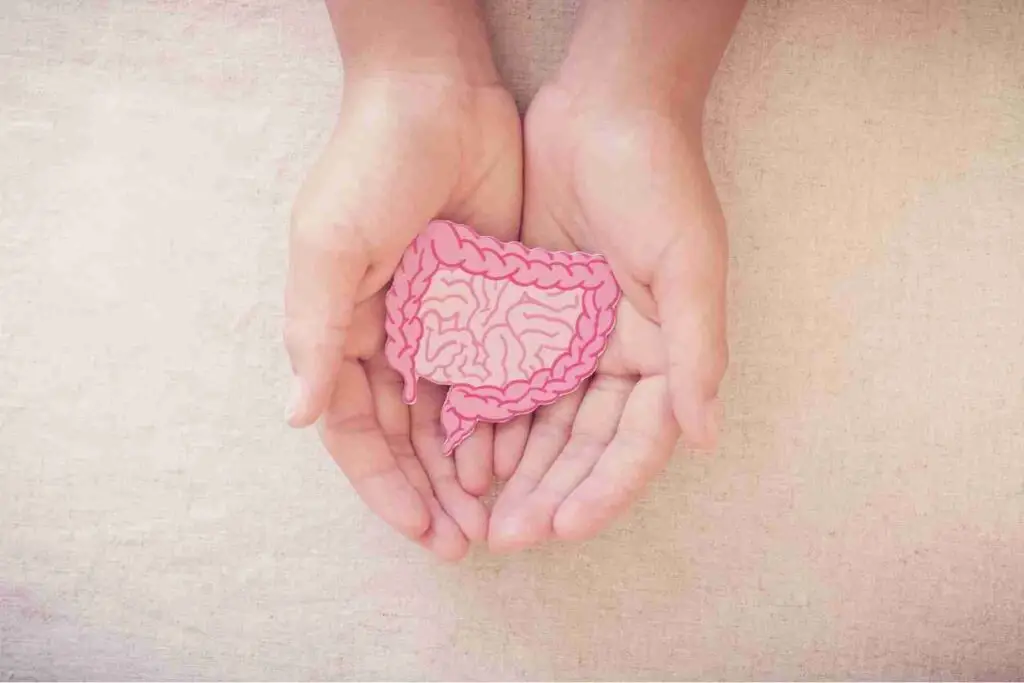
The 2024 study published in NPJ Biofilms and Microbiomes was among the first controlled human trials examining cranberry’s direct effect on gut microbiome composition. The findings documented a statistically significant increase in Bifidobacterium populations — beneficial bacteria associated with gut barrier integrity, immune modulation, and digestive comfort — alongside elevated production of short-chain fatty acids (SCFAs), particularly butyrate.
Butyrate matters specifically here. It is the primary energy source for colonocytes — the cells lining the colon — and its production is one of the most consistent markers of a healthy gut microbiome across the clinical literature. The anti-adhesion mechanism contributes here too: by reducing pathogenic bacterial adhesion to gut epithelium, cranberry PACs may help shift the competitive balance toward beneficial species.
This area of research is still early-stage. Translation from microbiome biomarker improvements to clinical outcomes in gut conditions requires further study. The mechanistic logic is sound; the initial data is compelling.
5. Cranberry and Blood Sugar: What the Berry Research Suggests
Cranberry’s position in the blood sugar conversation is more nuanced than its better-established benefits — and that nuance deserves clear framing.
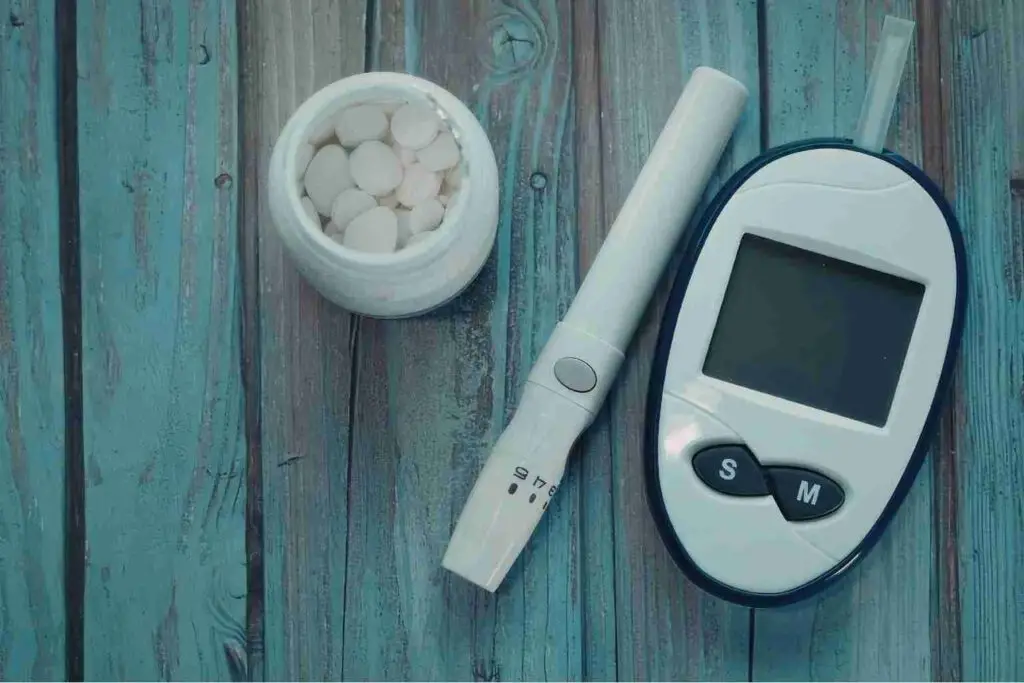
Anthocyanins — present in significant quantities in cranberry — have been associated across multiple berry studies with improved insulin sensitivity and reduced postprandial glucose response. Proposed mechanisms include inhibition of alpha-glucosidase and alpha-amylase, enzymes involved in carbohydrate digestion, and effects on GLUT4 transporter activity in skeletal muscle. Quercetin, another major cranberry polyphenol, has independently shown blood-sugar-modulating properties in cell and animal models.
The honest assessment: the blood sugar evidence for cranberry specifically is more preliminary than for other polyphenol-rich berries studied in this context. The mechanisms are plausible and directionally supported, but the randomized trial evidence specific to cranberry — as opposed to berry polyphenols generally — remains limited. Anyone managing diagnosed diabetes or prediabetes should not treat cranberry as a primary metabolic intervention.
6. Cranberry for Skin and Cellular Aging: The Antioxidant Case
Cranberry is one of the richer dietary sources of antioxidant polyphenols per serving. Vitamin C contributes meaningfully to daily intake, and the combination of vitamin C with flavonoids — quercetin, myricetin, and proanthocyanidins — creates a multi-pathway antioxidant profile relevant to cellular aging.

Free radical accumulation in skin tissue contributes to visible aging: loss of elasticity, uneven tone, reduced collagen integrity. Vitamin C is a well-established cofactor in collagen synthesis. The flavonoid content adds direct free radical scavenging activity and supports vascular health in the microvasculature supplying skin tissue.
The candid qualifier: cranberry benefits for skin and anti-aging are extrapolated largely from mechanistic and in vitro research. There are no large-scale randomized trials on cranberry supplementation and skin aging outcomes in humans specifically. The case is biologically plausible and consistent with what is established about polyphenol-rich diets and skin health generally — it does not carry the same level of evidence as the UTI data.
Cranberry vs D-Mannose for UTI: Two Different Mechanisms, One Common Goal
This comparison appears constantly in search results and almost never gets the answer it deserves.
Both cranberry and D-mannose have clinical evidence supporting UTI prevention. They work through different targets. Cranberry PACs block type P fimbriae — the adhesion structures used by uropathogenic E. coli strains responsible for roughly 85% of uncomplicated UTIs. D-mannose, a simple sugar, competes with bladder wall mannose receptors for type 1 fimbriae binding — a different adhesion mechanism employed by some of the same bacterial strains.
Because the two mechanisms are distinct and complementary, they are not interchangeable — they are additive. Some practitioners now recommend both for women with recurrent UTIs, particularly when cranberry supplementation alone has not produced adequate prevention. Neither constitutes a treatment for active infection. Both require consistent daily use to maintain the protective effect.
The choice between them — or the decision to combine them — depends on individual response, cost, and whether the UTI history suggests a dominant bacterial adhesion pattern.
Who Benefits Most from Cranberry?
The research profile of cranberry benefits is not equally relevant for everyone. Certain populations stand to gain the most from consistent supplementation.
Women with recurrent UTIs are the clearest beneficiaries — this is where the evidence is strongest, where the FDA health claim applies, and where the 2025 clinical trial data is most directly actionable. For women experiencing two or more UTIs annually, cranberry supplementation is one of the few evidence-based non-antibiotic preventive options available.
Adults focused on oral microbiome health — particularly those dealing with recurring gum sensitivity, persistent bad breath, or cavities despite consistent hygiene — may find the PAC-mediated oral health evidence directly relevant. The mechanism is the same as the urinary benefit; the application is different.
Adults over 40 with cardiovascular risk factors — blood pressure in the higher-normal range, modest lipid elevations, or family history of cardiovascular disease — represent a population where cranberry’s polyphenol contribution to vascular health is most meaningful. Not as a primary cardiovascular intervention, but as a consistent dietary addition with documented biomarker support.
Adults interested in gut microbiome maintenance — particularly following antibiotic use, periods of poor dietary diversity, or digestive discomfort — may benefit from cranberry’s emerging evidence for Bifidobacterium promotion and butyrate support.
Older adults broadly face a convergence of these conditions: higher UTI susceptibility, increasing cardiovascular risk, oral health changes, and age-related decline in gut microbiome diversity. The multi-system profile of cranberry benefits makes it an unusually broad-spectrum choice for this demographic from a single daily supplement.
Cranberry in Modern Supplements
Provadent — An Oral Probiotic That Understands What Cranberry Actually Does
Most oral care supplements are built around the same familiar names — peppermint, xylitol, calcium. Provadent took a different approach by pairing cranberry extract with four clinically studied oral probiotic strains, creating a formula that addresses the oral microbiome from two complementary directions simultaneously.
The cranberry extract in Provadent contributes PAC-mediated inhibition of bacterial adhesion to dental and gum surfaces — reducing the foothold that cariogenic and periodontal pathogens need to colonize effectively. The probiotic strains, including Lactobacillus reuteri and Lactobacillus paracasei, add a competitive colonization layer that actively displaces pathogenic species while supporting the beneficial bacterial environment that conventional hygiene products cannot reach.
This combination reflects the emerging understanding of oral health as a microbiome challenge rather than purely a mechanical cleaning challenge. The PACs reduce pathogen adhesion; the probiotics fill the resulting space with beneficial strains; the xylitol and BioFresh™ complex address freshness and mineral support. For anyone whose interest in cranberry benefits extends to oral health specifically, Provadent represents a formula built around the mechanism rather than around label appeal.
Read the full Provadent review here.

How Long Does Cranberry Take to Work for UTI and Other Benefits?
Timelines differ substantially across the different areas where cranberry benefits have been documented — and setting realistic expectations is part of using any supplement well.
For UTI prevention, there is no immediate effect. The PAC-mediated anti-adhesion protection develops as consistent daily concentrations build in the urinary tract. Most clinical trials showing significant results ran for a minimum of six to twelve weeks. The protective effect is cumulative — it reduces the likelihood of new infections developing rather than acting on infection already in progress.
For oral health, the timeline is somewhat shorter. Cranberry extract in chewable or dissolving form makes direct contact with oral surfaces, where anti-adhesion effects on the oral biofilm can begin influencing bacterial dynamics within weeks of consistent use. Measurable improvements in oral comfort and breath freshness from microbiome-targeted oral supplements are typically reported within two to four weeks.
For gut microbiome changes, the 2024 study documented significant Bifidobacterium increases over a four-week period of daily cranberry supplementation, with butyrate production improvements on a similar timeline.
For cardiovascular biomarkers, human trial data generally reflects outcomes over eight to twelve weeks of consistent polyphenol intake. This is consistent with dietary polyphenol research more broadly — the effects accumulate rather than emerge acutely.
The consistent pattern across all of cranberry’s benefits: it is a daily maintenance ingredient. Consistency is the single factor most reliably associated with outcomes in the published literature.
Cranberry Dosage, Timing, and Safety
Cranberry Supplement Dosage: How Much Do You Actually Need?
The most important dosage variable is not the total cranberry weight on the label — it is the PAC content.
The current scientific consensus, referenced in the FDA’s qualified health claim framework and supported by the clinical trial literature, identifies 36mg of PACs per day as the threshold associated with meaningful UTI prevention benefit. The 2025 Pacran trial used 500mg of whole cranberry fruit powder delivering a consistent PAC dose within this range.
Well-formulated cranberry supplements list their PAC content explicitly. Products listing only “cranberry extract” without PAC quantification offer no reliable way to assess clinical relevance — and this gap is common enough in the supplement market to be worth checking before purchasing.
For general antioxidant and polyphenol support beyond UTI prevention, dosage requirements are less precisely defined. Most studies showing cardiovascular and antioxidant cranberry benefits used 500mg to 1,500mg ranges of standardized extract.
Timing is flexible. Most trials used once-daily dosing. Taking it with a meal reduces the mild GI discomfort that concentrated extracts can occasionally cause on an empty stomach.
Cranberry Supplement Side Effects and Long-Term Safety
Cranberry has an excellent safety profile across the published literature. In the general healthy adult population, adverse effects are uncommon and typically limited to mild gastrointestinal discomfort at higher doses.
One consideration for individuals with a personal or family history of kidney stones: cranberry contains relatively elevated oxalate, and high oxalate intake can contribute to calcium oxalate stone formation in susceptible individuals. People with a history of oxalate kidney stones should discuss cranberry supplementation with a physician before starting.
Long-term use at standard doses has not raised safety signals in published research. The 2025 six-month trial reported no significant adverse effects on kidney function, liver enzymes, or metabolic parameters across the treatment group.
Cranberry Interactions and Precautions: What to Know Before Starting
The most clinically significant interaction documented for cranberry involves warfarin and other anticoagulants. Case reports and pharmacokinetic data suggest cranberry may inhibit CYP2C9, the hepatic enzyme responsible for warfarin metabolism, potentially increasing anticoagulant effect and bleeding risk.
The evidence on this interaction is not entirely consistent — some controlled studies have not replicated the effect at standard supplement doses — but the potential consequence is serious enough that anyone taking warfarin or other anticoagulants should consult their prescribing physician before adding cranberry supplementation. Anyone taking other medications metabolized by CYP2C9 should apply the same caution.
Cranberry is generally considered safe during pregnancy at food quantities. High-dose concentrated supplementation has not been adequately studied in pregnancy, and the standard principle of avoiding unnecessary supplementation during this period applies.
Frequently Asked Questions
Can you take cranberry supplements every day?
Daily use is both safe and, for the preventive benefits cranberry is best known for, necessary. The anti-adhesion protection against uropathogenic bacteria is concentration-dependent and requires consistent supplementation to maintain. Most clinical trials showing significant UTI prevention outcomes ran for six months or longer with daily dosing. There is no established evidence of harm from long-term daily use at recommended doses in healthy adults. People with a history of kidney stones should consult a physician before committing to long-term high-dose supplementation.
Does cranberry juice cure UTIs, or does it only prevent them?
Cranberry prevents UTIs — it does not treat them. The mechanism is inhibition of bacterial adhesion to the urothelium, which stops infection from developing in the first place. Once bacteria have already colonized the bladder wall and symptoms are present, cranberry PACs cannot reverse that process. An active UTI requires appropriate medical evaluation and, in most cases, antibiotic treatment. Delaying treatment in favor of cranberry juice carries real risk of the infection ascending to the kidneys.
What is the best time to take cranberry supplements?
No specific time of day has been established as superior in clinical trials. The most important factor is consistency — taking it at the same time each day makes it easier to maintain the daily habit the preventive benefit depends on. Many people find a meal-time dose convenient and easiest on the stomach. If using a probiotic-containing oral supplement with cranberry extract, following the product’s specific instructions — typically morning, allowing the tablet to dissolve in the mouth — is the most relevant guidance.
Can cranberry supplements help with bloating and digestion?
This is an emerging area rather than a firmly established benefit. The 2024 gut microbiome study suggests cranberry supports Bifidobacterium populations and butyrate production — both associated with better digestive comfort in the microbiome literature. Direct evidence for bloating reduction specifically is limited. If digestive support is the primary goal, a formula with more direct gut evidence would be a more targeted choice. Cranberry’s gut benefits are best understood as a secondary benefit rather than the primary reason to supplement.
Is cranberry safe to take during pregnancy?
Cranberry in food quantities — juice, fresh fruit, sauce — is widely consumed during pregnancy without concern. High-dose concentrated cranberry supplements are a different consideration. The evidence base for supplement-level cranberry use during pregnancy is limited, and the general principle of discussing any new supplement with an obstetrician or midwife before starting applies here.
What are the benefits of cranberry for older adults?
Older adults face a convergence of conditions where cranberry benefits are most relevant: higher UTI susceptibility (especially in post-menopausal women), accumulating cardiovascular risk, increased oral health concerns, and age-related decline in gut microbiome diversity. Among commonly available supplements, cranberry’s documented multi-system profile addresses several of these simultaneously — making it an unusually broad-spectrum addition to a daily health routine for this demographic.
Do cranberry supplements interact with blood thinners like warfarin?
This is the one interaction requiring genuine caution. Cranberry may inhibit CYP2C9 — the liver enzyme metabolizing warfarin — potentially increasing anticoagulant levels and bleeding risk. The evidence is not fully consistent across studies, but the consequence of enhanced anticoagulation is serious enough that anyone taking warfarin, apixaban, or similar medications should speak with their prescribing physician before beginning cranberry supplementation. Disclosure during routine INR monitoring is the minimum reasonable step.
Cranberry supplement vs cranberry juice: which works better for UTI?
Standardized cranberry extract supplements consistently outperform commercially available cranberry juice for UTI prevention purposes. Most cranberry juices on the market are diluted to 25–30% juice content, and the PAC concentration that survives pasteurization and dilution falls well below the 36mg daily threshold established in the clinical literature. Achieving a clinically relevant PAC dose from juice alone would require volumes that are neither practical nor desirable from a sugar-intake standpoint. A well-formulated cranberry supplement with explicit PAC content removes this uncertainty entirely.
How much PAC does a cranberry supplement need to be effective?
The current clinical consensus identifies 36mg of PACs per day as the threshold associated with meaningful UTI prevention benefit. This figure appears consistently across meta-analyses of the cranberry UTI literature and is the basis of the FDA’s qualified health claim framework. When evaluating supplements, look for explicit PAC content disclosure on the label — ideally with standardization documented as percentage of PAC by weight. Products listing only “cranberry extract” without a PAC specification cannot be reliably assessed for clinical relevance.
The Bottom Line
Cranberry has earned its place in the evidence-based supplement conversation — but the conversation needs to be more complete than the UTI story alone. The A-type PAC mechanism at the core of cranberry’s urinary benefits is the same mechanism driving its oral health applications. The polyphenol profile supporting cardiovascular biomarkers overlaps with the antioxidant activity relevant to cellular aging. The gut microbiome data from 2024 extends the picture further. These are not isolated findings from different domains — they are connected expressions of the same underlying biochemistry.
Where the evidence is strong, cranberry benefits deliver. UTI prevention, in particular, now has one of the most robust non-antibiotic clinical profiles available in the supplement category: a qualified FDA health claim, a 2025 multicenter RCT, and a mechanistic explanation specific enough to inform both product selection and dosage decisions. The oral health data is mechanistically compelling and practically underappreciated. The cardiovascular and gut findings are directionally solid and growing.
Cranberry is not a quick intervention for any of the conditions it has been studied in. It works best as a daily maintenance ingredient — used consistently, at a dose that actually delivers the PAC threshold the research was built on, and in a form that makes the PAC content transparent.
That is the full picture. The UTI story is just where it starts.
Disclaimer: The content in this post is intended for educational and informational purposes only, based on publicly available research, published clinical studies, and information accessible through specialized health and nutrition sources. It is not medical advice, nor does it substitute for consultation with a qualified healthcare professional. We are not physicians or licensed medical providers. All information presented here is of an informational and educational nature. Before starting any new supplement — including cranberry — consult your doctor or healthcare provider, particularly if you have an existing medical condition, are pregnant or breastfeeding, or are currently taking prescription medications. Individual results vary.