
Nettle root benefits have been studied in randomized controlled trials and published in European urology journals for more than three decades — yet the ingredient remains one of the most misunderstood botanicals in the supplement space. Part of the problem is categorization: most content dumps nettle root into a generic “prostate herbs” list and stops there. The rest conflates it with nettle leaf, treating the two as interchangeable when the root and the leaf act through fundamentally different mechanisms, on different biological targets, with different clinical evidence behind each.
What makes nettle root worth examining carefully is not just the prostate angle — though that case is stronger than most people realize. The full range of nettle root benefits extends into hormonal health, hair loss, joint function, blood sugar support, and energy in aging adults, all explained by a set of distinct biological mechanisms that most mainstream supplement content never properly addresses. This post covers the complete picture — starting with the SHBG mechanism that sits at the center of it.
What Is Nettle Root?
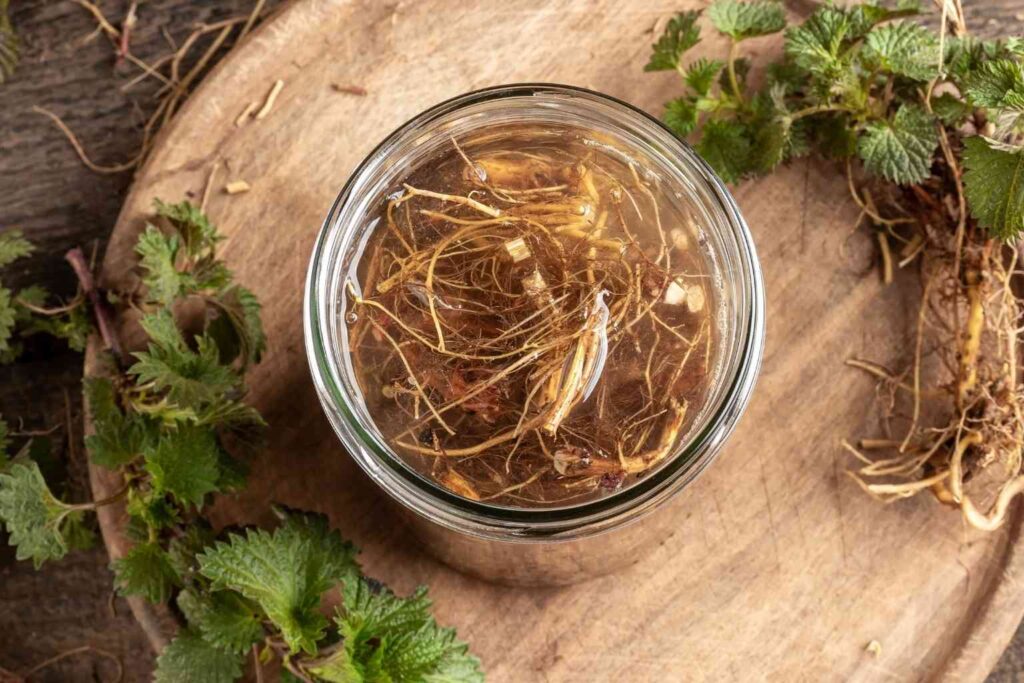
Stinging nettle — Urtica dioica — is a perennial herbaceous plant native to Europe, Asia, North Africa, and North America. It grows to two to four meters tall, produces clusters of small greenish flowers, and is covered in fine trichomes on both stems and leaves that deliver a brief but memorable chemical sting on contact. The Latin root of Urtica comes from uro — “to burn” — which describes precisely what the plant does when touched fresh.
The plant has been used medicinally for over two thousand years. Ancient Egyptian records reference it for arthritis and lower back pain. Roman soldiers reportedly applied it to limbs to stimulate circulation in cold climates. Traditional European herbalists incorporated it into treatment protocols for joint complaints, urinary disorders, and anemia — well before any clinical trials existed to explain the mechanisms.
The modern supplement-grade ingredient is specifically the root — Urtica dioica radix — which is pharmacologically distinct from the aerial parts of the plant. The root has been official in the European Pharmacopoeia since the 1980s, and the German Commission E — the regulatory body that evaluates botanical medicines in Germany — formally approved nettle root for the supportive treatment of urinary complaints associated with benign prostatic hyperplasia decades ago. In European urology, nettle root is a first-line herbal consideration for BPH. In most American supplement aisles, it is still treated as a footnote. That gap between the evidence and the awareness is exactly what this post addresses.
The Active Compounds in Urtica Dioica Root
The pharmacological activity of nettle root cannot be traced to a single bioactive compound. Four distinct groups account for the documented effects — and each group acts on a different biological system:
Lignans — specifically secoisolariciresinol, isolariciresinol, pinoresinol, and 3,4-divanillyltetrahydrofuran — are the primary compounds behind the SHBG-binding activity. These polyphenolic molecules bind competitively to sex hormone-binding globulin, preventing the carrier protein from sequestering testosterone. A study published in Planta Medica confirmed that aqueous nettle root extract inhibited SHBG binding to its receptor by up to 67% in isolated human protein assays.
UDA — Urtica dioica agglutinin — is a lectin unique to the root: a small polypeptide with 89 amino acids that has demonstrated immunomodulatory, antiviral, and anti-proliferative activity in laboratory settings. UDA has been shown in in vitro studies to suppress the proliferation of prostate cancer cells through activity at the epidermal growth factor receptor — an active area of research, not an established clinical claim, but relevant context for the root’s anti-proliferative profile.
Polysaccharides contribute the primary anti-inflammatory activity. A specific polysaccharide fraction from nettle root extract demonstrated inhibition of inflammatory pathways in experimental models, and a separate fraction was shown to modulate immune signaling at the prostate membrane level.
Phytosterols — including beta-sitosterol, stigmasterol, and campesterol — are present in low concentrations. Their individual contribution is considered modest compared to the lignans and lectins, but they add a layer of anti-inflammatory and lipid-modulating biology to the overall formula.
These four groups working simultaneously explain the breadth of documented nettle root benefits. The root is not a single-mechanism botanical.
Nettle Root vs. Nettle Leaf: Why the Difference Actually Matters
Root and leaf are sold under the same common name — “stinging nettle” — but act through different mechanisms, on different biological targets, in different clinical contexts.
The root contains the SHBG-binding lignans, the UDA lectins, and the prostate-relevant polysaccharide fraction. Its primary documented applications are BPH symptom management, free testosterone support, and anti-proliferative activity in prostate tissue.
The leaf contains chlorophyll, iron, vitamins A/C/K, quercetin, and histamine-interfering compounds. Its primary documented applications are allergic rhinitis, joint inflammation — particularly when applied topically — and nutritional supplementation for mineral support.
When a product label says “stinging nettle” without specifying root or leaf, you cannot determine which form you are getting — or which mechanism the formula intends. Products for prostate health and testosterone support should specify Urtica dioica radix. This distinction changes the clinical logic of the product entirely.
Natural Food Sources of Stinging Nettle
The leaves and young shoots of stinging nettle are genuinely edible. In traditional diets across Europe, the Middle East, and parts of Asia, they were regularly consumed as a cooked green vegetable. Once exposed to heat or dried properly, the urticating trichomes lose their chemical payload entirely — the sting disappears, and the leaf becomes safe to eat.
Young nettle leaves work well blanched and served like spinach, added to soups and stews, blended into pesto, or incorporated into polenta and frittata. Fresh leaves should never be eaten raw — the trichomes sting until fully denatured by heat or drying. Cooked, the flavor is often described as earthy and mild, somewhere between spinach and cucumber.
Nutritionally, cooked nettle leaf is a meaningful source of vitamins A, C, and K, along with iron, calcium, magnesium, and potassium. Protein content runs high for a leafy green — approximately 25–30% of dry mass — with an amino acid profile that includes several essential amino acids. Nettle tea, made by steeping dried leaves for 10 to 15 minutes, captures the water-soluble polyphenols and minerals at lower concentrations than eating the leaf directly.
How Cooking Nettle Disarms the Sting — and What You Keep
The urticating action of fresh nettle comes from hollow, silica-tipped trichomes that function like microscopic syringes — injecting histamine, acetylcholine, and formic acid into skin on contact. Heat denatures the protein structure of these trichomes within seconds, permanently eliminating the sting. Low-temperature drying achieves the same result.
What you retain through cooking: the flavonoids, minerals, chlorophyll, and polyphenolic content that account for the leaf’s anti-inflammatory and nutritional properties.
What no food preparation can deliver: the lignans, UDA lectins, and polysaccharides concentrated in the root. These compounds are simply not present in meaningful quantities in the above-ground parts of the plant. If the nettle root benefits you are targeting center on SHBG binding, prostate support, or hormonal function — food sources do not get you there. A standardized root extract is the only practical route to the relevant compounds.
How Does Nettle Root Work?
The biological effects of nettle root are explained by five distinct mechanisms operating across different systems. Understanding them separately makes the range of documented nettle root benefits far less surprising.
1. SHBG Binding — Lignans in the root bind competitively to sex hormone-binding globulin, the carrier protein that sequesters testosterone in the bloodstream. Only free (unbound) testosterone is biologically active at the androgen receptor level. By reducing SHBG’s binding capacity, nettle root increases the bioavailable fraction of testosterone without changing total testosterone production. This is the mechanism most often missed in generic supplement content.
2. 5-Alpha Reductase Inhibition — Phytosterols and other compounds in the root inhibit 5-alpha reductase (5-AR), the enzyme that converts testosterone into dihydrotestosterone (DHT). DHT is a more potent androgen and the primary driver of prostate cell proliferation and androgenetic hair loss. Reducing this conversion decreases DHT load in both prostate tissue and scalp follicles.
3. Aromatase Inhibition — Specific fatty acid derivatives in the root — including 9-hydroxy-10,12-octadecadienoic acid — inhibit aromatase, the enzyme that converts testosterone into estradiol. In aging men, elevated aromatase activity accelerates a shift toward relative estrogen dominance, contributing to fatigue, fat redistribution, and reduced libido.
4. NF-κB Pathway Suppression — Polysaccharide fractions from the root have demonstrated inhibition of nuclear factor kappa B (NF-κB) — a central transcription factor controlling the expression of pro-inflammatory cytokines. This is the mechanism behind nettle root’s anti-inflammatory effects at both the prostate membrane and in systemic immune signaling.
5. UDA-Mediated Immunomodulation — The Urtica dioica agglutinin lectin has demonstrated activity at the epidermal growth factor receptor (EGFR), suggesting a pathway through which the root exerts anti-proliferative effects on prostate cells. UDA also appears to modulate T-cell surface lectin interactions, with broader immunomodulatory implications still being characterized in research.
These five pathways work in parallel — which explains why nettle root benefits appear across prostate health, hormone balance, inflammation, and immune function simultaneously.
Nettle Root Benefits: What the Research Shows
The evidence for nettle root benefits is strongest in one area and genuinely promising in several others. Here is what the research actually shows, calibrated by what the evidence actually supports.
1. Nettle Root for Prostate Health and BPH Symptoms
The most extensively documented of all nettle root benefits is its effect on lower urinary tract symptoms in men with benign prostatic hyperplasia. Benign prostatic hyperplasia is more common than most men in their 40s want to consider: by age 55, approximately 25% report measurable reductions in urinary pressure and flow rate. By 70, that figure reaches 50%. For men over 80, histological evidence of BPH appears in more than 90% of cases.

A 2013 randomized, double-blind trial published in the Iranian Red Crescent Medical Journal enrolled 100 BPH patients — two 300 mg nettle root capsules twice daily for eight weeks. The nettle group showed a statistically significant improvement in AUA symptom scores from a pre-treatment average of 26.5 down to 2.1 post-treatment, compared to no meaningful change in the placebo group. No adverse effects were reported.
A 2022 randomized clinical trial in Complementary Therapies in Clinical Practice used 300 mg of nettle root extract twice daily for eight weeks in 80 older men with BPH. The nettle group showed significant improvements in urinary frequency, urgency, and nocturia versus control. Prostate volume and PSA levels were not significantly affected — an important nuance. This particular dimension of nettle root benefits improves urinary symptoms without shrinking the prostate the way pharmaceutical 5-alpha reductase inhibitors do.
A separate study documented a 14% improvement in urinary flow rate and a 53% reduction in post-void residual urine in 32 BPH patients receiving 600 mg daily for six weeks. The German Commission E approved nettle root specifically for the symptomatic treatment of dysuria, frequency, nocturia, and urinary retention at BPH stages I and II — a formal regulatory endorsement based on a systematic review of the clinical evidence.
2. Nettle Root and Free Testosterone: The SHBG Mechanism
The testosterone-related nettle root benefits are built on a distinction that most supplement content never makes: total testosterone versus free testosterone. A man can score “normal” on a standard blood test and still experience every symptom associated with low testosterone — persistent fatigue, reduced libido, slower recovery after exercise, declining mental clarity. This gap is real. And it is explained by sex hormone-binding globulin.

SHBG is a carrier protein produced primarily by the liver. It binds testosterone tightly, rendering it biologically inactive. Only the unbound fraction — free testosterone — reaches androgen receptors and drives the effects most people associate with healthy hormonal function. As men age, SHBG levels tend to rise, progressively reducing the active fraction even when total testosterone stays nominally in range.
Nettle root lignans bind to SHBG competitively. A study in Planta Medica confirmed that aqueous nettle root extract inhibited SHBG binding activity by up to 67% in human protein assays. Two double-blind studies using nettle root extract at 1,200 mg daily observed a 10% increase in measured testosterone alongside decreased SHBG binding activity.
These are not dramatic testosterone elevation numbers — and that framing matters. Nettle root does not stimulate testosterone production. It frees more of what already exists. That distinction is clinically meaningful for men in their 40s and 50s who are not deficient enough for TRT but are experiencing real hormonal shift symptoms.
3. Nettle Root for Joint Pain and Inflammation
Among the less-discussed nettle root benefits is its anti-inflammatory profile — one that has both historical roots and a partially explained modern mechanism. Roman legionaries reportedly rubbed fresh nettle onto joints and muscles in cold conditions, using the counter-irritant sting as a source of warmth and stimulation. The anti-inflammatory mechanism behind this traditional use is now at least partially understood.
A 27-person randomized study found that topical application of fresh stinging nettle leaf to arthritic joints reduced pain and disability scores significantly versus dead-nettle placebo. A second study found that combining stewed nettle leaf with the NSAID diclofenac allowed a meaningful dose reduction of the drug while maintaining equivalent pain control — an additive anti-inflammatory effect with practical implications for long-term joint management.
The mechanism involves elastase inhibition: nettle compounds suppress leukocyte elastase, an enzyme released by white blood cells during inflammatory flares that degrades connective tissue. Separately, the root’s polysaccharide fraction suppresses NF-κB-mediated cytokine production at the joint and systemic level.
Calibration matters here. The evidence is more robust for topical leaf application and for oral nettle as an NSAID adjunct than for oral root extract as a standalone joint intervention. The mechanistic case is real; the clinical evidence base for root-specific oral supplementation in joint pain is still developing.
4. Stinging Nettle for Allergies and Hay Fever
This particular nettle root benefit belongs specifically to the leaf — and making that clear is precisely the kind of editorial rigor that separates a useful post from a generic roundup.
A randomized, double-blind trial published in Planta Medica in 1990 enrolled adults with confirmed allergic rhinitis and found that freeze-dried nettle leaf produced moderate-to-great relief in 58% of participants, versus 37% in the placebo group. Some participants rated it as more effective than previously used over-the-counter antihistamines.
The mechanism: nettle leaf compounds inhibit histamine release from mast cells and block histamine H1 receptors — the same target as cetirizine and loratadine. They also inhibit enzymes involved in prostaglandin and leukotriene production, two inflammatory mediator classes central to the allergic cascade.
If you are managing hay fever or seasonal allergic rhinitis, nettle leaf is the relevant form. Nettle root will not deliver the same histamine-blocking activity — the relevant compounds are in the aerial parts of the plant, not concentrated in the root.
5. Nettle Root Blood Sugar and Metabolic Support
The blood sugar dimension of nettle root benefits is more nuanced than either the enthusiastic wellness media or the dismissive mainstream summaries suggest. The evidence is real but requires careful calibration by population and preparation.
Nettle leaf contains a compound designated UD-1 that exhibits structural and functional similarity to insulin. Animal models have consistently shown significant blood glucose reductions in diabetic subjects given nettle preparations. In human trials, results are mixed but directionally positive. A three-month intervention in type 2 diabetic patients on conventional medication found that adding nettle leaf extract produced statistically significant reductions in fasting glucose and HbA1c compared to the medication-only control. A shorter eight-week trial in people with more severe, uncontrolled diabetes found no significant effect.
That negative finding belongs in this summary. It signals that nettle’s glycemic support is more likely meaningful in moderate glucose dysregulation than in advanced disease under heavy pharmaceutical management.
For the root specifically: animal studies have documented that nettle root extract inhibits HMG-CoA reductase activity — the same enzyme targeted by statin drugs — producing reductions in total cholesterol and plasma LDL. These remain animal-model findings; the human clinical data for root-specific lipid effects is not yet robust. The metabolic angle of nettle root benefits is promising and biologically coherent, but not yet the strongest part of the evidence base.
6. Nettle Root for Hair Loss: The DHT Connection
One of the more mechanistically interesting nettle root benefits involves its relationship with DHT and androgenetic alopecia. Approximately 50% of men experience pattern hair loss by age 50, driven primarily by dihydrotestosterone. DHT binds to androgen receptors in hair follicles, progressively miniaturizing them through a process that produces increasingly thin, shorter hairs until the follicle becomes inactive.
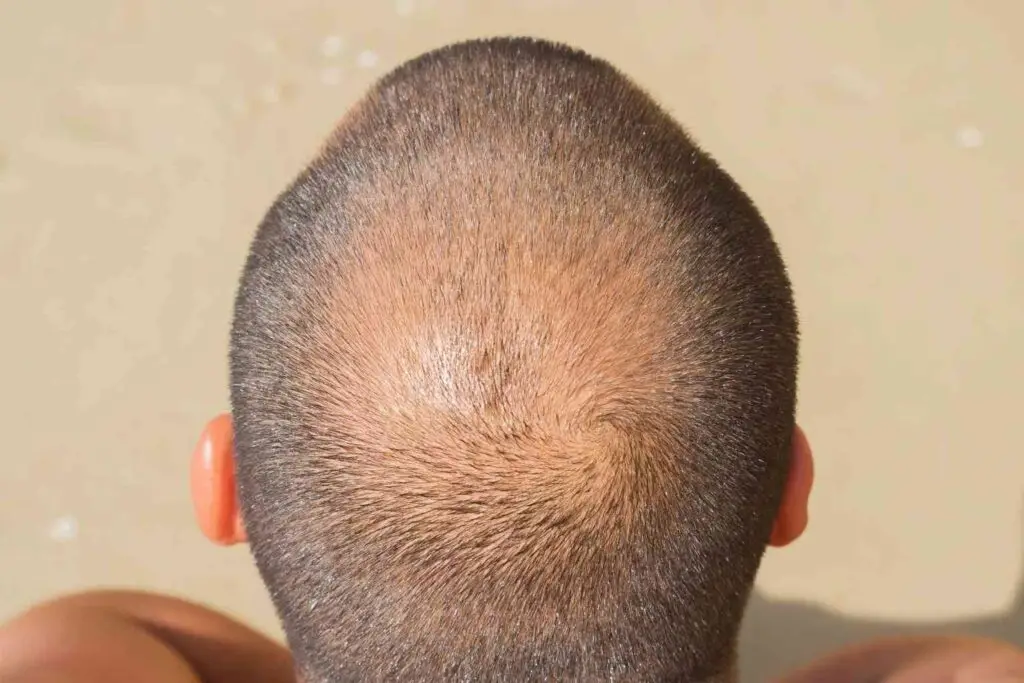
Finasteride — the most prescribed hair loss drug — works by inhibiting 5-alpha reductase and blocking testosterone-to-DHT conversion. Nettle root inhibits 5-alpha reductase through the same biochemical pathway. The distinction is that finasteride has extensive large-scale RCT evidence for hair loss specifically; nettle root currently does not.
What exists: the mechanism is identical. Nettle root’s 5-AR inhibitory activity in prostate tissue is clinically documented. Whether that activity translates to measurable protection of hair follicles in humans has not yet been confirmed in large-scale trials targeting this endpoint. The pharmacological logic is sound; the hair-specific clinical confirmation is limited. Men using nettle root within a broader DHT-management protocol have mechanistic reason to include it — with expectations calibrated to that reality.
7. Nettle Root and Blood Pressure
The cardiovascular nettle root benefits are supported by promising animal data and preliminary human findings, with the mechanism reasonably well understood. Nettle preparations act via two pathways: potassium and calcium channel modulation affecting vascular smooth muscle relaxation, and some nitric oxide-mediated vasodilation from quercetin-containing compounds in the leaf.
A human study on regular nettle tea consumption in adults with elevated baseline blood pressure documented modest systolic reductions. The effect is more attributable to the leaf’s quercetin and potassium content than to root-specific phytochemistry. For adults with borderline-elevated blood pressure who are considering nettle supplementation for other primary reasons, the cardiovascular data represents a reasonable secondary benefit — not a primary indication for the root specifically.
Nettle Root vs. Finasteride: What a Multicenter Trial Actually Found
Finasteride — sold as Proscar for BPH and Propecia for hair loss — inhibits 5-alpha reductase, reducing DHT production and gradually shrinking prostate volume over months of use. Its efficacy is well-established. So is its side effect profile: sexual dysfunction, reduced libido, and ejaculatory problems affect a clinically significant percentage of long-term users.
A randomized, multicenter, double-blind trial enrolled men with BPH and assigned them to either a combination of saw palmetto (160 mg) plus nettle root extract (120 mg) twice daily, or finasteride at standard dose, for 24 weeks. The herbal combination produced comparable improvements in International Prostate Symptom Scores to finasteride — with substantially better tolerability and significantly fewer sexual side effects in the herbal group.
A separate trial published in Arzneim-Forsch/Drug Res compared the same saw palmetto plus nettle root combination against tamsulosin — an alpha-blocker widely prescribed for urinary flow symptoms. The herbal combination produced statistically significant improvements in peak urinary flow rate and post-void residual volume beginning at 12 to 14 weeks, with symptom outcomes comparable to the pharmaceutical arm.
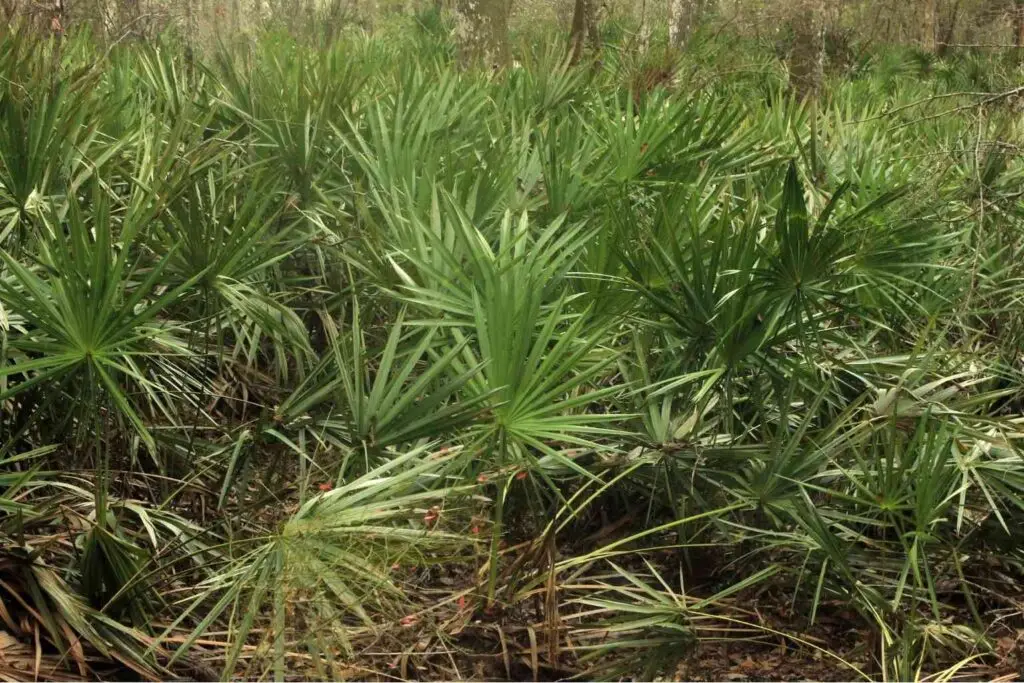
Both saw palmetto and nettle root are formally approved by the German Commission E for BPH management. Both appear in phytotherapy guidelines as first-line options in several European countries. The research does not position the herbal combination as categorically superior to pharmaceutical treatment. It positions it as a clinically meaningful option — particularly for men concerned about the sexual side effects of finasteride, or who want to understand what the evidence actually shows before committing to a long-term prescription. Decisions about BPH treatment should involve a urologist — this data is context for that conversation, not a replacement for it.
Who Benefits Most from Nettle Root?
Understanding who gets the most from nettle root benefits helps avoid the common mistake of applying the ingredient broadly when it has specific populations where the evidence is strongest. Four profiles emerge clearly from the clinical literature.
Nettle Root for Men with BPH and Urinary Discomfort
The clearest candidate: a man in his 50s or 60s experiencing nocturia — waking two or more times per night to urinate — alongside a weaker or slower urinary stream, urgency, or incomplete bladder emptying. These are the classic BPH symptom cluster, and they are the endpoints where the documented nettle root benefits for prostate health have the strongest and most consistent clinical backing. The effect is symptomatic: better urinary comfort, reduced nocturia frequency, improved flow. Not a reduction in prostate volume.
Men already on tamsulosin or finasteride should discuss any herbal additions with their urologist before starting, given potential additive effects on blood pressure and DHT pathways.
Nettle Root for Women with PCOS and Hormonal Imbalance
This is an almost entirely absent conversation in standard nettle root content. Polycystic ovary syndrome involves hyperandrogenism — elevated free androgens — as a defining feature. When SHBG levels are also low (also common in PCOS), the problem compounds: more free testosterone circulating, driving acne, excess body hair, irregular cycles, and scalp hair thinning in susceptible women.
Nettle root’s SHBG-binding activity is theoretically relevant here — not to raise free testosterone as in the male hormonal context, but to modulate it. Some integrative practitioners incorporate nettle root into PCOS management specifically for this reason. The data here is mechanistic and anecdotal; no large RCTs have tested nettle root specifically in PCOS populations. Women with PCOS considering this approach should work with a practitioner who can monitor hormone levels, not self-dose based on general supplement information.
Nettle Root in Modern Supplements
The formulas that best leverage nettle root benefits tend to do so within a combination context — because the strongest clinical evidence for the ingredient came from studies pairing it with saw palmetto, not from standalone supplementation.
ProstaVive: Nettle Root in a Multi-Angle Men’s Wellness Formula
ProstaVive deploys nettle root within a formula built around a specific clinical insight: the men who search for prostate support are rarely dealing with only a prostate problem. They are dealing with a cluster — urinary symptoms, lower energy, declining libido, disrupted sleep — that arrives together and tends to be driven by overlapping hormonal and inflammatory mechanisms.
The formula stacks nettle root alongside Tongkat Ali, which targets SHBG through a different mechanism — inhibiting the SHBG receptor site rather than competing for the binding site itself. Ashwagandha addresses cortisol-driven testosterone suppression, removing the adrenal burden that would otherwise blunt the hormonal effect. Panax Ginseng bridges urinary support and daily energy. The result is a formula where nettle root’s SHBG-binding and anti-proliferative activity complements — rather than duplicates — the other mechanisms in the stack.
For a complete breakdown of the full ProstaVive formula, its dosing rationale, and who it makes the most practical sense for, read the full ProstaVive review here.

How Long Does Nettle Root Take to Work?
The timeline for experiencing nettle root benefits depends entirely on what you are using it for — and the clinical data provides actual timepoints rather than vague disclaimers.
For urinary symptoms associated with BPH — frequency, urgency, nocturia, stream strength — the 2022 RCT found statistically significant improvements at the eight-week mark. The study using 600 mg daily reported measurable improvements in urinary flow at six weeks. In longer follow-up periods, the benefit continued to accumulate through six months of consistent use — suggesting a dose-accumulation effect rather than an acute response. Stopping at three or four weeks because results feel subtle is the most common reason people conclude nettle root does not work — when the studies simply did not demonstrate peak effect at that early timepoint.
For SHBG reduction and free testosterone support, the double-blind hormonal studies observed measurable shifts within four to six weeks at the doses used. Subjective changes — energy, libido, recovery — tend to follow the biochemical shifts with a lag of two to four additional weeks. The felt experience often trails the hormonal change.
For joint inflammation, topical leaf application in the joint studies produced relief within days of consistent use. Oral root extract combined with anti-inflammatory strategies is a slower, more gradual biological shift — more consistent with weeks than days.
Practical rule: commit to a minimum of eight weeks before evaluating any of the primary nettle root benefits. Longer for the hormonal endpoints.
Nettle Root Dosage, Timing, and Safety
Dosage
To access the documented nettle root benefits from clinical trials, the relevant range is 300 to 600 mg of standardized nettle root extract twice daily — a total daily dose of 600 to 1,200 mg. The most commonly cited extraction standard in clinical studies is DER 7–14:1 using 20% methanol or 60–70% ethanol, producing an extract 7 to 14 times more concentrated than raw root powder.
This distinction has real implications for label reading. A product saying “stinging nettle root 500 mg” without specifying an extraction ratio may be delivering raw powder rather than a concentrated extract. A 120 mg dose of DER 10:1 extract is pharmacologically equivalent to roughly 1,200 mg of raw root — a difference of ten times for the same milligram number on the label.
The saw palmetto plus nettle root combination used in the finasteride comparison trial used 120 mg of a concentrated nettle root extract per capsule, twice daily — sufficient to produce BPH symptom outcomes comparable to finasteride over 24 weeks. Whole root powder at the same milligram count would not deliver equivalent active-compound concentrations.
Safety and Side Effects
Long-term safety data on nettle root is reassuring. Clinical trials running up to 24 months in BPH populations found no significant adverse events in nettle root groups. The most frequently reported side effects — mild gastrointestinal discomfort, occasional bloating — occurred at similar frequencies to placebo in most trials. No hepatotoxic events have been attributed to standardized nettle root extract in the published clinical literature.
People with impaired kidney function should exercise caution: nettle root has mild diuretic properties, and increasing urinary output when kidney capacity is reduced requires medical supervision. Choosing a product with documented standardization, GMP certification, and third-party testing is the most practical proxy for quality assurance in the absence of FDA pre-market approval for herbal supplements.
Interactions and Precautions
Four interaction categories are clinically relevant:
Diuretics — additive diuretic effects may increase potassium loss and dehydration risk when combined with prescription water pills. Discuss with your physician before combining.
Blood sugar medications — given nettle’s glycemic effects documented primarily with the leaf, combining with insulin or oral hypoglycemics warrants blood glucose monitoring. The combined effect may lower glucose further than expected.
Anticoagulants — nettle’s vitamin K content, primarily in leaf preparations, can interact with warfarin-type anticoagulants. This applies to whole-plant products that include aerial parts alongside root.
Finasteride or tamsulosin — the mechanistic overlap in DHT and urinary pathways means simultaneous use with these medications should be discussed with a urologist. The clinical comparison study used nettle root as an alternative to finasteride, not a simultaneous addition.
Pregnancy: not recommended. The traditional use of nettle to stimulate uterine activity, combined with the hormonal activity of the root, makes it inappropriate during pregnancy without explicit medical oversight.
Frequently Asked Questions About Nettle Root
Does nettle root actually increase testosterone?
Not directly — and the distinction is important. Nettle root does not stimulate testosterone production. The documented nettle root benefits for testosterone work by reducing SHBG’s grip on the testosterone your body already produces, freeing more of it into the biologically active “free” form. On a standard blood testosterone test — which measures total testosterone — you may see little change. On a free testosterone panel or SHBG-specific test, the shift is more likely to be detectable. Men in their 40s and 50s with symptomatic hormonal decline and measured high SHBG are the best candidates for noticing this effect.
What is the difference between nettle root and nettle leaf?
Root and leaf come from the same plant but contain different active compounds and have distinct primary applications. The root contains SHBG-binding lignans, UDA lectins, and polysaccharides — the compounds behind its prostate, hormonal, and NF-κB anti-inflammatory effects. The leaf contains quercetin, flavonoids, iron, and histamine-interfering compounds — the basis for its allergy, mineral nutrition, and topical joint applications. A supplement label that says “stinging nettle” without specifying the plant part is ambiguous. For prostate or hormonal support, look for Urtica dioica radix.
Can you take nettle root and saw palmetto together?
Yes — and the strongest clinical evidence for nettle root benefits in BPH comes from studies using the combination, not nettle root alone. A randomized, multicenter trial showed that 120 mg nettle root extract plus 160 mg saw palmetto extract twice daily produced BPH symptom improvements comparable to finasteride, with better tolerability. The two herbs are mechanistically complementary: saw palmetto delivers stronger 5-alpha reductase inhibition; nettle root contributes SHBG binding, aromatase inhibition, and anti-proliferative UDA activity. Together at the right doses, they address more pathways than either does in isolation.
How much nettle root should you take for BPH?
To access the nettle root benefits documented in clinical trials for BPH, the relevant range is 300 to 600 mg of standardized root extract twice daily — total 600 to 1,200 mg per day. What matters more than the raw milligram number is the extraction ratio. A standardized extract at DER 7–14:1 delivers equivalent active-compound concentrations to several times that amount in whole root powder. Evaluate the extraction specification, not just the label dose.
Is nettle root safe to take every day?
Based on available clinical data, daily use for up to 24 months appears safe in adults without the contraindications listed above. The most common side effects — mild GI discomfort — are generally dose-dependent and transient. Nettle root does not share the hepatotoxicity profile of some herbal supplements. Standard individual risk factors still apply: kidney conditions, pregnancy, and drug interactions should be evaluated before starting any daily supplementation protocol.
Can women take nettle root supplements?
Nettle leaf is widely and safely used by women for iron support, allergy relief, and anti-inflammatory purposes. Nettle root is more specific in its application. Its hormonal activity — SHBG binding, aromatase inhibition, 5-AR inhibition — is primarily relevant in male hormonal contexts, or in women with documented hyperandrogenism such as PCOS under practitioner supervision. Women without androgen-related conditions have no clear benefit from root-specific supplementation for general wellness. Pregnancy is a firm contraindication for nettle root in any form.
Does nettle root help with hair loss from DHT?
The mechanism supports the hypothesis. DHT drives androgenetic alopecia by miniaturizing follicles through progressive androgen receptor activation. Among the nettle root benefits supported by clear pharmacological logic is 5-alpha reductase inhibition — the same mechanism targeted by finasteride. The gap is direct clinical evidence: no large-scale RCT has specifically tested nettle root against androgenetic alopecia endpoints in humans. Men incorporating it into a broader DHT-management strategy have mechanistic reason to do so — with expectations calibrated to that current evidence gap.
Should I take nettle root in the morning or before bed?
No clinical trial has directly compared morning versus evening dosing. The BPH trials that showed the strongest nettle root benefits consistently split the daily dose — one capsule with breakfast, one with dinner — rather than taking the full dose at once. This likely maintains more consistent plasma concentrations of the active lignans throughout the day. For men using nettle root primarily for urinary symptoms and nocturia, the evening dose taken with the last meal has some practical logic — though this specific timing has not been directly tested versus alternatives.
How long before nettle root works for nocturia?
In the most relevant clinical trial — the 2022 RCT in 80 older men with BPH — nocturia improved significantly at the eight-week mark in the nettle root group compared to control. The improvement was meaningful in frequency reduction, not elimination: the goal is fewer nighttime bathroom visits, not a full return to uninterrupted sleep. Eight weeks of consistent daily dosing at 300–600 mg twice daily is the timepoint where the evidence shows benefit. Expect a gradual shift, not a sudden change.
Does nettle root extract work better than whole root powder?
For the mechanisms that drive the core nettle root benefits — SHBG binding, 5-AR inhibition, UDA lectin activity — concentrated extracts are more pharmacologically reliable. The extraction process concentrates lignans and removes non-active bulk, delivering more consistent compound concentrations per dose. All clinical trials supporting nettle root benefits used standardized extracts, not whole root powder. When choosing a product, the extraction ratio and standardization specification matter more than the milligram count alone.
The Bottom Line
Nettle root earns its place in the evidence-based supplement conversation — but not for every reason it is typically marketed.
The prostate case is the most solid ground. Multiple randomized controlled trials confirm that standardized nettle root extract significantly reduces urinary frequency, urgency, and nocturia in men with BPH. A multicenter comparison study found nettle root benefits for symptom management comparable to finasteride outcomes, with a substantially better tolerability profile. German Commission E approval for BPH treatment is based on a formal body of clinical evidence — not marketing claims. That regulatory milestone is routinely omitted in U.S. supplement content, which tends to list nettle root among a dozen prostate herbs without explaining why it belongs in that category with more clinical support than most of the others.
The SHBG story is the more overlooked half of the picture. For aging men experiencing energy decline, low libido, and slower recovery — with blood work showing testosterone “within normal range” — the relevant question is not total testosterone. It is free testosterone. The SHBG-related nettle root benefits are documented through a well-established biochemical mechanism, supported by in vitro human protein data and early clinical findings. They do not replace TRT when that is medically indicated. What they address is the large population of men who fall short of a diagnosable deficiency but are experiencing real hormonal shift symptoms — and for whom a pharmaceutical prescription is neither warranted nor desired.
Four practical takeaways: specify root (Urtica dioica radix), not just “stinging nettle” on the label. Use a standardized extract with a documented extraction ratio — DER 7–14:1 is the reference from clinical studies. Give it a minimum of eight weeks before drawing any conclusions. And if the primary goal is BPH or urinary symptom management, the combination with saw palmetto has the strongest clinical backing of any herbal approach for this indication — more so than either herb used alone.
Disclaimer: This article is for informational and educational purposes only. The content presented here does not constitute medical advice and is not a substitute for consultation with a qualified healthcare professional. All information is based on publicly available research and specialized sources. We are not medical doctors. Statements in this post have not been evaluated by the Food and Drug Administration. Before beginning any new supplement — including nettle root — consult your physician, particularly if you have an existing medical condition, take prescription medications, or are pregnant or breastfeeding. Individual results from supplementation may vary significantly from findings reported in clinical studies.