
The cranberry PAC content that matters clinically is 36mg of A-type proanthocyanidins per daily serving. That number appears consistently across the UTI prevention literature and anchors the FDA’s 2020 qualified health claim for cranberry dietary supplements. Below this threshold, anti-adhesion activity against uropathogenic bacteria becomes unreliable regardless of how much total extract is in the capsule. Most cranberry supplements on the market do not disclose PAC content at all — which makes this the most important and most commonly missing detail on any cranberry supplement label.
One distinction worth understanding upfront: PAC content refers specifically to A-type proanthocyanidins, the form structurally unique to cranberry. B-type PACs, found in grapes, apples, and cocoa, do not produce the same anti-adhesion effect and are not interchangeable for clinical purposes.
Cranberry PAC Content: What the Research Shows
The 36mg benchmark has its roots in clinical trials that tested whether PAC dose — not extract weight — predicted UTI prevention outcomes. Researchers used the DMBT (dimethylaminobenzaldehyde) assay, the validated method for quantifying A-type PACs specifically, to establish the concentration at which anti-adhesion activity against type P fimbriated E. coli is consistently measurable.
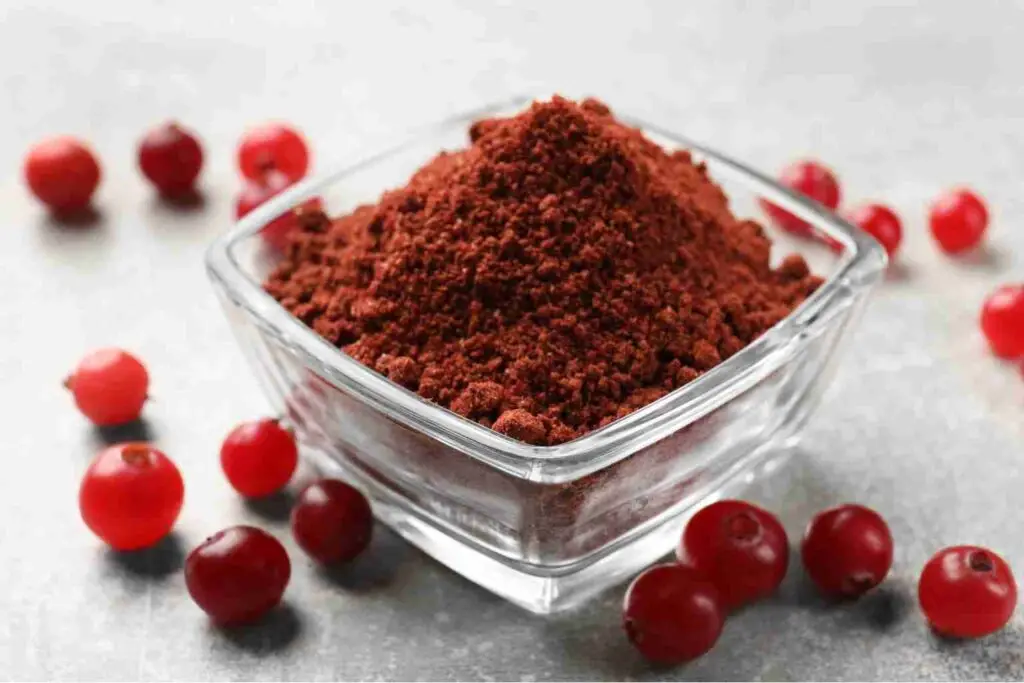
The 2025 Pacran randomized trial — 150 women with recurrent UTIs, six months of daily dosing — used 500mg of whole cranberry fruit powder standardized to deliver PAC content within this clinical range and reported statistically significant reductions in culture-confirmed UTI incidence. The FDA qualified health claim was granted for products delivering PACs at relevant amounts, not for cranberry extract generically. That distinction is the regulatory acknowledgment that PAC content, not total extract weight, is the active quality variable.
For a full breakdown of how A-type PACs produce their anti-adhesion effect — and what that means across different health applications — read our cranberry benefits guide.
Factors That Affect Cranberry PAC Content and Effective Delivery
Standardization method. Extracts standardized by PAC content using the DMBT assay are the only reliable basis for comparison. Products listing total polyphenols or ORAC values are measuring something broader — and usually less specific to A-type PAC activity.
Form of cranberry used. Commercial juice delivers a fraction of the PAC content needed for clinical relevance at any practical volume. Concentrated standardized extracts and whole fruit powders like Pacran are the forms that appear in positive clinical trials.
Label transparency. A product that lists “cranberry extract 500mg” without PAC specification cannot be meaningfully evaluated. The extract weight alone tells you nothing about how much active compound is present.
Storage conditions. PACs are relatively stable in properly formulated capsules but degrade in products with poor moisture control or extended shelf exposure. Third-party testing offers a degree of quality assurance beyond manufacturer claims alone.
What To Look For in a Supplement
Two specifications should be non-negotiable when evaluating any cranberry supplement.
Milligrams of A-type PACs per serving — stated explicitly. Not “standardized extract.” Not “potency guaranteed.” The actual PAC milligram content. Thirty-six milligrams is the clinical benchmark; products that list this figure have done the work of standardizing to the relevant compound.
Assay method disclosed or implied. The DMBT assay is the validated standard for A-type PAC measurement. Products that reference PAC content without specifying the assay method are worth scrutinizing — alternative assays can overstate active compound content by measuring total polyphenols instead.
The PAC anti-adhesion mechanism is not exclusive to urinary health. The same A-type proanthocyanidins that block bacterial adhesion in the bladder apply the same chemistry in the oral cavity — disrupting the biofilm formation behind dental decay and gum disease. Provadent combines cranberry extract with targeted oral probiotic strains specifically to apply this PAC mechanism to dental and periodontal tissue. Read the full review of Provadent to see how the formula is constructed around this mechanism.

Bottom Line
Cranberry PAC content is the single most important quality marker for any cranberry supplement — and the one most consistently absent from product labels. The 36mg A-type PAC threshold is where the clinical anti-adhesion evidence is built; below it, extract weight alone predicts nothing reliable about efficacy. When a label lists cranberry without stating PAC content explicitly, the product offers no meaningful basis for evaluation against clinical standards.
For the complete picture on how cranberry works across UTI prevention, oral health, gut microbiome, and cardiovascular support, read our full guide: Cranberry Benefits: Why the UTI Research Is Only the Beginning.
Looking for more answers about cranberry? You might also find these useful:
— Cranberry and D-Mannose Together UTI: Can You Use Both? — PAC content is the first filter; this post covers how to pair cranberry with D-mannose for broader UTI prevention coverage.
— Cranberry for Gum Health: What the Research Shows — The same A-type PAC mechanism you just read about applies to oral tissue — here’s how.
Disclaimer: This article is for informational and educational purposes only and does not constitute medical advice. Results vary by individual. The information presented here is based on publicly available research and is not intended to diagnose, treat, cure, or prevent any condition. Pregnant or breastfeeding individuals, people taking prescription medications, and those with diagnosed health conditions should consult a qualified healthcare provider before starting any new supplement. These statements have not been evaluated by the Food and Drug Administration.