
Visiflora ingredients and benefits explained simply: the formula combines 18 active compounds organized around three functional goals — protecting the retina and macula directly, supporting the microvascular network that keeps eye tissue nourished, and reinforcing the gut-eye pathway that governs how much of those nutrients actually reach their destination. Every ingredient has a specific role. None are generic antioxidant filler. What follows is a concise reference covering what each one is, where it comes from, and what it contributes to the formula.
Visiflora Ingredients and Benefits Explained: What Each Compound Does
Lutein & Zeaxanthin (from marigold) are the formula’s most evidence-backed pair. They accumulate in the macula and form the macular pigment — a natural filter for high-energy blue light. The AREDS2 trial identified them as the most clinically supported nutrients for long-term macular protection. Zeaxanthin concentrates specifically at the fovea, the region responsible for maximum visual acuity.
Vitamin A (beta carotene) is the direct precursor to rhodopsin — the photopigment that powers rod photoreceptors in low-light conditions. Without it, dark adaptation fails. Beta carotene is the plant-derived form the body converts on demand, making it a safe and well-tolerated delivery route.
Zinc is present in higher concentrations in the retina than in nearly any other tissue. It facilitates vitamin A’s transport from the liver to the retina and contributes to enzymatic antioxidant defense in macular tissue. Its presence in the AREDS2 protocol reflects decades of clinical validation. You can find a detailed breakdown in this zinc benefits post.
Astaxanthin, derived from the microalgae Haematococcus pluvialis, crosses the blood-retinal barrier — a rare property among antioxidants. A randomized controlled trial documented significant reductions in eye fatigue and improvements in accommodation among workers supplementing during heavy screen use.
Vitamin C & Vitamin E protect ocular tissue through complementary mechanisms: vitamin C guards the aqueous humor and corneal collagen; vitamin E shields photoreceptor cell membranes from lipid peroxidation. Both are AREDS2 components.
Saffron extract carries some of the most specific clinical data in the formula. RCTs at Italy’s University of L’Aquila documented improvements in macular electrical response — measured objectively via electroretinography — in adults with early macular changes.
Bilberry extract is rich in anthocyanins linked in clinical research to faster dark adaptation and reduced visual fatigue in screen users. British RAF pilots reportedly used bilberry preparations before nighttime missions — the anecdote predates the science, but the science caught up.
Ginkgo biloba improves microcirculation through small vessels and offers neuroprotective effects on retinal ganglion cells. RCTs in normal-tension glaucoma patients documented measurable improvements in optic nerve perfusion.
Alpha lipoic acid is soluble in both water and fat — giving it access to virtually every cellular environment. It regenerates vitamins C and E after oxidation, multiplying their protective capacity. Research has explored its role in protecting the crystalline lens and supporting optic nerve health.
Grape seed extract delivers OPCs — oligomeric proanthocyanidins — that reinforce capillary wall integrity and support retinal microcirculation. Its inclusion in the formula addresses the vascular dimension that antioxidants alone don’t cover. More detail is available in this grape seed extract post.
Chromium supports insulin sensitivity and metabolic balance — relevant because glycation stress in the retinal microvasculature is a known contributor to long-term eye discomfort. See the chromium benefits post for the full mechanism.
Quercetin reinforces gut barrier tight junctions while simultaneously protecting retinal cells from oxidative stress — making it one of the formula’s true bridge ingredients between the gut-eye pathway and direct ocular defense.
Rutin strengthens the walls of the fine capillaries feeding the retina, reducing abnormal permeability and supporting consistent perfusion of macular tissue.
Taurine is present in extraordinarily high concentrations in the retina for good reason — it participates in phototransduction, the process converting light into neural signals. Animal studies link taurine depletion to progressive photoreceptor degeneration.
Copper & Selenium underpin enzymatic antioxidant defense: copper activates superoxide dismutase, selenium drives glutathione peroxidase activity in the lens. Both trace minerals protect ocular tissue through catalytic rather than direct antioxidant mechanisms.
Coleus forskohlii (forskolin) has shown preliminary support for intraocular pressure modulation in pilot studies — addressing a dimension of eye health that the rest of the formula’s antioxidant and vascular strategy doesn’t cover.
Eyebright (Euphrasia officinalis) has centuries of use in European herbal traditions for ocular comfort and irritation relief. Evidence remains predominantly traditional, with the ingredient contributing to daily comfort support rather than structural protection.
Lycopene, the red carotenoid in tomatoes and watermelon, has been detected in the lens and aqueous humor. Its neutralizing capacity against singlet oxygen complements the other carotenoids by covering reactive pathways they don’t fully reach.
Factors That Affect How Well These Ingredients Work
The formula performs most noticeably in adults whose nutritional baseline for key ocular compounds — particularly lutein, zeaxanthin, zinc, and vitamin A — is below optimal. People with varied, carotenoid-rich diets may experience subtler effects. Consistency matters more than any individual variable: macular pigment density and capillary integrity respond to sustained daily support over eight to twelve weeks, not to short trials. Taking the capsule with a fat-containing meal improves absorption of the fat-soluble compounds significantly.
What To Look For Before You Buy
When evaluating any multi-ingredient eye supplement, three factors separate genuine quality from label credibility. The formula should combine direct macular nutrients — lutein, zeaxanthin, vitamin A, zinc — with a vascular support layer and, ideally, gut-supportive compounds that optimize how those nutrients reach the retina. Manufacturing should be GMP-certified and FDA-registered. A minimum 60-day guarantee is essential for a formula whose benefits build over weeks, not days.
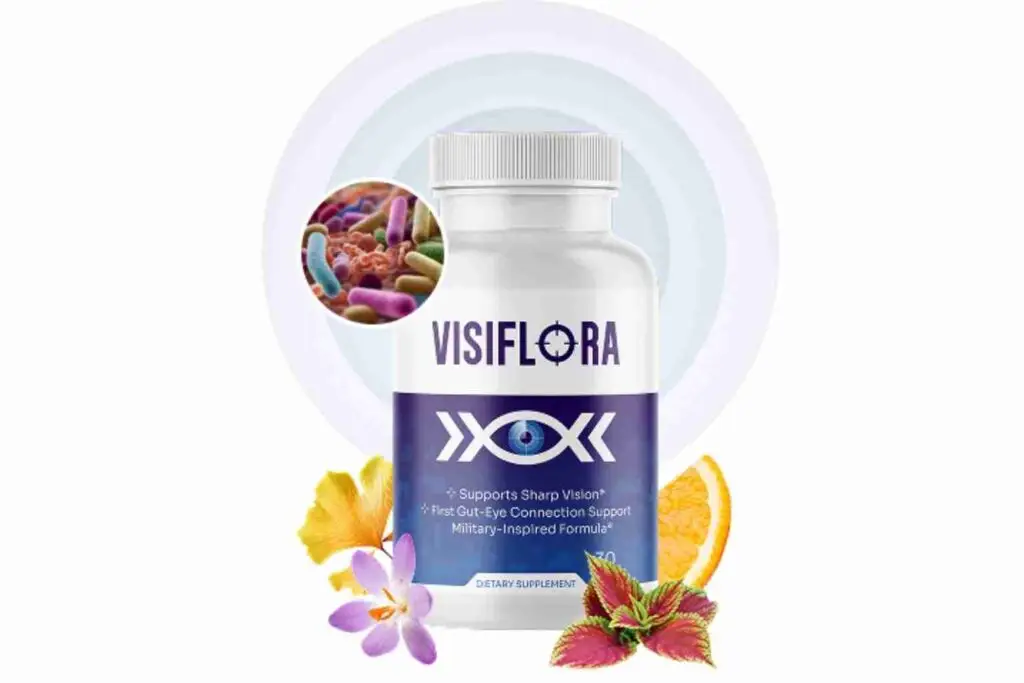
Getting Visiflora ingredients and benefits explained at this level of detail is a starting point — the full review of Visiflora covers the clinical evidence behind each active compound and provides a complete editorial assessment of the formula as a system.
Bottom Line
Visiflora ingredients and benefits explained across 18 compounds point to a formula with genuine structural logic: direct retinal nutrition, vascular integrity support, and gut-pathway optimization working in parallel. No single ingredient carries the full weight — the value is in how they complement each other across three distinct biological targets. For adults committed to daily eye health, this is among the more completely engineered options in the supplement category.
If this ingredient breakdown has given you confidence about what’s in the formula, you can verify current pricing and guarantee terms directly at the official Visiflora website — all package details are available there without any obligation.

Looking for more answers about Visiflora? You might also find these useful:
— Visiflora for Digital Eye Strain: Does It Actually Help with Screen Fatigue?
— Visiflora Gut Eye Connection Review: Does the Science Behind This Approach Actually Hold Up?
Disclaimer: This article is for informational and educational purposes only and does not constitute medical advice. Results vary by individual. The information presented here is based on publicly available research and is not intended to diagnose, treat, cure, or prevent any condition. Pregnant or breastfeeding individuals, people taking prescription medications, and those with diagnosed health conditions should consult a qualified healthcare provider before starting any new supplement. These statements have not been evaluated by the Food and Drug Administration.