Zinc Benefits: If there’s one mineral that quietly shows up in nearly every process your body depends on — from fighting a cold to producing testosterone to healing a cut — it’s zinc. And yet, zinc deficiency is one of the most common nutritional gaps in adults worldwide, particularly among men, older individuals, and those following plant-heavy diets.
In this post, we’re going to break down what zinc actually does inside your body, what the clinical research says about its most meaningful benefits, which supplement forms work best, and how to know whether you’re getting enough. Whether you’re looking to shore up immune defenses, support hormonal health, or simply make smarter supplementation decisions, understanding zinc is a good place to start.
What Is Zinc? Origins, Biology, and Why It Matters
Zinc is an essential trace mineral — meaning your body cannot produce it on its own and must obtain it through food or supplementation. It’s the second most abundant trace mineral in the human body after iron, present in every single cell, and required for the activity of over 300 enzymes involved in metabolism, digestion, nerve function, and beyond.
Historically, zinc’s role in human health began to attract scientific attention in the 1960s when researchers in Egypt and Iran documented severe growth retardation and reproductive dysfunction in young men eating diets almost entirely dependent on unleavened bread and clay — both of which significantly impair zinc absorption. These findings, led by Dr. Ananda Prasad, established zinc as an essential human nutrient and opened decades of research.
Today, zinc remains one of the most studied minerals in clinical nutrition, with a particularly strong evidence base around immune function, reproductive health, and inflammation.
Food Sources vs. Zinc Supplements: What’s the Difference?
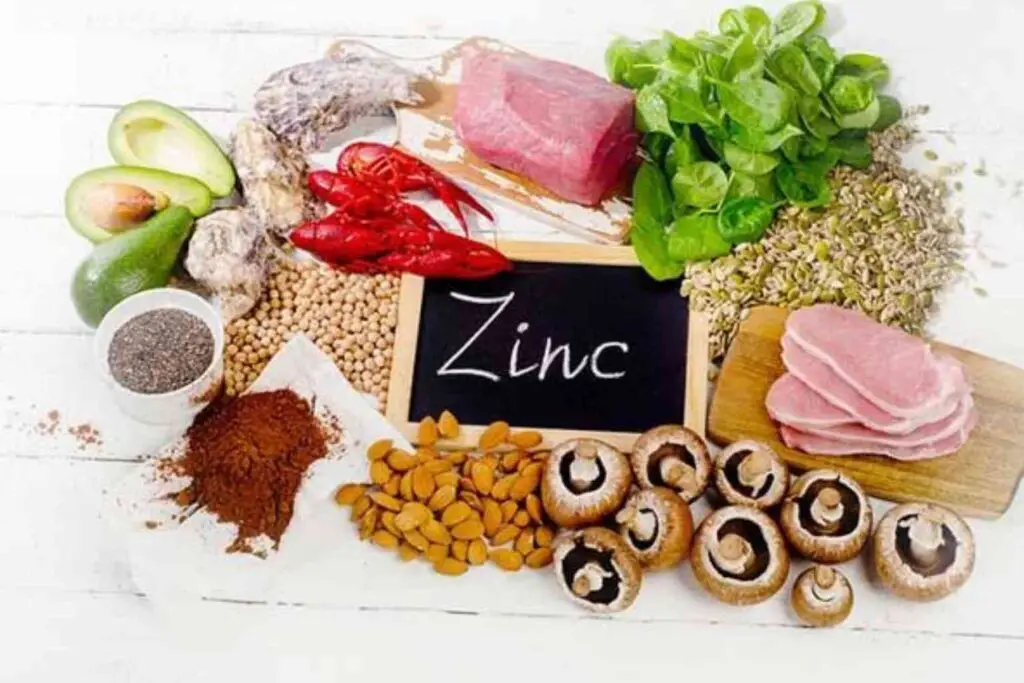
Zinc is found in a range of foods — oysters are by far the richest natural source, followed by red meat, shellfish, legumes, seeds, and dairy. However, plant-based zinc sources contain phytates, antinutrients that bind zinc and significantly reduce absorption. This is why vegetarians and vegans tend to have lower zinc status even when dietary intake looks adequate on paper.
Supplemental zinc comes in several forms with different bioavailability profiles, which we’ll cover later in this post. For most people, supplementing with 15–30 mg of a well-absorbed zinc form daily is sufficient to address common deficiency gaps without tipping into excess.
Zinc Deficiency Symptoms: How to Know If You’re Running Low
Zinc deficiency is more common than most people realize — and its symptoms are easy to misattribute to other causes. The World Health Organization estimates that approximately 17% of the global population is at risk of inadequate zinc intake, with rates considerably higher in regions dependent on plant-heavy, phytate-rich diets.
What makes zinc deficiency particularly tricky is that it rarely presents as one dramatic symptom. Instead, it tends to surface as a cluster of seemingly unrelated issues:
- Frequent colds or slow recovery from illness — the immune system is typically the first system to signal a zinc shortfall
- Slow wound healing — cuts, scrapes, or skin irritations that take longer than expected to resolve
- Loss of smell or taste — one of the more specific early indicators of zinc insufficiency
- Chronic acne or skin inflammation — particularly when topical treatments aren’t producing expected results
- Hair thinning or increased shedding — zinc deficiency is a documented trigger for telogen effluvium, a form of diffuse hair loss
- Low libido or declining energy — especially relevant in men, given zinc’s role in testosterone metabolism
- Brain fog or difficulty concentrating — connected to zinc’s role in neurotransmitter regulation
- White spots on fingernails — a commonly cited sign, though less specific than the others
A note on testing: Serum zinc is the most accessible test, but it has known limitations — serum levels can appear normal even when tissue-level zinc is depleted. If multiple symptoms above are present, it’s worth discussing both dietary intake and supplementation with a healthcare provider rather than relying on a single lab value.
Identifying deficiency early matters because the correction is straightforward and the downstream effects on immunity, hormonal health, and recovery can be significant. The sections below cover exactly how zinc produces those effects at the biological level.
How Does Zinc Work? The Key Mechanisms
Zinc’s breadth of function comes down to its central role in biological chemistry. Here’s what’s actually happening at the cellular level:
1. Enzymatic catalysis. Zinc serves as a cofactor for more than 300 metalloenzymes — proteins that require a metal ion to carry out their function. These enzymes are involved in DNA synthesis, protein metabolism, antioxidant defense (via superoxide dismutase), and many other critical processes. Without adequate zinc, these enzymatic reactions slow or stall.
2. Gene expression and transcription. Zinc-binding proteins called zinc finger proteins are among the most common transcription factors in the human genome. They regulate the expression of genes involved in cell growth, differentiation, and immune response. Zinc literally acts as a molecular switch that turns certain cellular programs on or off.
3. Immune cell signaling. Zinc directly regulates the development and function of multiple immune cell types — including T-cells, B-cells, macrophages, and natural killer cells. It also acts as a signal molecule in immune cascades, helping to calibrate the intensity of inflammatory responses. Both too little and too much zinc can impair immune function.
4. Hormonal synthesis, aromatase inhibition, and testosterone metabolism. Zinc is required for the synthesis and metabolism of several key hormones — including testosterone, insulin, thyroid hormones, and growth hormone. What makes zinc particularly relevant for men’s hormonal health is its role as a natural aromatase inhibitor. Aromatase is the enzyme responsible for converting testosterone into estradiol (estrogen), and zinc has been shown to directly suppress aromatase activity in testicular Leydig cells. In practical terms, this means adequate zinc doesn’t just support testosterone production — it also helps prevent its downstream conversion into estrogen, contributing to a healthier testosterone-to-estrogen ratio. This dual action (supporting synthesis + slowing conversion) is why zinc is consistently included in serious men’s health and hormone support formulas, and why its deficiency has an outsized effect on male hormonal profiles compared to many other nutrients.
5. Antioxidant defense and NF-κB-mediated anti-inflammatory activity. Zinc contributes to oxidative stress management as a component of copper-zinc superoxide dismutase (Cu-Zn SOD), one of the body’s most important antioxidant enzymes. But its anti-inflammatory role goes further than antioxidant capacity alone. Zinc is a direct modulator of the NF-κB signaling pathway — a transcription factor often called the “master regulator of inflammation” because it controls the expression of dozens of pro-inflammatory genes, including those coding for cytokines like IL-6, IL-1β, and TNF-α. When zinc is adequate, NF-κB activation is held in check; when zinc is deficient, this pathway becomes dysregulated and chronic low-grade inflammation tends to escalate. This NF-κB inhibition mechanism is why zinc supplementation studies in older adults consistently show reductions in circulating inflammatory markers — and why zinc’s anti-inflammatory action is considered mechanistically distinct from that of omega-3s or curcumin, which operate through different pathways.
Zinc Benefits: What Clinical Research Actually Shows
1. Immune System Support and Infection Defense
This is where zinc’s evidence base is arguably strongest. Zinc plays an essential, non-negotiable role in maintaining a functional immune system — and its absence creates measurable vulnerability.
A landmark meta-analysis published in The BMJ Open found that zinc lozenges or syrup significantly reduced the duration of the common cold when initiated within 24 hours of symptom onset — with some estimates showing a reduction of 33–40% in cold duration. The proposed mechanism involves zinc ions directly interfering with rhinovirus replication and inhibiting viral attachment to nasal epithelium.
Beyond the common cold, zinc deficiency is consistently associated with increased susceptibility to pneumonia, diarrhea, and respiratory infections — particularly in children and elderly populations. A systematic review in the American Journal of Clinical Nutrition found that zinc supplementation reduced the incidence of lower respiratory tract infections by approximately 41% in children in developing countries.
Honest caveat: Much of the immune research has been conducted in populations with documented zinc deficiency or in vulnerable groups like children and the elderly. Effects in generally well-nourished adults without deficiency may be more modest.
2. Testosterone and Male Reproductive Health
Zinc and testosterone have a well-established relationship, and it’s one of the primary reasons this mineral appears so frequently in men’s health and testosterone support supplements.
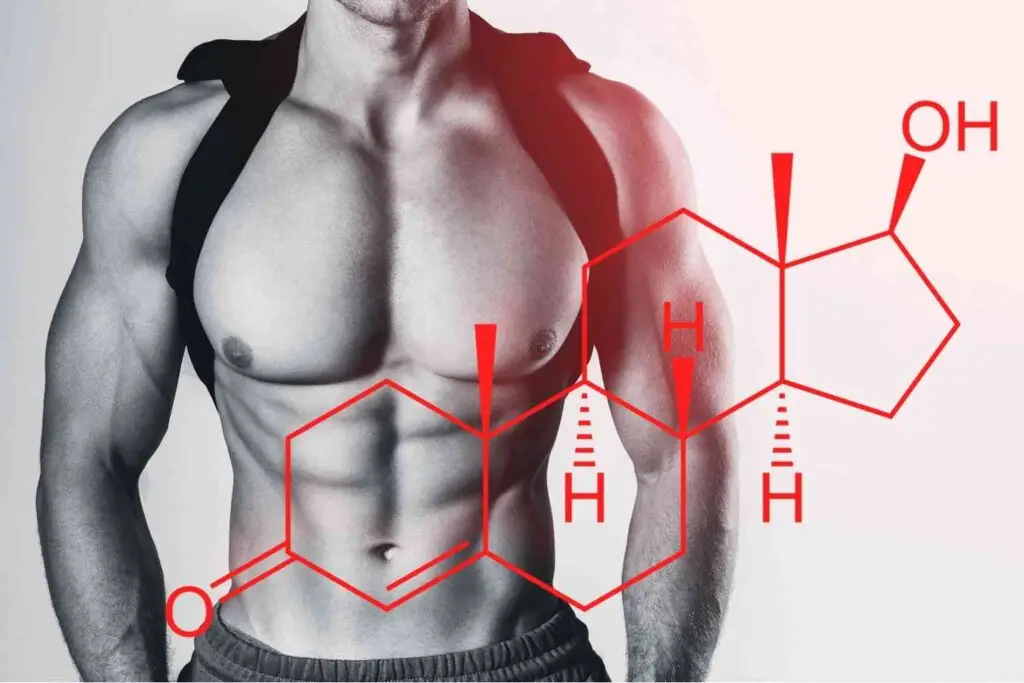
Research has shown that zinc is required at multiple steps of testosterone biosynthesis, and zinc deficiency reliably suppresses testosterone levels. In a frequently cited study published in Nutrition, male subjects who followed a zinc-restricted diet for 20 weeks experienced a dramatic decline in serum testosterone — and restoring zinc intake returned levels to baseline. Importantly, this effect appears most pronounced in men who are actually deficient, not those who already have optimal zinc status.
Zinc also appears to support luteinizing hormone (LH) release from the pituitary — LH is the signal that triggers testosterone production in the testes — and inhibits aromatase activity, potentially helping maintain a healthier testosterone-to-estrogen ratio in men.
Additionally, zinc is heavily concentrated in the prostate gland and plays a direct role in prostate cell metabolism and sperm production. Low zinc has been associated with reduced sperm motility and increased DNA fragmentation in sperm — concerns that are directly relevant to male fertility.
3. Skin Health: Acne, Wound Healing, and Hair Loss
Zinc has one of the strongest evidence bases of any supplement for skin-related applications — and the mechanisms span three distinct but related areas.
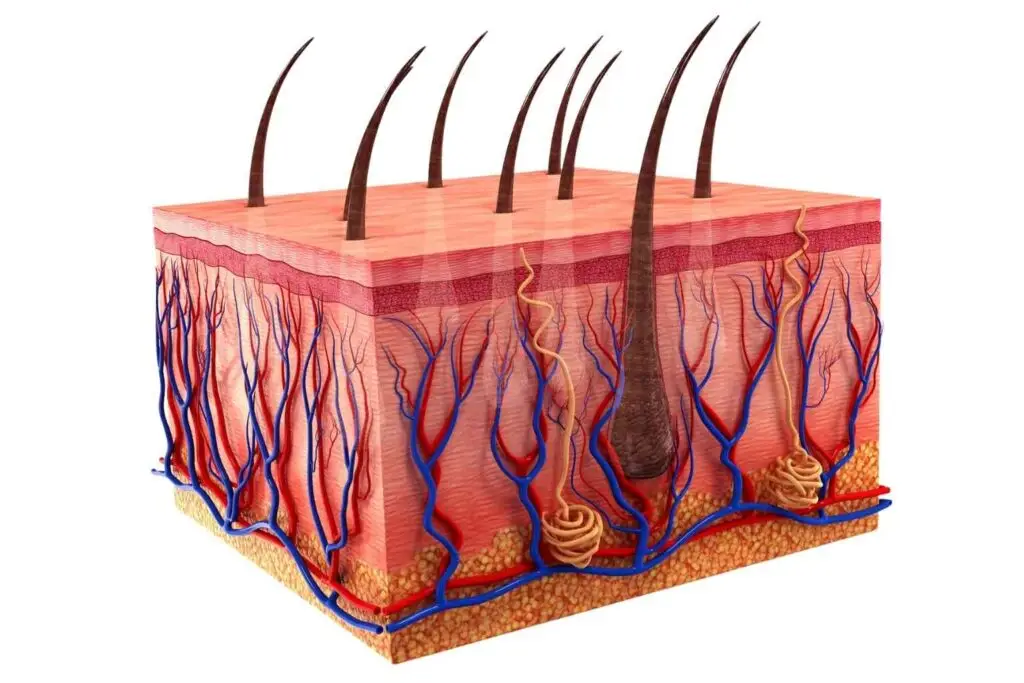
Zinc for acne works through several angles simultaneously: it inhibits the proliferation of Cutibacterium acnes (the primary bacteria involved in inflammatory acne), reduces sebaceous gland activity to lower excess sebum production, and modulates keratinocyte activity that contributes to pore blockage and inflammation. A systematic review in Dermatology confirmed that oral zinc supplementation produces clinically significant reductions in acne severity — though results typically take 8–12 weeks to become apparent and effects are generally more modest than antibiotic therapy.
For those seeking a non-antibiotic option — or dealing with antibiotic-resistant acne — zinc at 30–45 mg/day of a bioavailable form is a reasonable, evidence-supported strategy.
Zinc for hair loss is relevant specifically when deficiency is the underlying cause. Zinc is required for the proliferation of hair matrix cells in the follicle, and its deficiency is directly linked to a type of hair shedding called telogen effluvium — where follicles prematurely enter the resting phase and shed. Multiple case studies and clinical observations have documented hair regrowth following zinc repletion in deficient individuals. Importantly, this effect does not extend to androgenic alopecia (pattern baldness), where zinc plays a less central role.
Wound healing depends on zinc at every stage of tissue repair — from the initial inflammatory phase, through collagen synthesis and new tissue formation, to final remodeling. Surgical guidelines in several countries include zinc status assessment as part of pre-operative care for this reason. Chronic wounds and post-surgical healing that stalls without clear explanation are commonly evaluated for nutritional deficiencies, zinc among them.
Honest perspective: For skin applications, zinc is a meaningful long-game intervention rather than a fast fix. Its effects are real but gradual — which is worth setting expectations around when starting supplementation.
4. Antioxidant and Anti-Inflammatory Activity
Chronic low-grade inflammation underlies a broad spectrum of modern health conditions — from cardiovascular disease to metabolic dysfunction to accelerated aging. Zinc’s role in moderating inflammatory signaling makes it relevant to this picture.
Zinc directly inhibits the NF-κB signaling pathway, a master regulator of inflammation that promotes the production of pro-inflammatory cytokines like IL-6 and TNF-α. Multiple clinical studies have found that zinc supplementation in older adults — a population known for elevated baseline inflammation — measurably reduced inflammatory markers.
A randomized controlled trial in The American Journal of Clinical Nutrition found that older adults supplemented with 45 mg of zinc gluconate daily for six months showed significant reductions in plasma levels of IL-6 and oxidative stress markers compared to placebo. These effects may help explain zinc’s association with healthy aging and reduced chronic disease risk.
5. Cognitive Function, Mood, and the Gut-Brain Axis
Zinc is present in high concentrations in the hippocampus and prefrontal cortex — brain regions central to memory, learning, and executive function. It acts as a neuromodulator, influencing the activity of NMDA and GABA receptors, and plays a role in the synthesis of neurotransmitters including serotonin and dopamine.
Research has found associations between zinc deficiency and symptoms of depression, anxiety, and cognitive impairment — though causality is difficult to establish from observational data alone. More interestingly, several clinical trials suggest that zinc supplementation as an adjunct to antidepressant therapy may accelerate and amplify treatment response. A meta-analysis in Nutritional Neuroscience found that zinc supplementation significantly reduced depression scores across multiple randomized trials.
Separately, zinc is critical for maintaining gut integrity — it helps preserve tight junction proteins in the intestinal lining, reducing intestinal permeability (“leaky gut”) that can contribute to systemic inflammation and mood dysregulation.
Zinc Forms: Which One Should You Choose?
Not all zinc supplements are created equal. Bioavailability — how much of the zinc your body actually absorbs and uses — varies significantly between forms.
Zinc bisglycinate — Zinc bound to glycine, an amino acid. Generally considered the most bioavailable form on the market, with excellent gastrointestinal tolerability. Ideal for daily supplementation, especially for sensitive stomachs.
Zinc picolinate — Bound to picolinic acid. One of the most studied forms, with research suggesting superior absorption compared to zinc citrate and oxide. Commonly used in clinical trials and frequently found in quality supplements.
Zinc citrate — Good bioavailability, mild flavor, and a reasonable price point. A solid middle-ground option for most people.
Zinc gluconate — The form most commonly used in zinc lozenges for cold relief. Decent bioavailability, widely available, and well-tolerated.
Zinc oxide — The most common and cheapest form, often found in multivitamins and sunscreens. Lowest bioavailability of the main options. Worth avoiding if absorption is the goal.
Zinc sulfate — Effective but can cause significant gastrointestinal discomfort at higher doses. More commonly used in clinical settings.
For most supplementation purposes, zinc bisglycinate or zinc picolinate offer the best combination of absorption efficiency and tolerability. If you’re using a zinc lozenge specifically for cold symptoms, zinc gluconate or acetate lozenges have the most evidence.
Who Can Benefit Most from Zinc Supplementation?
Zinc supplementation isn’t necessary for everyone — but certain groups are at meaningfully elevated risk of deficiency and may see the most pronounced benefits:
- Men over 40 — Testosterone naturally declines with age, and zinc status tends to decline alongside it. Supporting zinc intake is a practical, low-risk strategy for men looking to maintain hormonal health.
- Vegetarians and vegans — Plant-based diets are rich in phytates that block zinc absorption. Even with adequate dietary zinc on paper, net absorption is often 15–35% lower than in omnivores.
- People with digestive conditions — Crohn’s disease, celiac disease, IBS, and other GI conditions frequently impair zinc absorption or increase urinary zinc losses.
- Frequent exercisers and athletes — Intense physical activity increases zinc losses through sweat and urine. Athletes, especially those in endurance sports, are at elevated risk.
- Older adults — Both dietary zinc intake and absorption efficiency tend to decrease with age. The connection to immune resilience and inflammation makes this group a prime candidate for modest supplementation.
- People under chronic stress — Cortisol and zinc share metabolic pathways; chronically elevated stress hormones can deplete zinc stores over time.
- Those with acne or chronic skin conditions — Given zinc’s role in sebum regulation and anti-inflammatory activity, skin-focused supplementation is well-supported.
Zinc in Modern Supplements: 3 Formulas Worth Knowing
Zinc rarely stands alone in the supplement world. It’s most effective — and most scientifically interesting — when combined with complementary ingredients that amplify its effects across specific health targets. Here are three formulas that make intelligent use of zinc as part of a broader strategy.
ProstaVive: Zinc at the Center of Prostate and Hormonal Support
Prostate health and testosterone regulation are perhaps the areas where zinc’s role is most clinically meaningful — and ProstaVive is built with exactly this in mind. Zinc is one of the foundational ingredients in this formula, supporting the prostate’s unusually high zinc demand while also contributing to the testosterone-aromatase balance relevant to men’s health after 40. Unlike standalone zinc supplements, ProstaVive pairs zinc with ingredients specifically chosen to create a synergistic environment for prostate and hormonal function. You can read the full breakdown in our ProstaVive review.

Spartamax: Zinc as a Testosterone Foundation in a Complete Men’s Formula
Testosterone support supplements often include zinc because of its well-documented role in LH signaling and testosterone biosynthesis — but most of them use low-quality forms at subtherapeutic doses. Spartamax takes a different approach, incorporating zinc at a meaningful dose alongside a stack of other evidence-informed testosterone-supporting compounds. The result is a formula where zinc anchors the hormonal foundation while other ingredients address different mechanisms of the same goal. Our Spartamax review covers the full ingredient breakdown and what the research says about its formula.

The Zinc + Magnesium Stack: ZMA Context
Zinc and magnesium are frequently paired in formulas commonly known as ZMA (zinc monomethionine/aspartate + magnesium aspartate + B6). The synergy here is practical: both minerals are depleted by exercise, both support testosterone production, and both play roles in sleep quality and recovery. If you’re already familiar with magnesium’s role in the body, the connection to zinc makes even more sense — you can explore that foundation in our post on magnesium benefits.
Dosage, Timing, and Safety
Zinc Dosage
The Recommended Dietary Allowance (RDA) for zinc is 11 mg/day for adult men and 8 mg/day for adult women. The Tolerable Upper Intake Level (UL) — the maximum daily intake considered safe for long-term use — is 40 mg/day for adults.
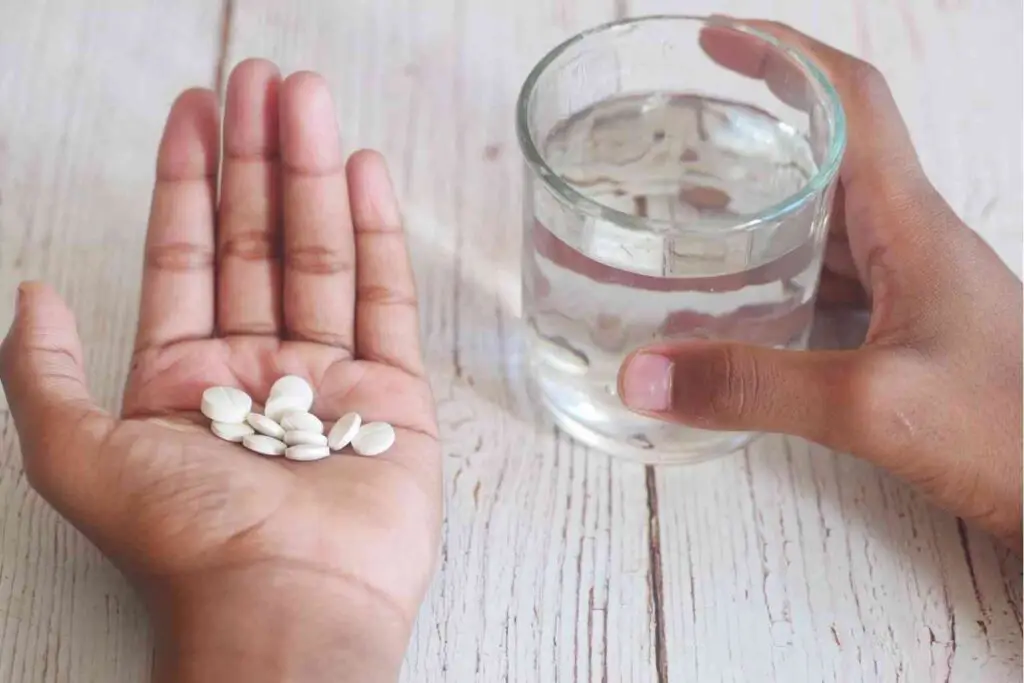
For supplementation purposes:
- General maintenance and immune support: 15–25 mg/day of a bioavailable form
- Therapeutic use (deficiency correction, acne, immune acute support): 25–40 mg/day, typically short-term
- Cold symptom relief (lozenges): 75–100 mg/day of elemental zinc via lozenge form, for no more than a few days at a time
Zinc is best absorbed when taken between meals, though some people find it causes nausea on an empty stomach — in which case taking it with a small amount of food is a reasonable trade-off. Avoid taking zinc at the same time as iron supplements or high-calcium foods, as both can compete for absorption.
Safety and Precautions
Zinc has a solid safety profile at appropriate doses, but there are important boundaries:
- Chronic high doses (>40 mg/day) can cause copper deficiency, since zinc and copper compete for intestinal absorption. Long-term high-dose zinc use should include monitoring of copper status or deliberate copper co-supplementation.
- Gastrointestinal discomfort (nausea, stomach cramps) is the most common side effect, and is dose-dependent and form-dependent. Zinc bisglycinate tends to be the gentlest.
- Zinc nasal sprays have been associated with permanent anosmia (loss of smell) and are not recommended. Oral forms and lozenges do not carry this risk.
- Drug interactions to be aware of: zinc can reduce the absorption of certain antibiotics (quinolones and tetracyclines) and may interact with diuretics and ACE inhibitors. Space supplementation at least 2 hours apart from these medications.
- Pregnancy and breastfeeding: zinc needs increase during pregnancy. Consult a healthcare provider before starting any supplementation regimen.
Frequently Asked Questions (FAQ)
Does zinc actually boost testosterone?
Zinc supports testosterone production, particularly in men who are deficient. Research consistently shows that zinc restriction lowers testosterone and that restoring adequate zinc intake brings levels back up. However, supplementing zinc beyond your needs when you’re already zinc-sufficient is unlikely to produce dramatic testosterone increases. The effect is clearest in men with low-normal zinc status.
What are the most common symptoms of zinc deficiency?
The most frequently reported signs include recurrent infections or slow recovery from illness, slow wound healing, loss of smell or taste, hair thinning, chronic skin issues (including acne), low libido or testosterone, brain fog, and white spots on fingernails. None of these alone confirms deficiency — serum zinc testing is the most direct measure, though it has known limitations.
Can you take zinc every day?
Yes, daily supplementation at doses up to 40 mg is considered safe for most healthy adults. Long-term use above that threshold should be monitored due to copper competition. Many people benefit from cycling zinc supplementation or using a lower daily maintenance dose (15–20 mg) rather than persistent high doses.
What’s the best time to take zinc?
On an empty stomach is ideal for absorption, but if this causes nausea, taking it with a light meal is perfectly fine. Avoid taking it alongside iron supplements, high-dose calcium, or coffee, as these can reduce uptake.
Is zinc good for skin and acne?
Yes — zinc has clinically demonstrated anti-acne activity through several mechanisms: it inhibits acne-causing bacteria, reduces sebum production, and calms inflammatory signaling in the skin. It’s not as fast-acting as topical or antibiotic treatments, but it’s a meaningful evidence-backed approach, particularly for moderate acne or as a maintenance strategy.
How does zinc support the immune system?
Zinc is essential for the development and activation of multiple types of immune cells, including T-cells, B-cells, and natural killer cells. It also acts as a direct antiviral agent in some contexts (particularly against rhinoviruses) and helps regulate the inflammatory response to prevent it from becoming excessive. Even mild zinc deficiency measurably impairs immune competence.
Which zinc supplement is most bioavailable?
Zinc bisglycinate and zinc picolinate are generally considered the most bioavailable oral forms, with zinc citrate and gluconate also performing well. Zinc oxide has the lowest bioavailability and is best avoided if the goal is effective zinc delivery. For cold lozenges, zinc acetate or gluconate are the best-studied forms.
Can zinc help with hair loss?
Zinc deficiency is associated with telogen effluvium (diffuse hair shedding) and alopecia areata. Studies have shown that correcting zinc deficiency can stop or reverse this type of hair loss. However, if your zinc levels are normal, supplementing further is unlikely to promote hair growth beyond baseline.
Does zinc interact with other supplements?
Zinc competes with copper for absorption — this is the most significant interaction to manage. Long-term zinc supplementation should ideally include some copper (a common ratio is 10:1 zinc to copper). Zinc also competes with iron to some degree. Taking zinc with magnesium or B6 is generally fine and may be synergistic for hormonal and recovery applications.
Is zinc safe for older adults?
Zinc is particularly important for older adults, who tend to have reduced dietary intake and impaired absorption. Research supports zinc supplementation for immune resilience and anti-inflammatory effects in this population. At standard doses (15–25 mg/day), zinc is well tolerated in healthy elderly individuals.
The Bottom Line
Zinc earns its place as one of the most important minerals in a well-designed supplement routine — not because of hype, but because its biological role is genuinely foundational. From keeping your immune system responsive to supporting testosterone production, protecting your skin, and regulating inflammation at the cellular level, zinc is involved in processes that affect how you feel and function every day.
That said, supplementing zinc is most impactful when it’s addressing a real gap. Men over 40, vegetarians, athletes, and people with digestive conditions are those most likely to have suboptimal zinc status — and those most likely to see noticeable improvements from targeted supplementation. For everyone else, making sure your supplement stack doesn’t systematically block zinc absorption (excess iron, phytate-rich diets, or low-quality multivitamins with zinc oxide) may matter just as much as adding a standalone supplement.
If you’re looking at specific products that incorporate zinc strategically alongside other complementary ingredients — whether for prostate and testosterone support with ProstaVive, or a broader men’s health formula like Spartamax — understanding zinc’s mechanisms helps you evaluate whether those formulas are actually built to deliver.
Disclaimer: The information in this article is intended for educational purposes only and does not constitute medical advice. Zinc supplementation is generally safe within recommended limits, but individual needs vary. If you suspect zinc deficiency or have a health condition, consult a qualified healthcare provider before starting any new supplement regimen.