The clinical research on lemon balm dosage for anxiety points to a clear dose-response relationship. For acute stress and anxiety relief, 600mg of standardized lemon balm extract outperforms 300mg in controlled trials. For maintenance use or milder anxiety, 300mg taken once or twice daily is a reasonable starting point. The critical variable is not just the number on the label — it’s whether the extract is standardized to rosmarinic acid content, which determines whether the dose is pharmacologically meaningful at all.
Lemon Balm Dosage for Anxiety: What the Research Shows
The most referenced data on lemon balm dosage for anxiety comes from a crossover RCT by Kennedy et al. (2004), published in Psychosomatic Medicine. The study tested 300mg and 600mg of standardized extract against placebo in healthy volunteers over separate seven-day supplementation periods. The 600mg dose produced statistically significant increases in self-rated calmness and reductions in laboratory-induced stress reactivity. The 300mg dose improved mood ratings but fell short of significance on anxiety measures specifically.
A 2014 study published in Nutrients used a standardized preparation before a Trier Social Stress Test and found significant attenuation of state anxiety in the treatment group — again at doses within the 300–600mg range.
The pattern is consistent: 600mg is the dose with the most reliable anxiolytic signal in the literature. 300mg works for mood elevation and mild stress management — but for reducing anxiety specifically, the higher end of the studied range is better supported.
For deeper context on how this dosage connects to lemon balm’s GABA transaminase inhibition mechanism, the full lemon balm benefits guide covers the complete evidence base.
Factors That Affect the Right Dose
Extract standardization. The 300–600mg range is clinically meaningful only when the product is standardized to at least 2% rosmarinic acid. Non-standardized dried herb capsules can contain far less active compound per gram and cannot reliably replicate the effects demonstrated in trials.
Acute use vs. daily maintenance. For a specific high-stress event, a single 600mg dose taken 60 minutes beforehand is supported by the single-dose trial data. For ongoing anxiety management, twice-daily dosing at 300mg each — morning and midday — maintains more consistent GABAergic tone throughout the day.
Baseline anxiety profile. Understanding your own pattern helps narrow the right lemon balm dosage for anxiety to the appropriate end of the range. Mild, stress-driven reactivity responds to the lower threshold. More persistent anxiety or higher baseline cortisol reactivity aligns better with the 600mg protocols.
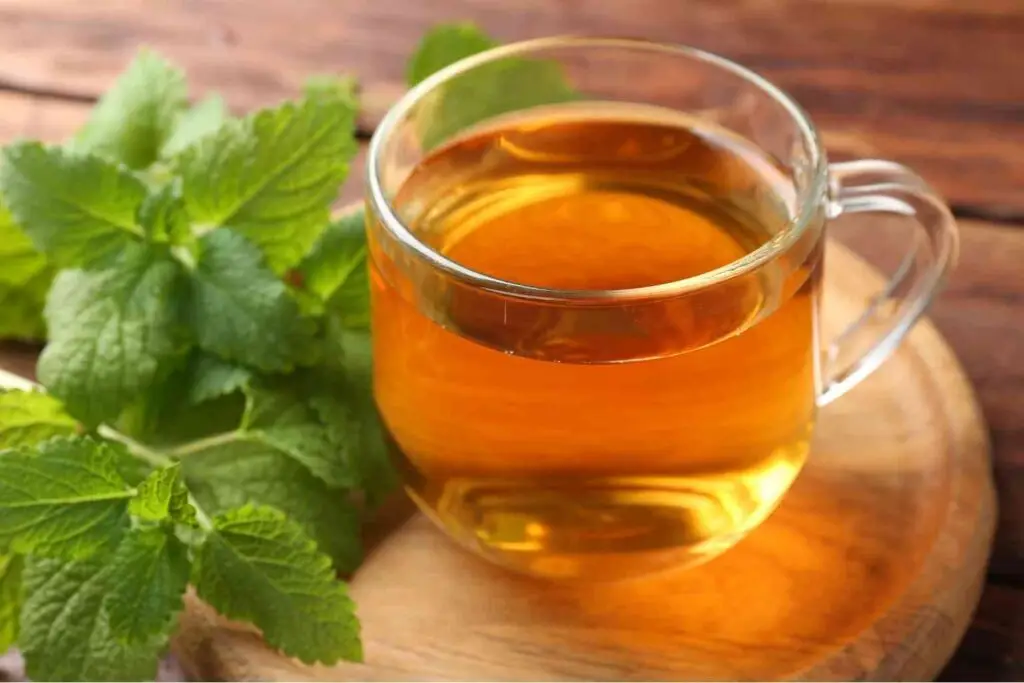
Supplement form. Standardized extract capsules are the highest-reliability format. Teas and tinctures without standardization produce unpredictable active compound delivery and should not be benchmarked against clinical dose ranges.
What to Look For in a Supplement
Before choosing a product, three criteria determine whether the dose on the label will match the pharmacological effect in the research:
- Standardized rosmarinic acid (2% minimum): The biomarker that separates a clinical-grade extract from generic lemon balm powder. Without it, the milligram count has no reliable predictive value.
- Dose range of 300–600mg per serving: Products offering 100–150mg as part of a proprietary blend will not replicate the studied outcomes.
- GMP-certified manufacturing: Ensures consistent dosing across batches, which matters for any cumulative protocol.
If you’re still exploring how lemon balm fits into your daily routine — or how it compares to other natural calming approaches — the complete lemon balm benefits guide covers the full clinical picture, including mechanisms, comparisons, and safety considerations.
Bottom Line
Lemon balm dosage for anxiety research consistently points to 600mg of standardized extract as the most effective single-use dose, with 300mg appropriate for milder stress management or twice-daily maintenance protocols. Standardization to rosmarinic acid content is non-negotiable — without it, the number on the label is not a reliable predictor of effect. Allow at least one week before evaluating results for acute anxiety response, and two to three weeks for cumulative stress-reduction benefits.

Looking for more answers about lemon balm? You might also find these useful:
— How Long Does Lemon Balm Take to Work? Timelines by Health Goal
— Lemon Balm Side Effects on the Thyroid: Who Actually Needs to Worry?
Disclaimer: This article is for informational and educational purposes only and does not constitute medical advice. Results vary by individual. The information presented here is based on publicly available research and is not intended to diagnose, treat, cure, or prevent any condition. Pregnant or breastfeeding individuals, people taking prescription medications, and those with diagnosed health conditions should consult a qualified healthcare provider before starting any new supplement. These statements have not been evaluated by the Food and Drug Administration.