The conversation around best supplements for men over 50 tends to go one of two ways. Either it stays at the surface — multivitamins, fish oil, general wellness — or it gets swept up in testosterone booster marketing that overpromises and underdelivers. Neither approach addresses what actually shifts in the male body after the fifth decade.
After 50, the physiological changes men face are specific, measurable, and interconnected. Testosterone production declines. The protein that binds testosterone in the bloodstream — SHBG — rises, reducing the biologically active fraction. The prostate begins to change. Sleep quality deteriorates. Muscle mass becomes harder to maintain. These are not vague signs of “getting older.” They are documented, well-understood processes — and several natural ingredients have genuine clinical evidence for addressing them directly.
This guide focuses on those specific ingredients. Not on generic wellness, but on the compounds that science has actually studied in the context of aging male physiology — with the evidence, dosages, and realistic expectations clearly explained. That is the standard most best supplements for men over 50 fail to meet — and the one this guide applies to every ingredient covered here.
Why the Body Shifts After 50 — and Why Most Men Don’t Connect the Dots
After 50, low testosterone stops being a future concern and becomes a present reality for most men — but the symptoms rarely announce themselves as hormonal. Energy loss, reduced drive, disrupted sleep, and the steady disappearance of muscle all trace back to the same cascade of physiological changes that accelerates through the fifth and sixth decades.
Testosterone levels begin declining at approximately 1–2% per year after age 30, a gradual erosion that reaches clinical significance for a substantial portion of men by their mid-50s. The American Urological Association estimates that more than 35% of men over 45 have testosterone levels below the threshold for sufficiency. Most of them don’t know it.
Two mechanisms compound the problem. First, SHBG — sex hormone-binding globulin — increases with age, binding circulating testosterone and rendering it biologically unavailable. A man can have total testosterone within “normal” range and still experience every symptom of deficiency if SHBG is elevated and free testosterone is low. Second, chronic cortisol elevation from persistent stress directly suppresses the hypothalamic-pituitary-gonadal axis — the hormonal cascade that governs testosterone production at every level — creating a feedback loop that worsens with the cumulative stress load most men carry by the time they reach their 50s.
The downstream effects reach further than most men anticipate. Low testosterone is independently associated with increased visceral fat accumulation — the metabolically dangerous abdominal fat that worsens insulin resistance. It correlates with reduced bone mineral density, raising long-term fracture risk. It connects to depressive symptoms and cognitive slowdown in multiple large studies. And it interacts directly with prostate health: the prostate is testosterone-responsive tissue, and the hormonal shifts of aging contribute to the benign prostatic enlargement that affects over 50% of men by age 60, disrupting sleep through frequent nighttime urination — which further suppresses testosterone in a compounding cycle.
Understanding this interconnected picture is what separates a useful supplement strategy from a collection of isolated pills.
What Separates a Supplement Worth Taking From One Worth Ignoring
Not all natural supplements for men over 50 are built on the same quality of evidence. Four criteria consistently distinguish the ingredients that produce real results from those surviving on category association.
Human clinical trial data — specifically in men, ideally in older men — is non-negotiable. Animal studies and in-vitro data are hypothesis generators, not evidence of efficacy.
A biologically plausible mechanism specific to aging male physiology matters more than general antioxidant or “wellness” claims. An ingredient that addresses SHBG, cortisol-testosterone suppression, or prostate tissue health is targeting something real and measurable.
Dosage alignment with research is where most commercial supplements fail. An ingredient that works at 600 mg in clinical trials does not work at 50 mg on a proprietary blend label. If dosage isn’t disclosed or doesn’t match the research, the clinical evidence is irrelevant.
Safety in the context of common medications is particularly important after 50, when many men take statins, blood pressure medications, or blood sugar treatments. Some of the most effective natural testosterone-supporting ingredients have real pharmacological activity — which means real interaction potential. These are the four filters applied to every ingredient on this list of best supplements for men over 50.
With these filters applied, seven ingredients consistently earn their place on any honest list of best supplements for men over 50.
7 Best Supplements for Men Over 50: Ingredients With Clinical Evidence for Aging Male Physiology
The best supplements for men over 50 are not simply the ones with the highest marketing spend — they are the ones with peer-reviewed human data on the specific mechanisms that matter after the fifth decade: free testosterone availability, prostate tissue health, cortisol balance, sleep architecture, and the metabolic shifts that make body composition harder to manage with age alone.
Tongkat Ali: The Root That Targets Free Testosterone, Not Just Total T
A 2022 systematic review in Phytomedicine confirmed what several earlier trials had suggested: men taking standardized Tongkat Ali extract showed consistent improvements in free testosterone, not merely total testosterone — a clinically meaningful distinction that most testosterone supplements overlook entirely. It is a distinction that puts Tongkat Ali among the most targeted best supplements for men over 50 dealing with the SHBG problem specifically.
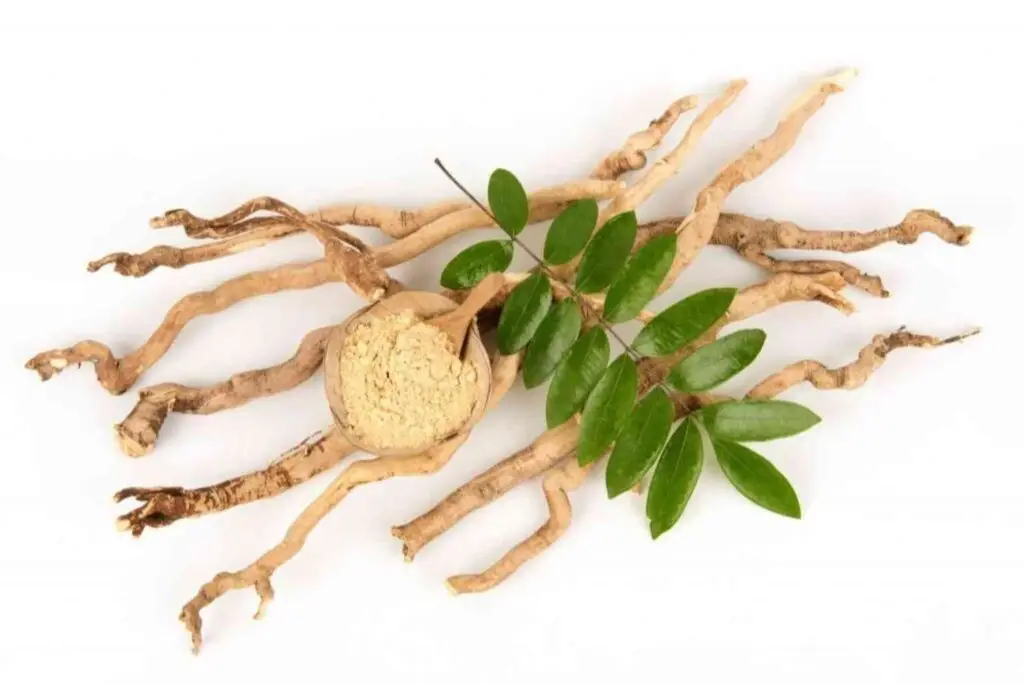
Tongkat Ali — known botanically as Eurycoma longifolia — is a flowering plant native to the rainforests of Malaysia and Indonesia, used as a male tonic in traditional Southeast Asian medicine for centuries. Its bioactive compounds, quassinoids, work through two complementary pathways. The first involves stimulating the Leydig cells in the testes to increase testosterone output. The second, and more relevant for men over 50, involves reducing the binding affinity of SHBG — the protein that rises with age and locks circulating testosterone away from the receptors that actually use it.
For men whose bloodwork shows total testosterone within normal range but who experience every symptom of deficiency, this SHBG mechanism is precisely what matters. A double-blind, placebo-controlled trial published in the Journal of the International Society of Sports Nutrition found that four weeks of standardized Tongkat Ali extract produced significantly increased free testosterone and reduced cortisol in men compared to placebo, alongside improved scores on standardized vitality assessments.
Research doses center on 200–400 mg per day of a standardized extract, with the LJ100 form appearing most consistently in the literature. Effects typically emerge at 4–6 weeks of consistent use. Well tolerated at standard doses, with no significant adverse events in trials.
Ashwagandha: How Reducing Cortisol After 50 Unlocks Testosterone
Chronic cortisol elevation doesn’t just make men feel stressed — it physically suppresses the HPG axis, the hormonal cascade that governs testosterone production at the level of the hypothalamus, pituitary, and testes. This is the biological mechanism that makes ashwagandha one of the most evidence-backed ingredients in aging male health: by reducing cortisol, it removes a direct physiological brake on testosterone synthesis.
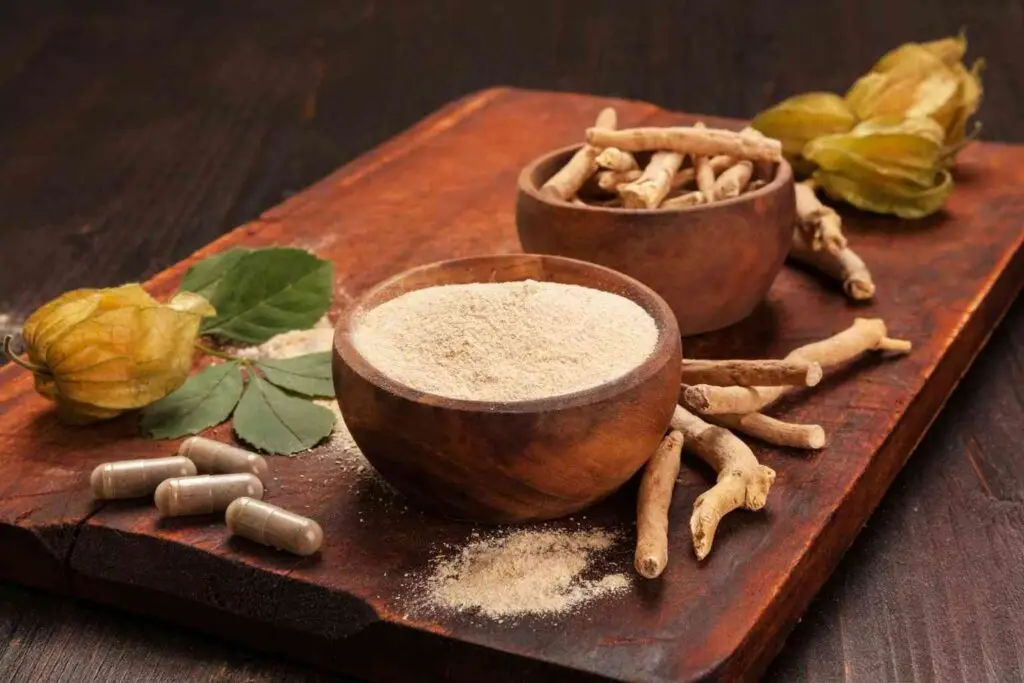
Ashwagandha (Withania somnifera) has been studied more extensively for testosterone and cortisol modulation than almost any other adaptogen, and the results across multiple well-designed trials are consistent. Its bioactive compounds — withanolides — modulate the hypothalamic-pituitary-adrenal (HPA) axis, reducing cortisol output measurably. A double-blind RCT published in the American Journal of Men’s Health found that overweight men aged 40–70 taking ashwagandha extract for eight weeks experienced a 16.6% increase in testosterone compared to placebo. A separate trial in healthy men reported a 14.7% increase alongside significant improvements in muscle strength and recovery.
Beyond testosterone, ashwagandha’s documented effects on sleep quality are directly relevant for men over 50. Research shows consistent improvements in sleep onset latency and sleep efficiency — and given that approximately 70% of daily testosterone production occurs during sleep, improving sleep architecture has a compounding hormonal benefit that extends well beyond the supplement’s direct mechanism.
The most studied standardized extracts are KSM-66 and Sensoril, at 300–600 mg per day. Men with thyroid conditions should consult a physician before use.
Zinc: The Mineral Behind Testosterone Synthesis — and the One Most Men Over 50 Are Running Low On
Zinc deficiency is among the most common and consequential nutritional gaps in American men over 50 — yet it rarely gets the attention it deserves in conversations about hormonal health. The reason matters: zinc is not a peripheral support nutrient for testosterone. It is structurally required for the enzymatic processes that synthesize testosterone in the first place.
Zinc supports the activity of luteinizing hormone (LH), which signals the testes to produce testosterone. It inhibits aromatase, the enzyme that converts testosterone into estrogen — a conversion that increases with body fat, making zinc doubly important for men managing weight after 50. It is the most concentrated mineral in prostate tissue, where it plays a direct role in gland function and cellular health.
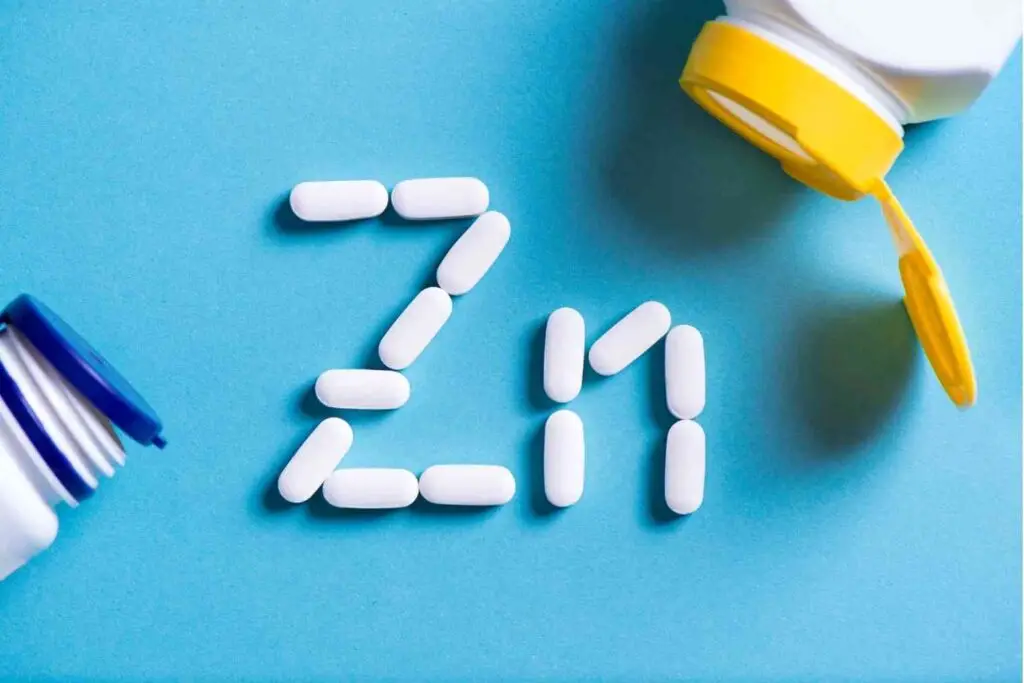
The clinical evidence for zinc’s hormonal role is most compelling in the context of deficiency. A landmark study published in Nutrition found that zinc-deficient men who supplemented for six months experienced close to a doubling of serum testosterone. Studies in older men with marginal deficiency show consistent improvements. The challenge is that many men over 50 are in this category without knowing it: zinc absorption efficiency declines with age, high-carbohydrate diets accelerate urinary zinc excretion, and many men who limit red meat and shellfish simply don’t consume adequate amounts.
Supplemental zinc at 15–30 mg per day in bioavailable forms — zinc picolinate or bisglycinate — addresses this gap. Long-term doses above 40 mg per day can interfere with copper absorption, so adequacy is the goal, not excess. For this reason, zinc consistently earns its place in any evidence-based list of best supplements for men over 50.
Nettle Root: The Overlooked Ingredient That Frees Bound Testosterone
Here is a physiological reality most testosterone-focused content ignores: a man can have plenty of testosterone circulating in his bloodstream and still experience low-T symptoms if the majority of it is bound to SHBG and unavailable to his tissues. After 50, SHBG levels rise significantly — which means the gap between total testosterone and free testosterone widens even as production declines.
Nettle root (Urtica dioica) addresses this mechanism specifically. Its compounds — particularly beta-sitosterol and other sterols — compete with testosterone for SHBG binding sites, effectively releasing more free testosterone into circulation without raising total testosterone production. This is a complementary pathway to Tongkat Ali’s mechanism, making the two ingredients particularly well-suited to be used together.

Beyond SHBG, nettle root has a well-established evidence base in prostate health. Multiple randomized controlled trials, including a 2005 study in Phytomedicine, found that nettle root extract significantly improved lower urinary tract symptoms associated with benign prostatic hyperplasia — the prostate enlargement that disrupts sleep and quality of life for the majority of men after 60. For men managing both hormonal decline and early prostate symptoms, nettle root’s dual mechanism makes it one of the more strategically useful ingredients on this list.
Research doses range from 120–360 mg per day of root extract, standardized for active compounds.
Magnesium: Sleep, Stress, and Testosterone Are All Running on the Same Mineral
Most men over 50 who experience low energy, poor sleep, and reduced physical performance don’t think of magnesium as part of the picture. They should. Magnesium is required for over 300 enzymatic processes in the human body — and three of the most consequential for men after 50 are testosterone synthesis, sleep architecture, and cortisol regulation.
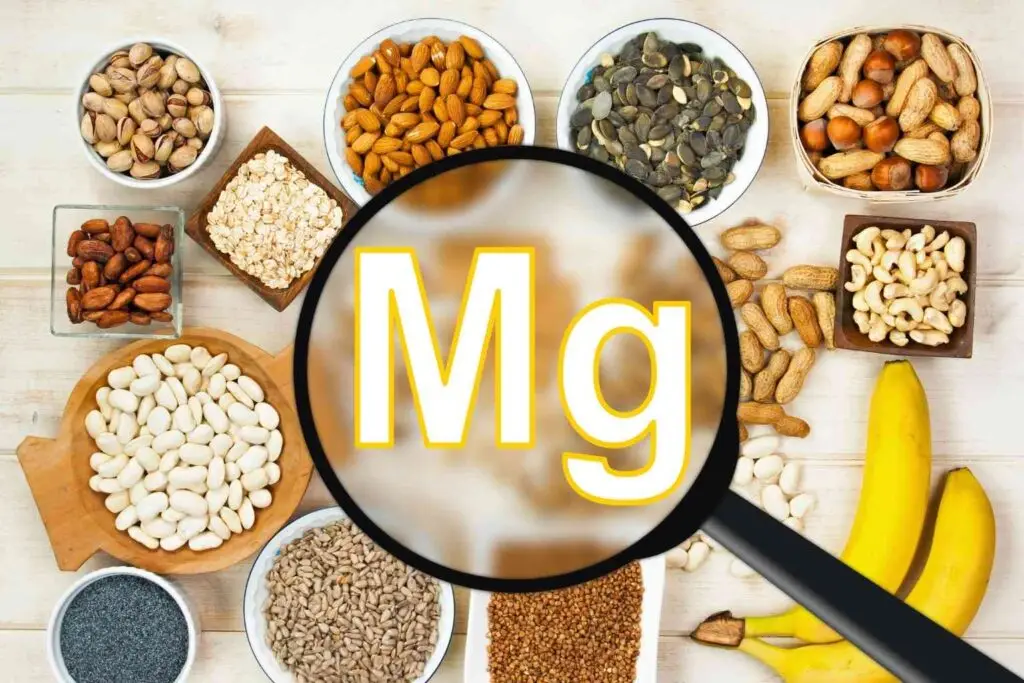
On the hormonal side, magnesium modulates SHBG binding in a way that increases free testosterone — a 2011 study in Biological Trace Element Research found that both sedentary and exercising men showed significant increases in free and total testosterone after four weeks of magnesium supplementation. The effect was stronger in men who exercised, suggesting that magnesium amplifies the testosterone response to physical activity.
The sleep connection is direct and often underappreciated. Magnesium activates GABA receptors in the brain — the same inhibitory system that calms neural activity and enables the transition into deep, slow-wave sleep stages. Since the majority of daily testosterone production occurs during slow-wave sleep, magnesium’s role in sleep architecture has downstream hormonal consequences that compound over time.
Dietary intake of magnesium in American men over 50 is consistently below recommended levels. Highly absorbable forms — magnesium glycinate or magnesium threonate — at 300–400 mg per day are the standard supplemental approach. Taking it in the evening takes advantage of the GABA-activating effect for sleep.
Vitamin D: More Hormone Than Vitamin — and Why Deficiency After 50 Is More Common Than Most Men Know
Calling vitamin D a “vitamin” is technically inaccurate and practically misleading. It is a steroid hormone precursor, synthesized through the same biochemical pathway that produces testosterone and other steroid hormones. Vitamin D receptors are present in Leydig cells — the primary testosterone-producing cells in the testes — and adequate vitamin D status is directly associated with healthier testosterone levels in multiple large population studies.
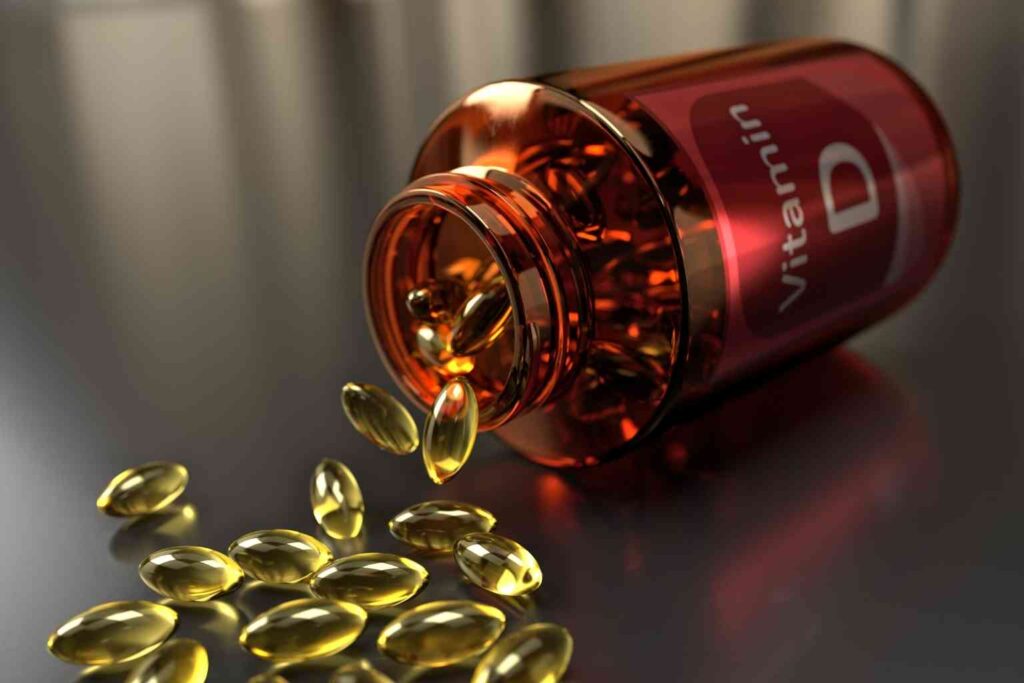
A yearlong randomized controlled trial published in Hormone and Metabolic Research found that men taking 3,332 IU of vitamin D daily increased testosterone levels by approximately 20% compared to the placebo group — a clinically significant improvement from a supplement that also supports bone density, immune function, and cognitive health simultaneously.
The deficiency problem is particularly acute for men over 50. Skin efficiency in converting sunlight to vitamin D declines by up to 50% with age. Indoor lifestyles reduce exposure. And vitamin D’s fat-soluble nature means that obesity — increasingly common in this age group — effectively sequesters it in adipose tissue, reducing circulating levels despite adequate intake.
The National Institutes of Health recommends 600–800 IU for men over 50, but most clinicians working in integrative medicine suggest 2,000–4,000 IU for men with low baseline levels. A blood test measuring 25(OH)D is the only reliable way to assess status and guide dosing.
Panax Ginseng: Circulation, Cognitive Sharpness, and Physical Drive From One Root
Panax ginseng (Panax ginseng C.A. Meyer) brings something to the stack that none of the other ingredients on this list addresses as directly: the circulatory and nitric oxide mechanisms that underpin erectile function, physical endurance, and the vascular health that becomes increasingly relevant after 50.

Its primary bioactive compounds, ginsenosides, operate through multiple physiological pathways simultaneously. They enhance nitric oxide production in vascular and penile tissue — promoting vasodilation and improving blood flow through a mechanism pharmacologically related to, but distinct from, pharmaceutical PDE5 inhibitors. They modulate Leydig cell function, contributing modest testosterone support. And they reduce exercise-induced oxidative stress in muscle tissue, improving physical recovery and reducing the fatigue that compounds with age.
A rigorous meta-analysis in the British Journal of Clinical Pharmacology evaluating seven randomized controlled trials found significant improvements in erectile function scores in men taking Panax ginseng compared to placebo. A 2020 meta-analysis in the Journal of Ginseng Research confirmed consistent improvements in physical performance metrics — reduced exercise fatigue, better oxygen utilization, faster recovery. For men over 50 managing the physical and circulatory dimensions of vitality alongside hormonal changes, ginseng’s multi-system action makes it a particularly well-rounded addition.
Research doses range from 1,000–2,000 mg per day of root extract, standardized for ginsenoside content.
Complete Formulas: Best Supplements for Men Over 50 That Combine These Ingredients
Managing seven individual supplements — sourcing, timing, and dosing each correctly — is impractical for most men. The best supplements for men over 50 in complete formula format combine the most evidence-backed ingredients from this list into a single daily product, designed around the overlapping hormonal and vitality challenges of aging men. Both have been specifically evaluated in the context of what best supplements for men over 50 need to address beyond single-ingredient support. Two products are worth knowing about in detail, because they approach the problem from different but complementary angles.
Spartamax — Testosterone Support, Drive, and Physical Performance
Spartamax is formulated specifically around the performance and testosterone dimensions of male aging: it includes Tongkat Ali, maca root, and Panax ginseng alongside circulatory support compounds targeting blood flow, stamina, and physical recovery. For men whose primary concerns are declining drive, reduced physical performance, and hormonal support without a separate prostate-focused formula, Spartamax offers a well-structured daily option.
Its multi-ingredient approach addresses testosterone availability (Tongkat Ali’s SHBG mechanism), libido and physical endurance (maca and ginseng), and the circulatory systems that underpin sexual function and exercise performance — covering more physiological ground in a single product than most single-ingredient supplements can.
Read our full review of the formula, ingredients, and what to expect from consistent use: Spartamax Review.
ProstaVive — When Prostate Health and Hormonal Vitality Need to Be Addressed Together
For men over 50 who are navigating both the hormonal dimension of vitality and the beginning of prostate-related concerns — a very common combination after 45 — ProstaVive addresses both simultaneously. Its formula includes ashwagandha and Panax ginseng alongside prostate-specific compounds that reduce inflammatory burden on the gland and support healthy urinary function.
The prostate-testosterone connection is more consequential than most men realize. Prostate enlargement disrupts sleep through frequent nighttime urination, and disrupted sleep directly suppresses testosterone — a cycle that accelerates hormonal decline faster than age alone would predict. Addressing both the prostate and the hormonal environment at once is not redundant. For men in this position, it is the more complete strategy.
Full review: ProstaVive Review.
How to Build a Supplement Routine After 50 That Gets Results
Supplements for men over 50 deliver their best outcomes when sequenced correctly and paired with the lifestyle fundamentals that no supplement can replicate. A few principles make a measurable difference.
Correct deficiencies before adding adaptogens. Zinc and vitamin D deficiencies create hard biochemical ceilings on testosterone production that no botanical ingredient can compensate for. A simple blood panel before starting a supplement regimen gives you baseline data and identifies the gaps that deserve first priority.
Take fat-soluble ingredients with meals. Vitamin D and fat-soluble botanical extracts absorb meaningfully better alongside dietary fat. Building supplementation into an existing meal routine also eliminates the consistency problem — the most common reason supplements don’t work.
Allow 8–12 weeks before evaluating. Ashwagandha, Tongkat Ali, and zinc need consistent daily use over weeks before measurable hormonal changes appear. Stopping after two weeks because results aren’t dramatic is the single most common reason men dismiss ingredients that were working.
Pair with resistance training. The testosterone-stimulating effects of compound exercise and the mechanisms of natural testosterone support are additive, not redundant. Men who strength train two to four times per week while supplementing consistently show stronger outcomes across every relevant study.
Consult your physician if you take medications. Ashwagandha, ginseng, and fenugreek have real pharmacological activity. Men on thyroid medications, blood sugar treatments, or anticoagulants need medical supervision before combining these ingredients with their existing regimen.
Do Testosterone Supplements Actually Work for Men Over 50?
Yes — with important specificity. For men with deficiency-driven decline, the right ingredients produce real and measurable results: Tongkat Ali and ashwagandha have multiple RCTs showing 14–20% testosterone increases; zinc supplementation in deficient men has shown near-doubling of serum levels in controlled studies; vitamin D produced a 20% testosterone increase in a yearlong trial. These are not trivial effects. They are clinically meaningful improvements for men in the lower ranges of normal or below.
For men with clinically optimal testosterone levels seeking dramatic transformation, the picture is more modest. Natural supplements do not replicate the effects of testosterone replacement therapy. What they can realistically deliver — consistently and safely — is improved energy, better libido, faster physical recovery, and a more favorable body composition trajectory over 3–6 months of consistent use.
The gap between what these ingredients can do and what their marketing claims they can do is real. Acknowledging it is part of using them effectively.
Are there any risks? At evidence-based doses, the ingredients discussed here have favorable long-term safety profiles. The main caution is interaction with pharmaceutical medications — particularly blood thinners, thyroid drugs, and glucose-lowering agents. If you’re managing any diagnosed condition, a conversation with your prescriber before adding these supplements is not optional.
How long before results are noticeable? Energy and libido improvements often emerge first, within 2–4 weeks for some men. Measurable changes in serum testosterone from ashwagandha and Tongkat Ali typically require 6–12 weeks. Body composition changes — which reflect the downstream effects of improved hormonal status — require at least 12 weeks to assess meaningfully.
The Bottom Line: What the Best Supplements for Men Over 50 Can and Cannot Do
The best supplements for men over 50 are not a shortcut — they are a precision tool. Used consistently alongside the lifestyle fundamentals that no supplement replaces, the seven ingredients discussed here address the specific biological mechanisms of aging that determine how a man feels, performs, and functions after 50: free testosterone availability, SHBG reduction, cortisol-testosterone balance, sleep quality, prostate tissue health, and the circulatory and metabolic systems that underpin physical vitality.
What they cannot do is compensate for chronic sleep deprivation, a sedentary lifestyle, or a nutritionally poor diet. The research behind every ingredient on this list was conducted in people living real lives — and the results are consistently stronger in those who combine supplementation with even modest lifestyle improvements.
If you’re managing testosterone decline, prostate health, and overall vitality simultaneously, the ingredient list above — or a complete formula like Spartamax or ProstaVive — offers a well-evidenced starting point. For a deeper dive into the testosterone mechanisms specifically, our guide on natural testosterone supplements covers the research in further detail.
The decline is real. So is the body’s responsiveness to the right inputs, consistently applied.
This article is for informational and educational purposes only and does not constitute medical advice. Results vary by individual. The information presented here is based on publicly available research and is not intended to diagnose, treat, cure, or prevent any condition. Pregnant or breastfeeding individuals, people taking prescription medications — including blood thinners, thyroid medications, and glucose-lowering drugs — and those with diagnosed health conditions should consult a qualified healthcare provider before starting any new supplement. These statements have not been evaluated by the Food and Drug Administration.