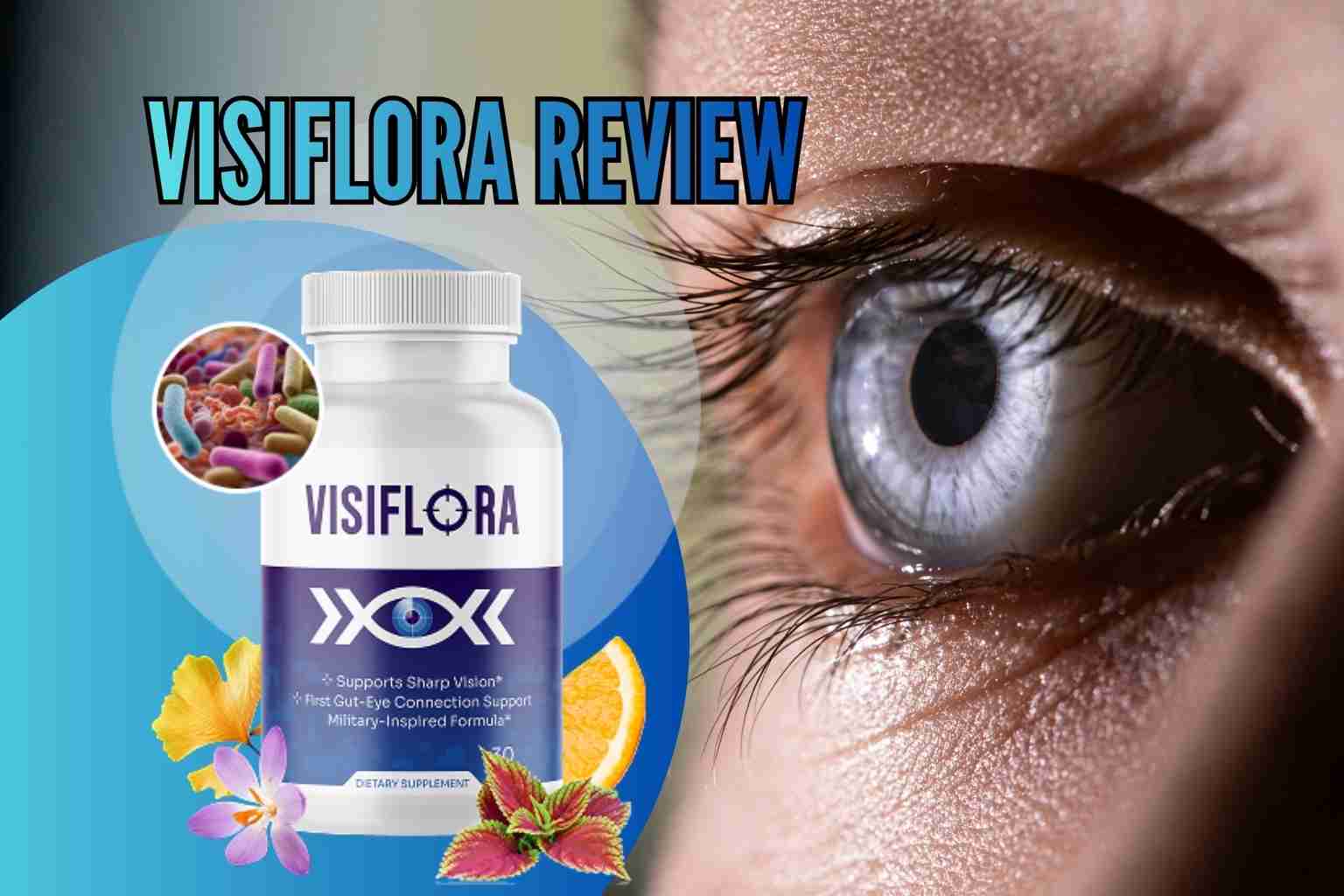
Your eyes started changing before you noticed. Somewhere in your forties — or maybe it crept in earlier — text on a screen began to feel harder to track by late afternoon. Night driving became something you think about instead of something you just do. Colors lost a little of their edge, and your eyes arrived at the end of each day heavy and dry in a way they never used to.
Most people assume this is simply aging doing what aging does. And to a degree, they’re right — but that doesn’t mean there’s nothing worth doing about it. The real question is whether the tools available are genuinely useful or just well-marketed noise.
That’s exactly what this Visiflora review is here to answer. Not the brand’s own claims, but a clear-eyed look at the ingredients, the science behind the formula’s core mechanism, and what people who use it actually report. If you’re considering this as your next eye health supplement — or your first — you’ll have everything you need to make a sound decision by the end of this page.
One thing sets Visiflora apart from the beginning: it doesn’t treat vision health as purely an ocular problem. It also addresses the gut — and the connection between those two systems is more relevant than most people realize. More on that shortly.
If you’d prefer to explore the product before finishing the full analysis, the official website has complete information on the formula, current pricing, and the 60-day money-back guarantee. Visit the official Visiflora website here — every order is fully protected, so there’s no financial risk in taking a closer look.

What Is Visiflora and Who Is It For?
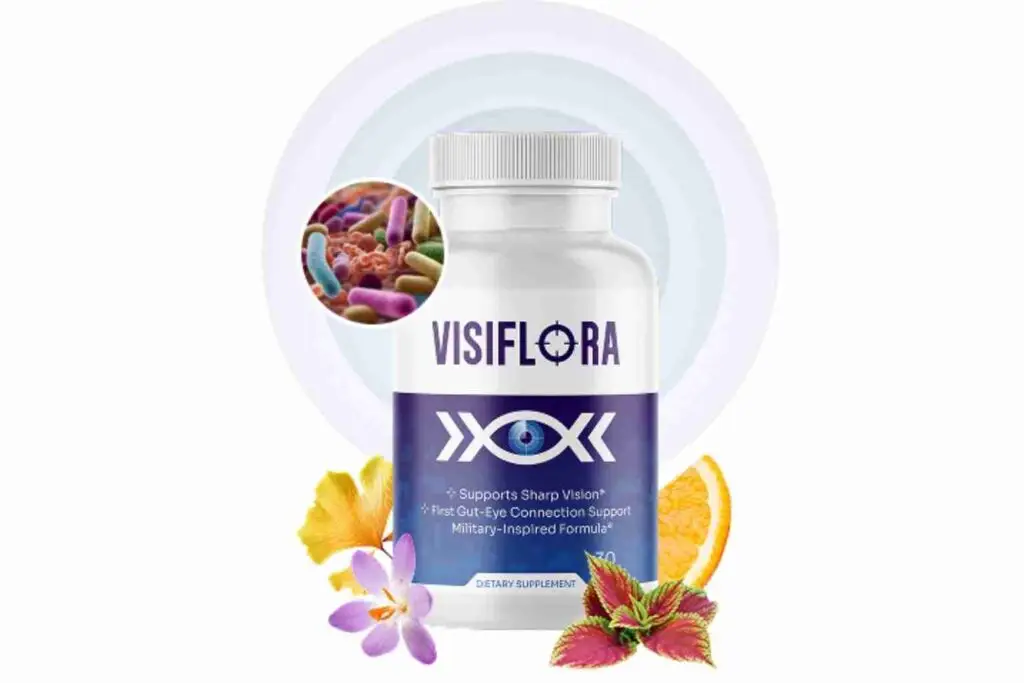
Visiflora is a daily dietary supplement designed to support vision clarity, macular wellness, and long-term eye comfort. Where most eye vitamins stop at delivering nutrients directly to ocular tissue, Visiflora adds a second layer: supporting gut health as a pathway to better nutrient absorption and reduced systemic inflammation — both of which have measurable consequences for eye health. The formula is produced in the United States in a GMP-certified, FDA-registered facility, made with non-GMO, stimulant-free, and fully vegan ingredients.
A Different Approach to Vision Support
The standard blueprint for eye supplements hasn’t changed much in decades: lutein, zeaxanthin, some vitamin C, vitamin E, and zinc — a formula built loosely around the AREDS2 protocol and not much else beyond that. Visiflora includes those foundations, but the formula doesn’t stop there.
What makes Visiflora a different kind of natural vision support supplement is its structural logic. Rather than simply stacking more antioxidants into a capsule, it addresses two distinct problems simultaneously: delivering the right nutrients to the retina and macula, and optimizing the gut environment that determines how much of those nutrients actually reach their destination. That’s a more complete system — and it’s the design choice that separates this formula from most of what’s on the market.
Is Visiflora Right for Your Eye Health Goals?
Visiflora was developed with a specific profile in mind: adults over 40 dealing with the gradual, often subtle effects of aging on their eyes. If you spend long hours on screens and notice your eyes feel fatigued or dry by late afternoon, if low-light vision has gotten noticeably worse over the years, or if you simply want to protect your macular health before symptoms become obvious — this eye health supplement for people over 40 was built with your situation in mind.
For you who have been putting off doing something deliberate about your eye health, waiting for a clearer reason to act: the earlier you start supporting the retina and macula nutritionally, the more value that support delivers over time.
How Does Visiflora Work? The Gut-Eye Connection Explained
The science behind Visiflora centers on what researchers call the gut-eye axis — the idea that digestive health has a direct and measurable influence on eye tissue through shared inflammatory pathways, absorption efficiency, and the integrity of biological barriers that protect the eye’s most sensitive structures.
Why Your Gut Affects Your Vision More Than You Think
The gut-eye axis isn’t marketing language dressed up as science. It reflects a legitimate and active area of biomedical research. Observational studies and mechanistic investigations suggest that chronic low-grade inflammation originating in the gut contributes to elevated circulating inflammatory markers — and those markers affect delicate tissues throughout the body, including the retina and optic nerve.

Central to this is the concept of gut permeability. When the intestinal lining becomes compromised, bacterial toxins known as lipopolysaccharides (LPS) can enter systemic circulation and trigger inflammatory responses in remote tissues. The eye — with its highly specialized photoreceptors, microvasculature, and neural components — is particularly vulnerable to that kind of persistent, low-level oxidative and inflammatory pressure. The research here is still developing, and no finished supplement has been clinically proven to treat any eye condition by targeting the gut. The mechanistic foundation, however, is scientifically solid and actively being studied, which makes Visiflora’s dual-focus approach a forward-thinking design choice rather than a positioning gimmick.
From the Gut to the Retina: How Nutrients Reach Your Eyes
Even if a formula contains exactly the right nutrients for your eyes, those nutrients can only work if the body absorbs and delivers them efficiently. Fat-soluble compounds like lutein, zeaxanthin, and astaxanthin depend on healthy lipid digestion and gut barrier integrity for optimal uptake. A compromised gut environment means a percentage of every supplement you take simply passes through without contributing much.
Visiflora addresses that gap from both ends — pairing retinal-specific nutrients with gut-supportive compounds that reinforce the absorption pathway. That’s why this natural supplement for eye strain is structured as a system rather than a list of individual ingredients. The whole is designed to work more coherently than the sum of its parts.
Visiflora Ingredients: What’s Inside and Why It Matters
A supplement earns trust through its ingredient list. Below is a complete breakdown of every active compound in the Visiflora formula — where each one comes from, how it works, and why it belongs in a formula designed for long-term eye health.
Astaxanthin — The Antioxidant Built for Eye Tissue
Astaxanthin comes from Haematococcus pluvialis, a freshwater microalgae that produces it as a protective mechanism under environmental stress — the same compound that gives flamingos and wild salmon their characteristic color. Among antioxidants, astaxanthin occupies a rare position: it can cross the blood-retinal barrier, delivering its protective effects directly to the layers of the eye that need it most. A randomized controlled trial published in Nutrients documented significant reductions in eye fatigue and improvements in accommodation — the eye’s ability to shift focus — among office workers supplementing with astaxanthin during periods of prolonged screen use. For anyone whose daily life involves hours of digital eye strain, this is one of the more directly relevant ingredients in Visiflora’s formula.
Vitamin C & Vitamin E — Classic Antioxidant Duo
These two vitamins appear together in Visiflora for reasons well-rooted in clinical evidence. Vitamin C is found in high concentrations in the aqueous humor, where it plays a key role in protecting the eye against ultraviolet-induced oxidative damage and supports collagen structure in the cornea. Vitamin E works at the level of cell membranes, shielding the phospholipid layers of photoreceptors from lipid peroxidation — one of the primary mechanisms of retinal aging. Both vitamins are central to the AREDS2 protocol, developed by the National Eye Institute after a large-scale clinical trial demonstrated meaningful reductions in progression risk for age-related macular degeneration. Their presence in Visiflora reflects evidence-based formulation, not ingredient novelty.
Copper & Selenium — Trace Minerals That Guard Eye Tissue
Copper functions as a cofactor for superoxide dismutase — an antioxidant enzyme that neutralizes some of the most damaging reactive oxygen species generated in metabolically active tissues like the retina. Adequate copper levels support structural proteins in the sclera and contribute to the enzymatic antioxidant network throughout the eye. Selenium, in turn, is essential for producing glutathione peroxidase, widely regarded as the primary antioxidant enzyme of the crystalline lens. Epidemiological data has linked low selenium status to greater oxidative burden in the lens — a pattern that corresponds with increased risk of age-related lens changes. Together, these trace minerals underpin a layer of enzymatic defense that complements the direct antioxidant activity of the carotenoids and polyphenols elsewhere in the formula.
Chromium — Blood Sugar Balance and Long-Term Eye Comfort
Chromium is an essential trace mineral that supports the body’s sensitivity to insulin and helps regulate how glucose is processed at the cellular level. Its connection to eye health becomes clear when you consider what chronic blood sugar fluctuations do to the microvasculature: glycation stress gradually affects the tiniest blood vessels in the body, and the capillaries feeding the retina are among the most vulnerable to that process. By contributing to metabolic stability and healthy insulin response, chromium supports the vascular environment that long-term eye comfort depends on. For anyone over 40 who is attentive to their metabolic health, its presence in Visiflora is a genuinely strategic inclusion.
Grape Seed Extract — Vascular Support for Sharper Vision
Derived from the seeds of Vitis vinifera, grape seed extract is one of the most concentrated natural sources of oligomeric proanthocyanidins (OPCs) — polyphenols with well-documented effects on capillary integrity and microcirculation. European herbal medicine recognized these properties centuries before clinical research confirmed them: grape seed preparations have long been used to address venous fragility, bruising, and circulatory insufficiency. In the context of eye health, the application is direct. The retina is among the most metabolically demanding tissues in the body, and it depends entirely on a dense network of fine capillaries to receive oxygen and nutrients. Grape seed extract strengthens that network structurally — reducing the risk of capillary leakage and supporting consistent blood flow to the delicate structures where vision is processed.
Rutin — Strengthening the Tiny Blood Vessels That Feed Your Eyes
Rutin is a bioflavonoid found naturally in buckwheat, apple skins, and citrus pith. Its primary contribution in vascular contexts is structural: it reinforces capillary walls by reducing their abnormal permeability and fragility, which has a direct effect on the microvasculature feeding the retina. The capillaries of the eye are among the narrowest in the body, and any compromise in their integrity translates quickly into impaired retinal nutrition and drainage. Rutin works through several complementary pathways — inhibiting enzymes that degrade vascular proteins, moderating platelet aggregation, and demonstrating anti-inflammatory activity in vascular tissue. Alongside grape seed extract and quercetin, it forms a coherent vascular support complex within the Visiflora formula.
Quercetin — Nature’s Anti-Inflammatory for Eye Tissue
Capers, red onion, and apple skins are among the richest dietary sources of quercetin — one of the most extensively studied flavonoids in nutritional science. Its relevance to Visiflora’s design operates through two distinct but complementary mechanisms. First, quercetin functions as a potent antioxidant with demonstrated affinity for ocular tissue: in vitro research shows it protects retinal cells from hydrogen peroxide-induced oxidative damage, one of the key drivers of photoreceptor decline. Second — and particularly relevant to the gut-eye strategy — quercetin modulates tight junction proteins in the intestinal lining, reinforcing the gut barrier that prevents inflammatory toxins from entering systemic circulation. It’s one of the formula’s true bridge ingredients, working simultaneously on the eye and on the absorption pathway that feeds it.
Taurine — The Amino Acid Your Retina Depends On
The retina contains some of the highest concentrations of taurine found anywhere in the mammalian body — a distribution that reflects how central this amino acid is to visual function. Taurine participates in phototransduction, the biological cascade by which photoreceptor cells convert incoming light into the electrical signals the brain interprets as vision. Animal studies have demonstrated that taurine depletion leads to progressive photoreceptor degeneration — a finding that points to just how foundational this compound is to retinal structure over the long term. Because taurine is found predominantly in animal proteins — particularly shellfish and red meat — individuals following plant-based diets often carry lower baseline levels than ideal. Its inclusion in Visiflora addresses a genuine nutritional gap that most eye supplements don’t acknowledge at all.
Alpha Lipoic Acid — Cellular Defense That Goes the Distance
Among the antioxidants in Visiflora, alpha lipoic acid occupies a structurally unique position: unlike most compounds that operate in either water-soluble or fat-soluble environments, it is active in both. This dual solubility allows it to reach and protect virtually any cellular compartment — a property that makes it exceptionally versatile in a multi-target formula. Research has explored its role in protecting the crystalline lens from progressive oxidative changes, and it also acts as a regenerator of other antioxidants — restoring vitamins C and E and glutathione after they’ve neutralized free radicals, effectively multiplying their protective capacity across cycles of use. Beyond the lens, alpha lipoic acid has been studied in the context of neuroprotection for the optic nerve, where its ability to cross cellular membranes gives it access that most other antioxidants cannot match.
Ginkgo Biloba — Circulation Support for Eye Blood Flow
Ginkgo biloba is extracted from the leaves of one of the oldest tree species still living on Earth — a plant used in traditional Chinese medicine for thousands of years and, today, among the most extensively researched botanicals in the world. Its primary mechanism in the context of ocular health is microcirculatory: ginkgo improves blood flow through small vessels by inhibiting platelet-activating factor and reducing blood viscosity, while simultaneously offering neuroprotective effects on retinal ganglion cells. Randomized controlled trials in patients with normal-tension glaucoma have documented measurable improvements in optic nerve perfusion following ginkgo biloba supplementation — real, quantifiable benefit for the vascular supply to the nerve responsible for transmitting visual signals to the brain. For anyone attentive to optic nerve health and long-term ocular circulation, this is one of the most substantively researched ingredients in Visiflora.
Coleus Forskohlii — Pressure Balance Inside the Eye
Native to the subtropical highlands of India and a member of the mint family, Coleus forskohlii has been used in Ayurvedic medicine for centuries. Its active compound, forskolin, has attracted scientific attention specifically in the context of intraocular pressure — a factor that plays a significant role in long-term structural eye health and comfort. Pilot studies and early-phase clinical research suggest that forskolin supports modulation of intraocular pressure in healthy adults, likely through its influence on aqueous humor dynamics. The evidence remains in earlier stages of development, and no therapeutic claims apply here, but the mechanistic rationale is credible. Coleus forskohlii adds a dimension to Visiflora that very few natural supplements for eye health attempt to address — and that specificity is worth noting.
Eyebright — A Traditional Herb with a Targeted Purpose
Euphrasia officinalis has been used in European herbal traditions for centuries — its common name, eyebright, is a direct reflection of its historical application. Traditional use centered on relieving ocular irritation, redness, dryness, and visual fatigue, applied both internally and topically in classical phytotherapy. Contemporary scientific evaluation of eyebright relies primarily on its traditional record and preliminary in vitro findings, with large-scale clinical trials still limited. Its anti-inflammatory and astringent properties, however, are recognized in the phytotherapy literature. Within Visiflora, eyebright functions as a comfort-support ingredient — rounding out the formula’s aim to address both long-term structural health and the daily experience of living in your eyes. It is a targeted botanical with centuries of specific, relevant application, and its presence here is purposeful rather than decorative.
Vitamin A (Beta Carotene) — The Foundation of Night Vision
Beta carotene is the plant-derived precursor to vitamin A — converted by the body on demand, which makes it a safe and well-tolerated source of this essential nutrient. Vitamin A’s role in vision is as foundational as it gets: it is the raw material for rhodopsin, the light-sensitive pigment housed in the rod photoreceptors that enable vision in dim and dark environments. When rhodopsin production drops due to insufficient vitamin A, the ability to adapt to darkness — and to see clearly within it — deteriorates accordingly. Vitamin A deficiency is, globally, the leading preventable cause of night blindness. For anyone who has noticed that night driving demands more concentration than it used to, or that eyes take noticeably longer to adjust when moving from a bright to a dark environment, this ingredient speaks directly to that experience. Its presence as a supplement for night vision improvement is among the most evidence-supported inclusions in the formula.
Lutein & Zeaxanthin — The Macula’s First Line of Defense
These two carotenoids represent the most robustly researched ingredient pairing for macular health in clinical nutrition — and their inclusion anchors Visiflora’s formula in the strongest available science. Lutein and zeaxanthin accumulate selectively in the macula, the small central region of the retina responsible for sharp, detailed, and color vision. There, they form the macular pigment: a natural optical filter that absorbs high-energy blue light before it can damage the underlying photoreceptors, while simultaneously quenching the reactive oxygen species generated by sustained light exposure.
The AREDS2 trial, conducted by the National Eye Institute, found that supplementation with lutein and zeaxanthin was associated with a statistically significant reduction in the risk of progression to advanced age-related macular degeneration in at-risk populations — one of the strongest clinical outcomes in the field of nutritional eye science. Zeaxanthin concentrates specifically at the fovea centralis, the very center of the macula and the location responsible for maximum visual acuity. The combination of these two carotenoids delivers the most evidence-backed protective mechanism in the entire Visiflora formula, and their inclusion here is not optional — it’s foundational.
Zinc — The Mineral That Keeps the Retina Functioning
Zinc is present in higher concentrations in the retina and surrounding retinal pigment epithelium than in almost any other tissue in the body — a distribution that reflects how deeply this mineral is embedded in visual function. One of zinc’s most direct roles is facilitating the transport of vitamin A from the liver to the retina, where it becomes available for rhodopsin synthesis. Without sufficient zinc, even adequate dietary vitamin A cannot be efficiently converted into the visual pigment the eye depends on for low-light performance. Zinc also contributes to the activity of superoxide dismutase in retinal tissue, reinforcing the enzymatic antioxidant defense network that copper and selenium support elsewhere in the formula. Like lutein and zeaxanthin, zinc is part of the AREDS2 protocol — its clinical relevance for macular protection is among the best established of any mineral in eye health research.
Bilberry Extract — Night Vision Support Rooted in History
Few ingredients in any eye supplement carry as compelling a backstory as bilberry extract. During the Second World War, British Royal Air Force pilots reportedly consumed bilberry preserves before nighttime combat missions, believing it gave them an edge in the dark. Whether or not that account is perfectly documented, the science supporting bilberry’s effects on visual performance is real. Vaccinium myrtillus is exceptionally rich in anthocyanins — the blue-purple pigments responsible for the berry’s color, and compounds that have demonstrated consistent effects on dark adaptation, retinal microcirculation, and visual fatigue across multiple randomized clinical trials conducted in Japan. Research published in the Journal of Nutrition found that anthocyanin-rich bilberry extract improved dark adaptation speed and reduced visual fatigue in subjects with prolonged screen exposure. For anyone whose eyes struggle in low-light conditions or feel persistently tired after long days in front of a screen, bilberry extract vision benefits are among the most directly applicable in this formula.
Lycopene — Antioxidant Protection Beyond the Eye
Lycopene is the carotenoid responsible for the vivid red of tomatoes, watermelon, and pink grapefruit. While it doesn’t concentrate in the macula the way lutein and zeaxanthin do, lycopene has been detected in both the crystalline lens and the aqueous humor — confirming that it does reach ocular tissues and contribute to their antioxidant environment. Its neutralizing capacity against singlet oxygen — a particularly reactive free radical — exceeds that of beta carotene and most other common carotenoids, making it a valuable complement that fills oxidative pathways the formula’s primary carotenoids don’t fully cover. Beyond its ocular relevance, lycopene’s well-documented cardioprotective and vascular effects reinforce the microcirculatory health that healthy eyes depend on — connecting it to the broader vascular support strategy running through the Visiflora formula.
Saffron Extract — One of the Most Studied Ingredients for Macular Health
Saffron is extracted from the delicate stigmas of Crocus sativus — the most expensive spice in the world by weight, with medicinal use stretching back thousands of years across Persian, Indian, and Mediterranean traditions. In the context of modern eye science, saffron extract has accumulated some of the most specific clinical evidence of any botanical compound in macular health research. Researchers at the University of L’Aquila in Italy conducted a series of randomized controlled trials examining saffron supplementation in adults with early age-related macular degeneration. Their findings, published in Investigative Ophthalmology & Visual Science, documented statistically significant improvements in macular function as measured by electroretinography — a direct, objective measure of retinal electrical response, not a subjective report. The active compounds, primarily crocin and crocetin, appear to protect photoreceptors from light-induced stress and support the metabolic activity of retinal cells. In a formula where many ingredients offer well-supported general antioxidant activity, saffron extract stands alone as the one with prospective clinical data specifically targeting macular outcomes.
What Are the Real Benefits of Taking Visiflora Daily?
Understanding what each ingredient does is one layer of the analysis. What people actually want to know — what you’re likely here to find out — is what changes when you take Visiflora consistently over time. Based on the ingredient-level research and the pattern of verified user experiences, three outcomes emerge most reliably.
Clearer Vision and Reduced Eye Fatigue After Screens
Screen fatigue is one of the defining eye health complaints of modern adult life. By mid-afternoon, eyes feel heavy, dry, and strained — and tasks requiring sustained visual focus become measurably more effortful. Visiflora targets this through a combination of astaxanthin, lutein, zeaxanthin, and bilberry extract, each working at a different point in the chain: filtering the blue light that stresses macular tissue, protecting retinal cells from the oxidative byproduct of sustained light exposure, and supporting the eye’s capacity to recover from prolonged focal effort.
After several weeks of uninterrupted daily use, the pattern in feedback from verified buyers points in a consistent direction: eyes arrive at the end of screen-heavy workdays noticeably less strained than before.
Better Night Vision and Low-Light Comfort
For anyone who has noticed that driving at night has become something they think about rather than something they simply do — or whose eyes lag noticeably longer when adjusting from a bright room to a dark one — the combination of vitamin A, bilberry extract, and zinc in Visiflora addresses that experience directly and through well-understood biological pathways.
One buyer described the trajectory clearly: “I noticed improvements in night driving after consistent use — gradual and steady over time.” That arc — slow to start, accumulating with each week — is entirely consistent with how vitamin A, zinc, and bilberry work together through nutritional repletion rather than stimulant response.
Macular Protection for the Long Haul
This is the benefit most people don’t think about until the window for prevention has already narrowed. Macular pigment density doesn’t regenerate quickly once depleted, and the oxidative stress that accumulates over decades in the central retina is not reversible through supplementation after the fact.
For you who are over 40 and want to get ahead of that curve rather than respond to it later, Visiflora provides the nutrients most consistently associated with sustained macular pigment density and reduced risk of progressive macular changes — anchored by lutein and zeaxanthin, reinforced by saffron extract’s direct macular-function evidence, and supported by the broader antioxidant and vascular framework throughout the formula. The earlier this kind of daily support begins, the more protective value it accumulates.
Visiflora Pros and Cons — An Honest Look
What works in Visiflora’s favor:
- Dual-mechanism approach — combining direct ocular nutrition with gut-supportive ingredients in a way that most eye vitamins don’t attempt
- Strong evidence base for core ingredients: lutein, zeaxanthin, astaxanthin, bilberry, saffron, and zinc all have published clinical research specifically in eye health contexts
- Clean manufacturing: non-GMO, vegan, stimulant-free, GMP-certified, FDA-registered US facility
- 60-day money-back guarantee covers a full recommended trial window — removes financial risk from the decision entirely
- Bonus digital resources included with multi-bottle orders: pilot eye exercises guide, 7-day gut reset plan, and daily comfort tips for dry eyes, floaters, and light sensitivity
Where expectations need calibrating:
- Results develop gradually — this is a nutritional support formula, not a fast-acting product. Those looking for visible change within days will be disappointed; the compound benefit builds over weeks
- Exclusively available through the official website — no local pickup, which means slightly longer delivery windows for some
- Not a substitute for professional eye care — should complement regular optometric visits, not replace them
If the ingredient profile and the zero-risk guarantee have you ready to take a closer look, the official website is the only place to get the authentic Visiflora formula — third-party listings carry no guarantee and no assurance of product integrity. Check the official Visiflora website here.

Who Should — and Shouldn’t — Use Visiflora
Visiflora makes sense for you if:
- You’re over 40 and noticing gradual changes in vision clarity, contrast, or low-light performance
- You spend five or more hours daily on screens and regularly experience eye fatigue or dryness by the end of the day
- You want proactive macular support before symptoms become obvious
- You’re looking for a comprehensive daily formula that goes beyond basic lutein and zeaxanthin
- You want a natural, stimulant-free option with verifiable manufacturing standards
Visiflora is not the right fit if:
- You’re pregnant or breastfeeding — consult your healthcare provider before starting any supplement
- You take anticoagulant medications — ginkgo biloba and supplemental vitamin E may interact with blood thinners, and a physician’s input matters here
- You’re expecting immediate results — this formula builds benefit through consistent daily nutritional support, not through acute effects
- You have a diagnosed eye condition requiring medical treatment — Visiflora is a supplement, not a treatment, and should complement rather than replace care prescribed by your ophthalmologist
How to Use Visiflora for Best Results
One capsule daily, taken with a meal and a full glass of water. The meal component isn’t incidental — several of Visiflora’s most important active ingredients are fat-soluble compounds that absorb significantly better when taken alongside dietary fats. A meal with healthy fats, protein, or both is the ideal pairing.
Most users report noticing changes in eye comfort and fatigue within the first few weeks of consistent daily use. However, the deeper benefits — macular pigment support, night vision adaptation, and the systemic antioxidant effects — develop over a 60 to 90-day window. Starting and stopping after two weeks is the most common reason people underestimate what this kind of formula can do over time.
The simplest approach: build it into one fixed meal as a non-negotiable part of your daily routine. Consistency, above anything else, determines what you get out of it.
Is Visiflora Safe? Side Effects and Precautions
Visiflora was formulated with daily long-term use in mind. The manufacturing setup reflects that commitment: the product is made in a US-based facility that is both GMP-certified and registered with the FDA, using a fully vegan, non-GMO ingredient list with no stimulants, no artificial additives, and no fillers. That combination — clean inputs and verified production standards — is what gives the safety profile here its credibility.
The reported tolerance profile is consistently positive across user feedback. Eye-specific supplement formulas tend to be among the gentler categories of dietary supplements, and Visiflora’s design reinforces that.
Two specific situations warrant extra attention before starting:
Ginkgo biloba has well-documented mild antiplatelet effects — if you take prescription blood thinners such as warfarin, aspirin therapy, or clopidogrel, a conversation with your physician before adding any ginkgo-containing supplement is a straightforward precaution, not an alarm.
Supplemental vitamin E raises the same flag in clinical guidance for those on anticoagulant protocols. Its presence in Visiflora is nutritionally appropriate for the formula’s antioxidant goals — but worth noting in the context of that specific drug class.
Anyone with known botanical sensitivities — particularly to marigold (the source of Visiflora’s lutein and zeaxanthin), saffron, or bilberry — should review the full ingredient profile before starting. And the standard guidance applies: if you’re pregnant, nursing, or managing a diagnosed health condition with prescription medication, a quick consultation with your healthcare provider before adding any new supplement is always the right call.
Pricing, Guarantee, and Where to Buy Visiflora
Visiflora is available through the official website in three package configurations: a single-bottle supply for those starting conservatively, a three-bottle package at a meaningfully reduced per-unit cost, and a six-bottle package that offers the lowest per-bottle price and is the option most recommended for those committed to a full 60 to 90-day evaluation.
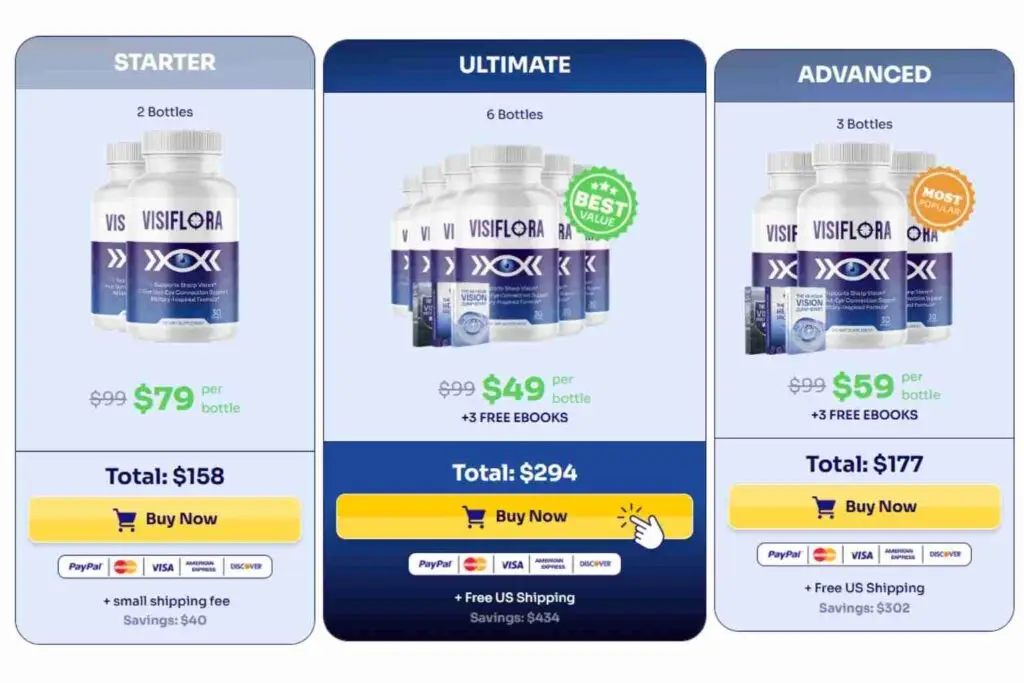
Every order — regardless of size — is protected by a 60-day, 100% money-back guarantee. You can complete a full two-month trial and request a complete refund if you’re not satisfied, with no complex conditions attached. For a supplement where the most meaningful benefits accumulate over 60 to 90 days of daily use, this guarantee is a structurally important feature: it converts what would otherwise be a speculative purchase into a consequence-free trial.
Multi-bottle orders include three digital bonus resources at no added cost: a pilot eye exercise guide with techniques adapted from elite military aviation training, a 7-day gut reset plan with 21 easy recipes to support the gut-eye pathway, and a daily comfort guide addressing dry eyes, floaters, light sensitivity, and related visual discomforts.
Visiflora is not sold in retail stores, pharmacies, or any third-party marketplace. The official website is the sole authorized channel. Purchasing elsewhere carries no guarantee protection and no assurance you’re receiving the authentic product. Verify current pricing and availability on the official Visiflora website.
Visiflora vs. Standard Eye Vitamins — What Actually Sets It Apart
Walk through any pharmacy eye care aisle and the products blur together quickly: lutein, zeaxanthin, some antioxidants, maybe zinc — a baseline formula that reflects the AREDS2 protocol and doesn’t stray far from it. Those products serve a real purpose, and the core ingredients are legitimately supported by evidence. The gap is in what they don’t do.
Standard eye vitamins don’t address the gut-eye connection. They include no ingredients that support gut barrier integrity, no compounds that moderate intestinal inflammation at its source, and no mechanism for optimizing the absorption environment that determines how much of those nutrients actually arrive at the retina. That’s not a minor omission for a supplement whose effectiveness depends entirely on delivering compounds to one of the most metabolically demanding tissues in the body.
The vascular gap is equally real. The retina relies on an extraordinarily dense network of microvasculature — capillaries so fine that they’re among the most vulnerable in the circulatory system. Ingredients like ginkgo biloba, grape seed extract, and rutin directly support the structural integrity and perfusion of those capillaries. Most basic eye vitamins don’t include any of them.
Visiflora isn’t positioned as a replacement for AREDS-based formulas. It’s a more complete approach — one that addresses direct retinal nutrition, the absorption pathway leading to the eye, and the vascular infrastructure that keeps the retina supplied. For those who want to go beyond the minimum standard, that structural completeness is the clearest argument.
Supplement to Reduce Eye Floaters and Blurry Vision: Can Visiflora Help?
Eye floaters — the small drifting shapes visible when looking at a bright, uniform surface — are among the most common visual complaints in adults over 40. They originate primarily from age-related changes in the vitreous humor, the gel-like substance occupying most of the eye’s interior. As the vitreous becomes less uniform over time, small collagen aggregates form and cast shadows on the retina, which the brain perceives as moving spots, threads, or wisps.

No supplement eliminates established vitreous floaters — that requires medical evaluation and, in clinically significant cases, targeted intervention. However, the oxidative environment of the eye plays a real role in the rate and degree of vitreous changes over time, and there is credible scientific rationale for antioxidant support slowing that progression. Astaxanthin, lutein, zeaxanthin, alpha lipoic acid, and saffron extract all contribute to reducing oxidative burden in ocular tissue — creating a more stable internal environment for the structures that keep vision clear.
Similarly, blurry vision that stems from macular stress, digital fatigue, or nutritional insufficiency — rather than refractive error — can plausibly be supported through the kind of comprehensive approach Visiflora provides. For anyone searching for a natural supplement to reduce eye floaters or address gradual visual blurring, Visiflora covers the nutritional angles that current research points to most consistently. Realistic expectations matter: this is long-term support built through daily nutritional consistency, not a rapid fix. Among the options available for that intent, however, it’s among the more substantively formulated.
Our Honest Verdict on Visiflora
After examining every ingredient, reviewing the manufacturing standards, working through the available published research, and looking at what verified users consistently report — this Visiflora review lands firmly in positive territory. Not because that’s the easier conclusion, but because the formula earns it on the merits.
The core retinal nutrients are well-selected and evidence-supported: lutein, zeaxanthin, vitamin A, bilberry, and zinc are all anchored in clinical research, with lutein and zeaxanthin carrying the strongest outcome data in the field. The supporting compounds — astaxanthin, saffron, ginkgo biloba, alpha lipoic acid — add meaningful additional layers of protection that standard eye vitamins don’t offer. The gut-supportive ingredients — grape seed extract, quercetin, taurine, rutin — bring genuine structural logic to how the formula is designed to work as a system.
The honest limitation: results require consistency over time. If you’re reading this and hoping for transformation in ten days, Visiflora will disappoint. The formula works the way nutritional support works — gradually, cumulatively, and most visibly to those who commit to 60 to 90 days of uninterrupted daily use.
If you’ve been searching for a vision supplement that goes meaningfully beyond the basics, is built on verifiable science, is manufactured to a standard you can confirm, and comes with a guarantee that removes the financial risk — Visiflora is the product worth starting with.
Frequently Asked Questions About Visiflora
What Do Most Visiflora Reviews Say About Results for Aging Eyes?
The pattern across consistent Visiflora reviews is clear: adults over 40 report gradual but noticeable improvements in eye comfort, reduced fatigue after screen use, and better adaptation to low-light conditions. The formula contains several ingredients with published clinical evidence specifically for aging eyes — including lutein and zeaxanthin from the AREDS2 trial and saffron extract from Italian RCTs measuring macular function directly. Results vary by individual, but the ingredient science behind this Visiflora review holds up to scrutiny.
How Long Does It Take to See Results With Visiflora?
Most users begin noticing improvements in eye comfort and screen-related fatigue within the first few weeks of consistent use. Deeper outcomes — macular health support and night vision adaptation — typically develop over 60 to 90 days of daily use. The 60-day money-back guarantee exists specifically to allow a full evaluation window before any financial commitment becomes final.
Is Visiflora Safe to Take Every Day?
For healthy adults without specific contraindications, yes. Visiflora is produced in a GMP-certified, FDA-registered US facility using non-GMO, stimulant-free, vegan ingredients with no artificial additives. Those taking anticoagulant medications or managing pre-existing health conditions should consult their physician before starting, given the mild antiplatelet activity associated with ginkgo biloba.
What Does This Visiflora Review Find About Digital Eye Strain Relief?
Among the most consistent findings in user feedback — and in the ingredient-level research reviewed for this Visiflora review — is relief from digital eye strain. Astaxanthin carries RCT evidence in office workers, lutein and zeaxanthin filter blue light at the macula, and bilberry anthocyanins are associated with reduced visual fatigue in screen-use studies. For adults whose primary concern is daily eye strain from screens, this is one of the most directly applicable applications of the formula.
What Makes Visiflora Different From Other Eye Vitamins?
The primary differentiators are the gut-eye mechanism — which most eye supplements don’t address — and the breadth of the formula, which extends well beyond standard AREDS-based ingredients to include compounds supporting vascular health, cellular antioxidant defense, retinal neural function, and gut barrier integrity. It is a more complete and structurally coherent system than a typical single-focus eye vitamin.
Can Visiflora Improve Night Vision? What the Ingredients Suggest
Three ingredients in Visiflora address night vision through well-understood biological pathways: vitamin A as the precursor to rhodopsin, zinc as the mineral that facilitates vitamin A transport to the retina, and bilberry extract with anthocyanins documented to improve dark adaptation speed. These represent a direct, evidence-grounded pathway to better low-light visual performance with consistent daily use — one of the most frequently cited benefits in Visiflora reviews from verified users.
Is There a Money-Back Guarantee on Visiflora?
Every order placed through the official website is covered by a 60-day, 100% money-back guarantee. If you’re not satisfied after a full two-month trial, a complete refund is available with no complex conditions attached. This is one of the details most frequently highlighted in Visiflora reviews — the guarantee effectively removes the financial risk from the initial decision.
Where Is the Only Place to Buy Authentic Visiflora?
The official website is the sole authorized source for authentic Visiflora. The supplement is not sold in retail stores, pharmacies, or on any third-party marketplace. Purchases made outside the official website carry no guarantee protection and no assurance of product authenticity — a point worth emphasizing given how frequently counterfeit listings appear for supplements gaining traction in Visiflora reviews online.
Is Visiflora Suitable for People With Sensitive Stomachs?
Based on the formula’s design — no stimulants, no artificial additives, fully vegan ingredients — most users with generally sensitive digestion tolerate Visiflora well. Taking it with a meal, as directed, is the most effective way to minimize any potential digestive sensitivity. Those with specific digestive conditions or concerns should consult their doctor before starting.
Can I Take Visiflora If I Already Wear Glasses or Contacts?
Yes — and this is a question worth addressing directly because it comes up frequently in Visiflora reviews. Corrective lenses address refractive error; they don’t influence the nutritional environment of the retina, the health of the macula, or the integrity of the supporting vasculature. Visiflora supports biological structures responsible for long-term visual health at the cellular and vascular level — making it a complementary option for anyone who already relies on corrective lenses, not an alternative to them.
Final Thoughts — Is Visiflora Worth It?
The experience described at the start of this review — the evening eye fatigue, the night driving hesitation, the gradual sense that your vision has quietly shifted — is real, common, and tends to progress steadily if nothing addresses it. Most people adapt to the changes rather than responding to them. By the time the decline becomes impossible to ignore, the window for meaningful prevention has typically narrowed.
Visiflora addresses that progression at the nutritional level — through a formula with genuine science behind it, manufacturing standards you can verify, and a structural approach that goes deeper than most vision supplements attempt. The gut-eye connection isn’t a gimmick — it reflects where the research is pointing, and Visiflora is built around it in a way that is coherent, evidence-grounded, and practically designed for daily use.
The 60-day guarantee removes the financial risk. The science provides the rationale. The only cost of trying it is 60 days of consistency — and based on everything reviewed here, that’s a reasonable trade.
Visit the official Visiflora website to check current pricing and start your order. The 60-day money-back guarantee applies to every package, and the official website is the only authorized source for the authentic formula.

Disclaimer: This article is for informational and educational purposes only and does not constitute medical advice. Results vary by individual. The information presented here is based on publicly available research and is not intended to diagnose, treat, cure, or prevent any condition. Pregnant or breastfeeding individuals, people taking prescription medications, and those with diagnosed health conditions should consult a qualified healthcare provider before starting any new supplement. These statements have not been evaluated by the Food and Drug Administration.