

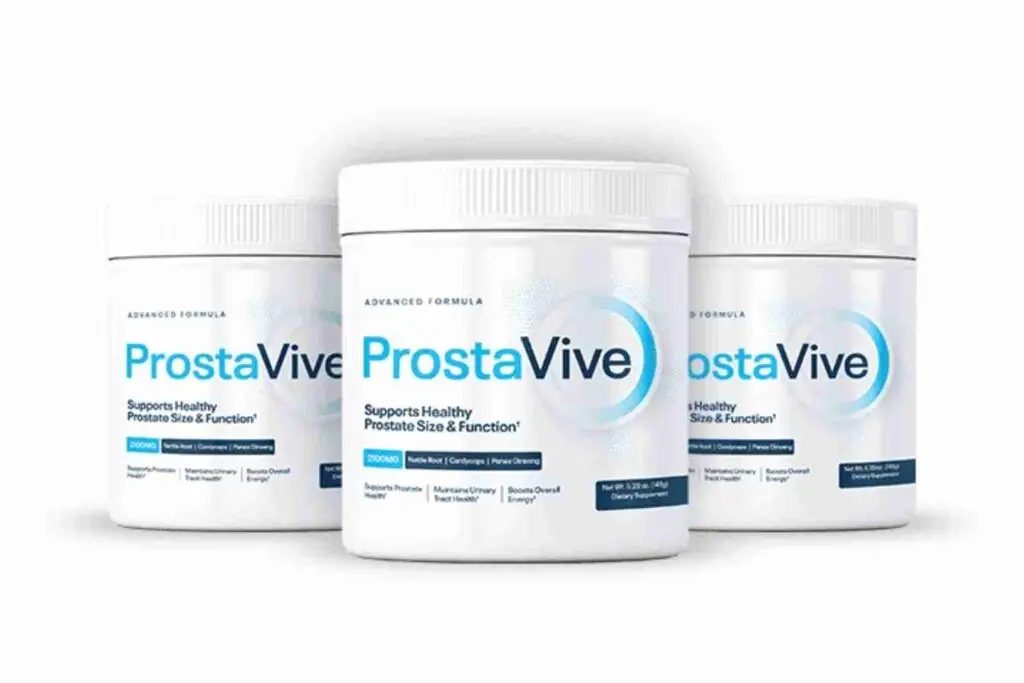
ProstaVive side effects require consideration of the complete label and the user’s medications and health history. Individual herbs such as saw palmetto and ashwagandha have different tolerability and interaction profiles, but their studies do not establish the exact safety of the finished ProstaVive formula. Digestive complaints are possible, and certain medicines or health conditions warrant additional caution. [1] [2]
Prostavive Side Effects: What the Research Shows
The safety record for Prostavive’s core ingredients is well-established in published research. Saw Palmetto — arguably the most extensively studied component in the formula — was evaluated in a 2012 Cochrane review covering more than 5,000 men. Adverse events were comparable to placebo, with mild digestive discomfort reported in fewer than 2% of participants. Pygeum Africanum shows a similarly low risk profile across meta-analyses, with transient stomach upset being the primary complaint when taken without food.
Ashwagandha has been studied in short-term trials, but NCCIH notes possible digestive symptoms, rare liver-injury reports and interactions with thyroid, immune-related, sedative and other medications. Findings from small short-term trials should not be interpreted as confirmation of long-term safety for ProstaVive. [2]
The pattern is consistent across the literature: each individual ingredient carries an acceptable safety profile for healthy adults. The more clinically relevant question — one that marketing materials rarely address — is how prostavive side effects may present in specific subpopulations.
Factors That Affect How Your Body Responds
Several variables determine whether prostavive side effects emerge at all, and how pronounced they turn out to be.
Taking it without food. Most GI discomfort associated with fat-soluble botanicals — like Saw Palmetto — disappears when the serving is taken alongside a meal. Dietary fat improves bioavailability and significantly reduces gastric irritation in the process.
Sensitivity to adaptogenic herbs. A minority of users sensitive to Ashwagandha or similar adaptogens may notice mild shifts in energy levels or sleep quality during the first week of use. This adjustment period typically stabilizes with consistent daily intake.
Concurrent medications. Nettle Root and Tongkat Ali both exert mild effects on hormonal pathways. Men currently on testosterone replacement therapy, alpha-blockers, or prescription 5-alpha reductase inhibitors should consult a physician before combining any botanical supplement with their existing protocol.
Pre-existing gastrointestinal conditions. Users with IBS or heightened gut sensitivity may experience a longer adaptation window — though the botanical profile here is generally gentler than that of synthetic prostate medications.
What To Look For Before You Buy
Not every prostate supplement is manufactured to the same standard, and quality gaps can amplify adverse reactions that would otherwise be negligible. Before purchasing any product in this category, three criteria matter:
GMP certification. Good Manufacturing Practice (GMP) certification requires documented quality control at every production stage — from raw ingredient testing to finished-product verification. Without it, there’s no third-party assurance that label dosages reflect what’s actually in the bottle.
Full ingredient disclosure. Proprietary blends that omit individual dosages make it impossible to assess whether active compounds reach clinically relevant concentrations — or to anticipate realistic interaction profiles for your specific health situation.
A substantive return policy. A money-back window of 90 days or longer signals that the manufacturer stands behind the formula. It also gives first-time users adequate time to evaluate tolerability without financial pressure influencing the decision.
Knowing what to look for before buying reduces the chance that manufacturing shortcuts contribute to any prostavive side effects that a well-formulated product simply wouldn’t cause.
For a complete breakdown of Prostavive’s formula, individual ingredient dosages, and what verified users have reported over extended use, the full review of Prostavive covers the clinical evidence behind each component and everything you’d want to assess before deciding.

Bottom Line
ProstaVive side effects should not be described as uniformly mild or self-resolving without reliable finished-product safety data. The botanical ingredients may interest some buyers, but anyone with liver, thyroid or immune-related conditions, or who takes prescription medicines, should review the formula with a clinician. New or concerning reactions warrant stopping use and seeking professional advice. [1] [2] [3]
Looking for more answers about Prostavive? You might also find these useful:
— Does Prostavive work? Here’s what the clinical evidence behind each ingredient actually says
— How long does Prostavive take to work? A realistic phase-by-phase timeline
Scientific References
- NCCIH. Five Tips: Complementary Health Approaches for Benign Prostatic Hyperplasia. National Institutes of Health. Read the source.
- NCCIH. Ashwagandha: Usefulness and Safety. NIH NCCIH. Read the source.
- FDA. Information for Consumers on Using Dietary Supplements. FDA. Read the source.
Disclaimer: This article is for informational and educational purposes only and does not constitute medical advice. Results vary by individual. The information presented here is based on publicly available research and is not intended to diagnose, treat, cure, or prevent any condition. Pregnant or breastfeeding individuals, people taking prescription medications, and those with diagnosed health conditions should consult a qualified healthcare provider before starting any new supplement. These statements have not been evaluated by the Food and Drug Administration.
Affiliate Disclosure: This article contains affiliate links. We may earn a commission if you make a purchase through these links, at no additional cost to you.