

NeuroPrime side effects in healthy adults without specific contraindications are uncommon — the formula is plant-based, stimulant-free, and produced under GMP-certified manufacturing standards. That said, three ingredient-level considerations apply to specific subgroups and are worth knowing before starting. Most of the negative safety reports associated with this formula trace to one of those three scenarios, not to a general tolerability problem with the product itself. Understanding which category you fall into takes about two minutes and determines whether NeuroPrime side effects are a realistic concern for you personally.
NeuroPrime Side Effects: What the Research Shows
The safety profile of the formula maps onto the individual research records of its nine botanical ingredients. For most of them, the documented concern is minimal in healthy adults. Three, however, carry specific considerations the published literature flags consistently.
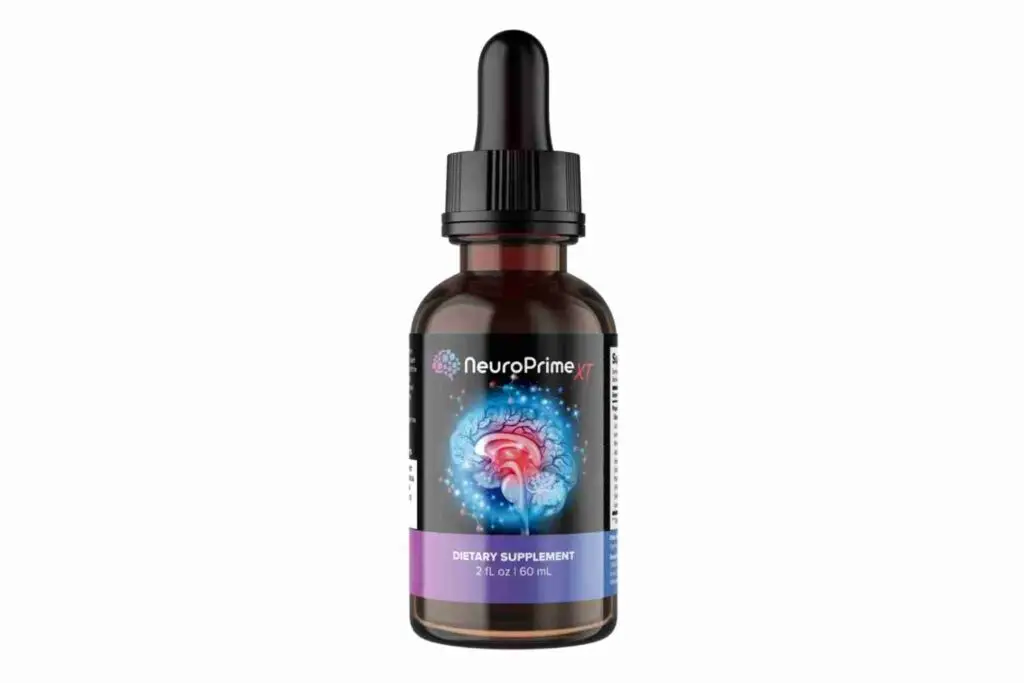
Ginkgo Biloba has the most clinically significant interaction profile in the formula. Ginkgo’s flavonoid compounds inhibit platelet aggregation — a mechanism that becomes problematic when combined with anticoagulant medications including warfarin, aspirin therapy, or other blood-thinning drugs. This interaction is well-documented in the pharmacological literature and is the primary reason anyone on anticoagulant therapy should consult their prescribing physician before adding any Ginkgo-containing supplement to their routine.
Bacopa monnieri occasionally causes mild gastrointestinal discomfort — typically nausea or loose stools — when taken on an empty stomach. This is a delivery-related effect rather than a toxicity concern. Clinical trials involving Bacopa consistently report it as well-tolerated when taken with food or in a morning beverage, which is precisely how the liquid dropper format of NeuroPrime is designed to be used.
Spirulina and Chlorella both have immune-stimulating properties that are contraindicated for individuals managing autoimmune conditions. Additionally, both algae contain phenylalanine, making them unsuitable for anyone with phenylketonuria (PKU). Outside those two specific populations, the research record for both ingredients shows a clean tolerability profile across extended use.
Beyond these three, NeuroPrime side effects reported in consumer feedback most commonly include mild, temporary headaches during the first few days of use and occasional taste sensitivity — both of which resolve without intervention as the body adjusts to the formula.
Factors That Affect Your Personal Risk Profile
Whether NeuroPrime side effects are a realistic concern depends almost entirely on individual health context. Four factors determine that assessment:
Current medications. Ginkgo Biloba’s anticoagulant interaction is the single most important variable. Anyone taking blood-thinning medications — prescription or over-the-counter — should confirm compatibility with their physician before starting. This isn’t a general caution; it’s a specific, documented pharmacological interaction.
Autoimmune conditions. The immune-stimulating properties of Lion’s Mane Mushroom, Spirulina, and Chlorella are beneficial for most users but can be contraindicated for those managing conditions like rheumatoid arthritis, lupus, or multiple sclerosis. Medical consultation is the appropriate first step in this scenario.
PKU diagnosis. Spirulina and Chlorella contain phenylalanine. Individuals with phenylketonuria should avoid products containing either ingredient without medical supervision.
Timing of daily dose. Taking the dropper on a completely empty stomach increases the likelihood of mild GI sensitivity from Bacopa. Adding the drop to a morning coffee, tea, or any beverage alongside food eliminates this concern for the vast majority of users.
What To Look For Before You Buy
Three quality factors directly influence the safety profile of any botanical supplement — and all three matter specifically when evaluating NeuroPrime side effects:
GMP-certified manufacturing. Audited production standards mean ingredient purity is tested and verified, contamination risk is controlled, and label accuracy is confirmed. A formula with manufacturing corners cut introduces variability that makes the safety profile unpredictable regardless of the ingredient list.
Full ingredient transparency. Every compound should be disclosed by name. Proprietary blends that obscure what’s inside make it impossible to assess personal contraindications before purchase.
Purchase through the official channel only. Counterfeit or improperly stored versions of popular supplements circulate on unauthorized marketplaces. NeuroPrime side effects reported from those purchases are not attributable to the authentic formula — which is one more reason the brand sells exclusively through its official website.
For a complete breakdown of all nine ingredients, the full safety profile in context, and what verified users report after extended use, the full review of NeuroPrime covers every consideration in detail.
Bottom Line
NeuroPrime side effects are not a significant concern for healthy adults who don’t carry the three specific contraindications — Ginkgo and anticoagulants, Spirulina and Chlorella in autoimmune conditions or PKU, and Bacopa on an empty stomach. Outside those scenarios, the plant-based, stimulant-free formula has a clean tolerability record consistent with its manufacturing standards and ingredient profile. Checking your personal risk factors against those three considerations takes two minutes and resolves the NeuroPrime side effects question for most people definitively.
If this breakdown answered your safety questions and you’re ready to evaluate the formula, current pricing, package options, and the 365-day guarantee are available directly on the NeuroPrime official website.

Looking for more answers about NeuroPrime? You might also find these useful:
- NeuroPrime for Brain Fog: What the Ingredients Actually Do (and When)
- NeuroPrime Lion’s Mane: What This Ingredient Does and Why It Matters
Disclaimer: This article is for informational and educational purposes only and does not constitute medical advice. Results vary by individual. The information presented here is based on publicly available research and is not intended to diagnose, treat, cure, or prevent any condition. Pregnant or breastfeeding individuals, people taking prescription medications, and those with diagnosed health conditions should consult a qualified healthcare provider before starting any new supplement. These statements have not been evaluated by the Food and Drug Administration.
Additional note: Ginkgo biloba may interact with blood-thinning medications. Individuals with autoimmune conditions or phenylketonuria (PKU) should consult a healthcare provider before using products containing spirulina or chlorella.