
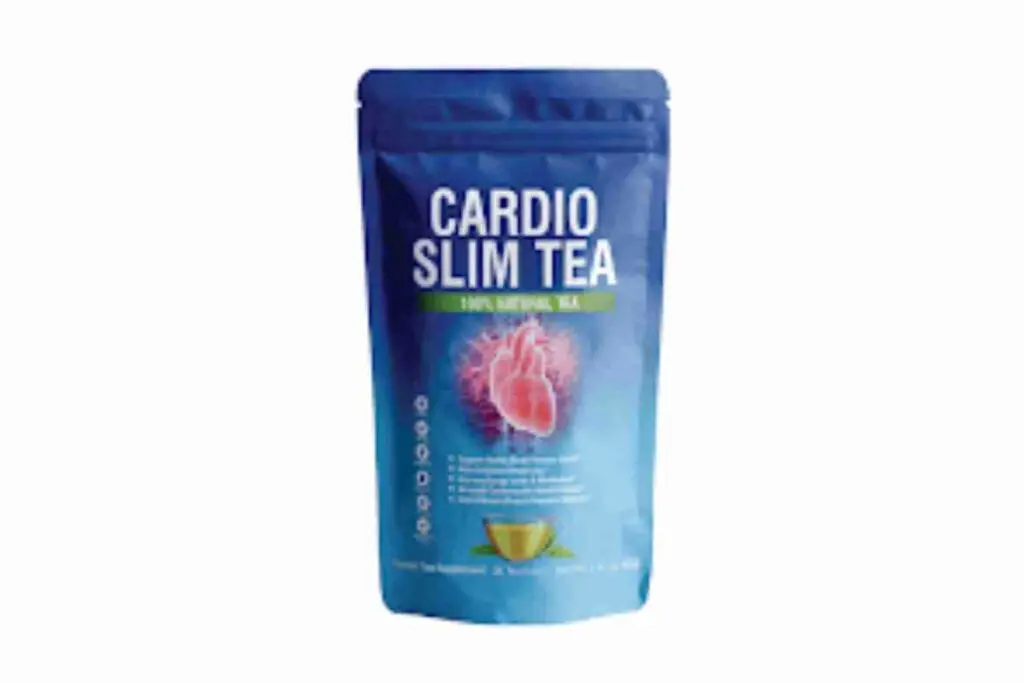
Is Cardio Slim Tea a scam or legit? The direct answer is: legitimate. The formula uses 15 botanical ingredients with individual research profiles, is manufactured in an FDA-registered, GMP-certified facility in the United States, and is sold with a 60-day money-back guarantee backed by the manufacturer. None of those three characteristics are consistent with how scam supplement operations function. Fraudulent products avoid verifiable manufacturing credentials, obscure their ingredient lists, and offer return policies designed to expire before the buyer can use them. Cardio Slim Tea does the opposite on all three counts — and that distinction is worth unpacking before you decide.
Is Cardio Slim Tea a Scam or Legit: What the Research Shows
The fastest way to evaluate whether is Cardio Slim Tea a scam or legit produces a reliable answer is to go directly to the ingredient list — because a formula built on ingredients with published clinical research is not the architecture of a scam product.
Several of Cardio Slim Tea’s key botanicals have substantial peer-reviewed evidence behind them. Hibiscus flowers were examined in a randomized, double-blind, placebo-controlled trial published in the Journal of Nutrition, where participants consuming hibiscus tea daily for six weeks showed significant systolic blood pressure reductions compared to a placebo group. TMG (trimethylglycine) — the formula’s central homocysteine-regulating ingredient — has been studied in multiple randomized controlled trials and shown to produce statistically significant reductions in plasma homocysteine, a finding replicated across independent research teams. A study in the American Journal of Clinical Nutrition specifically documented these reductions against a placebo control.
Grapeseed extract and cinnamon — two additional ingredients in the blend — each have their own meta-analyses supporting specific cardiovascular and metabolic mechanisms. That level of ingredient-level documentation is not something scam products invest in. It is the hallmark of a formula assembled around functional botanical science rather than marketing convenience.
Factors That Separate Legitimate Supplements From Scams
Manufacturing accountability. GMP certification and FDA-registered facility status are auditable, verifiable credentials. A company operating a scam does not invest in compliant manufacturing infrastructure — the overhead alone makes it economically irrational. Cardio Slim Tea is produced under both standards with third-party batch testing before shipping.
Ingredient transparency. Every ingredient in this formula is listed clearly on the label. No proprietary blend language obscures what you’re consuming or at what concentration. Transparency at the label level is a meaningful signal — it means the brand is accountable for what’s inside every batch.
Guarantee structure. Sixty days is a return window that only makes commercial sense for a product the manufacturer believes in. A scam operation offers short, conditional return windows — or none at all — specifically to prevent buyers from completing the evaluation period. A two-month, no-questions-asked guarantee is the opposite of that strategy.
Single-channel distribution. Cardio Slim Tea is sold exclusively through the official website. That exclusivity protects product integrity — it ensures what reaches the buyer is exactly what was formulated and tested, without third-party handling risks. Scam products typically flood every available channel to maximize short-term volume before reputation catches up with them.
What To Look For When Evaluating Any Supplement’s Legitimacy
Three verifiable criteria cut through the noise in any supplement category.
Auditable manufacturing credentials: GMP certification and FDA-registered facility status can be confirmed independently. If a brand makes these claims, they should be able to point to documentation — not just label language.
Research-backed ingredients: individual ingredient research is not sufficient to guarantee a complete formula works, but it is necessary. A product built entirely on ingredients with no clinical literature is a red flag regardless of how the marketing presents it.
A return policy that reflects confidence: sixty days minimum, no-questions-asked, processed directly by the manufacturer. Anything shorter or more conditional deserves scrutiny.
If you want the full picture before making a final decision — every ingredient examined in detail, a complete assessment of the user experience, and a thorough verdict on whether this formula delivers on its cardiovascular and metabolic claims — the full review of Cardio Slim Tea has everything laid out clearly.
Bottom Line – Is Cardio Slim Tea a Scam or Legit?
Is Cardio Slim Tea a scam or legit comes down to three verifiable answers: the ingredients are real and individually researched, the manufacturing standards are auditable and GMP-certified, and the 60-day guarantee reflects manufacturer accountability rather than avoidance. That combination is not compatible with the operational profile of a scam product. For anyone who arrived at this question from a place of genuine skepticism, the evidence points clearly in one direction — and the guarantee structure means the financial risk of finding out firsthand is minimal.
If this analysis has resolved the question for you and you’re ready to take the next step, you can review current pricing, bundles, and the guarantee terms directly at the official Cardio Slim Tea website.
Looking for more answers about Cardio Slim Tea? You might also find these useful:
— What to realistically expect from Cardio Slim Tea at 30, 60, and 90 days
— Cardio Slim Tea side effects: what the ingredients actually do in the body
Disclaimer: This article is for informational and educational purposes only and does not constitute medical advice. Results vary by individual. The information presented here is based on publicly available research and is not intended to diagnose, treat, cure, or prevent any condition. Pregnant or breastfeeding individuals, people taking prescription medications, and those with diagnosed health conditions should consult a qualified healthcare provider before starting any new supplement. These statements have not been evaluated by the Food and Drug Administration.