Turmeric is one of the most searched natural health ingredients in the world. It sits at the top of Google’s own list of “functional foods” by search frequency, outsells nearly every other herbal supplement in the United States, and shows up in everything from joint capsules to golden milk lattes to skincare serums. And yet, for all that visibility, most people who take turmeric daily have never been told the one thing that determines whether it actually works: the way you take it matters more than how much you take.
That gap between turmeric benefits and turmeric reality is what this post is built around. The clinical evidence behind curcumin — turmeric’s primary active compound — is genuinely impressive across multiple health areas, including inflammation, joint comfort, blood sugar regulation, brain health, and cardiovascular support. But curcumin also has one of the most challenging bioavailability profiles of any supplement ingredient, meaning that most of it passes through your body without being absorbed. Understanding the turmeric health benefits that research supports, the mechanisms behind them, the absorption science that determines whether you actually get those benefits, and how to evaluate the supplements that claim to deliver them — that’s what follows.
Why Turmeric Benefits Are More Complex Than Most Content Admits
Search “turmeric benefits” and you’ll find hundreds of articles listing the same ten or twelve bullet points — anti-inflammatory, antioxidant, joint support, blood sugar, brain health — usually sourced from the same handful of studies and presented without any real qualification. That format is not wrong, exactly, but it creates a false impression: that turmeric benefits are simple, universal, and guaranteed regardless of form or dose.
The reality is more interesting, and more useful, than that. Turmeric is a pleiotropic botanical, meaning its compounds act on multiple biological pathways simultaneously. That’s why turmeric benefits span such a wide range of health areas — it’s not that turmeric “does everything,” it’s that it influences several systems through distinct mechanisms that happen to have relevance across different health goals. At the same time, those mechanisms only operate at concentrations high enough to matter clinically, and getting curcumin there in human blood and tissue is genuinely difficult without the right delivery strategy. Any honest discussion of turmeric benefits has to hold both of those realities at once.
What Is Turmeric? The Root, the Plant, and the Chemistry Behind It
Turmeric comes from the rhizome of Curcuma longa, a flowering plant in the Zingiberaceae family — the same family as ginger. Native to South and Southeast Asia, it has been cultivated for over 4,000 years and holds a central place in Ayurvedic medicine, traditional Chinese medicine, and the culinary traditions of India, where the country produces approximately 80% of the world’s supply. In food, turmeric is the spice that colors curry its characteristic golden yellow. In supplements, it is the source of a class of bioactive compounds called curcuminoids — and that distinction matters more than most labels acknowledge.
The Curcuminoid Family: Curcumin Is Only Part of the Story
Most people use “turmeric” and “curcumin” interchangeably, but they describe different things. Turmeric is the whole dried rhizome, containing hundreds of compounds including volatile oils, turmerones, and curcuminoids. Curcumin is the most studied of those curcuminoids — but it represents only about 2–5% of whole turmeric root by weight, and it has two less-famous relatives that also contribute to the plant’s biological activity:
Curcumin — the primary active curcuminoid, making up roughly 65–80% of a standardized curcuminoid extract. The compound most studied in clinical trials and most associated with turmeric benefits in anti-inflammatory and metabolic research.
Demethoxycurcumin (DMC) — approximately 12–17% of a typical curcuminoid extract. Less studied than curcumin but shows similar anti-inflammatory and antioxidant activity in preclinical research.
Bisdemethoxycurcumin (BDMC) — smallest fraction, approximately 3–5%. Emerging research suggests it may have unique neuroprotective properties distinct from curcumin itself.
This matters for supplement evaluation because a product labeled “turmeric root 500 mg” and one labeled “curcumin extract standardized to 95% curcuminoids 500 mg” are delivering radically different amounts of active compounds — the first perhaps 15–25 mg of curcuminoids, the second roughly 475 mg. Both can claim “turmeric benefits” on their marketing. Only one is delivering a dose remotely comparable to what clinical trials use.
Turmeric Powder vs. Standardized Curcumin Extract: What the Label Should Actually Tell You
This is where most consumers get lost, and where supplement labels are often deliberately unhelpful. Here is what each form actually delivers:
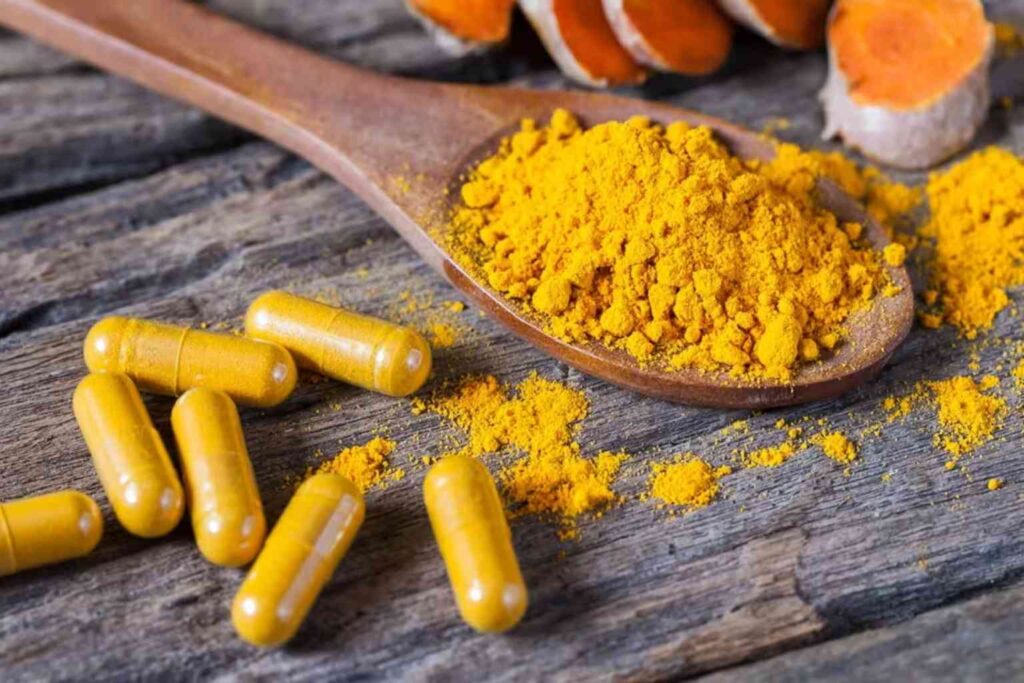
Whole turmeric root powder — contains all of turmeric’s natural compounds including volatile oils and turmerones, which may have their own biological activity. Curcumin content is approximately 2–5% by weight, meaning a 500 mg capsule delivers 10–25 mg of curcuminoids. Adequate for culinary-level intake and general wellness habits; insufficient for the doses used in clinical trials targeting specific health outcomes.
Standardized curcumin extract (95% curcuminoids) — concentrated preparation that removes most of the non-curcuminoid content. A 500 mg capsule delivers approximately 475 mg of curcuminoids. This is the form used in the majority of RCTs showing anti-inflammatory, metabolic, and joint health outcomes worth measuring. The trade-off: it loses some of the synergistic compounds present in whole turmeric.
Combination formulas (turmeric root + curcumin extract) — increasingly common, theoretically providing both the concentrated active compound and the broader phytochemical background of whole turmeric. Quality varies widely depending on whether standardization is disclosed.
The Absorption Problem That Changes Everything About Turmeric Benefits
This is the section that most turmeric content skips or reduces to a single sentence about black pepper. It deserves more. Understanding why curcumin absorption is so challenging — and what actually solves the problem — is the difference between spending money on a supplement that works and one that doesn’t.

Why Curcumin Has a Triple Bioavailability Barrier
Curcumin faces what researchers formally describe as a triple barrier to bioavailability. It’s a real problem. A 2024 review in Pharmaceutics confirmed that oral curcumin is primarily detected in blood as conjugated or reduced metabolites — meaning most of the active compound never reaches systemic circulation in its original, biologically active form. The three barriers are:
1. Poor water solubility — curcumin is highly lipophilic, meaning it dissolves in fats but not in water. Since the gut lumen is an aqueous environment, curcumin particles tend to clump rather than dissolve effectively, limiting absorption across the intestinal wall.
2. Rapid metabolism — even the curcumin that does cross the gut wall gets rapidly conjugated and metabolized in the intestinal wall and liver before it reaches systemic circulation. This is called first-pass metabolism, and it significantly reduces the amount of active, unconjugated curcumin that reaches target tissues.
3. Swift elimination — curcumin that does enter circulation is cleared quickly, limiting the window during which tissue concentrations remain therapeutically relevant.
Poor absorption doesn’t make turmeric irrelevant. It makes the delivery form the most important decision you’ll make about the supplement — because the same curcumin in a better delivery system can achieve 20 to 185 times greater bioavailability than plain extract.
Turmeric with Black Pepper: How Piperine Increases Curcumin Absorption
The most widely used and best-known solution to curcumin’s bioavailability problem is co-administration with piperine, the active compound in black pepper. A landmark study published in Planta Medica demonstrated that adding just 20 mg of piperine to a 2,000 mg dose of curcumin increased curcumin bioavailability by 2,000% — a 20-fold improvement — by inhibiting the intestinal enzymes responsible for curcumin’s rapid conjugation and elimination.
This is why “turmeric with black pepper benefits” has become one of the most searched turmeric-related queries, and why BioPerine — a patented standardized piperine extract — appears in a large proportion of quality curcumin supplements. What this means if you’re buying: if a turmeric supplement does not include black pepper extract or piperine, and does not use an alternative bioavailability enhancement technology, its effective dose is a fraction of what the label suggests.
One important caveat: piperine also inhibits certain drug-metabolizing enzymes (specifically CYP3A4 and P-glycoprotein) that affect how medications are processed in the body. For people on prescription medications, this interaction is worth discussing with a healthcare provider before combining high-dose turmeric-with-piperine supplements with their current regimen.
Beyond Black Pepper: Phytosome, Liposomal, and Nano Delivery Forms
Piperine is the most accessible absorption enhancer, but it’s not the only one — and for some applications, newer technologies deliver results that are genuinely superior:
Curcumin phytosome (Meriva®) — binds curcumin to phospholipids (the same molecules that make up cell membranes), dramatically improving its ability to cross the intestinal wall. Published research shows Meriva provides approximately 29 times better absorption than standard curcumin extract. This is one of the most clinically validated delivery forms available.
Theracurmin® — a nano-particle curcumin dispersion that reduces particle size to dramatically increase surface area and solubility. Studies show absorption up to 27 times greater than unformulated curcumin.
BCM-95® / Biocurcumax™ — combines curcuminoids with turmeric essential oils (turmerones), achieving approximately 6–7 times greater bioavailability than standard extract while also restoring some of the whole-plant synergy lost in pure curcumin concentrates.
Liposomal curcumin — encapsulates curcumin in phospholipid vesicles that protect it through the gut environment and facilitate cellular uptake. Still emerging in supplement applications but shows promise in preclinical research.
Does Turmeric Without Black Pepper Do Anything?
This is one of the most common questions buyers ask — and deserves a direct answer rather than the vague non-answers most content provides. Yes, plain turmeric without piperine or absorption enhancement does have biological activity, particularly at high doses or when taken with a high-fat meal (dietary fat improves curcumin solubility). However, the concentrations achieved in blood and tissue are substantially lower than those used in the clinical trials demonstrating the most compelling turmeric benefits.
For general wellness habits — adding turmeric to food, drinking golden milk, or taking a low-dose whole-root supplement — the lack of absorption enhancement is acceptable. For targeted outcomes like anti-inflammatory effects, joint comfort, or metabolic support at doses comparable to clinical research, the delivery system is not optional. If your goal is therapeutic-level turmeric benefits, a plain turmeric powder capsule without any absorption technology is unlikely to deliver them consistently.
How Does Turmeric Work? The Mechanisms Behind the Benefits
Turmeric benefits don’t come from a single action. Curcumin acts on several biological pathways simultaneously, which explains why the same ingredient appears credibly in formulas targeting joint health, blood sugar, brain function, and cardiovascular wellness. Here are the core mechanisms with the strongest research support:
1. NF-κB pathway suppression — NF-κB is a molecular transcription factor that functions as a master switch for inflammatory gene expression. When activated, it triggers a cascade of pro-inflammatory cytokines including TNF-α, IL-1β, and IL-6. Curcumin is one of the most well-documented natural NF-κB inhibitors in the research literature, and this mechanism underpins the majority of its anti-inflammatory turmeric benefits across different tissues and health contexts.
2. COX-2 enzyme inhibition — Curcumin inhibits cyclooxygenase-2 (COX-2), the enzyme primarily responsible for producing prostaglandins that drive pain and inflammation. This is the same enzyme targeted by NSAIDs like ibuprofen and celecoxib, though curcumin operates through a partially different mechanism and does not carry the same gastric or cardiovascular risks at normal supplement doses.
3. AMPK activation — AMP-activated protein kinase (AMPK) is a cellular energy sensor involved in glucose uptake, fat oxidation, and insulin sensitivity. Curcumin has been shown to activate AMPK in multiple cell types, which is the likely mechanism behind many of the metabolic turmeric benefits — including effects on blood sugar and lipid profiles.
4. Nrf2 pathway activation — Nrf2 is a transcription factor that regulates the expression of antioxidant enzymes. Curcumin activates Nrf2, upregulating the body’s own antioxidant defense systems rather than just acting as a direct free radical scavenger. This makes curcumin’s antioxidant action more systemic and sustained than simple antioxidant compounds.
5. BDNF modulation — Brain-derived neurotrophic factor (BDNF) is a protein that supports the growth, maintenance, and function of neurons. Reduced BDNF is associated with depression, cognitive decline, and neurodegeneration. Curcumin has been shown in several studies to increase BDNF levels, which is the most likely mechanism behind the mood and cognitive turmeric benefits observed in clinical research.
Turmeric Benefits: What the Clinical Research Actually Shows
The research on turmeric benefits spans thousands of studies — but the quality varies enormously. What follows is an honest assessment of each major benefit area, distinguishing between outcomes with strong human trial evidence and those that remain promising but preliminary.
1. Anti-Inflammatory Action: The Most Replicated Turmeric Benefit
The anti-inflammatory evidence for turmeric benefits is the most extensive and consistently replicated in the clinical literature. A comprehensive meta-analysis published in Nutrients (2021) pooled data from multiple randomized controlled trials and confirmed that curcumin supplementation produced statistically significant reductions in C-reactive protein (CRP), TNF-α, and IL-6 — the three most commonly tracked biomarkers of systemic inflammation. The effects were dose-dependent and more pronounced in individuals with elevated baseline inflammation.

What makes this evidence particularly credible is the mechanistic clarity: curcumin’s NF-κB suppression and COX-2 inhibition are well-characterized pathways with a plausible causal link to the observed reductions in inflammatory markers. The causal link is clear: the mechanism is characterized, and the clinical outcomes follow from it. Worth being clear about one thing: effects at typical supplement doses are more consistent with chronic, low-grade inflammation than with acute inflammation from injury or infection. Turmeric benefits in this space are best understood as a sustained, gradual reduction in inflammatory burden rather than a fast-acting acute remedy.
2. Joint Pain and Arthritis Relief
Few areas of turmeric research have as much clinical depth as joint health — and the evidence goes well beyond the usual osteoarthritis talking points. When researchers pooled the RCT data on curcumin and osteoarthritis — Journal of Medicinal Food, 2016 — the findings were consistent enough to be clinically significant: improvements in pain scores and physical function, with effect sizes comparable to ibuprofen in several head-to-head comparisons. A 2021 meta-analysis in Frontiers in Medicine similarly confirmed that curcumin produced real reductions in joint pain and stiffness in people with knee osteoarthritis.

For rheumatoid arthritis, the evidence is more preliminary — trials are smaller and shorter — but directionally consistent. Curcumin’s dual inhibition of both COX-2 and LOX enzymes (a profile that conventional NSAIDs don’t fully replicate) is particularly relevant in RA, where both pathways drive inflammation. The turmeric benefits for joint health are real, well-supported, and represent one of the clearest practical applications for people considering supplementation.
3. Blood Sugar and Metabolic Health
The metabolic angle is where some of the most compelling — and most underreported — turmeric research lives. A 2013 randomized trial published in Diabetes Care — one of the most cited in this space — found that curcumin supplementation significantly delayed progression from prediabetes to type 2 diabetes over nine months compared to placebo, with 16.4% of the placebo group progressing to diabetes versus 0% in the curcumin group. While that result is from a single trial and should be interpreted with appropriate caution, several subsequent studies have confirmed that curcumin improves fasting glucose, insulin sensitivity, and HbA1c in people with metabolic dysfunction.
The AMPK activation mechanism discussed earlier is the most likely driver. Improved insulin sensitivity, enhanced glucose uptake in muscle cells, and reduced hepatic glucose production are all downstream effects of AMPK activation that curcumin research supports. These turmeric benefits are most consistently documented in people with existing metabolic impairment. For healthy individuals, the effects exist but are subtler.
4. Brain Health, Mood, and Depression
Most people don’t associate turmeric with mental health. The research suggests they should. A 2017 meta-analysis in the Journal of Affective Disorders found that curcumin supplementation significantly reduced depressive symptoms compared to placebo across multiple RCTs — a finding that has since been replicated in additional trials. The proposed mechanism involves both BDNF modulation and inhibition of inflammatory pathways that are increasingly understood as contributors to depression, given the strong association between systemic inflammation and mood disorders.

For cognitive function specifically, a 2018 randomized trial published in the American Journal of Geriatric Psychiatry found that 90 mg of bioavailable curcumin twice daily for 18 months significantly improved memory and attention in non-demented adults aged 50–90, and was associated with reduced amyloid and tau accumulation in brain regions implicated in Alzheimer’s disease. Importantly, the form used was Theracurmin — a high-bioavailability formulation — suggesting that delivery technology matters as much as dose for cognitive turmeric benefits.
5. Heart Health and Cholesterol
Cardiovascular protection was not what made turmeric famous. It might be what keeps it relevant long-term. A meta-analysis published in Nutrition Journal (2017) found that curcumin supplementation was associated with significant reductions in LDL cholesterol and triglycerides, alongside modest increases in HDL, across pooled RCT data. The proposed mechanisms include both AMPK-mediated effects on lipid metabolism and direct antioxidant protection of LDL particles from oxidative modification — a key step in atherosclerosis development.
Curcumin also appears to improve endothelial function — the ability of blood vessel walls to dilate appropriately — which is an early marker of cardiovascular risk that precedes structural changes. A study published in Nutrition Research found that curcumin was as effective as aerobic exercise for improving endothelial function in postmenopausal women over 8 weeks. These turmeric benefits for cardiovascular health compound over time. They’re not a quick fix — they’re a long-game strategy.
6. Gut Health and Digestion
Turmeric benefits for gut health operate through several pathways, with the strongest evidence in inflammatory bowel conditions. Multiple clinical trials have shown that curcumin supplementation reduces relapse rates in ulcerative colitis when added to conventional treatment, with a well-designed RCT in Clinical Gastroenterology and Hepatology reporting that only 4.65% of the curcumin group relapsed versus 20.5% of the placebo group over six months. For IBS, evidence is more mixed but directionally positive for symptom reduction.
The emerging research on turmeric and gut microbiome composition is earlier-stage than in the IBD space, but preclinical studies suggest curcumin may help support beneficial bacterial populations while inhibiting certain pathogenic species. For the growing category of gut-skin supplements, this makes turmeric benefits increasingly relevant as a supporting ingredient alongside probiotics and prebiotics.
7. Liver Support: The Underreported Turmeric Benefit
Liver support is arguably the most underreported of all turmeric benefits in mainstream supplement content — and the one with some of the most intriguing mechanistic rationale. Multiple animal studies and several human trials have shown that curcumin reduces markers of liver inflammation and oxidative stress, and may be beneficial in non-alcoholic fatty liver disease (NAFLD), which is now estimated to affect approximately 25% of adults globally.
The data that stands out comes from a systematic review in Phytotherapy Research (2019), which found that curcumin supplementation produced significant reductions in liver enzymes (ALT and AST) and liver fat in individuals with NAFLD compared to placebo. The mechanisms involve Nrf2-mediated antioxidant protection, NF-κB suppression of hepatic inflammation, and AMPK activation improving lipid metabolism in liver cells. This is a benefit area where the evidence is strong enough to be clinically relevant but rarely featured prominently — likely because it doesn’t have the marketing appeal of joint pain or weight loss.
8. Skin and Antioxidant Protection
Turmeric benefits for skin operate both from internal supplementation and topical application, though the evidence base is stronger for internal use in inflammatory skin conditions. Several small clinical trials have found that oral curcumin supplementation reduces the severity of psoriasis and eczema, consistent with its anti-inflammatory and NF-κB suppressing mechanisms. For general skin aging and antioxidant protection, curcumin’s Nrf2-activating effects — upregulating the body’s endogenous antioxidant systems — provide a mechanistic rationale that is stronger than simply taking a direct antioxidant supplement.

Turmeric vs. Ibuprofen: The Comparison Nobody in Supplements Wants to Make
Most supplement content avoids direct comparison with pharmaceutical drugs. This post won’t. Because for a significant portion of people exploring turmeric benefits — specifically those dealing with chronic joint pain or inflammatory conditions — the practical question is not “does turmeric work?” but “how does it compare to what I’m already taking?”
The most direct evidence comes from a 2014 randomized trial published in the Journal of Alternative and Complementary Medicine that compared curcumin extract to ibuprofen in 367 patients with knee osteoarthritis. After four weeks, both groups showed similar improvements in pain and function scores. The curcumin group reported significantly fewer GI side effects. A 2021 meta-analysis in BMC Complementary Medicine and Therapies reviewing head-to-head comparisons confirmed that curcumin performed comparably to NSAIDs for osteoarthritis pain with a more favorable side effect profile.
To put it in perspective: turmeric benefits in the pain and inflammation context are not equivalent to NSAIDs for everyone or for all conditions. For acute, severe inflammation — a flare-up of rheumatoid arthritis, post-surgical inflammation, a significant injury — NSAIDs typically work faster and more powerfully. For chronic, low-grade joint inflammation in conditions like knee osteoarthritis, the evidence suggests curcumin can be a credible alternative or complementary approach, particularly for people who experience GI distress from long-term NSAID use or who prefer to reduce pharmaceutical load. That’s a real clinical distinction — and one that deserves honest discussion rather than avoidance.
Turmeric and Ginger Together: Why the Combination Makes Scientific Sense
Turmeric and ginger are botanical relatives — both rhizomes in the Zingiberaceae family — and they’re increasingly combined in anti-inflammatory formulas for reasons that go beyond marketing convenience. Understanding where they overlap and where they diverge helps explain why the combination often makes more sense than choosing one over the other.
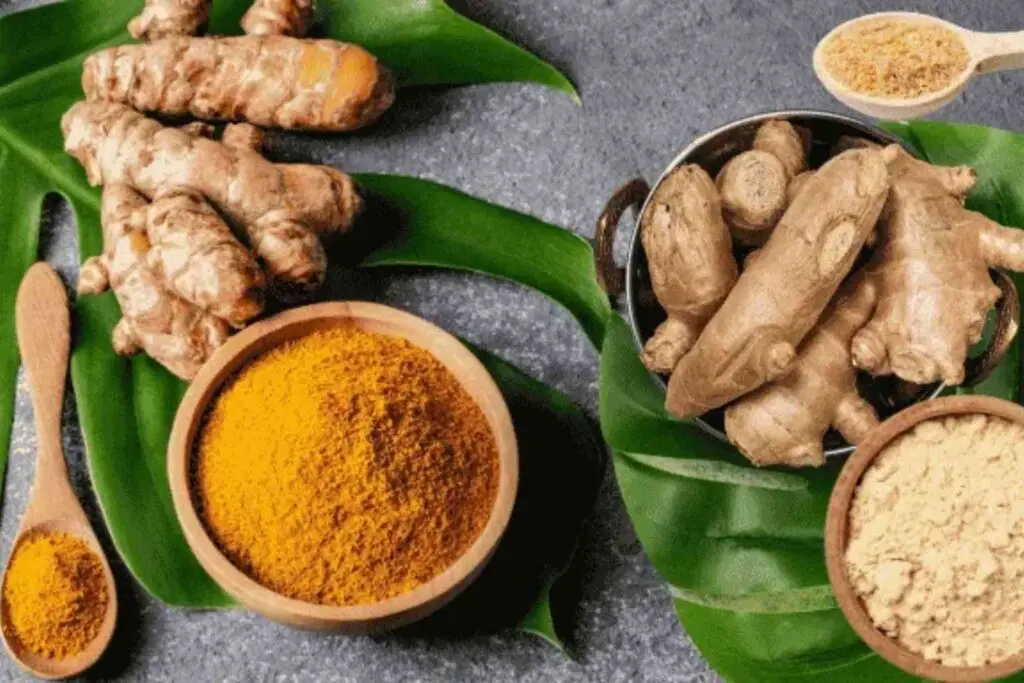
Both inhibit COX enzymes and suppress NF-κB. Both reduce CRP in clinical trials. In that shared territory, the turmeric benefits and ginger benefits reinforce each other without being redundant — because they achieve similar endpoints through partially different molecular interactions, potentially providing broader coverage of the inflammatory cascade than either ingredient alone.
Where they diverge is equally important. Ginger has stronger, more consistent evidence for acute nausea relief, gastric motility, and muscle recovery — areas where curcumin evidence is comparatively thin. Turmeric has stronger evidence for sustained systemic inflammation reduction, metabolic health, mood, and liver support — areas where ginger benefits are more preliminary. Together, they cover more ground than either does alone.
For a detailed breakdown of ginger’s own clinical evidence and how it works as a standalone ingredient, the full ginger benefits post covers each mechanism and benefit area with the same depth applied here.
Who Benefits Most from Turmeric? Four Profiles Worth Knowing
The turmeric benefits documented in clinical research don’t apply equally to everyone at every dose. Based on the evidence, four profiles have the clearest rationale for supplementation.
Adults with Chronic Joint Discomfort or Inflammatory Conditions
The most consistent turmeric benefits across the largest volume of clinical trials are in this group. People dealing with osteoarthritis, chronic low-grade joint stiffness, or elevated inflammatory markers are the population where curcumin’s NF-κB suppression and COX-2 inhibition translate most reliably into measurable outcomes. For this profile, a standardized curcumin extract with bioavailability enhancement — piperine, phytosome, or similar — at 1,000–2,000 mg daily is the approach most consistent with positive trial results.
Men with Metabolic or Cardiovascular Concerns
Turmeric benefits for men with metabolic risk factors are supported by the AMPK-activation mechanism, which improves insulin sensitivity, supports lipid metabolism, and has downstream effects on both cardiovascular and metabolic health. Men with prediabetes, elevated triglycerides, or metabolic syndrome have the clearest evidence-based rationale for including curcumin in their supplement regimen. The internal link between these turmeric benefits and the men’s health products reviewed on this site — including the metabolic support angle in the Ignitra formula — reflects exactly this population and these mechanisms.
Women Over 50 Managing Inflammation, Mood, and Metabolic Health

Post-menopausal women represent one of the most relevant but least specifically targeted demographics in turmeric research. The estrogen decline associated with menopause is accompanied by increased systemic inflammation, worsening insulin sensitivity, elevated cardiovascular risk, and higher rates of mood disturbance — all areas where turmeric benefits have well-documented clinical evidence. The endothelial function trial comparing curcumin to aerobic exercise specifically studied postmenopausal women. This profile arguably has more to gain from consistent curcumin supplementation than any other, yet is rarely the focus of turmeric marketing.
Adults Focused on Blood Sugar and Long-Term Metabolic Support
The blood sugar and metabolic turmeric benefits are most consistently documented in people with existing metabolic impairment — prediabetes, type 2 diabetes, insulin resistance, or NAFLD. For this group, curcumin’s AMPK-activating, anti-inflammatory, and liver-protective mechanisms are particularly relevant, and the evidence base is strong enough to justify inclusion in a broader metabolic management strategy. For context on how these turmeric benefits fit within a broader blood sugar supplement approach, this guide to natural ingredients for blood sugar support covers the landscape in detail.
Turmeric in Modern Supplement Formulas: Real Products, Real Contexts
Ignitra — Turmeric as Part of a Metabolic and Anti-Inflammatory Stack
Ignitra is one of the clearer examples of turmeric being used with genuine formula logic rather than as a label claim. The product includes turmeric extract alongside berberine — another AMPK activator — in a formula designed for metabolic support, blood sugar balance, and weight management. Using both curcumin and berberine in the same formula is not redundant: they activate AMPK through different upstream mechanisms, and the combination has been studied specifically for additive metabolic effects. In this context, the turmeric benefits being leveraged are the AMPK-activation and anti-inflammatory pathways most relevant to metabolic dysfunction. The full Ignitra review covers the complete formula and its evidence base.

Blood Sugar Support Formulas — Where Turmeric Benefits Fit the Research
Across the blood sugar and metabolic supplement category, turmeric appears as either a primary or supporting ingredient in formulas that also include gymnema sylvestre, chromium, berberine, and cinnamon. The turmeric benefits most relevant in this context — AMPK activation, improved insulin sensitivity, reduced hepatic inflammation — are distinct from the mechanisms the other ingredients target, making turmeric a genuinely complementary addition rather than a duplicate. For a broader view of how these ingredients work together, the natural blood sugar support guide maps each ingredient’s mechanism and evidence.
Joint Support Formulas — Turmeric’s Logical Role in Anti-Inflammatory Stacks
In joint support formulas, turmeric’s COX-2 inhibiting and NF-κB suppressing mechanisms make it a natural fit alongside hyaluronic acid complexes, Boswellia serrata, and collagen-based ingredients. Each targets joint health from a different angle — lubrication, structural support, and inflammatory signaling — and turmeric addresses the inflammatory signaling layer with more clinical depth than most alternatives. The Joint Genesis review illustrates how a well-constructed joint formula layers these mechanisms.

How Long Does Turmeric Take to Work? What the Evidence Actually Shows
This is one of the most searched and least honestly answered questions in turmeric content. The answer varies significantly depending on which turmeric benefits you are targeting — and most posts either give a single vague answer or avoid the question entirely.
For inflammatory markers (CRP, TNF-α): most trials showing significant reductions ran for 8–12 weeks of consistent daily supplementation. Curcumin’s NF-κB suppression is a gradual, cumulative process rather than an acute event. A two-week trial will likely show little effect; a twelve-week trial is where real changes in systemic inflammatory burden typically emerge.
For joint pain and stiffness: several trials showed notable improvements at 4–6 weeks, with the most significant results at 8–12 weeks. For people specifically researching turmeric for knee pain, how long to expect before improvement is one of the most practical questions — and the joint trial data points to 4–6 weeks for initial relief, 8–12 for the most significant outcomes. The faster onset in this area compared to systemic inflammatory markers may reflect the more direct local anti-inflammatory effects in joint tissue.

For blood sugar and HbA1c: HbA1c reflects a 3-month blood sugar average by definition, meaning no supplement can change it in less than 8–12 weeks. Fasting glucose changes have been observed earlier — some trials show effects at 4–8 weeks — but the metabolic turmeric benefits require sustained dosing to be clinically relevant.
For mood and cognitive function: the most compelling cognitive trial (Theracurmin, 18 months) showed progressive improvements over an extended period. Shorter trials on depression have shown effects at 6–8 weeks, consistent with how curcumin modulates BDNF — a process that, like antidepressant mechanisms generally, requires several weeks to produce measurable changes.
Give it 2–3 months. Short evaluations systematically underestimate anti-inflammatory botanicals because the mechanisms are gradual by nature — and turmeric benefits are no exception.
Turmeric Dosage, Timing, and Safety: What You Need to Know
How Much Turmeric Should I Take Daily?
Dosage is highly form-dependent, which is why this question needs a nuanced answer rather than a single number:
For standardized curcumin extract (without bioavailability enhancement): clinical trials showing outcomes consistent with real anti-inflammatory and metabolic benefits have used 1,500–3,000 mg daily, typically in divided doses with meals. At this level, some enhancement from dietary fat occurs naturally.
For curcumin with piperine (BioPerine): effective doses drop significantly due to the 20-fold absorption improvement. Most studies using piperine-enhanced formulas have shown results at 500–1,000 mg of curcumin daily.
For curcumin phytosome (Meriva): clinical trials have shown outcomes comparable to trial benchmarks at 500–1,000 mg daily, given the approximately 29-fold bioavailability improvement over standard extract.
For whole turmeric root: the doses used in cooking are genuinely insufficient for targeted health outcomes. For culinary wellness habits, this is fine. For specific health goals, a standardized extract is the appropriate form.
Best Time to Take Turmeric
For most turmeric benefits — anti-inflammatory, metabolic, cardiovascular — consistency of daily dosing matters more than the specific time of day. That said, taking curcumin with a meal containing some fat improves absorption even without additional bioavailability enhancement, since curcumin’s lipophilic nature means dietary fat in the gut helps dissolve and transport it. Morning and evening divided dosing maintains more stable blood concentrations than a single daily dose and is the pattern most common in positive clinical trials.
Can You Take Turmeric Every Day?
Yes — and in fact, consistent daily supplementation is both necessary and well-supported from a safety standpoint. The clinical trials showing turmeric benefits for inflammation, joint health, and metabolic outcomes all used daily dosing over weeks to months. Turmeric does not lose effectiveness with continued use, and the research on long-term supplementation does not show cumulative toxicity at commonly used doses. A 2021 safety review in Advances in Nutrition assessed chronic curcumin supplementation and found no evidence of harm at doses up to 8 grams daily in healthy adults, though GI effects become more common above 4 grams.
Turmeric Side Effects and Long-Term Safety
Turmeric is exceptionally well-tolerated at typical supplement doses. The most common side effects are gastrointestinal — nausea, diarrhea, or stomach discomfort — and are dose-dependent, occurring more frequently above 3–4 grams daily. These effects are usually transient and resolve when the dose is reduced. Rarely, high-dose curcumin supplementation has been associated with liver injury — a small number of cases have been reported in the literature, though causality is not always clearly established given polypharmacy and product quality issues. People with pre-existing liver conditions should use caution.
Is Turmeric Safe with Blood Thinners and Medications?
This is one of the most important safety considerations for turmeric supplementation:
Blood thinners (warfarin, aspirin, clopidogrel): curcumin has mild antiplatelet effects and may potentiate anticoagulant medications, increasing bleeding risk. If you are on anticoagulant therapy, discuss high-dose curcumin supplementation with your prescribing physician before starting.
Diabetes medications: curcumin’s blood glucose-lowering effects can potentiate the action of diabetes drugs, increasing hypoglycemia risk. Monitoring is warranted when combining the two.
Chemotherapy agents: curcumin may interact with certain chemotherapy drugs — sometimes synergistically, sometimes antagonistically depending on the agent. This is an area where oncologist guidance is essential.
Piperine interactions: if your curcumin supplement contains piperine or BioPerine, be aware that piperine inhibits CYP3A4, a liver enzyme responsible for metabolizing dozens of medications. This can increase blood levels of affected drugs unpredictably. The medication list is extensive — if you take any regular prescription medication, check whether it is metabolized by CYP3A4 before combining with piperine-containing supplements.
Frequently Asked Questions About Turmeric Benefits
Does turmeric actually reduce inflammation, or is that just marketing?
Turmeric benefits for inflammation are among the most robustly documented in botanical supplement science. Multiple meta-analyses of randomized controlled trials confirm that curcumin supplementation produces statistically significant reductions in CRP, TNF-α, and IL-6 compared to placebo. The mechanism — NF-κB suppression and COX-2 inhibition — is well-characterized and causally linked to the observed clinical outcomes. This is not marketing. One caveat that matters here: effects depend heavily on dose, form, and delivery technology — and the inflammatory-reducing turmeric benefits are most consistent in people with elevated baseline inflammation. Of all the turmeric benefits studied in randomized trials, the anti-inflammatory action has the deepest and most replicated evidence base.
Is turmeric better than curcumin? Which should I take?
Neither is strictly “better” — they describe different things. Turmeric is the whole root; curcumin is the most studied active compound within it. Whole turmeric root provides a broader phytochemical profile but delivers only 2–5% curcuminoids by weight. Standardized curcumin extract delivers concentrated active compound but loses some of the synergistic whole-plant compounds. For targeted health outcomes like joint support, blood sugar regulation, or mood — where the clinical evidence is specifically for curcumin at standardized doses — curcumin extract with bioavailability enhancement is the more appropriate choice. For general wellness and culinary use, whole turmeric root is perfectly adequate.
How much curcumin is actually in turmeric?
Curcumin represents approximately 2–5% of whole turmeric root by dry weight. A teaspoon of turmeric powder (roughly 3 grams) contains approximately 60–150 mg of curcuminoids — compared to the 500–2,000 mg used in most clinical trials showing turmeric benefits worth measuring. This math is why researchers consistently use standardized extracts rather than culinary turmeric in studies targeting specific health outcomes.
Can turmeric help with depression and anxiety?
The evidence for turmeric benefits in mood is more robust than most people expect. Multiple RCTs have found that curcumin supplementation significantly reduces depressive symptoms compared to placebo, with a 2017 meta-analysis confirming the effect across pooled trial data. The mechanisms — BDNF upregulation and anti-inflammatory action on neuroinflammatory pathways — are well-grounded. For anxiety specifically, the evidence is more preliminary but directionally consistent. Turmeric is not a replacement for clinical treatment of diagnosed mood disorders, but the evidence supports it as a credible adjunct approach.
Does turmeric help with weight loss?
Turmeric benefits for weight management are indirect rather than direct. Curcumin does not acutely burn fat or suppress appetite in the way stimulant-based ingredients do. What the evidence supports is metabolic optimization — improved insulin sensitivity, reduced systemic inflammation, and better lipid metabolism through AMPK activation — that creates a more favorable environment for weight management over time. Several trials have reported modest reductions in body weight and waist circumference, likely as downstream effects of improved metabolic function rather than direct lipolysis.
How do I make turmeric more effective?
The most impactful step is choosing a form with bioavailability enhancement — black pepper extract (piperine), phytosome (Meriva), or nano-particle formulations (Theracurmin). Beyond that: take it with a fat-containing meal, divide the dose across two daily servings rather than one large dose, and give it at least 8 weeks before evaluating results. These steps can noticeably increase the turmeric benefits you actually experience from the same product.
Can I take turmeric with other supplements?
Turmeric stacks well with most common supplements. It combines logically with ginger (complementary anti-inflammatory mechanisms), berberine (additive AMPK activation for metabolic support), boswellia (complementary joint anti-inflammatory coverage), and omega-3 fatty acids (which also suppress NF-κB and may improve curcumin absorption via their fat content). The interactions to be aware of are with supplements or medications that affect bleeding (fish oil, aspirin, anticoagulants) and with any substance metabolized by CYP3A4 if your formula contains piperine.
What is the difference between turmeric and ginger?
Both are rhizomes in the same plant family and both have well-documented anti-inflammatory and antioxidant properties. The key differences: ginger has stronger evidence for acute nausea relief and digestive support; turmeric has stronger evidence for sustained systemic inflammation reduction, metabolic health, and liver support. Ginger’s bioactives (gingerols, shogaols) are naturally better absorbed without enhancement; curcumin requires deliberate delivery strategies to reach concentrations that actually matter clinically. They complement rather than duplicate each other, which is why combining them makes practical scientific sense.
Is turmeric good for leaky gut?
The evidence for turmeric benefits in gut barrier integrity is emerging but scientifically grounded. Curcumin’s anti-inflammatory effects in intestinal tissue — specifically its ability to reduce NF-κB activity in gut epithelial cells — may help support tight junction protein expression, which governs gut permeability. Several preclinical studies and a limited number of human trials in IBD have shown curcumin reduces intestinal inflammation markers. Direct clinical evidence for leaky gut specifically (increased intestinal permeability) is limited but mechanistically plausible. It’s an area where the turmeric benefits are promising rather than definitive.
What does turmeric do for skin?
Turmeric benefits for skin operate primarily through anti-inflammatory and antioxidant pathways. Oral curcumin supplementation has shown clinical benefit in inflammatory skin conditions including psoriasis and eczema, consistent with its NF-κB suppressing and Nrf2-activating mechanisms. For general skin aging, curcumin’s ability to upregulate the body’s own antioxidant enzyme systems — rather than just scavenging free radicals directly — provides a more sustained protective effect. Topical application is also widely used but the evidence base for oral supplementation is more robust and systematic.
The Bottom Line on Turmeric Benefits
The turmeric benefits documented across thousands of clinical studies are real — but they come with important context that most content ignores. Curcumin is a genuinely powerful multi-mechanism compound with replicated clinical evidence for reducing systemic inflammation, supporting joint comfort, improving metabolic health, protecting cardiovascular function, and supporting mood and cognition. The research is deep enough and consistent enough that dismissing it as “just hype” would be as inaccurate as treating it as a cure-all.
What doesn’t hold up under scrutiny is equally worth knowing. Turmeric benefits are form-dependent and dose-dependent to a degree that few other supplements match. Plain turmeric powder at common doses is not clinically equivalent to standardized curcumin extract with bioavailability enhancement — and the difference is not marginal. The absorption problem is real, well-documented, and solvable — but only if you choose a product that addresses it deliberately. Evaluating a curcumin supplement without asking how it handles bioavailability is like evaluating a car without asking about the engine.
For the products reviewed on this site that include turmeric as a functional ingredient, the most relevant turmeric benefits are those tied to metabolic support and anti-inflammatory coverage — and the most honest evaluation of those products, including Ignitra, applies the same logic used throughout this post: mechanism first, evidence second, realistic expectations always. If you are adding turmeric to your routine for a specific health goal, give it the 8–12 week window the research supports, choose a form with documented bioavailability, and pair it with the habits — dietary fat at dosing time, consistent daily use — that the science shows actually matter.
Disclaimer: This post is for informational purposes only and does not constitute medical advice. Turmeric and curcumin supplements can interact with blood thinners, diabetes medications, and other prescriptions — particularly when combined with piperine. Always consult a qualified healthcare provider before beginning any new supplement regimen, especially if you have a diagnosed health condition or take prescription medications.