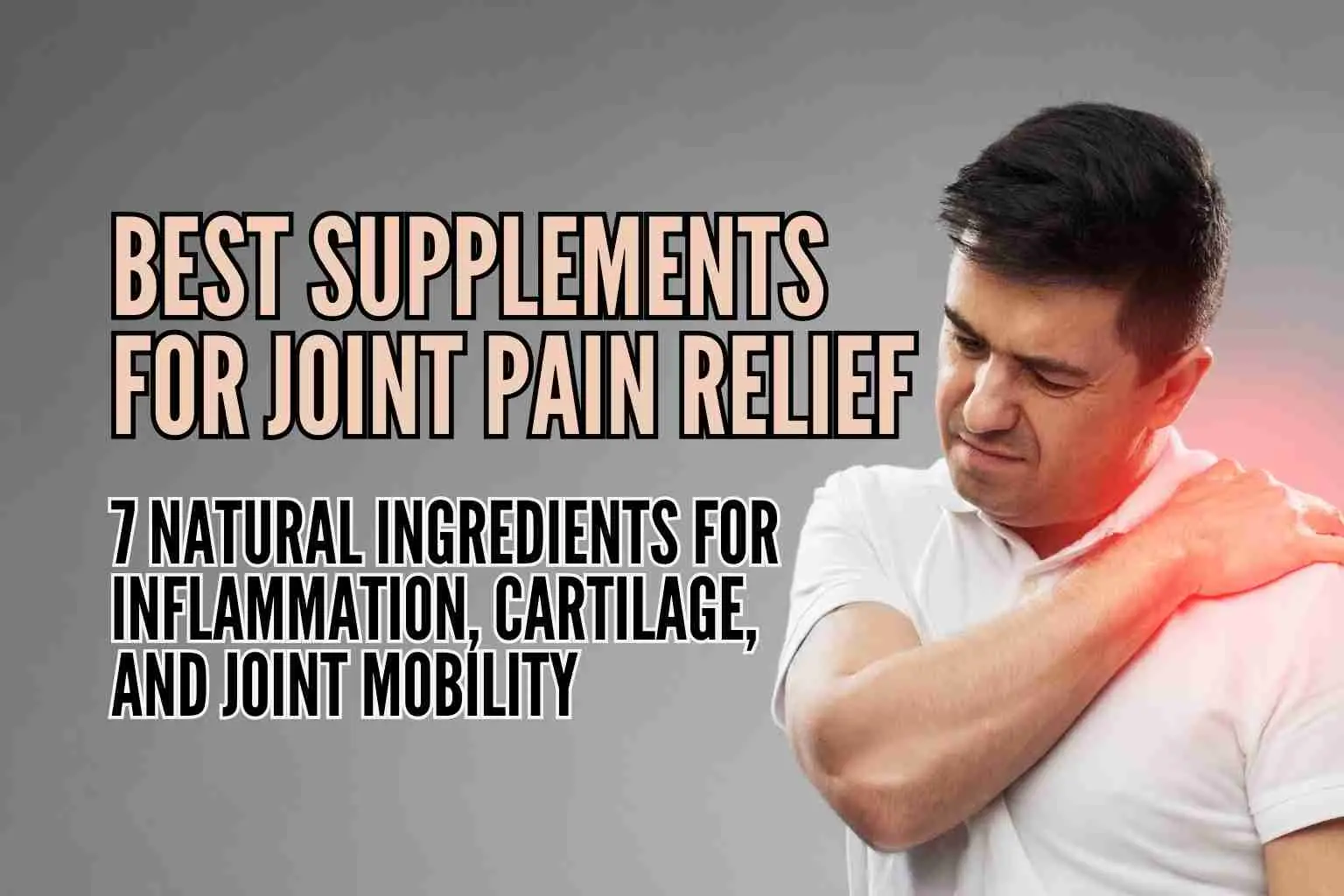
Joint pain rarely arrives all at once. For most adults over 40, it builds slowly — a stiffness that takes longer to resolve in the morning, a knee that protests after stairs, a shoulder that aches through the night. By the time it becomes disruptive enough to address, the underlying biology has often been changing for years. Finding the best supplements for joint pain relief means understanding what is actually driving the problem, not just reaching for whatever gets marketed most aggressively at the pharmacy.
This guide focuses on the ingredients with genuine clinical evidence for joint health — compounds that have been studied in human trials, with measurable effects on inflammation, cartilage integrity, or joint lubrication. Every ingredient covered here works through a specific, identifiable mechanism. Where the research has limitations or the marketing overstates the evidence, that is noted directly.
Why Joint Pain Gets Worse With Age — And Why Treating the Symptom Misses the Point
Most joint pain relief natural remedies focus on masking discomfort rather than addressing the underlying biology — chronic inflammation, cartilage degradation, and declining synovial fluid production — that determines whether joint pain worsens or stabilizes over time.
The scale of the problem reflects just how common these underlying changes are. The CDC estimates that approximately 58.5 million American adults have been diagnosed with arthritis, making it one of the leading causes of disability in the country. But the majority of adults experiencing chronic joint pain — particularly the gradual onset type associated with aging — fall into a category that precedes formal diagnosis: progressive cartilage thinning and low-grade chronic inflammation that disrupts daily function long before clinical thresholds are reached.
Several biological mechanisms drive this progression simultaneously. Articular cartilage — the smooth tissue that cushions the ends of bones within joints — has virtually no blood supply and extremely limited regenerative capacity. It depends on synovial fluid for both nutrition and lubrication, and when that fluid declines in quality and quantity with age, cartilage breakdown accelerates. The chondrocytes (cartilage cells) that maintain this tissue produce less extracellular matrix over time, and the balance between cartilage degradation and repair shifts increasingly toward degradation.
Inflammation compounds the structural problem. Osteoarthritis, long considered a purely mechanical “wear and tear” condition, is now understood to involve significant inflammatory activity — particularly through two enzyme pathways: COX-2 (cyclooxygenase-2) and 5-LOX (5-lipoxygenase). NSAIDs address the COX-2 pathway, which is why ibuprofen reduces joint pain acutely. But 5-LOX-driven inflammation continues, producing leukotriene compounds that sustain joint tissue breakdown even when COX-2 is suppressed. This is why long-term NSAID use manages symptoms without slowing the underlying process.
For adults managing chronic joint pain over months and years, natural ingredients that target both pathways — or that support cartilage repair and synovial fluid quality alongside inflammation reduction — offer something NSAIDs alone cannot: a more comprehensive approach to the biology of joint health.
What Separates a Joint Supplement That Works From One That Just Looks Good on a Label
The best natural anti-inflammatory supplements for joints work through specific, well-understood mechanisms — inhibiting inflammatory enzymes, supporting cartilage repair, or restoring joint lubrication — rather than relying on generic antioxidant claims that could describe almost any plant extract.
Four criteria consistently separate the effective from the ineffective.
Mechanism specificity — does the ingredient target a pathway directly relevant to joint biology? An ingredient that reduces systemic inflammation broadly is not the same as one that specifically inhibits the enzymatic processes destroying joint tissue. Both may reduce pain; only the latter addresses the cause.
Bioavailability at the joint — some ingredients with excellent in-vitro evidence fail in human trials because they are poorly absorbed or cannot reach target tissues in therapeutic concentrations. Curcumin is the most instructive example: the research on standard turmeric powder is far weaker than the research on enhanced-delivery formulations, and conflating the two is the single most common mistake in joint supplement selection.
Human trial data in joint populations — animal studies and cell culture data generate hypotheses. Randomized controlled trials in humans with osteoarthritis or joint pain generate clinical evidence. The two are not interchangeable, and the gap between them is where most ineffective joint supplements hide.
Dose alignment with research — a product that contains 50 mg of an ingredient whose clinical evidence was established at 500 mg is not a joint supplement. It is a label decoration. Proprietary blends that conceal individual doses make it impossible to evaluate this criterion, which is precisely why they exist.
7 Best Supplements for Joint Pain Relief: Ingredients With Clinical Evidence
The best supplements for joint pain relief on this list were selected based on a clearly identified mechanism tied to joint biology, human clinical trial data in populations with osteoarthritis or chronic joint pain, and a safety profile appropriate for long-term daily use — the way joint supplements are actually used.
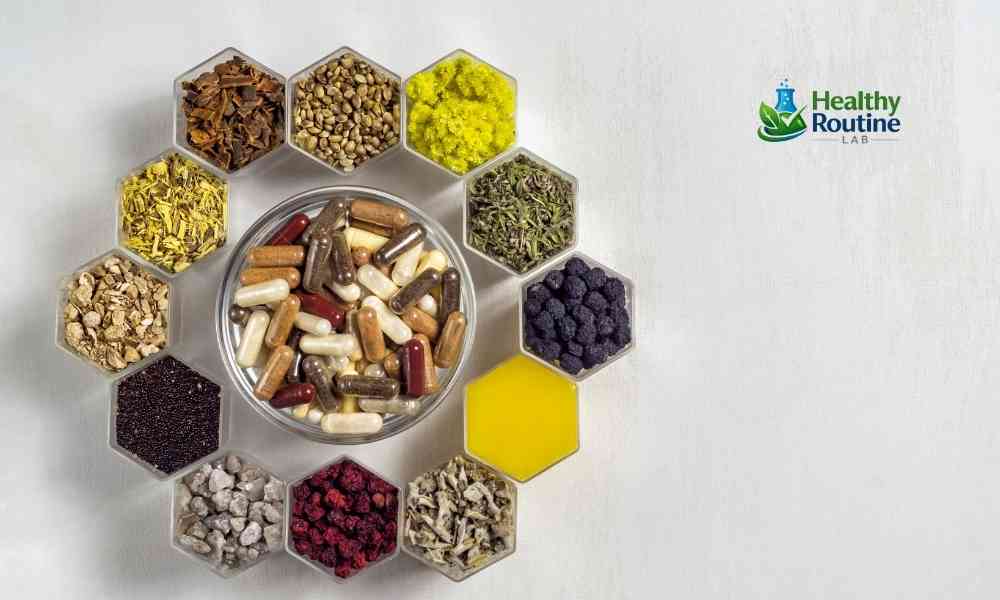
Turmeric and Curcumin: The Anti-Inflammatory Gold Standard — With a Bioavailability Problem Worth Knowing
Here is the most important thing most turmeric supplement labels don’t tell you: standard turmeric powder, however high its curcumin percentage, is poorly absorbed when taken orally. Curcumin is highly lipophilic, rapidly metabolized, and eliminated quickly — which explains why studies using plain turmeric produce inconsistent results, while studies using enhanced-delivery formulations (piperine-enhanced, liposomal, or phytosome preparations) produce the consistent anti-inflammatory effects that have made curcumin one of the most cited natural compounds in joint health research.
When delivered in a bioavailable form, curcumin works through multiple complementary mechanisms. It inhibits NF-κB, the master transcription factor that activates the genes responsible for producing inflammatory cytokines — including IL-1β and TNF-α, which are directly involved in cartilage degradation. It suppresses both COX-2 and 5-LOX, giving it broader anti-inflammatory coverage than NSAIDs, which only address COX-2. And it reduces oxidative stress within joint tissue, which is increasingly recognized as an independent driver of cartilage breakdown.
A meta-analysis of 16 randomized controlled trials published in the Journal of Medicinal Food (2021) found that curcumin supplementation significantly reduced pain and improved physical function in people with knee osteoarthritis, with an effect size comparable to NSAIDs but with a substantially better gastrointestinal safety profile. The key variable across studies was formulation: bioavailable curcumin consistently outperformed standard extracts.
The practical implication is direct: when evaluating a curcumin supplement, look for formulations with piperine (black pepper extract, which increases absorption by up to 2,000%), lecithin-based phytosome delivery, or lipid-based preparations. A 500–1,000 mg daily dose of a bioavailable curcumin extract is the range with the most consistent clinical support.
Boswellia Serrata: The Resin That Blocks the Inflammatory Pathway NSAIDs Cannot Reach
Ibuprofen and naproxen work by inhibiting COX-2 enzymes. Boswellia serrata works by inhibiting 5-LOX — and that difference in target is clinically significant. These are two parallel inflammatory pathways, both active in osteoarthritic joints, and addressing only one while the other continues unchecked explains much of the ceiling effect people experience with long-term NSAID use.
Boswellia’s active compounds — particularly AKBA (acetyl-11-keto-β-boswellic acid) — selectively inhibit 5-lipoxygenase, the enzyme that converts arachidonic acid into leukotrienes. Leukotrienes drive inflammatory cell recruitment to joint tissue and stimulate the production of matrix metalloproteinases (MMPs), the enzymes that actively degrade cartilage. Blocking this pathway does not just reduce pain — it addresses one of the mechanisms driving structural joint deterioration.
A double-blind, placebo-controlled trial published in Phytomedicine (2003) — one of the earliest rigorous studies on Boswellia for osteoarthritis — found that 333 mg of Boswellia extract taken three times daily for eight weeks significantly reduced knee pain, swelling, and joint stiffness compared to placebo, while improving walking distance and flexion. More recent research using standardized AKBA-enhanced extracts has replicated and extended these findings.
The combination of Boswellia and curcumin is particularly well studied. A 2019 RCT published in the European Review for Medical and Pharmacological Sciences found that the combination outperformed either ingredient alone for osteoarthritis pain reduction — reflecting their complementary mechanisms on two separate inflammatory pathways. Research doses center on 300–500 mg per day of a standardized extract, with AKBA content specified.
Glucosamine: The Cartilage Building Block That Takes Months to Show Results — and Why That Matters
A 2024 meta-analysis of 25 randomized controlled trials published in Osteoarthritis and Cartilage delivered one of the most rigorous assessments of glucosamine to date: supplementation significantly reduced pain and, notably, slowed the rate of joint space narrowing in people with knee osteoarthritis — suggesting a structural benefit beyond symptom management. Chondroitin showed similar pain-reduction effects but with a different mechanism: while glucosamine provides substrate for cartilage synthesis, chondroitin inhibits the degradative enzymes that break cartilage down.
Glucosamine is a naturally occurring amino sugar that serves as a primary building block for glycosaminoglycans — the structural molecules that give cartilage its shock-absorbing properties. As cartilage breaks down and chondrocyte activity declines with age, supplemental glucosamine provides the substrate needed to support the repair and maintenance processes that the body can no longer sustain at adequate rates through diet alone.
The timeline distinction that most people miss is this: glucosamine is not an acute pain reliever. It does not inhibit inflammation with the speed of turmeric or the nerve-level action of capsaicin. Its mechanism is structural — providing the materials for cartilage maintenance — and that process operates over months, not days. Clinical trials showing meaningful benefit typically run for 6–24 months of continuous supplementation. The standard research dose is 1,500 mg per day of glucosamine sulfate, taken consistently.
This is also the ingredient most susceptible to early discontinuation. Adults who try glucosamine for three weeks, notice no dramatic improvement, and stop are not giving the supplement the timeline its biology requires. For structural joint ingredients, realistic expectations are not optional — they are the prerequisite for actually experiencing the benefit.
Ginger: Two Separate Anti-Inflammatory Mechanisms in One Root
Ginger (Zingiber officinale) shares something with Boswellia that makes the two ingredients more powerful in combination than either is alone: both inhibit 5-LOX alongside COX-2. But the mechanisms differ. Where Boswellia’s AKBA selectively targets 5-LOX, ginger’s active compounds — gingerols and shogaols — inhibit both COX-2 and 5-LOX through multiple chemical pathways, while also suppressing TNF-α and IL-1β production downstream. The result is a broader anti-inflammatory footprint that complements rather than duplicates Boswellia’s action.
A systematic review and meta-analysis published in Osteoarthritis and Cartilage (2015) analyzed five randomized controlled trials on ginger for knee osteoarthritis and found significant reductions in pain and disability scores compared to placebo, with a safety profile that compared favorably to NSAIDs — particularly regarding gastrointestinal effects, where NSAIDs carry well-documented long-term risks.
Ginger also reduces markers of oxidative stress in joint tissue — a mechanism that connects to cartilage protection, since reactive oxygen species produced during chronic inflammation directly damage chondrocytes and extracellular matrix. This secondary antioxidant effect gives ginger relevance beyond acute inflammation reduction.
Standard supplemental doses in research range from 500–1,000 mg of standardized ginger extract per day. Taken with food, it is well tolerated with a low side effect profile. For people already using turmeric and Boswellia, ginger adds breadth to the anti-inflammatory approach without mechanistic redundancy.
Hyaluronic Acid: The Joint Lubricant That Declines With Age — and What Oral Supplementation Actually Does
Hyaluronic acid is the primary component of synovial fluid — the viscous liquid that lubricates joints and acts as a shock absorber between cartilage surfaces. In healthy joints, synovial fluid rich in high-molecular-weight hyaluronic acid allows nearly frictionless movement. In osteoarthritic joints, hyaluronic acid concentration and molecular weight both decline, leaving the joint with degraded lubrication and reduced cushioning capacity.
The honest clarification worth making upfront: intra-articular injections of hyaluronic acid — delivered directly into the joint — have the strongest and most consistent evidence for reducing knee osteoarthritis pain. Oral supplementation was initially met with skepticism on the grounds that large hyaluronic acid molecules would simply be degraded by digestive enzymes before reaching joint tissue. More recent research has complicated this picture.
A double-blind, randomized, placebo-controlled study published in Nutrition Journal (2015) found that low-molecular-weight hyaluronic acid taken orally at 200 mg per day for 12 months significantly reduced knee pain during activity compared to placebo in adults with knee discomfort. The proposed mechanism involves partially absorbed oligosaccharide fragments stimulating endogenous hyaluronic acid production in synovial cells rather than simply replacing the molecule directly. A 2021 review of oral hyaluronic acid trials reached similar conclusions, noting consistent modest improvements in joint function and pain that appear biologically plausible given the emerging understanding of absorption mechanisms.
The bottom line is that oral hyaluronic acid at low molecular weights produces real, if modest, joint benefits — particularly for lubrication and function rather than inflammation. It works best as part of a broader joint supplement strategy rather than as a standalone intervention. Research doses center on 80–200 mg per day of low-molecular-weight preparations.
MSM: The Sulfur Compound That Supports Connective Tissue From the Inside Out
Methylsulfonylmethane — MSM — is an organosulfur compound found naturally in small amounts in plants, animals, and humans. Sulfur is a structural component of several amino acids (cysteine and methionine) and plays a direct role in the formation of collagen, glucosamine, and other connective tissue molecules. The relevance to joint health is not indirect: cartilage, tendons, and the extracellular matrix that holds joint structures together all require sulfur-containing compounds as building blocks.
The clinical evidence for MSM in joint pain is meaningfully positive. A double-blind, randomized, placebo-controlled trial published in Osteoarthritis and Cartilage (2006) found that 3 g of MSM twice daily (6 g total) for 12 weeks significantly reduced pain and physical impairment scores in adults with knee osteoarthritis compared to placebo — with no serious adverse effects. A subsequent systematic review of multiple trials confirmed the pattern: MSM consistently reduces joint pain and stiffness, improves function, and is well tolerated at standard supplemental doses.
Beyond structural support, MSM reduces oxidative stress and NF-κB activation in joint tissue, contributing an anti-inflammatory effect that complements its connective tissue support role. This dual mechanism — structural substrate plus inflammation reduction — positions it as one of the more versatile additions to a joint support stack, working through entirely different pathways than turmeric, Boswellia, or glucosamine.
Research doses center on 1,500–3,000 mg per day, typically split into two doses. MSM is among the best-tolerated joint supplements available, with no significant known drug interactions and a strong long-term safety record.
Cayenne Pepper: How Capsaicin Interrupts Joint Pain Signals at the Nerve Level
Every other ingredient on this list reduces joint pain by targeting inflammation or supporting joint structure. Cayenne pepper works entirely differently — through the nervous system rather than through joint tissue biology — and that distinction makes it a valuable addition to a comprehensive joint pain strategy rather than a redundant one.
Capsaicin, the active compound in cayenne, binds to TRPV1 receptors on sensory nerve endings — the same receptors that detect heat and pain. Initial binding produces the burning sensation familiar to anyone who has eaten a hot pepper. With repeated exposure, however, these receptors become desensitized and substance P — the neuropeptide that transmits pain signals from peripheral nerves to the central nervous system — becomes depleted. The practical result is reduced pain signal transmission from the affected joint, independent of what is happening in the joint tissue itself.
A Cochrane systematic review evaluating topical capsaicin for chronic musculoskeletal pain found consistent evidence of meaningful pain reduction compared to placebo. For oral supplementation, clinical data is more limited but suggests systemic anti-inflammatory effects from capsaicin at doses achievable through supplementation — including reductions in inflammatory cytokines and improved circulation to joint tissues.
The honest framing: capsaicin provides real pain relief through a distinct neurological mechanism, but it does not address the underlying structural or inflammatory biology of osteoarthritis in the way that turmeric, Boswellia, or glucosamine do. It is best used as a complementary ingredient that addresses the pain experience while other ingredients work on the underlying causes. Research doses for oral supplementation typically range from 2–6 mg of capsaicin per day as part of a broader formula.
Complete Formula: Best Supplements for Joint Pain Relief in a Single Daily Product
For people who want the best supplements for joint pain relief working together in one formula — without sourcing, dosing, and timing multiple separate products — Joint Genesis combines the structural and anti-inflammatory dimensions of joint health into a single daily supplement designed around the biology of cartilage and synovial fluid.
Joint Genesis — A Formula Built Around Cartilage Structure and Synovial Fluid, Not Just Inflammation
Most joint supplements are formulated around pain and inflammation — which addresses the symptom most immediately felt. Joint Genesis takes a different structural angle: its formula centers on ingredients that support the cartilage matrix and synovial fluid quality that determines long-term joint function, alongside anti-inflammatory compounds that reduce the inflammatory burden accelerating cartilage breakdown.
The formula includes Boswellia serrata among its core compounds — one of the best-evidenced ingredients from this list for 5-LOX pathway inhibition — alongside hyaluronic acid and other ingredients targeting the synovial and structural dimensions of joint health. For adults managing both the inflammatory and the structural aspects of joint deterioration, this multi-mechanism approach covers more physiological ground than a single anti-inflammatory ingredient can.
What makes Joint Genesis relevant for the 35–65 demographic specifically is its positioning around long-term joint maintenance rather than acute pain management — the right framing for a supplement intended for consistent daily use over months and years.
Full review of the formula, ingredient breakdown, and what to realistically expect: Joint Genesis Review.

How to Get the Most From Joint Pain Supplements: Timing, Combinations, and Realistic Timelines
How long joint supplements take to work varies significantly by ingredient and mechanism — anti-inflammatory compounds like turmeric and ginger can reduce discomfort within days to weeks, while structural ingredients like glucosamine require 8–12 weeks of consistent use before cartilage-level changes become measurable.
Build your stack around your dominant problem. Adults whose joint pain is primarily inflammatory — warmth, swelling, morning stiffness that improves with movement — should prioritize curcumin, Boswellia, and ginger as their foundation. Adults whose pain is more structural — grinding, mechanical discomfort, loss of range of motion — should include glucosamine and MSM as core ingredients alongside anti-inflammatory support.
Take fat-soluble ingredients with food. Curcumin, Boswellia, and MSM all absorb better alongside dietary fat. Building joint supplementation into a meal routine improves both absorption and consistency — the two factors that most directly determine outcomes.
Use anti-inflammatory ingredients to manage symptoms while structural ingredients do their slower work. Turmeric and ginger act faster; glucosamine and MSM act deeper. The most effective approach combines both — using the faster-acting anti-inflammatory ingredients to improve day-to-day comfort while the structural ingredients address the underlying cartilage biology over months.
Be consistent for at least 12 weeks before evaluating. Joint biology changes slowly. Stopping a glucosamine or MSM regimen at four weeks because improvement feels modest is the most common reason adults dismiss ingredients that were producing real but gradual changes.
Consult your physician if you take blood thinners or have diabetes. Glucosamine and chondroitin can affect blood sugar regulation in some individuals. Turmeric at high doses may enhance the effects of anticoagulant medications. These are documented interactions that require monitoring in specific populations.
Can Joint Pain Supplements Actually Reverse Cartilage Damage?
No supplement currently available has demonstrated the ability to reverse established cartilage damage in humans. The more accurate — and clinically meaningful — framing is that the best supplements for joint pain relief can slow the rate of cartilage deterioration, reduce the inflammatory burden accelerating that deterioration, and support the structural environment in which the body’s limited self-repair capacity operates more effectively.
The distinction matters for setting realistic expectations. Glucosamine’s evidence for slowing joint space narrowing — the radiological marker of cartilage loss — is real and clinically meaningful. But it represents preservation, not regeneration. Adults who have been managing osteoarthritis for decades should not expect supplements to restore joint tissue to its earlier state; those who are catching the problem in its earlier stages have the most to gain from consistent long-term use.
What about pain relief specifically? Several of the best supplements for joint pain relief discussed here — turmeric, Boswellia, and ginger particularly — produce pain reductions that compare favorably to low-dose NSAIDs in controlled trials, without the gastrointestinal and cardiovascular risks associated with long-term NSAID use. For chronic management, this is a clinically significant difference.
How long before pain improves? Anti-inflammatory ingredients typically produce noticeable effects within 2–4 weeks of consistent use. Structural ingredients require 8–12 weeks minimum. Most adults find that combining both categories produces the best experience: faster-onset relief from the anti-inflammatory ingredients while the structural compounds work on longer timescales.
The Bottom Line: What Best Supplements for Joint Pain Relief Can and Cannot Do
The best supplements for joint pain relief work most effectively when matched to the underlying mechanism driving the problem — inflammatory joints respond differently than joints with structural cartilage loss, and the right ingredient for one profile may be the wrong starting point for another. The seven ingredients covered here address the full spectrum of joint biology: two separate inflammatory pathways, structural cartilage support, synovial fluid quality, and the neurological dimension of pain signaling.
None of them replace appropriate medical evaluation for severe or rapidly worsening joint pain. None of them compensate for body weight that chronically overloads joint surfaces, or for sedentary patterns that accelerate cartilage deconditioning. What they offer — used consistently, at research-aligned doses, with realistic timelines — is meaningful support for the biological processes that determine how joints age.
For adults managing the gradual joint changes that come with aging, that is a more valuable proposition than it might initially sound.
Frequently Asked Questions About Supplements for Joint Pain Relief
What Is the Most Effective Joint Pain Supplement?
There is no single answer to this question — and any source that gives you one without qualification is oversimplifying joint biology in a way that will likely lead you to the wrong product. The most effective supplement for joint pain depends almost entirely on which mechanism is driving the pain in the first place.
For joints where inflammation is the dominant problem — warmth, swelling, morning stiffness that eases with movement — the combination of curcumin (in a bioavailable form) and Boswellia serrata has the most consistent evidence across randomized controlled trials. These two compounds target complementary inflammatory pathways: curcumin inhibits NF-κB and COX-2; Boswellia inhibits 5-LOX. Together, they address both arms of the inflammatory response that NSAIDs only partially cover, and multiple head-to-head studies have found their combination outperforms either compound alone.
For joints where structural deterioration is the dominant driver — grinding, mechanical discomfort, progressive loss of range of motion — glucosamine sulfate has the strongest evidence for slowing cartilage loss over time, supported by a 2024 meta-analysis of 25 randomized trials. MSM complements glucosamine through its connective tissue sulfur-donor mechanism. Neither works as quickly as anti-inflammatory ingredients, but they address a dimension of joint health that no anti-inflammatory compound can reach.
For people managing both dimensions simultaneously — which is true of most adults with moderate osteoarthritis — a stack that combines curcumin and Boswellia for inflammation with glucosamine and MSM for structure provides the most comprehensive coverage. The practical shortcut is a well-formulated complete product like Joint Genesis that combines these mechanisms rather than requiring four separate supplements managed individually.
What Is the Golden Herb for Joint Pain?
The “golden herb” for joint pain is turmeric — specifically its active compound curcumin — and the name is literal: turmeric’s characteristic golden-yellow color comes from curcuminoids, the same polyphenol family responsible for its anti-inflammatory properties. It has been used in Ayurvedic and traditional Chinese medicine for joint and inflammatory conditions for over three thousand years, and modern clinical research has confirmed the biological basis for that historical use with a level of detail that few herbal compounds have achieved.
What makes curcumin genuinely exceptional is not the breadth of its anti-inflammatory activity — many compounds reduce inflammation broadly. It is the specificity and multiplicity of its mechanisms. Curcumin simultaneously inhibits NF-κB (the master inflammation transcription factor), suppresses both COX-2 and 5-LOX enzymes, reduces TNF-α and IL-1β cytokine production, and attenuates oxidative stress in joint tissue. This multi-target action is why a 2021 meta-analysis in the Journal of Medicinal Food found curcumin’s effect on knee osteoarthritis pain comparable to NSAIDs, but with substantially fewer gastrointestinal side effects.
The critical caveat — and the reason many people try turmeric supplements and notice little benefit — is bioavailability. Standard curcumin from turmeric powder is poorly absorbed orally: it is highly lipophilic, rapidly metabolized, and eliminated quickly. Studies using standard turmeric extract produce inconsistent results. Studies using enhanced-delivery formulations — piperine-enhanced, liposomal, phytosome preparations, or nano-curcumin — produce the consistent, meaningful effects. If you are buying a curcumin supplement without a specified bioavailability-enhancing formulation, you are most likely buying something far less effective than the research suggests curcumin can be.
Is Turmeric or Collagen Better for Joints?
This comparison misframes the choice, because turmeric and collagen do not compete — they address entirely different aspects of joint biology and work best used together rather than as alternatives.
Turmeric (curcumin) is an anti-inflammatory compound. Its mechanism involves inhibiting the enzymatic and transcription pathways that produce inflammation in joint tissue — reducing the inflammatory activity that accelerates cartilage breakdown and generates the pain, swelling, and stiffness associated with osteoarthritis. It does not contribute to building or repairing joint structure. It addresses the hostile inflammatory environment in which cartilage deteriorates.
Collagen is a structural compound. Specifically, hydrolyzed collagen peptides — particularly Type II collagen — provide the amino acid substrate (glycine, proline, hydroxyproline) that chondrocytes use to synthesize cartilage extracellular matrix. A 2020 meta-analysis of 41 studies found that collagen supplementation reduced joint pain and improved cartilage repair markers, with effects most pronounced in people with early to moderate osteoarthritis. The mechanism is not anti-inflammatory — it is substrate provision for the repair processes that the body can no longer sustain at adequate rates through dietary protein alone.
Which is “better” depends entirely on what your joints need most right now. If acute inflammation is the dominant problem, turmeric addresses that more directly. If structural cartilage support over the long term is the priority, collagen fills a gap that turmeric cannot. For most adults with chronic joint concerns, the most accurate answer is that both are useful — turmeric managing the inflammatory dimension and collagen supporting the structural one — and the best approach incorporates both rather than choosing between them.
What Is the Strongest Natural Anti-Inflammatory for Joints?
By the weight of clinical evidence in joint populations specifically, the combination of bioavailable curcumin and Boswellia serrata constitutes the strongest natural anti-inflammatory approach for joint pain. Neither ingredient alone is as well-evidenced as the pair together, and their complementary mechanisms explain why.
Curcumin’s strength lies in its multi-target action on the COX-2 pathway and NF-κB — the central inflammatory transcription factor. A meta-analysis of 16 RCTs confirmed consistent, clinically significant pain reduction in knee osteoarthritis populations, with effect sizes comparable to low-dose NSAIDs.
Boswellia’s strength lies in the pathway curcumin doesn’t fully cover: 5-LOX inhibition. The 5-lipoxygenase enzyme produces leukotrienes — inflammatory compounds that drive immune cell recruitment to joint tissue and activate matrix metalloproteinases (the enzymes that directly degrade cartilage). NSAIDs don’t touch this pathway, which is why inflammatory joint damage continues despite ibuprofen use. Boswellia’s AKBA compounds selectively block 5-LOX with a specificity that few other natural compounds match. A 2019 RCT published in the European Review for Medical and Pharmacological Sciences found that the curcumin-Boswellia combination produced greater pain reduction than either compound used alone — confirming the additive effect of targeting both pathways simultaneously.
Ginger deserves mention as a close third, both because it inhibits COX-2 and 5-LOX similarly to the curcumin-Boswellia combination (though through different specific mechanisms) and because it adds TNF-α suppression and antioxidant activity in joint tissue. For adults who cannot tolerate or access high-quality curcumin or Boswellia, ginger offers meaningful anti-inflammatory coverage through a single well-studied root.
Can I Take Multiple Joint Supplements at the Same Time?
Yes — and for most adults with chronic joint concerns, doing so is more effective than relying on a single ingredient. The key is selecting ingredients with complementary rather than redundant mechanisms, and avoiding combinations that carry meaningful interaction risks.
The most evidence-supported combinations are: curcumin plus Boswellia (complementary COX-2 and 5-LOX inhibition, confirmed additive effect in clinical trials); glucosamine plus MSM (structural substrate provision plus connective tissue sulfur support); and either of those pairings combined with hyaluronic acid for synovial fluid support. These combinations address inflammation, structural cartilage support, and joint lubrication simultaneously — the three biological dimensions most relevant to chronic joint deterioration.
Ginger and turmeric can be combined without concern — their mechanisms overlap but are not identical, and the combination is used safely in culinary and supplemental contexts. Cayenne pepper (capsaicin) can be added to any of the above combinations without interaction risk, since its mechanism is neurological rather than metabolic.
The main cautions involve pharmacological interactions. Curcumin at high doses can enhance the effects of anticoagulant medications like warfarin — relevant for anyone on blood thinners. Glucosamine may influence blood sugar regulation in people with diabetes or insulin resistance. If you take prescription medications for cardiovascular conditions, blood sugar management, or have any diagnosed chronic condition, discuss your supplement plan with your prescribing physician before combining multiple joint ingredients.
What Is the Best Supplement for Knee Pain Specifically?
Knee pain is the most common site of osteoarthritis, and the ingredient with the most specific and rigorous clinical evidence for knee osteoarthritis — more than for any other joint — is glucosamine sulfate. The landmark GAIT trial (Glucosamine/Chondroitin Arthritis Intervention Trial), the 2024 meta-analysis of 25 RCTs, and multiple European studies have all used knee osteoarthritis as the primary endpoint. The consistent finding: glucosamine at 1,500 mg per day reduces knee pain and, over longer study periods, slows the joint space narrowing that indicates cartilage loss.
Hyaluronic acid has similarly strong knee-specific evidence, partly because the majority of both intra-articular injection studies and oral supplementation trials have focused on the knee joint. For adults managing knee pain with a significant functional component — difficulty with stairs, reduced walking endurance, loss of flexion — hyaluronic acid’s joint lubrication mechanism is directly relevant to the knee’s high-load environment.
For the inflammatory component of knee osteoarthritis, curcumin and Boswellia remain the strongest options — and the combination of Boswellia and curcumin has been tested specifically in knee OA populations in multiple trials. The practical recommendation for adults with chronic knee pain is a four-ingredient approach: glucosamine sulfate for structural preservation, curcumin and Boswellia for inflammation, and hyaluronic acid for lubrication and synovial quality.
How Long Does It Take for Joint Supplements to Start Working?
Timeline varies significantly by mechanism, and conflating all joint supplements into a single expected timeframe is one of the most common reasons people discontinue an effective regimen before it has the opportunity to work.
Anti-inflammatory ingredients operate on the fastest timelines. Curcumin, Boswellia, and ginger typically produce noticeable reductions in pain and stiffness within two to four weeks of consistent daily use in people with active joint inflammation. Some individuals report improvement within the first week; others require the full four weeks for meaningful change to accumulate. These ingredients work by modifying the biochemical environment of joint tissue, which occurs relatively quickly compared to structural changes.
Structural ingredients operate on fundamentally slower timelines. Glucosamine and MSM provide substrate for cartilage maintenance and connective tissue repair — processes that occur at the pace of tissue biology, not biochemical signaling. Clinical trials showing meaningful glucosamine benefits typically run for six months to two years. Expecting results within four weeks is physiologically unreasonable. The meaningful question with glucosamine is not “do I feel better after three weeks” but “is my joint deterioration progressing more slowly after twelve months” — a question only longitudinal tracking can answer.
Hyaluronic acid falls between these timelines. Oral hyaluronic acid supplementation at low molecular weights shows measurable joint function improvements in twelve-month trials, with some studies showing benefit at three to six months. The mechanism — stimulating endogenous synovial hyaluronic acid production — is faster than cartilage matrix remodeling but slower than acute inflammation reduction.
The practical strategy: use anti-inflammatory ingredients to provide early symptom relief while structural ingredients work on longer timescales. Assessing the full picture at twelve weeks is the minimum reasonable evaluation period, and for glucosamine specifically, six months is a more realistic timeline for drawing conclusions.
Are Glucosamine and Chondroitin Still Worth Taking?
Yes — with important nuance about what each one does and who benefits most from each. Both compounds have accumulated significant clinical evidence, but their mechanisms differ enough that they should not be treated as interchangeable or as a single combined intervention.
Glucosamine sulfate provides the structural substrate for glycosaminoglycan synthesis in cartilage — it is a building block that cartilage tissue uses for its own maintenance and repair. The evidence for slowing joint space narrowing (the radiological sign of cartilage loss) is meaningful and has been replicated across multiple long-term trials, including the 2024 meta-analysis of 25 RCTs. For adults with early to moderate knee osteoarthritis, glucosamine sulfate at 1,500 mg per day is one of the most evidence-supported structural interventions available without a prescription.
Chondroitin sulfate works differently: it inhibits the matrix metalloproteinases that degrade cartilage, and it has water-binding properties that help maintain the hydration and elasticity of cartilage tissue. The same 2024 meta-analysis found that chondroitin reduced pain and improved physical function, with the structural protection mechanism complementary to glucosamine’s synthesis-support role.
The combination of both, however, did not show additive benefits beyond using either alone in that meta-analysis — a finding the researchers attributed partly to limited high-quality combination studies rather than evidence of redundancy. The current clinical picture suggests that either compound used consistently at research-backed doses delivers real benefit, and that selecting one based on dominant mechanism (synthesis support vs. degradation inhibition) may be more useful than always combining both.
One important note: chondroitin and glucosamine are both derived from animal sources in most commercial supplements (bovine or marine). People with shellfish allergies should verify the source of glucosamine specifically, as marine-derived versions present allergy risk; corn-derived alternatives exist.
This article is for informational and educational purposes only and does not constitute medical advice. Results vary by individual. The information presented here is based on publicly available research and is not intended to diagnose, treat, cure, or prevent any condition. People taking anticoagulant medications, blood sugar treatments, or those with diagnosed joint conditions should consult a qualified healthcare provider before starting any supplement regimen discussed here. These statements have not been evaluated by the Food and Drug Administration.