
Visiflora for digital eye strain is one of the more directly applicable uses of this formula — and not by accident. Screen-related eye fatigue develops through two compounding mechanisms: sustained exposure to high-energy blue light that stresses macular tissue, and the oxidative load that accumulates in photoreceptor cells after hours of sustained focal effort. The formula addresses both pathways through a combination of astaxanthin, lutein, zeaxanthin, and bilberry extract — each supported by ingredient-level research in screen fatigue contexts specifically, not just general antioxidant activity.
Visiflora for Digital Eye Strain: What the Research Shows
Astaxanthin carries the most direct clinical evidence for screen-related fatigue. A randomized controlled trial published in Nutrients followed office workers supplementing with astaxanthin during periods of prolonged monitor use. Researchers documented significant reductions in eye fatigue scores and measurable improvements in accommodation — the eye’s ability to shift focus fluidly between near and far distances, a capacity that visibly degrades after long hours at a screen. That outcome is ingredient-specific, not a general antioxidant effect.
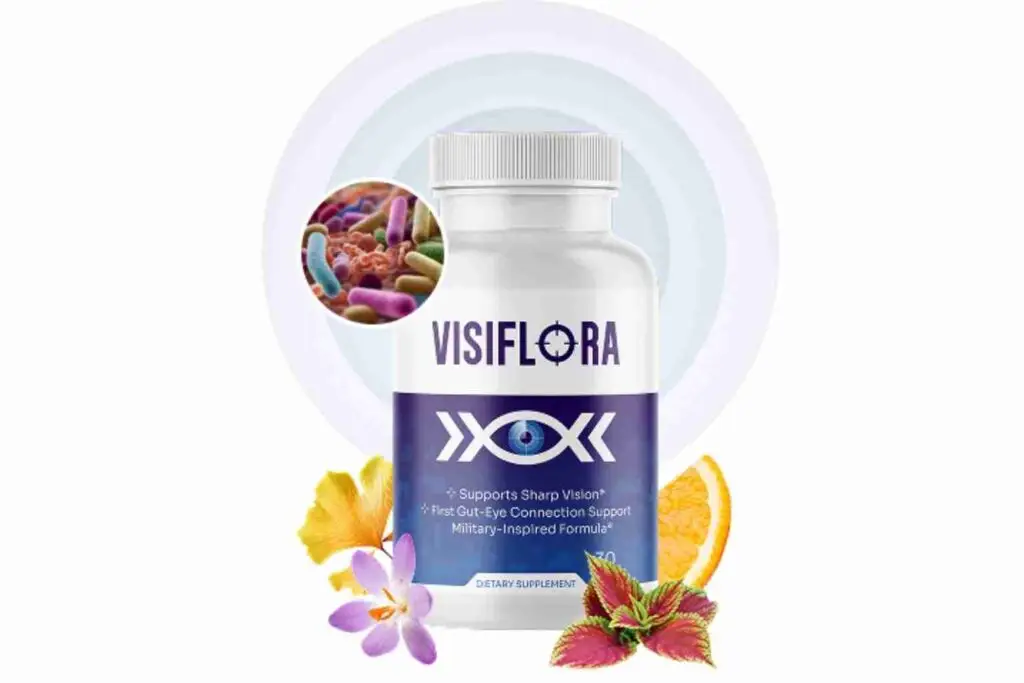
Lutein and zeaxanthin address the blue-light dimension. These two carotenoids concentrate selectively in the macula and form the macular pigment — a natural optical filter that absorbs high-energy visible blue light before it penetrates the photoreceptors beneath. Less blue light reaching macular tissue means less oxidative stress generated per hour of screen exposure, which directly reduces the cumulative load that produces that heavy, dry, strained feeling by late afternoon.
Grape seed extract covers a third angle that most screen-fatigue discussions overlook: the vascular dimension. The microcapillaries supplying the retina with oxygen and nutrients are among the finest in the body, and research links sustained close-focus work with reduced retinal perfusion over time. The OPC compounds in grape seed extract reinforce capillary integrity and support steady blood flow to retinal tissue — a structural contribution to visual comfort that antioxidants alone don’t replicate.
Visiflora for digital eye strain works through these converging mechanisms rather than a single pathway — which is why users with heavy screen schedules tend to notice effects that go beyond what a basic lutein supplement delivers.
Factors That Affect Screen Fatigue Relief
Results with any eye supplement for screen use depend on more than the formula itself:
Daily screen hours. Adults spending eight or more hours on monitors face a higher cumulative oxidative burden. The formula can support recovery, but the starting load matters.
Break habits. The 20-20-20 rule — looking at something 20 feet away for 20 seconds every 20 minutes — reduces accommodative strain in ways that supplementation can’t replace. Pairing both produces better outcomes than either alone.
Consistency of use. Astaxanthin and carotenoid accumulation in ocular tissue builds over weeks of daily supplementation. Irregular use disrupts that process and blunts the cumulative benefit.
Duration before evaluation. Most users report noticeable improvement in end-of-day eye comfort after 4 to 6 weeks of uninterrupted use. Assessing results in the first two weeks underestimates what the formula can do.
What To Look For Before You Buy
Not every supplement positioned for screen users actually contains the ingredients with research behind them. Before committing to any product in this space, verify three things:
The formula should include astaxanthin specifically — not just a general antioxidant blend. It’s the ingredient with the most direct RCT evidence for accommodation fatigue and screen-related eye strain. Its absence is a meaningful gap in any formula targeting this use case.
Blue-light filtering carotenoids — lutein and zeaxanthin together — should both be present, not just one. They filter different portions of the high-energy visible spectrum and work more completely in combination.
Manufacturing transparency matters: GMP-certified facility, FDA-registered production, non-GMO ingredients. These are baseline standards for a supplement intended for sustained daily use.
For a complete breakdown of how Visiflora for digital eye strain fits into the formula’s broader vision support strategy — including the gut-eye mechanism and macular protection — the full review of Visiflora covers every active ingredient with the clinical context behind it.
Bottom Line
Visiflora for digital eye strain targets screen fatigue through three distinct pathways: astaxanthin for photoreceptor recovery and accommodation, lutein and zeaxanthin for blue-light filtration at the macula, and grape seed extract for retinal microcirculation. The ingredient-level research is specific rather than generic. Benefits accumulate over 4 to 6 weeks of daily use — the earlier in a heavy-screen-use routine it’s started, the more the compound effect builds ahead of the daily load.
If this breakdown has given you a clearer picture of whether Visiflora fits your screen-use situation, you can check current pricing and the 60-day guarantee directly at the official Visiflora website — everything is detailed there at your own pace.

Looking for more answers about Visiflora? You might also find these useful:
— Can Visiflora Improve Night Vision? What the Ingredients Actually Suggest
— Visiflora Ingredients and Benefits Explained: What Each Compound Does for Your Eyes
Disclaimer: This article is for informational and educational purposes only and does not constitute medical advice. Results vary by individual. The information presented here is based on publicly available research and is not intended to diagnose, treat, cure, or prevent any condition. Pregnant or breastfeeding individuals, people taking prescription medications, and those with diagnosed health conditions should consult a qualified healthcare provider before starting any new supplement. These statements have not been evaluated by the Food and Drug Administration.