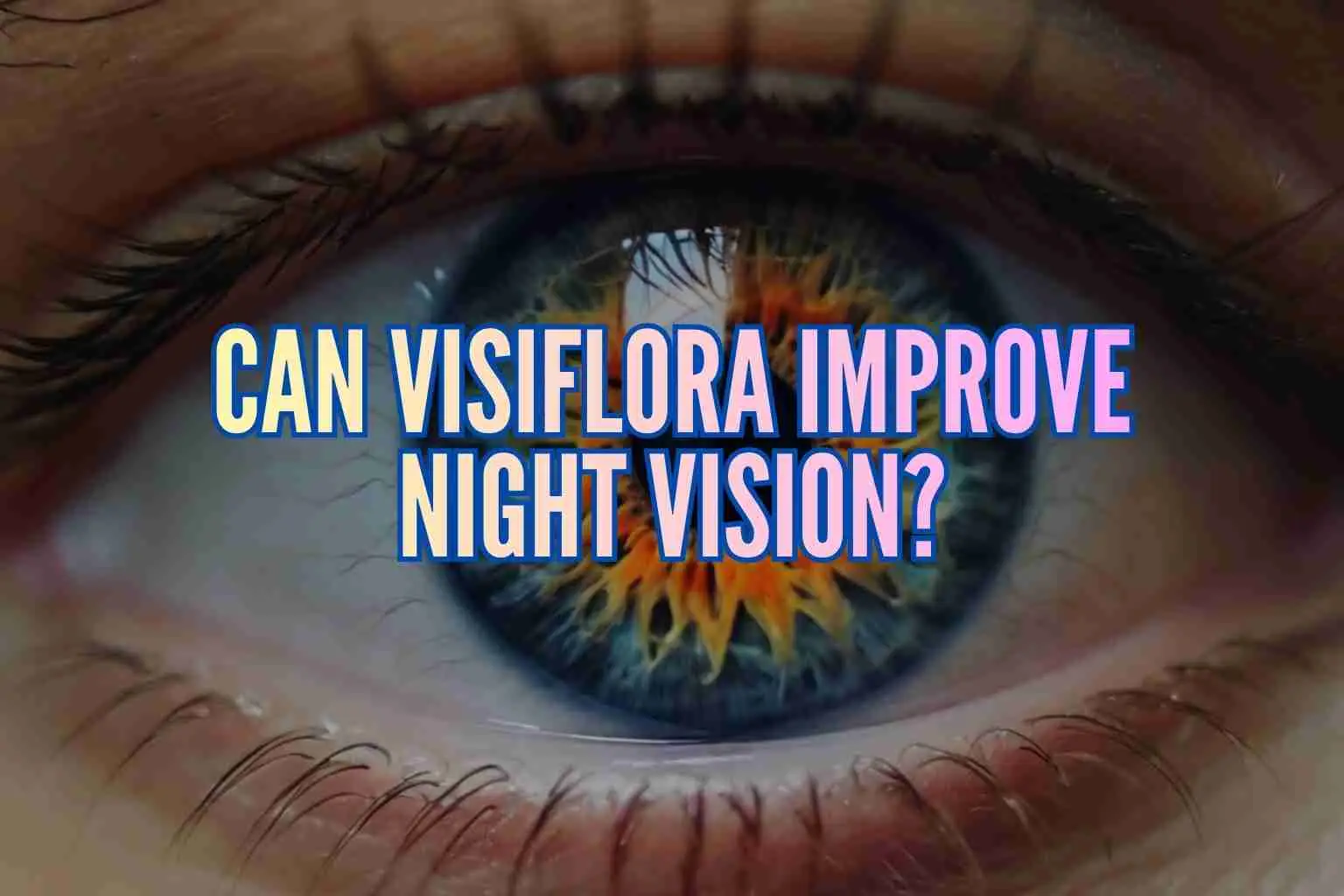
Can Visiflora improve night vision? The answer is ingredient-specific rather than speculative. The formula includes three compounds that target exactly the biological pathways behind low-light visual performance: vitamin A as beta carotene, zinc, and bilberry extract. Each one operates through a distinct mechanism, and together they address dark adaptation from the retina’s photoreceptor layer outward. Results depend on consistency and baseline nutritional status, but the science behind these ingredients is among the most direct and well-documented in the eye supplement category.
Can Visiflora Improve Night Vision: What the Research Shows
The clearest evidence runs through vitamin A — the direct precursor to rhodopsin, the photosensitive pigment packed into rod photoreceptors responsible for vision in dim and dark environments. Without sufficient vitamin A, rhodopsin production drops, and the ability to adapt to darkness deteriorates accordingly. The World Health Organization lists vitamin A deficiency as the leading preventable cause of night blindness globally — a relationship grounded in decades of clinical documentation, not in supplement marketing.
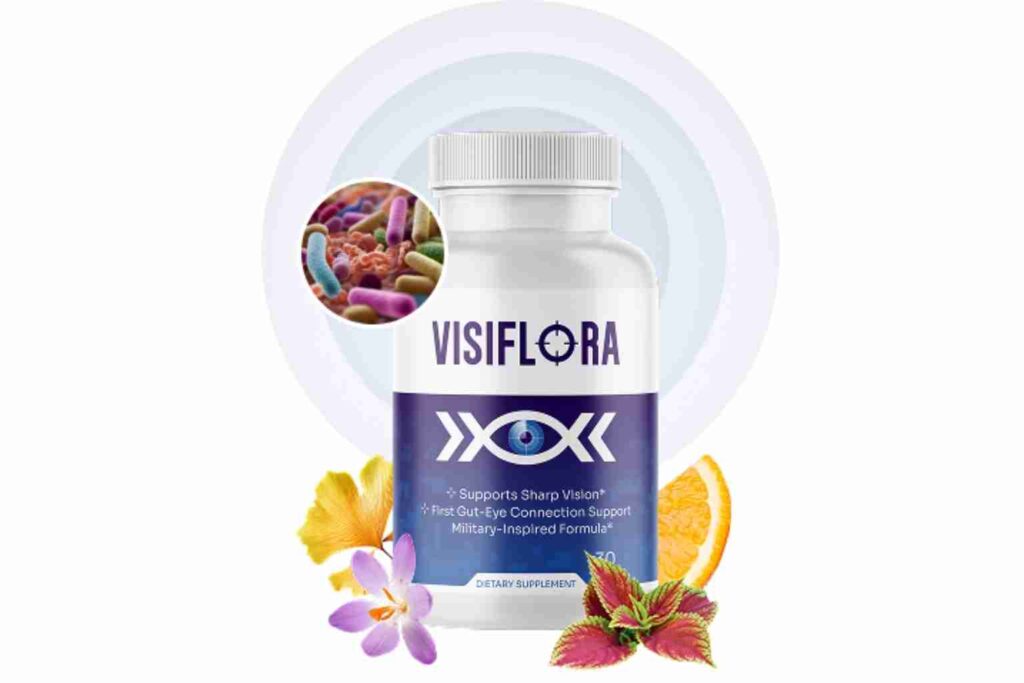
Zinc serves as the critical transport mineral: even when dietary vitamin A is adequate, insufficient zinc impairs its movement from the liver to the retina, limiting rhodopsin synthesis at the point of delivery. That two-step dependency — vitamin A as the raw material, zinc as the delivery system — explains why both appear together in Visiflora rather than relying on either alone.
Bilberry extract adds a third, independently documented mechanism. A clinical trial published in the Journal of Nutrition found that anthocyanin-rich bilberry supplementation improved dark adaptation speed in adults with prolonged screen exposure — an outcome directly relevant for anyone whose night vision challenges have developed alongside years of digital eye fatigue.
The question of whether can Visiflora improve night vision for aging eyes isn’t hypothetical. The ingredient-level evidence is specific and clinically grounded, not aspirational.
Factors That Affect Night Vision Results
Several variables determine how noticeably — and how quickly — someone experiences improvement:
Baseline nutritional status. Adults over 50 with less varied diets often carry marginal vitamin A or zinc levels. Those individuals tend to see the most significant changes. People already replete may notice subtler, more gradual effects.
Consistency of daily use. Rhodopsin density and dark adaptation capacity respond to sustained nutritional support, not to occasional supplementation. Interrupted use resets the accumulation process.
Duration of use. Most users report noticeable changes in low-light comfort after 6 to 8 weeks of uninterrupted daily use. Evaluating results after one or two weeks misses the adaptation window entirely.
Concurrent screen habits. Prolonged daily screen exposure depletes the visual system’s recovery capacity. Pairing Visiflora with basic screen hygiene — regular breaks, reduced evening exposure — amplifies what the formula can deliver.
What To Look For Before You Buy
Not every eye supplement addresses night vision through the same pathways. Before purchasing any product in this category, verify three things:
The formula should include vitamin A in a bioavailable form — beta carotene or retinyl palmitate — alongside zinc as the transport mineral. A product built solely around lutein and zeaxanthin addresses macular protection, not dark adaptation.
Manufacturing standards matter: GMP-certified, FDA-registered facilities and non-GMO ingredients are the minimum baseline for a supplement you plan to take daily over months.
A guarantee of at least 60 days gives you time to complete a real evaluation window. Night vision improvements through nutritional support build gradually — a 30-day return policy isn’t sufficient to assess fairly.
For a full breakdown of how the formula addresses night vision alongside macular health, digital eye strain, and the gut-eye connection, the full review of Visiflora covers every ingredient with the clinical context behind it.
Bottom Line
Can Visiflora improve night vision? Based on the evidence behind vitamin A, zinc, and bilberry extract — three of its core compounds — yes, and through mechanisms that are well-documented rather than inferred. Results accumulate over 6 to 8 weeks of consistent daily use. For adults whose low-light vision has declined gradually over the years, the nutritional foundation in this formula addresses the right biological targets.
If the information here has helped clarify whether Visiflora fits your situation, you can verify current pricing, package options, and the 60-day guarantee directly at the official Visiflora website — all details are available there without any obligation.

Looking for more answers about Visiflora? You might also find these useful:
— Visiflora for Digital Eye Strain: Does It Actually Help with Screen Fatigue?
— Is Visiflora Good for People Over 50? What Aging Eyes Actually Need
Disclaimer: This article is for informational and educational purposes only and does not constitute medical advice. Results vary by individual. The information presented here is based on publicly available research and is not intended to diagnose, treat, cure, or prevent any condition. Pregnant or breastfeeding individuals, people taking prescription medications, and those with diagnosed health conditions should consult a qualified healthcare provider before starting any new supplement. These statements have not been evaluated by the Food and Drug Administration.