

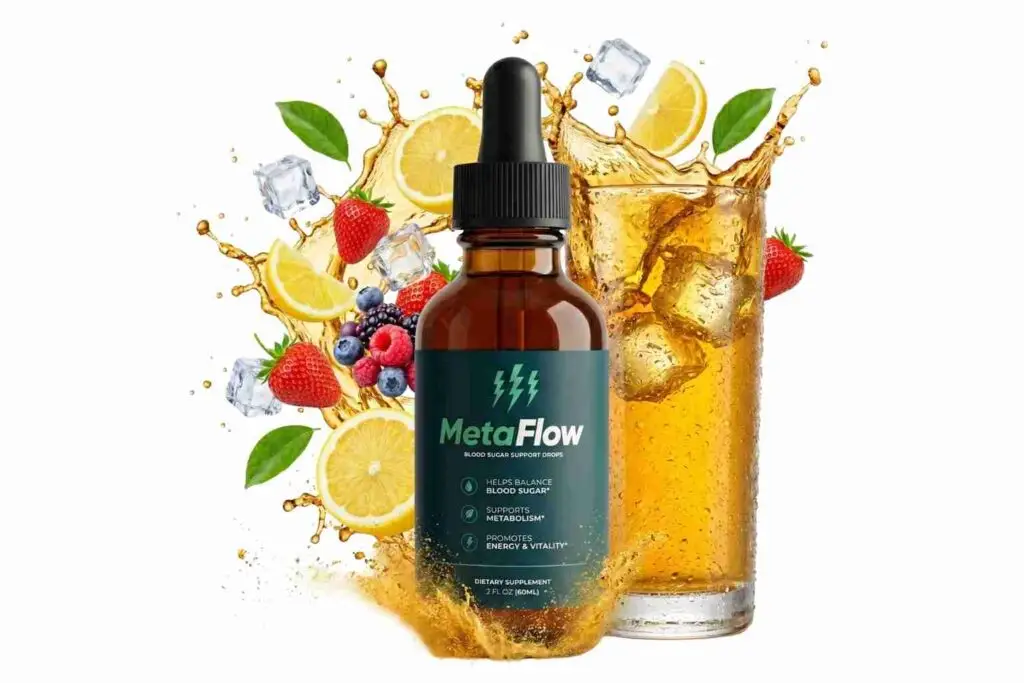
The Metaflow ingredients list contains six herbal extracts: cinnamon, licorice root, turmeric root, coriander seed, bitter melon, and Japanese knotweed standardized for resveratrol. Each compound is selected for a specific, documented role in glucose metabolism, insulin sensitivity, or inflammation control — not for label appeal. None of them are fillers. Together they form a multi-mechanism formula that addresses blood sugar regulation from more biological angles simultaneously than most single-ingredient or poorly assembled blends in this category.
What makes the Metaflow ingredients list worth examining closely is not just the presence of each compound but the combination logic — the way these six extracts cover different and complementary metabolic pathways rather than duplicating the same mechanism across multiple names.
Metaflow Ingredients List: What the Research Shows About Each Compound
Starting with the most extensively studied entry on the Metaflow ingredients list: cinnamon extract, specifically Cinnamomum cassia bark at a 1:5 extract ratio. A 2013 meta-analysis in the Annals of Family Medicine covering ten RCTs found a 24.59 mg/dL average reduction in fasting blood glucose. The mechanism — cinnamaldehyde improving insulin receptor responsiveness at the cellular level — is one of the most replicated findings in the herbal glucose support literature.
Bitter melon, included as a 4:1 concentrate, brings three distinct anti-diabetic compounds to the formula: Polypeptide-P, charantin, and vicine. A 2024 meta-analysis of eight RCTs involving 423 participants found a 41.0 mg/dL reduction in postprandial glucose — the after-meal spike that causes most of the daily energy and craving volatility users are typically trying to address.
Turmeric root’s curcumin addresses the inflammatory driver of insulin resistance by inhibiting NF-κB, a key regulatory protein in the inflammatory cascade. A 2019 meta-analysis in Critical Reviews in Food Science and Nutrition confirmed consistent HOMA-IR improvements across multiple RCTs — making it one of the stronger entries on the Metaflow ingredients list from a mechanism standpoint, rather than just a surface glucose-lowering effect.
Licorice root’s primary bioactive, glabridin, targets hepatic glucose production — specifically reducing the liver’s output of glucose between meals. Japanese knotweed delivers resveratrol standardized to 98%, which activates AMPK, the same cellular energy-sensing enzyme targeted by metformin, improving glucose uptake independently of insulin sensitivity status. Coriander seed rounds out the formula with evidence for direct pancreatic beta cell stimulation — prompting more efficient insulin secretion in response to glucose, complementing the uptake and sensitivity mechanisms covered by the other five ingredients.
Factors That Determine How Well These Ingredients Work Together
These variables explain why the same Metaflow ingredients list produces different outcomes across users:
Bioavailability advantage of liquid format. Liquid herbal extracts bypass the digestive matrix breakdown that capsule-based supplements require, typically reaching the bloodstream within 20 to 40 minutes. For ingredients like cinnamon and bitter melon — which are most relevant in the post-meal window — that timing difference is clinically meaningful.
Complementary rather than redundant mechanisms. The six compounds cover distinct biological entry points: insulin signaling, independent glucose uptake, hepatic glucose output, inflammation reduction, AMPK activation, and beta cell stimulation. No two ingredients duplicate the same pathway, which is why the formula’s multi-mechanism logic produces broader coverage than any single ingredient could.
Consistency over time. Herbal extracts build cumulative effects. The clinical timelines behind the Metaflow ingredients list — six to twelve weeks for measurable glucose changes — reflect that biological reality, not a product limitation.
What To Look For Before You Buy
Three things deserve verification before committing to any herbal blood sugar formula.
Individual ingredient disclosure. Each compound should appear with its specific extract ratio and concentration, not grouped into a proprietary blend total. Transparency at this level is what allows independent verification of whether the doses align with those studied in the clinical literature.
Extract standardization. The difference between a raw powder and a standardized extract is significant for potency. Japanese knotweed standardized to 98% resveratrol, for example, delivers concentrations that no whole-plant powder can match.
Manufacturing certification. GMP-certified, FDA-registered production ensures that the potency listed on the label is present in every bottle — not just the first batch.
For the complete formula analysis, detailed research citations for each ingredient, dosage guidance, and a full assessment of who Metaflow is and isn’t suited for, the full review of Metaflow covers everything in one place.

Bottom Line
The Metaflow ingredients list is a transparent, deliberately assembled six-compound formula where each extract serves a specific, independently verifiable function in blood sugar regulation. The combination covers more metabolic pathways simultaneously than the majority of competing formulas — insulin receptor signaling, independent glucose uptake, hepatic glucose output, inflammatory resistance drivers, AMPK activation, and beta cell stimulation are all addressed within a single daily serving. That breadth of mechanism, delivered in a liquid format with documented bioavailability advantages, is the core argument for the formula’s credibility.
Looking for more answers about Metaflow? You might also find these useful:
→ Does Metaflow Blood Sugar Drops Work? Here’s What the Ingredients Actually Show
→ How Long Does Metaflow Take to Work? A Realistic Timeline for Blood Sugar Support
Disclaimer: This article is for informational and educational purposes only and does not constitute medical advice. Results vary by individual. The information presented here is based on publicly available research and is not intended to diagnose, treat, cure, or prevent any condition. Pregnant or breastfeeding individuals, people taking prescription medications, and those with diagnosed health conditions should consult a qualified healthcare provider before starting any new supplement. These statements have not been evaluated by the Food and Drug Administration.