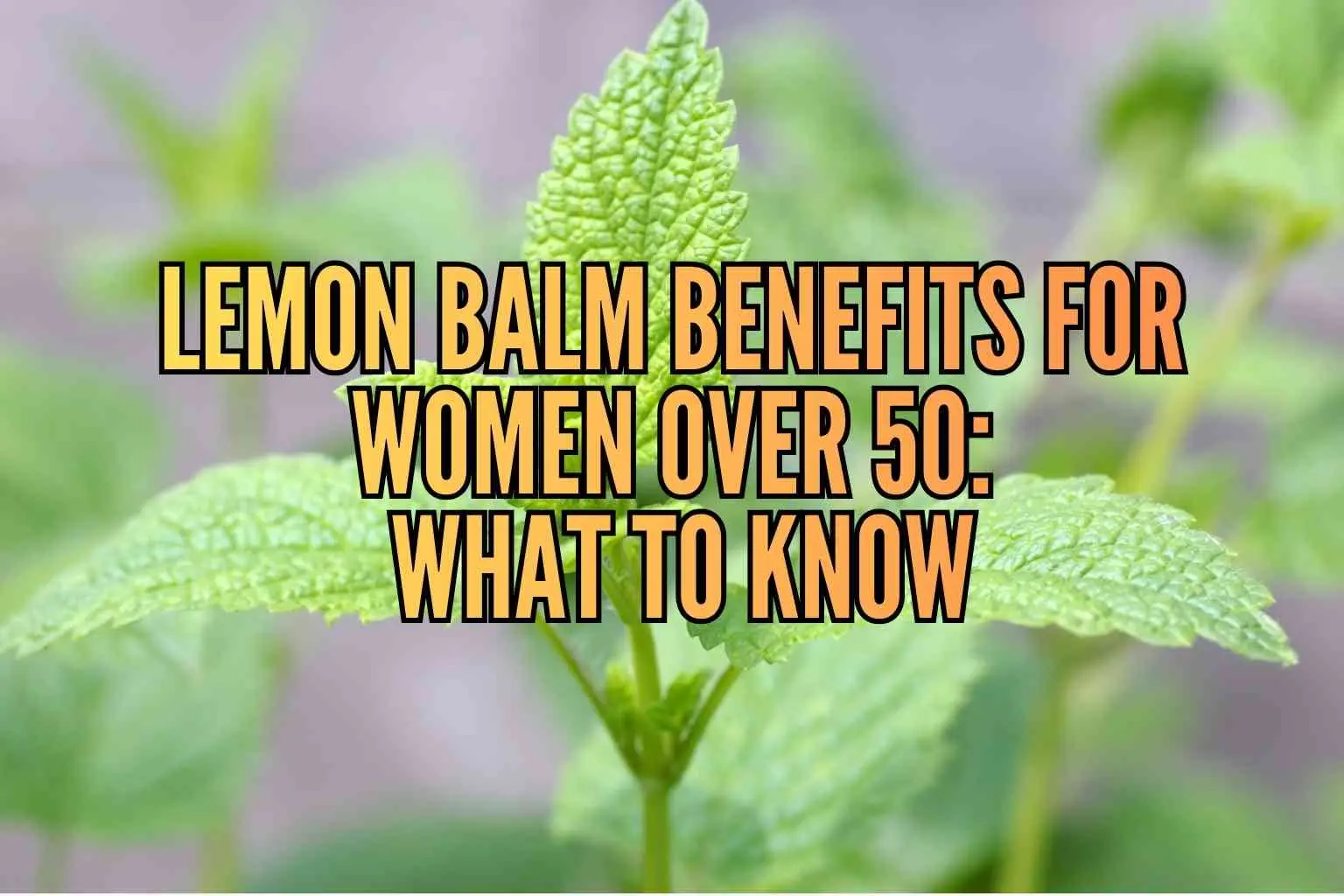
Lemon balm benefits for women over 50 include research interest in calming and sleep-related outcomes. Some standardized extracts have been tested in small human studies, but these findings do not establish that lemon balm corrects estrogen-related GABA changes or treats menopausal symptoms. Consider the actual preparation and personal health circumstances. [1] [2]
Lemon Balm Benefits for Women Over 50: What the Research Shows
No large-scale RCT has studied lemon balm specifically in menopausal women — an honest gap worth naming before discussing what the research does show.
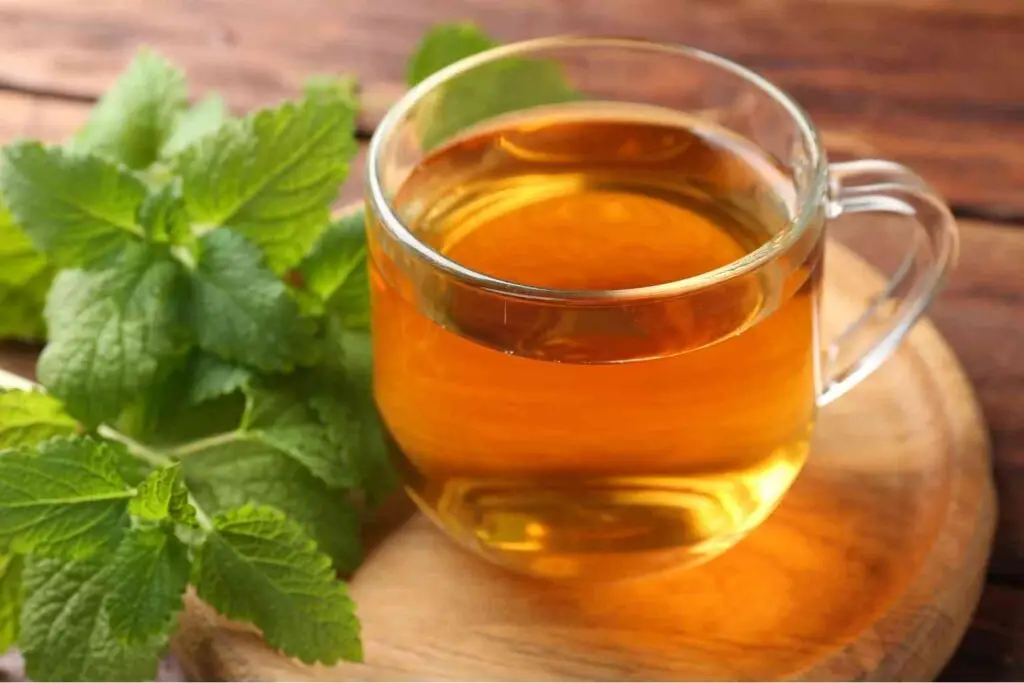
The closest clinical proxies come from female hormone-dependent populations. A double-blind, placebo-controlled trial administered 1,200mg of lemon balm daily to women over three consecutive menstrual cycles. Compared to placebo, the treatment group showed significant reductions in anxiety, depression, and insomnia scores associated with hormonal fluctuation. A separate study in adult women experiencing PMS used 1,000mg daily over two cycles and found meaningful improvements in quality-of-life scores across mood, sleep, and emotional stability domains.
These populations are not menopausal — but the underlying hormonal mechanism driving their symptoms shares the same HPA axis dysregulation and GABA-tone disruption that characterizes perimenopause. The doses used in these trials — 1,000–1,200mg daily — are notably higher than the anxiety protocols from earlier in the clinical literature, suggesting that hormonally driven symptoms may require a more sustained therapeutic dose.
For the full mechanistic picture behind these effects, the lemon balm benefits guide covers the estrogen-GABA connection and cortisol pathways in depth.
Factors That Shape How Well It Works at This Life Stage
Where you are in the hormonal transition. Early perimenopause — where estrogen fluctuates but hasn’t declined substantially — produces different symptom profiles than late perimenopause or post-menopause. The more pronounced the estrogen withdrawal, the larger the GABAergic deficit, and the more targeted lemon balm’s compensatory mechanism becomes.
Chronic stress load. Women entering their fifties with already elevated baseline cortisol start from a more dysregulated HPA axis. This amplifies both the sleep and anxiety symptoms — and makes the cortisol-attenuation effect of lemon balm more immediately relevant.
Whether gut or skin reactivity is part of the picture. Elevated cortisol doesn’t just affect mood and sleep — it increases intestinal permeability and drives the internal inflammation that shows up as skin dullness, breakouts, and accelerated aging. For women experiencing this pattern alongside the neurological symptoms, a formula addressing the cortisol-gut-skin axis simultaneously covers more ground than a standalone calming supplement.
What to Look For in a Supplement at This Life Stage
The perimenopausal profile calls for a different evaluation framework than single-symptom calming:
- Multi-system targeting over single-use calming — a formula that addresses cortisol modulation, gut integrity, and skin health simultaneously is more aligned with the interconnected way perimenopausal symptoms actually present than a standalone anxiolytic
- Lemon balm alongside complementary botanicals — ingredients that support the gut lining, reduce systemic inflammation, and address cellular skin turnover extend the cortisol benefit into the downstream systems it disrupts
- No stimulants or synthetic hormones — this life stage is sensitive to anything that adds to the adrenal load or interferes with already-shifting hormone dynamics
If that multi-system profile resonates, the full review of PrimeBiome covers a formula built specifically around the cortisol-gut-skin axis — with lemon balm included for its role in moderating the stress response that sits upstream of both gut and skin disruption. It’s designed for women navigating exactly this kind of interconnected symptom picture.

Bottom Line – Lemon balm benefits for women over 50
Lemon balm benefits for women over 50 remain promising but not established for menopausal hormone changes, insomnia or persistent anxiety. Trials of individual extracts cannot be transferred directly to every botanical combination. The ingredient concept may appeal to adults interested in relaxation, while clinical symptoms and medication interactions deserve professional guidance. [1] [2]
For a complete overview of the clinical evidence, mechanisms, and safety profile behind this herb, visit the full post on lemon balm benefits.
Looking for more answers about lemon balm? You might also find these useful:
— Lemon Balm for Sleep Without Valerian: Does It Work on Its Own?
— Lemon Balm Side Effects on the Thyroid: Who Actually Needs to Worry?
Scientific References
- Mathews et al. (2024). Clinical Efficacy and Tolerability of Lemon Balm in Psychological Well-Being. Nutrients. Read the source.
- Kennedy et al. (2004). Acute Lemon Balm Administration and Laboratory-Induced Stress. Psychosomatic Medicine. Read the source.
Disclaimer: This article is for informational and educational purposes only and does not constitute medical advice. Results vary by individual. The information presented here is based on publicly available research and is not intended to diagnose, treat, cure, or prevent any condition. Pregnant or breastfeeding individuals, people taking prescription medications, and those with diagnosed health conditions should consult a qualified healthcare provider before starting any new supplement. These statements have not been evaluated by the Food and Drug Administration.
Affiliate Disclosure: This article contains affiliate links. We may earn a commission if you make a purchase through these links, at no additional cost to you.