

Few ingredients show up across as many different supplement categories as ginger. You’ll find it in formulas designed for weight loss, joint support, gut health, blood sugar balance, and even skin clarity. That kind of cross-category presence usually means one of two things: either the ingredient is being lazily thrown into formulas as filler, or the science genuinely supports multiple mechanisms across different systems. With ginger, it turns out to be the latter.
In this post, we’re breaking down ginger benefits the way the evidence actually supports — not the version that overpromises everything and qualifies nothing. You’ll see what the research confirms, where the evidence is stronger, where it still has gaps, how different forms and extracts compare, and why ginger keeps appearing in well-formulated supplements targeting everything from your joints to your gut. If you’ve ever wondered why this ancient root earned a permanent place in modern science, this is where that question gets answered.
This is not a curated list of ginger benefits pulled from marketing copy — it’s a breakdown of what the clinical literature actually confirms, mechanism by mechanism.
Why Ginger Is in More Supplement Formulas Than You Might Expect
There’s a reason ginger has survived thousands of years of use in traditional medicine across Asia, the Middle East, and Africa, and still gets studied in peer-reviewed journals today. Ginger is what researchers call a pleiotropic botanical — meaning it influences multiple biological pathways simultaneously. Most ingredients target one mechanism. Ginger targets several at once, which is why supplement formulas use it in such different contexts and still get to claim logical scientific grounding for each one.
The other reason ginger keeps showing up is practical: it is exceptionally well-tolerated at commonly used doses, has a strong safety record, and stacks cleanly with other botanicals without competing for the same receptor targets. For formulators trying to build multi-benefit products, ginger is close to ideal. Understanding the ginger benefits that actually hold up in the research is what separates a well-informed buying decision from one based purely on marketing.
What Is Ginger? From Ancient Root to Modern Extract
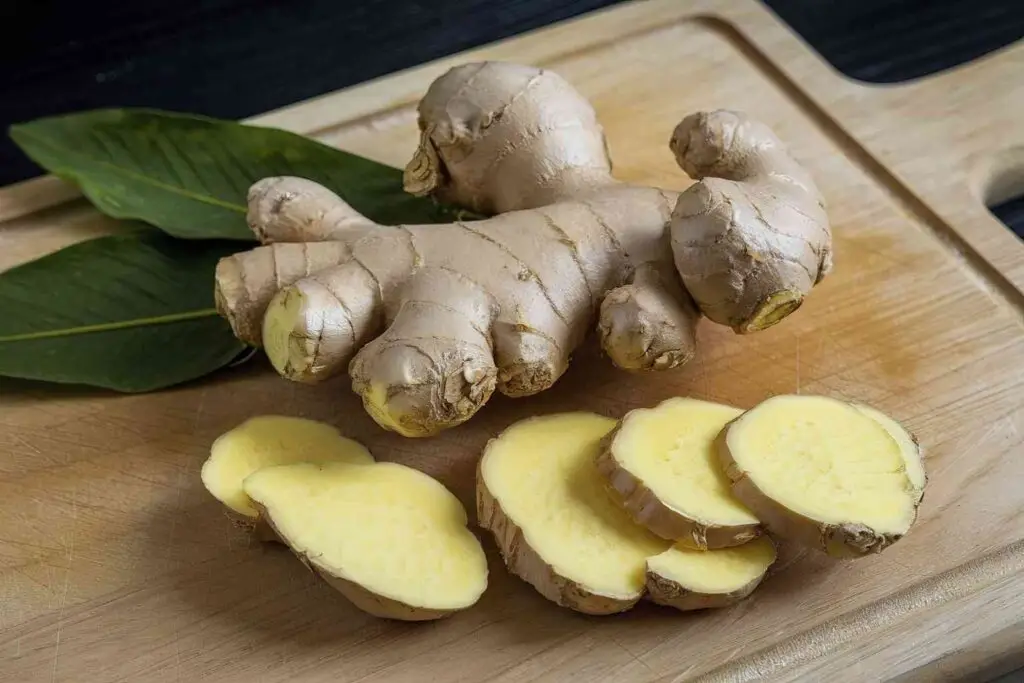
Ginger comes from the rhizome of Zingiber officinale, a flowering plant in the Zingiberaceae family. It’s been cultivated and used medicinally for more than 2,000 years, with the earliest written records appearing in Sanskrit texts and in the writings of Confucius. Traditional Chinese and Ayurvedic medicine both used ginger extensively — not just as a digestive aid, but for nausea, pain, respiratory complaints, and circulation.
Today, ginger is cultivated across tropical and subtropical regions globally, with major production in India, China, Nigeria, and Indonesia. It reaches consumers in multiple forms — fresh rhizome, dried root, ground powder, standardized extract, and essential oil — each with meaningfully different bioactivity profiles.
What Makes Ginger Bioactive: Gingerols, Shogaols, and Paradols
Most of the documented ginger benefits trace back to three families of bioactive compounds of bioactive compounds. Understanding them matters because not all ginger products deliver the same compounds in the same concentrations:
Gingerols — the dominant active compounds in fresh ginger. 6-gingerol is the most studied; it’s responsible for the sharp, pungent flavor and most of the anti-inflammatory and antioxidant effects attributed to raw ginger.
Shogaols — formed when fresh ginger is dried or cooked. Shogaols are more potent antioxidants than gingerols by some measures and show stronger effects in certain anti-inflammatory and neurological research contexts. This is why dried ginger extract is not necessarily inferior to fresh ginger — it’s just different.
Paradols — present in smaller amounts, but contribute to the overall antioxidant and bioactive profile. Less studied than gingerols and shogaols, but acknowledged in the broader phytochemical literature as relevant.
Fresh Ginger vs. Ginger Extract vs. Ginger Powder
The form of ginger matters more than most people realize, and this is where ginger benefits research gets nuanced:
Fresh ginger root — highest in gingerols. Best for culinary use and short-term digestive support. Bioavailability is meaningful but inconsistent, since it depends on cooking method, preparation, and individual digestive metabolism.
Ginger powder (dried, ground) — higher in shogaols due to the drying process. Easier to dose consistently. Widely used in food and supplement capsules. A practical middle ground between fresh and standardized extract.
Standardized ginger extract — typically standardized to 5% gingerols or a combined gingerol-shogaol profile. This is the form used in most clinical studies. Provides consistent, predictable dosing — which is why high-quality supplement formulas that cite research use extract rather than raw powder.
For anyone trying to evaluate whether a supplement formula is using ginger as filler or as a functional ingredient, understanding the documented ginger benefits is the right starting point
How Does Ginger Work? The Mechanisms Behind the Benefits
Ginger doesn’t work through one single pathway. It acts across several systems simultaneously, which is exactly what makes it so versatile as a supplement ingredient. Here are the core mechanisms supported by current research:
1. COX and LOX enzyme inhibition — Ginger compounds, particularly 6-gingerol and 6-shogaol, inhibit cyclooxygenase (COX) and lipoxygenase (LOX) enzymes — the same targets that ibuprofen and other NSAIDs act on, though through a somewhat different mechanism and without the same GI risks at normal doses. This is the primary driver behind ginger’s anti-inflammatory reputation.
2. NF-κB pathway suppression — NF-κB is a molecular switch that activates genes involved in inflammatory signaling. Research shows that ginger bioactives can suppress NF-κB activation, helping to blunt the cellular cascade that drives chronic, low-grade inflammation — a contributor to everything from joint stiffness to metabolic dysfunction.
3. Free radical neutralization — The gingerol and shogaol family are potent antioxidants that can directly neutralize reactive oxygen species (ROS). This matters beyond general health: oxidative stress is now understood to accelerate joint degradation, impair insulin signaling, and contribute to gut permeability — all areas where ginger benefits research has shown activity.
4. Serotonin receptor modulation — Ginger compounds interact with 5-HT3 receptors (the same receptors targeted by antiemetic medications), which is the most well-supported explanation for ginger’s anti-nausea effects. This mechanism operates independently from its anti-inflammatory action, which is why ginger can address nausea and inflammation through different pathways simultaneously.
5. Gut microbiome modulation — More recent research has begun exploring how ginger compounds influence the composition and activity of gut bacteria. Preliminary findings suggest that ginger may support the growth of beneficial bacterial strains and reduce certain pathogenic species — a mechanism with downstream implications for digestion, immune function, and even skin health.
Each of these pathways maps onto a different category of ginger benefits — which is why the ingredient shows up credibly in formulas targeting such different health goals.
Ginger Benefits: What Clinical Research Actually Shows
This is the section most posts get wrong — either overclaiming what the studies proved or dismissing everything because a single trial wasn’t definitive. Let’s go through each benefit area honestly.
1. Anti-Inflammatory and Antioxidant Action
The anti-inflammatory case for ginger is among the strongest in the botanical supplement world. A 2015 systematic review published in Osteoarthritis and Cartilage analyzed multiple trials and found that ginger supplementation was associated with significant reductions in pain and disability in people with knee osteoarthritis. A meta-analysis in Phytotherapy Research (2019) confirmed that ginger produced meaningful decreases in both C-reactive protein (CRP) and TNF-α — two of the most commonly tracked biomarkers of systemic inflammation — across a pooled analysis of randomized controlled trials.

The evidence here is solid enough to say: ginger has genuine anti-inflammatory effects supported by multiple clinical trials, not just lab studies. The honest caveat is that effects vary with dose and duration. Most positive trials used doses of 1,000–3,000 mg of ginger extract daily for 8–12 weeks. If you’re taking a product where ginger is the sixth ingredient in a proprietary blend, the dose may not be clinically meaningful.
2. Digestive Health and Nausea Relief
Ginger benefits for digestion and nausea are among the most consistently supported in the clinical literature — and also among the most broadly applicable. A 2014 review in Nutrition Journal concluded that ginger was effective for chemotherapy-induced nausea, pregnancy-related nausea (morning sickness), and motion sickness, noting that the evidence for morning sickness and motion sickness is particularly robust.

For general digestive support, ginger appears to accelerate gastric emptying — the rate at which food moves from the stomach into the small intestine. A randomized trial published in the European Journal of Gastroenterology and Hepatology found that 1,200 mg of ginger significantly accelerated gastric emptying compared to placebo. For people dealing with bloating, post-meal heaviness, or slow motility, this mechanism is genuinely relevant — not marketing language.
What ginger does not do, to be clear, is resolve GERD, treat IBS definitively, or replace medical management for serious GI conditions. The ginger benefits in this space are real, but they’re supportive and symptomatic — not curative.
3. Blood Sugar and Metabolic Support
The metabolic angle of ginger benefits is one of the more exciting areas in recent research, and it directly explains why ginger appears in blood sugar and weight management formulas. A meta-analysis published in Evidence-Based Complementary and Alternative Medicine (2019) found that ginger supplementation produced statistically significant reductions in fasting blood glucose and HbA1c (a 3-month blood sugar average) in people with type 2 diabetes compared to placebo.
Proposed mechanisms include improved insulin sensitivity, enhanced glucose uptake in muscle cells, and inhibition of certain carbohydrate-digesting enzymes. For ginger for weight loss specifically, the evidence is more preliminary — a few trials have found modest reductions in body weight and waist circumference, but this appears to be largely a downstream effect of improved insulin sensitivity and reduced systemic inflammation rather than a direct fat-burning effect. Honest framing: ginger can support a metabolic environment that’s more conducive to healthy weight management. It’s not a fat burner in the stimulant sense.
4. Joint Pain and Mobility
Ginger for joint pain has been studied more rigorously than most people realize. The 2015 review in Osteoarthritis and Cartilage mentioned earlier specifically focused on musculoskeletal outcomes. A separate clinical trial published in Arthritis and Rheumatism found that a highly concentrated ginger extract reduced symptoms of osteoarthritis of the knee compared to placebo over 6 weeks, with the most significant effects seen in more severe cases.
One important nuance: ginger doesn’t rebuild cartilage or reverse structural joint damage. Its benefit in this area is fundamentally anti-inflammatory — by reducing the inflammatory signaling that drives joint pain and stiffness, ginger can improve comfort and function, particularly in the context of chronic, low-grade joint inflammation rather than acute injury.
5. Gut Microbiome and Skin Health
This is a genuinely emerging area of ginger research, and one where the science is earlier-stage but directionally compelling. Multiple preclinical studies have shown that ginger compounds — particularly 6-gingerol — can selectively inhibit the growth of pathogenic bacteria like H. pylori and Clostridium species, while potentially supporting beneficial Lactobacillus populations. Human trials in this space are limited, but the mechanistic rationale is solid.
The gut-skin connection adds another layer: if ginger supports a healthier gut environment, it may have indirect benefits for skin inflammation and clarity. This is not a claim that ginger clears skin directly — but in the context of formulas targeting the gut-skin axis, it plays a logical supportive role, particularly when combined with prebiotic fibers and probiotic strains.
6. Muscle Recovery and Exercise Performance
This is one of the most underreported ginger benefits in wellness content — and that’s exactly why it’s worth covering in depth here. The exercise recovery research on ginger is surprisingly rigorous, and it goes well beyond “ginger reduces soreness.”
The landmark study in this space is a two-part randomized trial published in the Journal of Pain (2010) by Black and colleagues, which found that daily consumption of both raw and heat-treated ginger significantly attenuated exercise-induced muscle pain 24 hours post-workout — with an 25% reduction in muscle pain intensity compared to placebo. The study design specifically used eccentric exercise of the elbow flexors, the type of movement most associated with delayed onset muscle soreness (DOMS). This wasn’t a subjective pain survey alone — it included objective measures of arm function and range of motion.
More recently, a 2015 randomized trial published in the International Journal of Sport Nutrition and Exercise Metabolism looked at ginger supplementation in resistance-trained women and found that 4 weeks of daily ginger extract reduced muscle damage markers — specifically creatine kinase (CK) — following a standardized resistance training protocol. Lower CK levels post-exercise suggest reduced structural muscle damage, not just reduced pain perception.
What ginger does not appear to do is directly enhance performance in the acute sense — it won’t increase your 1RM or improve your VO2 max. Its value in the training context is fundamentally about recovery quality: getting back to full capacity faster between sessions, which for anyone training consistently 4–6 days a week has meaningful compounding effects on long-term progress. For athletes and active adults, ginger for muscle recovery deserves as much attention as the more commonly discussed anti-inflammatory supplements in this space.
7. Cardiovascular Support and Blood Pressure
One of the less-discussed ginger benefits in mainstream supplement content is its potential role in cardiovascular health — specifically, its association with blood pressure regulation. A 2019 meta-analysis published in Phytomedicine pooled data from multiple randomized trials and found that ginger supplementation was associated with a statistically significant reduction in both systolic and diastolic blood pressure, with more pronounced effects in participants under 50 and in trials using doses above 3 grams per day.

The proposed mechanisms overlap with what we’ve already covered: ginger’s COX-inhibiting action reduces prostaglandin synthesis involved in vascular tone, and its antioxidant activity may protect against oxidative stress in arterial walls — a contributor to endothelial dysfunction and elevated blood pressure over time. Some researchers also point to a mild calcium channel blocking effect observed in animal studies, though human evidence for this specific pathway remains preliminary.
The honest qualifier: ginger is not a replacement for antihypertensive medication, and the blood pressure reductions documented in trials are modest — typically in the range of 3–8 mmHg systolic. For someone with stage 2 hypertension, that’s not clinically sufficient on its own. But for adults in the high-normal or stage 1 range who are actively managing cardiovascular risk through lifestyle, ginger benefits in this space are genuinely worth including in the conversation.
Ginger vs. Turmeric for Inflammation: What Most Sites Get Wrong
The ginger vs. turmeric comparison is one of the most searched topics in the anti-inflammatory supplement space — and one of the most poorly handled in most wellness content. The typical article either declares one “the winner” based on a single study metric, or simply tells you to take both without explaining why. Here’s a more honest breakdown.
Where turmeric has the edge: Curcumin — turmeric’s primary active compound — has a larger total volume of clinical research, particularly for chronic inflammatory conditions like inflammatory bowel disease, rheumatoid arthritis, and metabolic syndrome. When well-absorbed (which requires piperine or phospholipid delivery systems), curcumin achieves plasma concentrations that are genuinely therapeutic. Studies on curcumin and NF-κB suppression are among the most replicated in botanical supplement science.
Where ginger has the edge: Ginger wins on natural bioavailability — it doesn’t require co-administration with a bioenhancer to be meaningfully absorbed. It has stronger, more consistent evidence for acute gastrointestinal symptoms (nausea, gastric motility, bloating) — an area where curcumin evidence is comparatively thin. Ginger also has documented serotonin receptor activity that curcumin doesn’t share, making it more relevant for nausea relief specifically. And the muscle recovery research? It exists for ginger; it barely exists for turmeric.
Where they genuinely overlap: Both inhibit COX and LOX enzymes. Both suppress NF-κB. Both reduce CRP in clinical trials. For musculoskeletal inflammation and general systemic inflammatory burden, their mechanisms are complementary rather than redundant — which is why combining them in a formula makes scientific sense rather than being duplicative.
The practical answer: If you had to choose one, ginger is more versatile across different symptom profiles and easier to dose predictably without absorption tricks. If inflammation is your primary concern and absorption is optimized, curcumin reaches higher therapeutic concentrations. If budget and formula complexity allow, using both is actually the best-evidenced approach — and many of the higher-quality joint and metabolic supplements reviewed here reflect that logic.
Who Can Benefit Most from Ginger Supplementation?
Ginger isn’t a niche ingredient for a narrow population. Based on the clinical literature, the following groups have the clearest evidence-based rationale:
- Adults with chronic low-grade inflammation — particularly those dealing with joint stiffness, elevated CRP, or the diffuse ache that tends to accumulate with age. The anti-inflammatory and antioxidant mechanisms are most relevant here.
- People managing blood sugar or metabolic health — ginger benefits for blood glucose appear most consistent in individuals who already have impaired fasting glucose or type 2 diabetes. For healthy populations, the effects are smaller, but metabolic support is directionally relevant for anyone concerned about insulin sensitivity.
- Those with digestive complaints — slow gastric motility, post-meal bloating, motion sickness, or nausea. This is arguably where ginger’s evidence is most consistent and the effects most rapid-onset.
- Active adults and frequent exercisers — particularly those who train intensely and struggle with delayed onset muscle soreness. The recovery evidence is underutilized in mainstream wellness content.
- Pregnant women dealing with morning sickness — ginger is one of the very few supplements that OBs and midwives commonly mention as reasonably evidenced and safe in the first trimester, though individual consultation is still important before supplementing during pregnancy.
Practical Ways to Add Ginger to Your Daily Routine
Understanding ginger benefits is one thing — knowing how to actually work the ingredient into your day is where most people get stuck. The good news is that ginger is one of the most versatile botanical ingredients available, and the method you choose doesn’t have to be complicated to be effective. Here are the most evidence-consistent ways people incorporate ginger daily, from the simplest to the most targeted.
Ginger Tea
Ginger tea is the most widely used and accessible form of daily ginger consumption worldwide — and the one with the longest traditional history behind it. To make it, steep 4–6 thin slices of fresh ginger root in 8–10 oz of hot water for 8–10 minutes. The longer the steep, the higher the concentration of gingerols in the final drink.

Adding fresh lemon juice introduces vitamin C and supports the bioavailability of ginger’s active compounds. Adding raw honey provides mild antimicrobial properties and tempers the sharpness of the flavor. The resulting ginger lemon honey tea is not just palatable — it’s the format used in several traditional medicine systems for upper respiratory and digestive complaints, and the combination holds up reasonably well in modern phytochemical analysis.
Ginger tea benefits are most consistent with the digestive and nausea-relief mechanisms discussed earlier in this post: the warm liquid supports gastric motility, the gingerols interact with gut receptors, and the ritual of drinking it slowly before or after a meal aligns naturally with how gastric emptying support works. One important note: brewing fresh ginger tea delivers primarily gingerols — not the higher-shogaol concentration you get from dried or heat-processed extracts. For general wellness and digestive support, this is sufficient. For targeted anti-inflammatory or metabolic goals, the bioactive concentration in tea is lower and less consistent than standardized supplement extract.
Ginger and Turmeric Tea
One of the most searched combinations in the anti-inflammatory supplement space is ginger and turmeric together — and for good reason. Brewing both simultaneously produces a drink that covers more anti-inflammatory mechanisms than either root alone. Add 3–4 slices of fresh ginger and ½ teaspoon of ground turmeric to hot water, steep for 10 minutes, and add a small pinch of black pepper. The black pepper is not optional if you’re using this combination for its anti-inflammatory properties — piperine in black pepper increases curcumin absorption by up to 20x, according to research published in Planta Medica.
The ginger turmeric tea format is genuinely useful as a daily habit for adults managing joint discomfort or chronic low-grade inflammation. The concentration is lower than a clinical supplement dose, but cumulative daily use over weeks adds meaningful exposure to both gingerols and curcuminoids — particularly when combined with dietary sources of both.
Ginger Shots
Ginger shots have become one of the most popular wellness formats in recent years, and the reasoning behind them is sound. A typical 1–2 oz ginger shot — made by pressing or blending fresh ginger root and straining the juice — delivers a concentrated dose of gingerols in a small volume. Depending on the concentration, a well-made ginger shot can contain the bioactive equivalent of 1,000–2,000 mg of fresh ginger root, which puts it at the lower end of doses used in clinical anti-inflammatory trials.
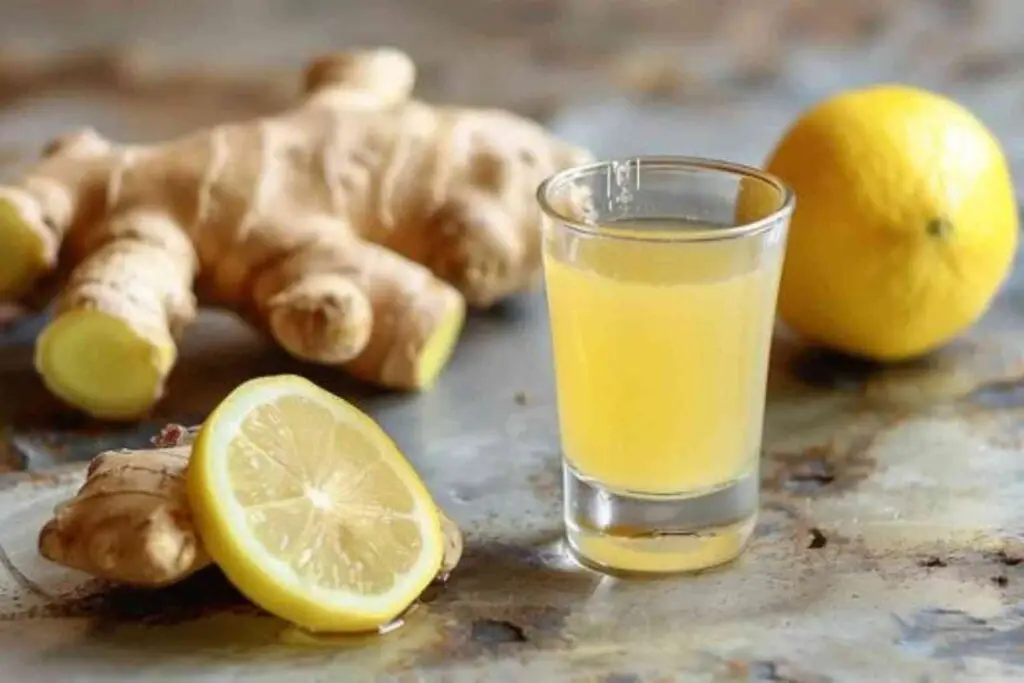
Common additions include fresh lemon juice, a pinch of cayenne pepper (which adds mild thermogenic synergy), and occasionally a small amount of apple juice to balance the intensity. The ginger shots recipe format that’s most popular — ginger, lemon, cayenne — has practical biochemical logic behind each ingredient, not just flavor convention.
The main limitation of ginger shots as a supplement strategy is consistency of dosing. The bioactive concentration in a home-pressed shot varies considerably depending on ginger freshness, pressing method, and root variety. For general wellness and immune support, this variability is acceptable. For people targeting specific outcomes like blood sugar regulation or joint inflammation reduction, standardized extract provides more predictable and replicable dosing.
Ginger Water
Ginger water is among the gentlest and most sustainable daily formats — particularly for people who find tea too sharp or who want a cold alternative. Add 4–6 slices of fresh ginger to a 32 oz jar of cold filtered water and refrigerate overnight. The slow cold-steep extracts a mild concentration of gingerols without heat, resulting in a subtly flavored water that provides light digestive and anti-inflammatory support throughout the day.
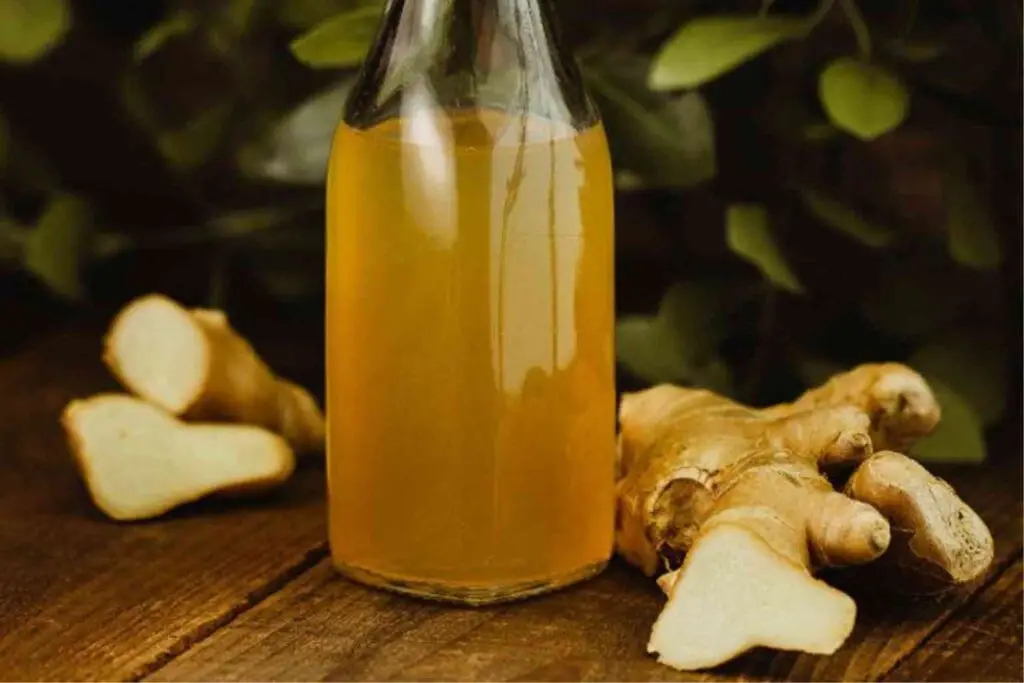
Ginger water benefits are more modest than tea, shots, or extract — the cold-steep concentration is lower, and without heat, some of the compound conversion that produces shogaols doesn’t occur. But for people building a daily ginger habit from scratch, ginger water is a low-barrier entry point that creates consistency without requiring preparation time each morning. Consistency over concentration is a legitimate strategy for long-term anti-inflammatory support.
Standardized Ginger Extract in Supplement Form
For anyone using ginger with a specific health goal in mind — reducing joint discomfort, supporting blood sugar regulation, improving post-workout recovery, or targeting systemic inflammation — standardized ginger extract in supplement form is the most clinically reliable format. This is the form used in randomized trials, and it’s the form included in the supplements reviewed on this site that list ginger as a functional ingredient.
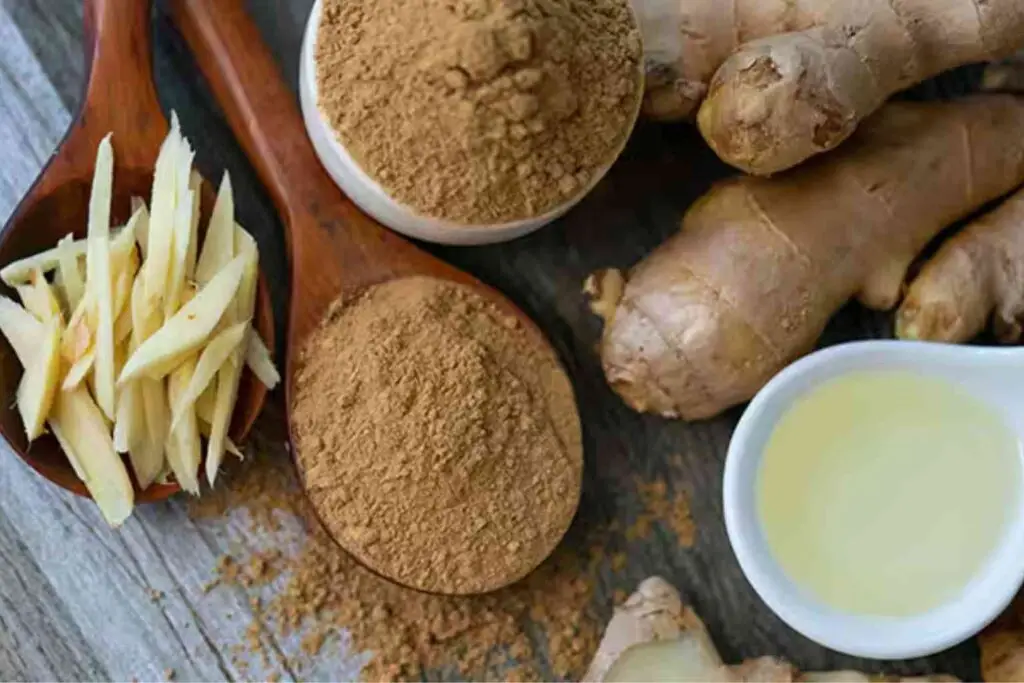
The key phrase to look for on a label is “standardized to 5% gingerols” — this tells you the manufacturer has controlled the bioactive concentration rather than simply grinding root into a capsule. The dose matters too: meaningful anti-inflammatory effects in clinical trials were generally observed at 1,000–2,000 mg of standardized extract daily, which is difficult to replicate consistently through food or beverage alone.
Daily ginger tea and ginger water are excellent habits. But if your goal goes beyond general wellness into measurable clinical outcomes, the supplement format is where the evidence is strongest — and where ginger benefits are most predictably delivered.
Ginger in Modern Supplement Formulas: 3 Products, 3 Different Contexts
One of the clearest ways to see how ginger benefits translate into real-world supplementation is to look at how different product formulas actually use the ingredient — and why those uses are scientifically coherent, not arbitrary.
CitrusBurn — Ginger for Metabolic Support and Thermogenesis
In CitrusBurn’s metabolic formula, Himalayan mountain ginger is positioned alongside ingredients like berberine and green tea as part of a multi-angle approach to appetite regulation and metabolic rate. Here, ginger benefits are being leveraged on two fronts: the blood sugar stabilization research (reducing post-meal glucose spikes that can drive cravings) and the gastric motility research (supporting more efficient digestion and reducing the bloated, slowed feeling that can undermine dietary consistency). If you want to dig into how CitrusBurn uses ginger within a broader metabolic stack, you can read the full review here.

Joint Genesis — Ginger Root as Part of a Targeted Anti-Inflammatory Stack
Joint Genesis takes a different approach, using ginger root explicitly as part of a joint-support system alongside Mobilee® (a patented hyaluronic acid matrix), French maritime pine bark, and Boswellia serrata. In this context, ginger is the COX-inhibiting anti-inflammatory layer in a formula that’s primarily focused on lubrication, cartilage nutrition, and inflammatory balance. The combination is logical because each ingredient addresses joint health from a different angle — ginger handles the inflammatory signaling, while Mobilee® handles the synovial environment. The full Joint Genesis review explains how the full formula is built around this multi-layer strategy.

PrimeBiome — Organic Ceylon Ginger for the Gut-Skin Axis
Perhaps the most distinctive use of ginger benefits in any of the reviewed formulas is in PrimeBiome, a gut-skin supplement that specifically includes Organic Ceylon Ginger alongside probiotics, prebiotics, and skin-supportive botanicals. Here, ginger is being used for its emerging gut microbiome effects — supporting the bacterial environment that the probiotic strains are meant to colonize and the prebiotic inulin is meant to feed. It’s a secondary supporting role rather than a primary mechanism, but one that’s scientifically coherent given what the emerging research on ginger and gut microbiota shows. Read the full PrimeBiome analysis here to understand the broader gut-skin axis framework.

How Long Does Ginger Take to Work? Setting Realistic Expectations
This is one of the most-searched questions around ginger supplementation, and the answer genuinely depends on which ginger benefits you’re targeting.
For nausea relief, ginger can work within 30–60 minutes. The serotonin receptor mechanism is relatively rapid-onset, which is why ginger has historically been used as an acute remedy rather than just a long-term supplement.
For inflammatory markers and joint pain, the clinical trials showing significant results typically ran for 6–12 weeks of consistent daily supplementation. This aligns with how anti-inflammatory botanicals generally work — effects accumulate over time through gradual modulation of inflammatory pathways, not through a single large dose.
For blood sugar and metabolic effects, meaningful changes in fasting glucose or HbA1c typically require 8–12 weeks, since HbA1c itself reflects a 3-month average and cannot respond faster.
The practical implication: if you’re taking a formula that includes ginger for joint or metabolic support, evaluate it over a 2–3 month window, not a 2-week trial. Short evaluations systematically underestimate the effects of anti-inflammatory botanicals.
Dosage, Timing, and Safety
Dosage
The dosage range used across clinical trials varies considerably, but patterns emerge:
- For digestive support and nausea: 500–1,500 mg of ginger extract daily, often taken in 2–3 divided doses.
- For anti-inflammatory and joint effects: 1,000–3,000 mg of standardized ginger extract daily, with most positive trials clustered around 1,500–2,000 mg.
- For blood sugar support: 1,500–3,000 mg daily, typically taken with meals.
- Fresh ginger equivalent: roughly 2–4 grams of fresh ginger root per day for general wellness, though standardized extracts provide more predictable dosing.
The wide range reflects that dosing is highly form-dependent. A product using raw ginger powder at 200 mg is not delivering the same bioactivity as a standardized extract at 500 mg. When evaluating a supplement, look for whether the label specifies a standardized extract (typically 5% gingerols) rather than raw powder.
Safety and Precautions
Ginger has an excellent safety record at commonly used doses, but there are meaningful precautions worth knowing:
- Blood thinners (warfarin, aspirin, clopidogrel): Ginger has mild antiplatelet effects and may potentiate blood-thinning medications. If you’re on anticoagulant therapy, discuss ginger supplementation with your physician before starting.
- Blood sugar medications: Because ginger benefits include blood glucose reduction, combining high-dose ginger with diabetes medications could increase hypoglycemia risk. Monitoring is warranted.
- Gallstone history: Some sources suggest that ginger increases bile production, which could theoretically exacerbate symptoms in individuals with existing gallstones. Evidence is limited, but the precaution is worth noting.
- Pregnancy: While ginger is commonly used for morning sickness and considered reasonably safe in culinary amounts and low-to-moderate supplement doses, high-dose standardized extracts during pregnancy should be discussed with a healthcare provider.
- GI sensitivity: In some individuals, particularly at higher doses, ginger can cause mild heartburn, gas, or stomach discomfort. Starting at a lower dose and titrating upward reduces this risk.
At doses under 4 grams daily, serious adverse effects are rare. Ginger does not carry the liver concerns associated with some other botanicals, and it has been consumed as a food and medicine for millennia without the adverse signal profile of many pharmaceutical compounds.
Frequently Asked Questions About Ginger Benefits
Does ginger actually reduce inflammation, or is that just marketing?
Ginger genuinely reduces markers of inflammation — specifically CRP and TNF-α — based on multiple randomized controlled trials and confirmed in meta-analyses. The mechanism (COX and LOX inhibition, NF-κB suppression) is well-characterized. This is not marketing language; it is replicated science. The qualifier is that effects depend on dose, form, and duration — and that “anti-inflammatory” doesn’t mean identically effective to NSAIDs for acute pain.
Is ginger good for joint pain?
Yes, within a meaningful evidence-based framework. Ginger benefits for joint pain are most consistently documented for osteoarthritis-related discomfort — specifically knee OA — in clinical trials lasting 6–12 weeks. It’s not a cartilage rebuilder, but it reduces the inflammatory signaling that drives pain and stiffness, which is practically significant for daily mobility and quality of life.
Can ginger help with weight loss?
Ginger supports a metabolic environment that makes weight management easier — through improved insulin sensitivity, better blood sugar regulation, and reduced systemic inflammation — but it doesn’t directly burn fat. If you’re looking at ginger for weight loss, the realistic framing is: supportive ingredient in a multi-component strategy, not a standalone fat burner.
What is the best form of ginger to take as a supplement?
Standardized ginger extract, typically standardized to 5% gingerols, provides the most consistent and clinically validated dosing. Raw ginger powder is less predictable but still meaningful. Fresh ginger is best for culinary use and acute nausea; for targeted supplementation goals, extract is preferable.
How much ginger should I take daily for inflammation?
Most clinical trials showing meaningful anti-inflammatory results used 1,000–2,000 mg of standardized ginger extract per day, divided across two doses. For general wellness, lower doses in the 500–1,000 mg range are common. If you’re considering doses above 3,000 mg daily, consult a healthcare provider first.
Does ginger lower blood sugar?
Multiple randomized trials and a meta-analysis have found that ginger supplementation significantly reduces fasting blood glucose and HbA1c in people with type 2 diabetes. Effects in healthy individuals are smaller and less consistent. If you’re on blood sugar medications, this is something to discuss with your doctor before adding high-dose ginger.
Is it better to take ginger in the morning or at night?
For digestive support and blood sugar management, taking ginger with or just before meals is most logical, given that both mechanisms involve how the body processes food. For anti-inflammatory benefits, consistent daily timing matters more than the specific hour. Morning and evening divided dosing is common in the trials with the best outcomes.
Can ginger and turmeric be taken together?
Yes — in fact, they’re commonly combined precisely because they complement each other. They share some mechanisms (COX/LOX inhibition) but differ enough in their bioactive profiles that the combination provides broader anti-inflammatory coverage. Ginger is better absorbed naturally; turmeric benefits significantly from co-administration with black pepper extract (piperine). Many formulas designed for joint or inflammatory support include both.
Are there any ginger side effects I should know about?
At doses under 4 grams daily, ginger side effects are generally mild — occasional heartburn, gas, or digestive discomfort in sensitive individuals. The more clinically significant interactions are with blood thinners and diabetes medications (see Dosage and Safety section above). Ginger is one of the safer botanical supplements, but like any bioactive compound, it deserves respect for its interactions at pharmacological doses.
How long does it take for ginger to reduce inflammation?
For acute nausea, ginger can act within an hour. For chronic inflammatory markers and joint pain, expect 6–12 weeks of consistent daily supplementation before evaluating outcomes. The anti-inflammatory mechanisms are gradual-onset and require sustained exposure to produce meaningful changes in inflammatory signaling pathways.

The Bottom Line on Ginger Benefits
Ginger is one of the most evidence-supported botanical ingredients in the supplement market — not because the marketing says so, but because the clinical literature on specific mechanisms has accumulated across decades and multiple research groups. The anti-inflammatory, digestive, and metabolic benefits are supported by randomized trials and meta-analyses, not just lab studies or traditional use. The emerging research on gut microbiome effects and muscle recovery is promising enough to watch closely.
The honest limitations: effects depend heavily on form and dose. A formula listing “ginger root” without specifying extract standardization or quantity is harder to evaluate. And ginger is not a single-answer solution for any of the conditions where it’s studied — it works best as part of a thoughtful multi-ingredient or multi-habit approach.
The products reviewed on this site that include ginger do so in ways that reflect the science: CitrusBurn uses it as a metabolic and digestive support layer, Joint Genesis applies it as part of a targeted anti-inflammatory stack for joints, and PrimeBiome leverages its emerging gut microbiome activity within a gut-skin formula. In each case, ginger isn’t a filler — it’s earning its place in the formula.
If you’re adding ginger to your daily routine, give it 8–12 weeks at a meaningful dose before drawing conclusions. That’s the timeline the research supports, and it’s the window where ginger benefits become most measurable.
Disclaimer: This post is for informational purposes only and does not constitute medical advice. Ginger supplements can interact with certain medications, including blood thinners and diabetes medications. Always consult a qualified healthcare provider before beginning any new supplement regimen, particularly if you have a diagnosed health condition or are currently taking prescription medications.