

Cranberry for bloating is not a direct clinical application in the way that probiotics or digestive enzymes are — but it is not irrelevant either. The most accurate framing is this: cranberry acts at the gut microbiome level, producing changes in bacterial composition that are associated with better digestive comfort downstream, rather than blocking bloating directly. A 2024 human clinical trial documented a strong bifidogenic effect from four days of cranberry extract supplementation — a meaningful shift in gut bacteria that could plausibly influence digestive symptoms over time. Whether that translates to noticeable bloating relief in any given person depends on variables the current research has not yet fully resolved.
If bloating is a primary and urgent symptom, a targeted probiotic is likely a more direct tool. Cranberry’s gut contribution is real — it just operates upstream of the symptom rather than at it.
Cranberry for Bloating: What the Gut Research Shows
The foundational human study on cranberry and gut microbiome was published in NPJ Biofilms and Microbiomes in March 2024 by Lessard-Lord and colleagues at Laval University. In a trial of 39 healthy participants taking cranberry extract twice daily for four days — delivering 109.3mg of polyphenols and 125mg of oligosaccharides per day — the researchers documented a statistically significant increase in Bifidobacterium populations alongside a decrease in Bacteroides. Butyrate-producing bacteria, including Clostridium and Anaerobutyricum, also increased, with measurable shifts in fecal short-chain fatty acid profiles. [LINK: https://pubmed.ncbi.nlm.nih.gov/38448452/ | Lessard-Lord et al., NPJ Biofilms and Microbiomes, 2024]
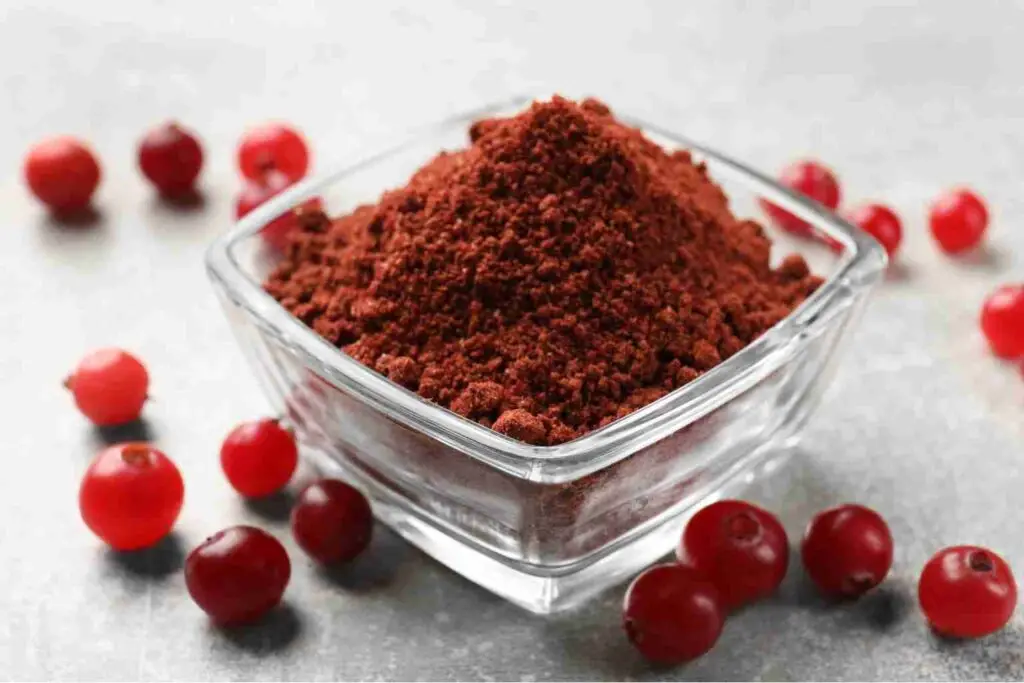
Bifidobacterium is the same genus targeted by most clinically supported prebiotics and associated with reduced intestinal permeability and gas production in the probiotic literature. Butyrate is the primary energy source for colonocytes — the cells lining the colon — and its production is consistently associated with reduced gut inflammation and improved barrier function. A 2026 follow-up study in Scientific Reports added that cranberry extract-supplemented microbiota effluents enhanced intestinal barrier integrity through increased mucin production and antimicrobial gene expression in intestinal organoids.
These are microbiome-level findings, not direct symptom-reduction data. The pathway from Bifidobacterium increase to reduced bloating is mechanistically sound but not yet confirmed in a cranberry-specific bloating trial.
For the complete breakdown of how cranberry works across all its documented applications, read our full cranberry benefits guide.
Factors That Affect Gut Outcomes From Cranberry
Baseline gut microbiota composition. The 2024 study found that cranberry for bloating-adjacent outcomes varied by enterotype — participants with different baseline bacterial profiles showed different magnitudes of bifidogenic response. Individual microbiome starting points influence how much benefit is observed.
Polyphenol and oligosaccharide content of the product. The 2024 trial used an extract delivering both components together. Products standardized only to PAC content without oligosaccharide content may produce a different microbiome response. Label transparency on both matters.
Duration of use. Four days produced measurable microbiome changes in the 2024 trial. Sustained shifts in digestive comfort typically require weeks of consistent supplementation — a timeline consistent with probiotic and prebiotic research more broadly.
Dietary context. Cranberry oligosaccharides function partly as prebiotics — feeding beneficial bacteria. A diet low in fiber and fermented foods may limit the bacterial substrate needed for cranberry’s bifidogenic effect to compound over time.
What To Look For in a Supplement
For cranberry for bloating purposes specifically, one label detail becomes more relevant than for UTI or oral health applications.
Oligosaccharide content alongside PACs. The 2024 gut microbiome study specifically attributed the bifidogenic effect to the combination of polyphenols and oligosaccharides — not PACs alone. A product listing only PAC content may be optimized for urinary health but not for gut microbiome modulation. Look for products that characterize their full polyphenolic and oligosaccharide profile.
Standardized polyphenol content. 109.3mg of polyphenols per day was the dose used in the 2024 positive trial. Products listing only extract weight without polyphenol content cannot be reliably assessed against this reference.
If digestive symptoms are your primary health concern, the full picture on how cranberry fits into a gut-focused routine is worth reviewing before choosing a format or dosage. Cranberry is one useful input among several — understanding where it works best, and where other interventions are more direct, is the starting point for using it effectively.
Bottom Line
Cranberry for bloating is a reasonable supporting strategy, not a primary intervention. The 2024 clinical data on Bifidobacterium and butyrate production represents the most credible mechanistic pathway from cranberry supplementation to improved digestive comfort — but that pathway involves microbiome shifts over days to weeks, not immediate symptom relief. The strongest case for cranberry in a gut health routine is its prebiotic-like oligosaccharide activity combined with polyphenol-mediated microbiome modulation. Choosing a product that discloses both components — not just PAC content — is the most important practical decision for this specific application.
For the complete picture on cranberry across UTI prevention, oral health, cardiovascular function, and more, read our full guide: Cranberry Benefits: Why the UTI Research Is Only the Beginning.

Looking for more answers about cranberry? You might also find these useful:
— Cranberry PAC Content: How Much Does a Supplement Need to Work? — The polyphenol content of a cranberry supplement is the key variable behind its gut microbiome effects — here’s what to look for on the label.
— Best Time to Take Cranberry Supplement: Does It Matter? — The 2024 gut study used split morning-evening dosing — this post explains what that means for your daily routine.
Disclaimer: This article is for informational and educational purposes only and does not constitute medical advice. Results vary by individual. The information presented here is based on publicly available research and is not intended to diagnose, treat, cure, or prevent any condition. Pregnant or breastfeeding individuals, people taking prescription medications, and those with diagnosed health conditions should consult a qualified healthcare provider before starting any new supplement. These statements have not been evaluated by the Food and Drug Administration.