

The best time to take cranberry supplement is whichever time you can take it without missing a day. Clinical trials that demonstrated significant UTI prevention benefits — including the 2025 Pacran multicenter randomized trial — used once-daily dosing with no meal timing requirement attached. The active compounds, particularly A-type proanthocyanidins (PACs), work by maintaining steady concentrations rather than producing an acute effect at a specific moment. Timing flexibility is one of cranberry’s practical strengths as a daily supplement.
Two factors can make one timing choice genuinely better than another for specific people or specific supplement formats — and one of them is more important than most content on this topic acknowledges.
Best Time to Take Cranberry Supplement: What the Research Shows
Clinical trial protocols for cranberry have not converged on a single dosing time, which is itself informative. The 2025 Pacran trial administered 500mg of whole cranberry powder once daily without a specified meal window and produced statistically significant UTI prevention outcomes. A 2024 gut microbiome study published in NPJ Biofilms and Microbiomes used split dosing — one capsule in the morning, one in the evening — and documented significant increases in Bifidobacterium populations and butyrate production over four weeks. Both protocols worked. Neither established a strict clock-time requirement.
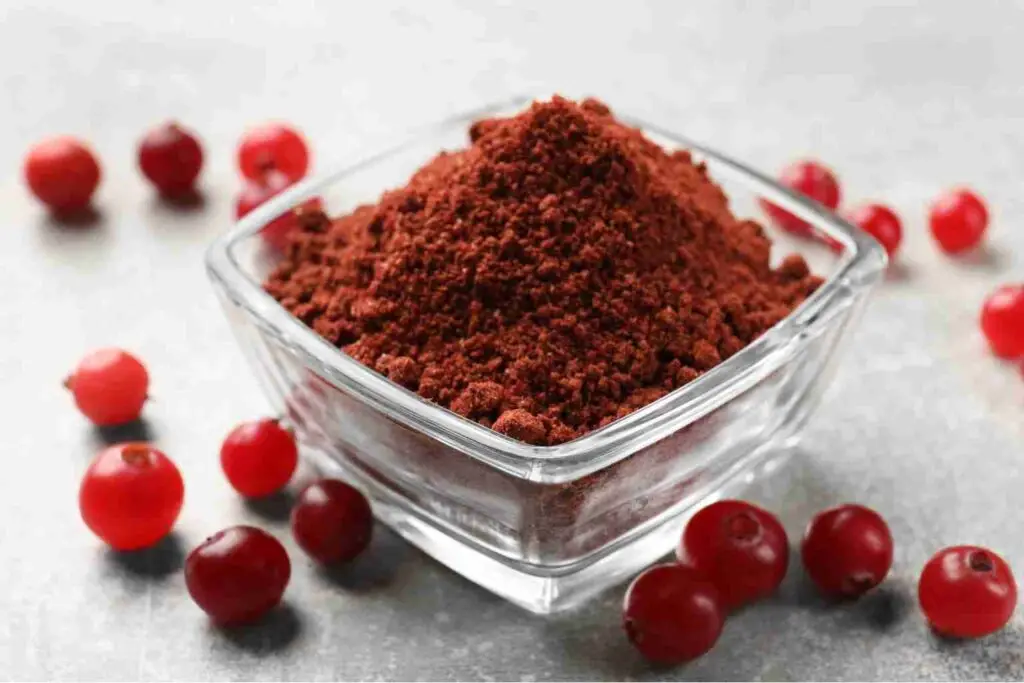
What does appear consistently in the literature is that PAC absorption is relatively stable across meal conditions, with the primary practical variable being GI tolerance rather than efficacy. For a full breakdown of how cranberry’s mechanisms work across different health applications, read our complete cranberry benefits guide.
Factors That Affect the Best Timing for Your Situation
Questions about the best time to take cranberry supplement usually resolve to one of four practical variables.
Your primary health goal. For UTI prevention and other systemic benefits — cardiovascular support, gut microbiome, antioxidant activity — any consistent once-daily timing works. For oral health benefits, the format of the supplement changes the timing logic entirely (see below).
GI sensitivity. Concentrated cranberry extracts taken on an empty stomach can cause mild nausea in some people. Taking the supplement with a meal eliminates this without reducing efficacy. Evening with dinner is as effective as morning for all systemic benefits.
Once daily vs. split dosing. The gut microbiome study used twice-daily dosing to maintain more continuous polyphenol exposure. If systemic anti-inflammatory or microbiome benefits are the goal, splitting a daily dose between morning and evening mirrors the protocol that generated positive outcomes.
Habit anchoring. Consistency matters more than clock time. The most effective timing is whatever makes daily use automatic — attached to coffee, a meal, or an existing morning or bedtime routine.
What To Look For in a Supplement
Timing optimization only works when the product is worth taking. Two quality markers apply regardless of schedule.
PAC content disclosed per serving. Thirty-six milligrams of A-type PACs is the clinical reference threshold for UTI prevention. Any product without an explicit PAC figure on the label cannot be meaningfully assessed for efficacy.
Format matched to your primary use case. Swallowed capsules deliver cranberry systemically. Dissolving oral formats deliver PACs directly to gum and enamel tissue — and for those, timing becomes more specific.
For oral delivery formats specifically, morning use before eating or brushing extends the PAC contact window on gum and dental surfaces — which is where the anti-adhesion effect is needed. Provadent uses a slow-dissolve format combining cranberry extract with four oral probiotic strains, designed for morning use. Read the full review of Provadent for a complete breakdown of how the formula is structured.

Bottom Line
The best time to take cranberry supplement is consistent once-daily dosing at whatever time fits your existing routine. Clinical evidence does not support morning over evening for systemic benefits — what matters is uninterrupted daily use over weeks and months. Taking it with food reduces GI discomfort risk without affecting efficacy. The one meaningful exception is oral delivery formats designed to dissolve in the mouth, where morning use before eating maximizes direct tissue contact.
For everything the research shows about cranberry — mechanisms, dosage, safety, and full benefit profile — read our complete guide: Cranberry Benefits: Why the UTI Research Is Only the Beginning.
Looking for more answers about cranberry? You might also find these useful:
— Cranberry for Gum Health: What the Research Shows — If you’re using an oral cranberry format, this post covers what the anti-adhesion mechanism means specifically for dental and gum tissue.
— Cranberry for Bloating: What the Gut Research Shows — For those taking cranberry for gut microbiome support, this covers the 2024 bifidogenic evidence and what realistic expectations look like.
Disclaimer: This article is for informational and educational purposes only and does not constitute medical advice. Results vary by individual. The information presented here is based on publicly available research and is not intended to diagnose, treat, cure, or prevent any condition. Pregnant or breastfeeding individuals, people taking prescription medications, and those with diagnosed health conditions should consult a qualified healthcare provider before starting any new supplement. These statements have not been evaluated by the Food and Drug Administration.