

Yes — and the case for doing so is stronger than either compound used alone. Cranberry and D-mannose together UTI prevention works because both target uropathogenic E. coli through entirely different mechanisms. Cranberry A-type proanthocyanidins (PACs) block type P fimbriae — the structures bacteria use to adhere to bladder walls. D-mannose, a naturally occurring simple sugar, competes with type 1 fimbriae for mannose-binding receptors on those same bacteria. Two distinct pathways. One shared target. No competition between the two compounds.
One qualifier that matters clinically: neither compound treats an active UTI. Both are preventive strategies that require daily use to maintain protective concentrations in the urinary tract. If symptoms are already present, appropriate medical evaluation comes first.
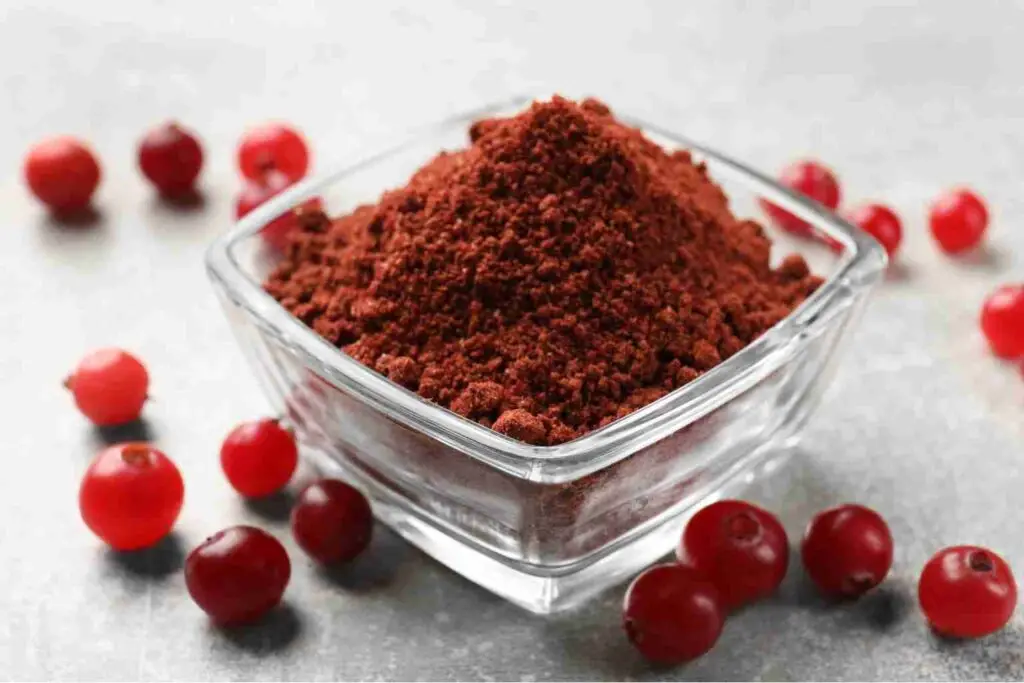
Cranberry and D-Mannose Together UTI: What the Research Shows
The evidence for each ingredient individually is substantial. A 2025 multicenter randomized trial confirmed that 500mg of whole cranberry powder daily significantly reduced culture-confirmed UTI incidence over six months in women with a history of recurrence. D-mannose has its own controlled data: a 2014 randomized trial in World Journal of Urology (Kranjčec et al.) found that 2g of D-mannose daily reduced recurrent UTI risk as effectively as nitrofurantoin — a standard antibiotic prophylaxis — over a six-month period in 308 women.
Direct research on the combination is still limited, but the mechanistic rationale for pairing them is well-established in the cranberry research literature. Because the two compounds address different fimbriae types — type P and type 1 respectively — their effects are additive, not redundant. No safety concern has emerged from combined use at standard doses.
Factors That Affect Results When Combining Both
Getting results from cranberry and D-mannose together UTI protocols depends on variables that have nothing to do with the combination itself — and everything to do with product quality.
PAC content in the cranberry supplement. The UTI prevention data is built on a threshold of 36mg of A-type PACs per day. Juice and undisclosed extracts rarely reach this level. Look for explicit PAC quantification on the label — not just total extract weight.
D-mannose dose per serving. The 2014 clinical trial used 2g daily. Many combination products include 200–500mg per serving — a fraction of the studied dose. Confirm the actual milligram content before assuming the product is clinically relevant.
Consistency of daily use. Protective concentrations in the urinary tract depend on uninterrupted daily dosing. Sporadic use eliminates the preventive effect.
Dominant bacterial strain. Most recurrent UTIs involve type P fimbriated E. coli, making cranberry PACs the primary active compound. When type 1 fimbriae are more prominent, D-mannose carries more of the preventive load.
What To Look For in a Supplement
For anyone pairing these two compounds, two label details are non-negotiable.
Explicit PAC disclosure. Standardized cranberry extract with milligram PAC content listed per serving is the minimum acceptable transparency. “Cranberry extract 500mg” without a PAC specification is meaningless for UTI prevention purposes.
Actual D-mannose milligrams. Some products deliver 2g per serving — matching the trial dose. Others include token amounts. The label must state D-mannose content per serving clearly, not just list it as an ingredient.
If you are evaluating cranberry more broadly — including its documented benefits for oral health, gut microbiome, and cardiovascular function — the full evidence picture is worth reviewing before settling on a product and format.
Bottom Line
Cranberry and D-mannose together UTI prevention is one of the more mechanistically sound non-antibiotic strategies for managing recurrent urinary infections. Both compounds address different E. coli adhesion pathways, carry independent clinical trial support, and do not interfere with each other at standard doses. The PAC content of the cranberry product and the actual D-mannose dose per serving are the two variables that determine whether a supplement delivers on this combination’s documented potential — consistency of daily use is the third.
For a complete look at how cranberry works across UTI prevention, oral health, gut microbiome, and cardiovascular support, read our full ingredient guide: Cranberry Benefits: Why the UTI Research Is Only the Beginning.
Looking for more answers about cranberry? You might also find these useful:
— How Much PAC Does a Cranberry Supplement Actually Need to Work? — If you’re evaluating cranberry supplements for UTI prevention, PAC content is the label detail that determines whether the product delivers on the evidence.
— Best Time to Take Cranberry Supplement: Does It Matter? — How to build a consistent daily routine around cranberry supplementation for sustained preventive benefit.
Disclaimer: This article is for informational and educational purposes only and does not constitute medical advice. Results vary by individual. The information presented here is based on publicly available research and is not intended to diagnose, treat, cure, or prevent any condition. Pregnant or breastfeeding individuals, people taking prescription medications, and those with diagnosed health conditions should consult a qualified healthcare provider before starting any new supplement. These statements have not been evaluated by the Food and Drug Administration.