

The prostavive vs saw palmetto question comes down to mechanism scope, not ingredient quality. Saw palmetto — specifically the lipid-sterolic extract — has decades of clinical research supporting its ability to inhibit 5-alpha reductase and reduce DHT-driven prostate cell proliferation. Prostavive builds on that foundation by adding compounds that target BPH’s inflammatory and circulatory drivers, which saw palmetto does not meaningfully address on its own. For men with mild, DHT-dominant symptoms, saw palmetto alone may be sufficient. For men experiencing a broader symptom picture — nocturia, weakened flow, pelvic discomfort, and fatigue — the multi-pathway approach covers considerably more of the underlying biology.
Prostavive vs Saw Palmetto: What the Research Shows
The clinical case for saw palmetto as a standalone intervention is real, but narrower than its category reputation implies. A 2012 Cochrane review evaluating over 5,000 men confirmed that saw palmetto improved urinary symptom scores and peak flow rates in BPH — yet effect sizes were modest and inconsistent across trials. One reason for that inconsistency is structural: BPH is not a single-mechanism condition. Saw palmetto targets the hormonal pathway exclusively, leaving the inflammatory and vascular components of prostate enlargement largely unmanaged.
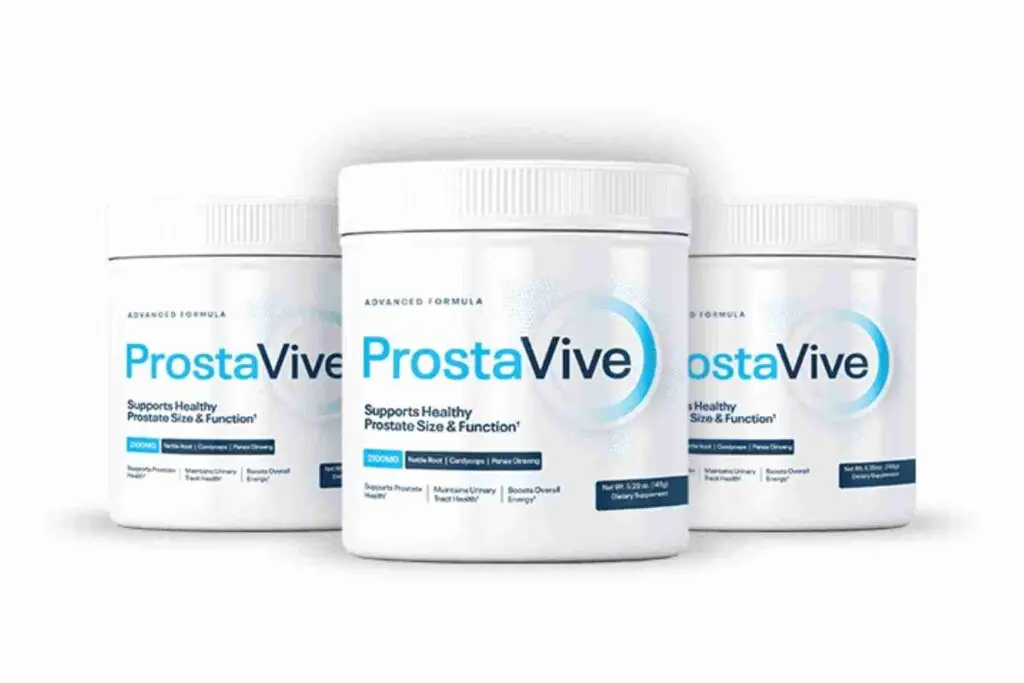
Prostavive extends the intervention scope across all three pathways. Beta-Sitosterol adds structural competition at the 5-alpha reductase site alongside saw palmetto, producing more consistent hormonal correction than either compound delivers independently. Pygeum Africanum and Nettle Root target prostaglandin-mediated inflammation around the prostate gland — a mechanism saw palmetto does not address. Panax Ginseng and Tongkat Ali support nitric oxide production, improving microcirculation to prostate tissue and addressing the vascular component that contributes to urethral compression in more advanced presentations.
The prostavive vs saw palmetto comparison is, therefore, not about potency in any absolute sense. It is a question of whether the symptom profile being managed involves one biological driver or three. For men whose primary concern is early-stage DHT accumulation, saw palmetto alone carries legitimate clinical support. For men presenting with the composite symptom picture typical of BPH in the 50-to-65 age range — hormonal, inflammatory, and vascular components all contributing — the evidence base for a multi-pathway stack is stronger.
Factors That Affect Which Option Works Best for You
The right choice between these two approaches depends on specific variables worth evaluating before purchasing either.
Current symptom complexity. A single, clearly dominant symptom — such as mild urgency without significant flow disruption or nocturia — may respond adequately to saw palmetto alone. Composite symptoms across multiple domains, including sleep disruption from frequent nighttime urination, consistently weak stream, and pelvic heaviness, suggest multi-pathway involvement and favor a broader formulation.
Cost-benefit across a realistic evaluation window. Saw palmetto supplements are widely available at lower price points, which makes them an accessible starting point. However, if a 90-day trial of saw palmetto alone produces partial results, the total cost of sequential trials — saw palmetto, then an upgraded formula — typically exceeds the upfront cost of a multi-ingredient approach from the start.
Standardization of what you’re actually buying. This point applies to both options: the clinical evidence for saw palmetto is specific to the lipid-sterolic extract at standardized concentrations. Raw berry powder products, which dominate the lower price tier, produce unpredictable bioavailability and should not be compared against either standardized saw palmetto or a multi-ingredient formula on price alone.
Existing medical treatment. Men currently on prescription DHT inhibitors or alpha-blockers should discuss any supplemental botanical protocol with their physician — regardless of whether that protocol involves saw palmetto alone or the fuller prostavive vs saw palmetto decision.
What To Look For Before You Buy
Whichever direction the comparison points, three quality standards apply across both options.
Extract standardization disclosed on the label. The clinically effective form of saw palmetto is a lipid-sterolic extract — typically delivering 85–95% fatty acids and sterols. Any product that does not specify extract type and concentration cannot be meaningfully evaluated against clinical literature, regardless of how many additional ingredients surround it.
Independent manufacturing certification. GMP-certified production in an FDA-registered facility ensures that potency, purity, and dosage accuracy are verified at manufacture rather than assumed from label copy alone.
A return policy proportionate to the evaluation timeline. Botanical compounds require 60 to 90 days of consistent daily use to produce assessable results. A return window shorter than 90 days does not allow a genuine evaluation — and signals that the manufacturer is aware of this limitation.
The full review of Prostavive on Healthy Routine Lab covers the complete ingredient stack, individual dosage transparency, manufacturing credentials, and extended user feedback — everything relevant to making the prostavive vs saw palmetto decision on your specific situation rather than on marketing copy alone.

Bottom Line
Prostavive vs saw palmetto is ultimately a question of symptom scope. Saw palmetto carries genuine clinical support for the hormonal driver of BPH and remains a credible option for men with mild, early-stage presentations. Prostavive addresses that same mechanism while adding documented botanical support for the inflammatory and vascular drivers that saw palmetto leaves uncovered. For men over 50 managing a composite BPH symptom picture — rather than a single isolated complaint — the multi-pathway formulation provides a more complete biological rationale. The higher cost reflects that expanded mechanism coverage, not marketing positioning, and for the right candidate, the difference in scope justifies the difference in investment.
Looking for more answers about Prostavive? You might also find these useful:
— Does Prostavive work? What the research behind each ingredient says
— Prostavive for BPH: how the multi-pathway formula addresses enlarged prostate symptoms
Disclaimer: This article is for informational and educational purposes only and does not constitute medical advice. Results vary by individual. The information presented here is based on publicly available research and is not intended to diagnose, treat, cure, or prevent any condition. Pregnant or breastfeeding individuals, people taking prescription medications, and those with diagnosed health conditions should consult a qualified healthcare provider before starting any new supplement. These statements have not been evaluated by the Food and Drug Administration.