

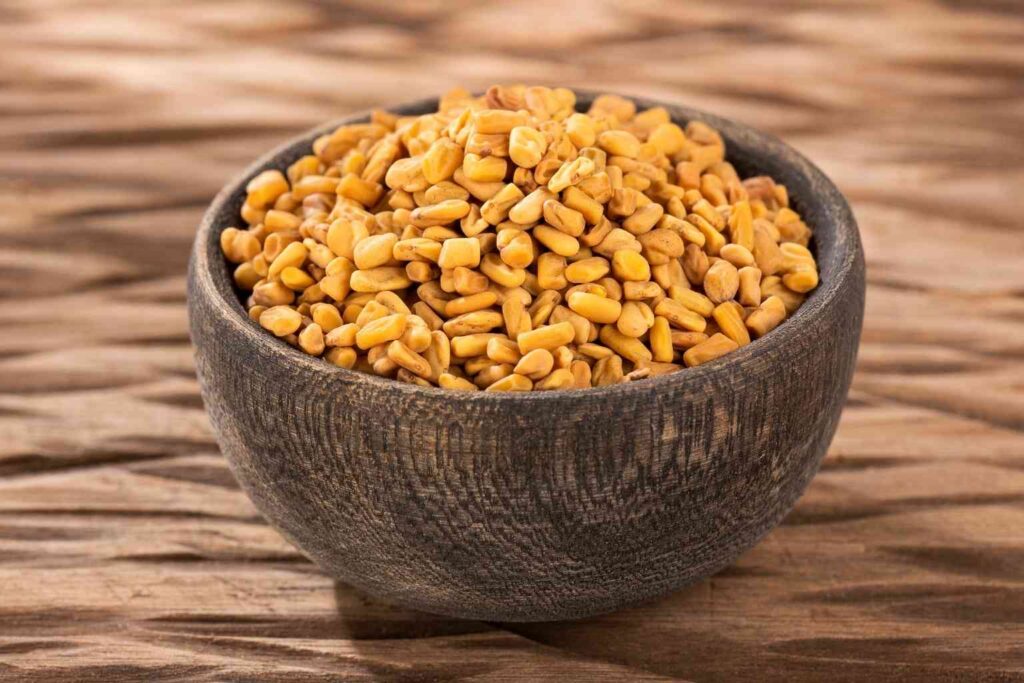
Fenugreek for men over 50 is not a one-trick testosterone supplement — and understanding why makes the difference between realistic expectations and frustration. After 50, three interconnected shifts tend to happen simultaneously: free testosterone declines as sex hormone-binding globulin (SHBG) rises, insulin sensitivity decreases, and systemic inflammation edges upward. Fenugreek addresses all three through distinct mechanisms in a single ingredient. That compound logic — not any single dramatic effect — is what makes it genuinely relevant for this age group.
The clinical evidence supports modest but real effects in each of these areas. None of them work overnight. All of them require consistent use over weeks.
What the Research Shows About Fenugreek for Men Over 50
The most directly relevant clinical evidence comes from a 2020 meta-analysis in Phytotherapy Research pooling four randomized controlled trials in 236 men — the majority of whom were middle-aged or older. Fenugreek extract produced statistically significant increases in total serum testosterone. The mechanism is SHBG inhibition: diosgenin, the primary steroidal saponin in fenugreek, reduces the binding activity of SHBG, shifting more testosterone from bound (inactive) to free (bioavailable) form. This is particularly relevant after 50, because SHBG rises steadily with age even when total testosterone production remains within normal range — meaning free testosterone can be meaningfully suppressed while a standard blood test shows “normal” levels.
On the metabolic side, a 2024 systematic review in Heliyon confirmed consistent reductions in fasting blood glucose and HbA1c with fenugreek supplementation in adults with type 2 diabetes. The driver here is galactomannan fiber and 4-hydroxyisoleucine — a rare amino acid that stimulates insulin secretion in direct proportion to blood glucose load. As insulin sensitivity naturally declines after 50, this dual mechanism offers meaningful metabolic support alongside the hormonal effects.
A full breakdown of every mechanism and the clinical evidence behind each is available in the complete fenugreek benefits guide.
Factors That Affect Fenugreek Results for Men Over 50
Several variables determine how much benefit a man over 50 realistically gets from fenugreek supplementation.
Baseline SHBG levels. The free testosterone benefit is most significant in men whose SHBG is elevated — a pattern that becomes increasingly common after 45. Men with already-low SHBG and genuinely low total testosterone production are less likely to see meaningful free testosterone improvement from fenugreek alone.
Metabolic health starting point. Men with pre-diabetes, insulin resistance, or metabolic syndrome stand to gain the most from fenugreek’s blood sugar mechanisms. Men with already well-controlled glucose and normal insulin sensitivity will see less measurable metabolic impact.
Extract form and dose. The testosterone-relevant research used standardized extract at 500–600mg per day, standardized to saponin content. Whole seed powder at these doses does not deliver equivalent saponin concentrations. Using the wrong form is one of the most common reasons men in this age group report no effect from fenugreek supplementation.
Duration of use. Testosterone-related effects in clinical trials became statistically significant at 8–12 weeks. Expecting results in two to three weeks is not realistic. Metabolic effects on blood sugar appear sooner — typically within 2–4 weeks — but hormonal shifts require sustained use.
What To Look For in a Supplement for Men Over 50
Fenugreek for men over 50 delivers the most practical value when it is part of a multi-ingredient formula that covers the broader cluster of age-related changes — not just SHBG and testosterone, but also stress hormones, circulation, and foundational micronutrients. Standalone fenugreek addresses one mechanism at a time. A well-designed formula pairs it with complementary ingredients that operate through different pathways simultaneously.
Look for products that disclose the fenugreek extract standardization — Testofen at 50% fenuside is the most studied commercial form. Avoid proprietary blends that list fenugreek without disclosing the per-ingredient dose, as underdosing is common in multi-ingredient products that try to fit too many compounds into a single serving.
ProstaVive combines fenugreek with Tongkat Ali, Ashwagandha, Nettle Root, Zinc, Magnesium, and Vitamin D — covering SHBG modulation, cortisol reduction, urinary comfort, and foundational hormonal support in a single daily formula. The full review of ProstaVive breaks down how each ingredient contributes to the overall formula logic and what men over 50 can realistically expect from consistent use across the 8–12 week clinical window.
For men also dealing with gut health issues, skin changes, or blood sugar management as part of a broader metabolic picture, the full review of PrimeBiome covers how fenugreek functions within a gut-skin axis formula — particularly relevant for the anti-inflammatory and blood sugar-stabilizing mechanisms that matter beyond testosterone alone.
Bottom Line – Fenugreek for Men Over 50
Fenugreek for men over 50 works best when the expectation matches the mechanism. It will not dramatically spike testosterone production. What it does — shift the bound-to-free testosterone ratio via SHBG inhibition, support insulin sensitivity through galactomannan and 4-hydroxyisoleucine, and reduce systemic inflammation through saponin activity — is genuinely relevant to the cluster of age-related shifts that most men in this age group are navigating simultaneously. At the correct dose, in the correct form, over a realistic timeline of 8–12 weeks, fenugreek is one of the more mechanistically coherent natural ingredients available for this specific profile.
For a complete breakdown of fenugreek’s mechanisms, clinical evidence, and dosage guidance across all applications, visit our complete fenugreek benefits post.
Looking for more answers about fenugreek? You might also find these useful:
→ Fenugreek vs Ashwagandha for Testosterone: Which One Is Right for You?
→ Fenugreek Before Bed or Morning: Does Timing Actually Make a Difference?
This post is for informational and educational purposes only. The content is based on publicly available research and does not constitute medical advice. Results vary by individual. If you are taking prescription medications, managing a diagnosed health condition such as diabetes or cardiovascular disease, or have concerns about hormonal health, consult your healthcare provider before adding any new supplement to your routine. These statements have not been evaluated by the Food and Drug Administration.