

Few natural ingredients carry as much history as maca root. Long before it appeared on supplement labels, the ancient Inca warriors of the Peruvian Andes were consuming it before battle — attributing to it their exceptional physical endurance, stamina, and drive. For centuries, it was one of the most prized foods in the high-altitude Andean world, traded as currency and reserved for royalty and soldiers facing extreme physical demand.
Today, maca root has made a remarkable journey from a remote mountain crop to one of the most searched supplement ingredients in the world. And unlike many botanical trends that fade once the hype meets the science, maca has managed to hold its ground — accumulating a growing body of research that supports several of the traditional claims made about it for millennia. Whether you’ve seen it on a label and wondered what it actually does, or you’re actively researching options for energy, libido, hormonal balance, or metabolic support, this guide covers everything the current evidence has to say.
What Is Maca Root? Origin, Varieties, and Traditional Use
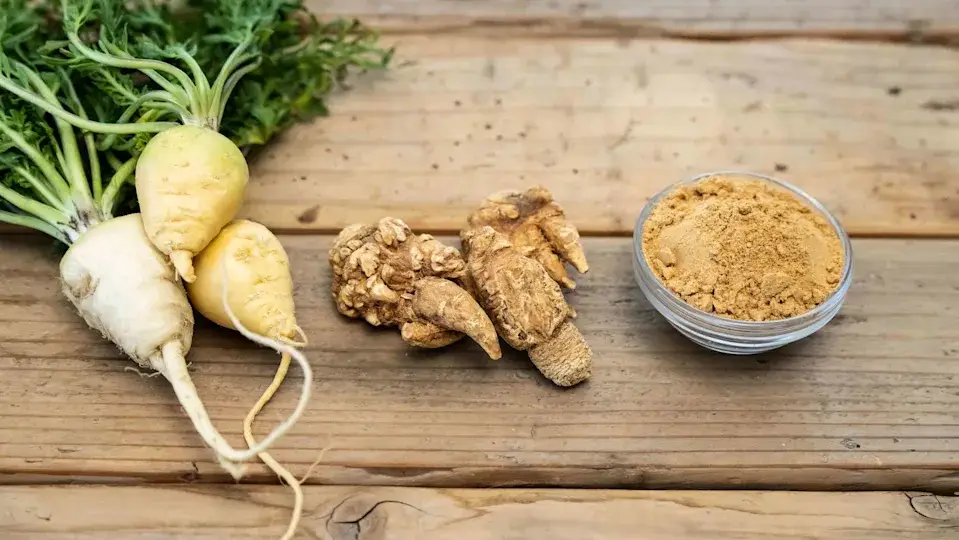
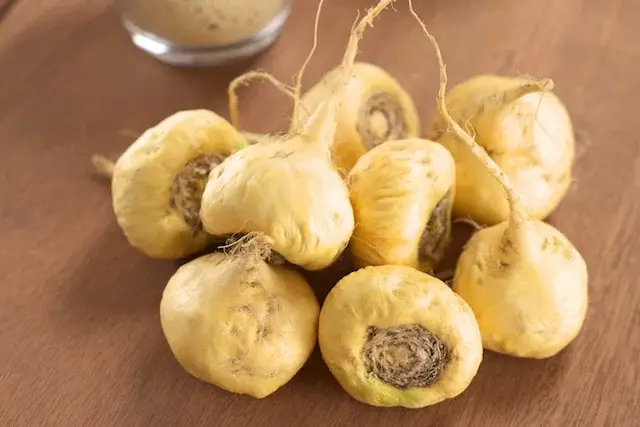
Maca (Lepidium meyenii, also known as Lepidium peruvianum) is a cruciferous root vegetable — closely related to broccoli, cabbage, and kale — that grows exclusively in the high Andes of Peru, at altitudes between 13,000 and 15,000 feet above sea level. At those extreme elevations, where oxygen is thin, temperatures swing dramatically, and the soil is rocky and mineral-dense, very few plants survive. Maca not only survives — it thrives.
That environmental resilience is part of what makes maca nutritionally exceptional. The stress of growing at altitude concentrates a unique array of bioactive compounds in the root: glucosinolates, macamides, macaenes, alkaloids, sterols, and an unusually rich mineral profile including calcium, iron, zinc, potassium, and copper. The root also contains significant B vitamins — particularly B1, B2, and B6 — along with vitamin C, fiber, and protein.

Three main varieties exist, each with slightly different nutritional profiles and traditional uses:
• Yellow maca — the most common variety, associated with general energy, mood, and fertility support
• Red maca — linked in research to prostate health and bone density support
• Black maca — traditionally associated with stamina, athletic performance, and male sexual function
In Andean culture, maca was consumed as a food — boiled, fermented into a drink, or dried and powdered for long-term storage. Spanish conquistadors documented its use extensively in the 16th century, noting that indigenous populations attributed their physical endurance at altitude partly to its consumption. Today, it’s exported globally as a supplement, primarily in powder, capsule, and liquid extract form.
How Does Maca Root Work? The Science Behind the Benefits
Unlike many supplement ingredients that work through a single well-defined molecular mechanism, maca root operates through several overlapping pathways — which is both what makes it interesting and why it’s harder to pin down than something like berberine or chromium.
The most studied mechanism involves maca’s unique bioactive compounds: macamides and macaenes. These fatty acid derivatives are found almost exclusively in maca root, making them genuinely novel compounds that don’t appear in significant quantities elsewhere in nature. Research has shown that macamides interact with the endocannabinoid system and influence hormone-related signaling pathways — which helps explain maca’s effects on libido and mood without directly raising sex hormone levels.
A second pathway involves the hypothalamus-pituitary-adrenal (HPA) axis — the system that governs how the body responds to stress and regulates hormone production. Maca appears to work as an adaptogen on this axis, helping to normalize hormonal output rather than simply elevating or suppressing any single hormone. This is a key distinction: maca doesn’t raise testosterone or estrogen directly — it helps the body’s own hormonal regulation system function more efficiently.
A third mechanism, particularly relevant to metabolic health, is maca’s influence on glucose uptake in adipocytes (fat cells) through pathways that share features with insulin signaling. Research published in Phytotherapy Research found that maca root extracts stimulated glucose uptake in a manner described as “insulin-mimetic” — which helps explain its emerging relevance in blood sugar support formulas.
Maca Root Benefits: What Research Actually Shows
1. Energy and Physical Endurance
This is where maca’s traditional reputation intersects most clearly with modern research. Multiple studies have found that maca supplementation is associated with improved subjective energy levels, reduced fatigue, and better exercise performance. A randomized trial involving trained male cyclists found that eight weeks of maca supplementation improved 40km time trial performance compared to baseline, with effects comparable to those observed with a reference group.
What makes this particularly noteworthy is that maca doesn’t appear to work like a stimulant. Unlike caffeine or other energy-boosting compounds, it doesn’t elevate heart rate, cause jitteriness, or create a crash. The energy effect is described consistently as smooth, sustained, and foundational — more like correcting an underlying deficiency in vitality than artificially stimulating the nervous system.
2. Libido and Sexual Function
Maca root’s libido-enhancing reputation is arguably its most widely known attribute — and it’s one of the more consistently supported claims in the research literature. A systematic review of four randomized controlled trials published in BMC Complementary and Alternative Medicine found that maca improved self-reported sexual desire in both men and women, with effects beginning to appear after approximately six weeks of supplementation.
Crucially, these effects appear to occur independently of testosterone levels. This distinguishes maca from testosterone-boosting ingredients like Tongkat Ali — maca doesn’t primarily work by raising hormone levels. The macamide compounds appear to influence sexual desire through the central nervous system and endocannabinoid pathways, which means it may be especially relevant for people whose reduced libido is connected to stress, fatigue, or mood rather than hormonal deficiency.
3. Hormonal Balance and Menopause Support
For women — particularly those approaching or navigating perimenopause and menopause — maca has attracted significant research attention as a non-hormonal support option. Studies have found that maca supplementation can reduce the frequency and severity of common menopausal symptoms including hot flashes, disrupted sleep, and mood fluctuations, without directly increasing estrogen levels.
A double-blind, placebo-controlled trial found that postmenopausal women taking maca reported significant improvements in psychological symptoms, sexual dysfunction, and energy levels. The proposed mechanism is that maca supports the body’s own endocrine regulation — helping the system adapt as hormone levels shift — rather than supplementing estrogen directly.
4. Blood Sugar and Metabolic Support
This is one of maca’s more emerging research areas, but the signals are meaningful. Studies in animal models fed high-fat diets have shown that maca root extract significantly reduced blood glucose levels, improved insulin sensitivity, and lowered triglycerides — with researchers describing the effects as showing “strong potential as a herbal medicine to improve glucose and lipid homeostasis.” The insulin-mimetic activity of maca’s bioactive compounds (discussed in the mechanism section above) provides a plausible biological explanation for these observations.
For this reason, maca increasingly appears in blood sugar support formulas alongside more established metabolic ingredients — contributing the energy and hormonal balance angles while complementing compounds with a stronger glucose-specific mechanism.
5. Mood, Mental Clarity, and Stress Resilience
The adaptogenic properties of maca extend to cognitive function and emotional wellbeing. Several studies have found that maca supplementation is associated with reduced anxiety and depression scores, particularly in postmenopausal women — though the effects have been observed in other populations as well. The improvement in mood and mental clarity reported by users is consistent with maca’s influence on the HPA axis and its interaction with endocannabinoid signaling pathways that regulate mood and stress responses.
6. Male Health and Prostate Support
Black and red maca varieties have attracted specific research interest in the context of male health. Studies in animal models have shown that red maca supplementation was associated with reduced prostate size — a particularly relevant finding given the prevalence of benign prostatic hyperplasia (BPH) in older men. While human clinical data in this area is still limited, the finding has contributed to maca’s inclusion in several men’s wellness formulas that address both urinary comfort and broader male vitality.
Who Can Benefit Most from Maca Root?
The breadth of maca’s research profile means it shows up in formulas targeting very different populations and goals. The people most likely to notice meaningful effects include:
• Adults experiencing persistent low energy or fatigue — particularly the kind that isn’t fully explained by sleep or diet issues alone
• Men and women dealing with reduced libido — especially when connected to stress, aging, or hormonal transition rather than a specific deficiency
• Women navigating perimenopause or menopause — looking for non-hormonal support for mood, energy, and symptom management
• Men over 40 concerned about vitality and prostate health — particularly those wanting broader male wellness support alongside urinary comfort
• People managing blood sugar and metabolic health — where maca contributes complementary support alongside more targeted metabolic ingredients
• Anyone with noise-related stress or hearing-related fatigue — where maca’s adaptogenic and circulatory support properties contribute to broader neural resilience
Maca Root in Modern Supplements: Four Products Worth Knowing
Because maca’s benefits span multiple systems — energy, hormones, blood sugar, and circulation — it appears across a wider range of supplement categories than most single-function ingredients. Here’s how it’s being used across four very different formulas:
For Blood Sugar and Energy Support
Maca root is one of eight primary botanical ingredients in Sugar Defender, a liquid blood sugar support formula. Within this formula, maca contributes both the energy stabilization angle — addressing the fatigue and brain fog that often accompanies blood sugar fluctuations — and its emerging metabolic properties. It works alongside dedicated glucose-support ingredients like Gymnema Sylvestre and Chromium, while maca handles the energy and resilience layer of the formula.

For Male Performance and Sexual Health
In Spartamax, a male performance supplement in gummy form, maca root is paired with Tongkat Ali, Ashwagandha, and Horny Goat Weed. Each ingredient addresses a different dimension of male sexual health: Tongkat Ali works on the testosterone side, Ashwagandha manages stress and cortisol, and maca covers the libido and desire angle through its independent CNS and endocannabinoid mechanisms. The combination is deliberately multi-pathway — which is why maca’s presence in the formula adds something that the other ingredients don’t fully cover on their own.

For Hearing Health and Neural Resilience
Maca’s role in Audifort, a hearing support liquid formula, reflects its antioxidant and circulatory support properties rather than any direct hearing-specific mechanism. The inner ear is highly dependent on healthy blood flow and protection from oxidative stress — which is where maca’s broader resilience and vascular support contributions become relevant within a multi-ingredient hearing formula.

For Prostate and Men’s Wellness
ProstaVive positions maca as part of its broader male vitality stack. In the context of ProstaVive, maca’s combination of energy support, libido enhancement, and potential prostate-relevant properties (from the red maca research) makes it a logical addition to a formula that aims to address both urinary comfort and overall male quality of life simultaneously.
What’s notable across these four formulas is that maca root is never being asked to do the same job twice. Each product uses it for a different dimension of its multi-system profile — which is exactly what makes it one of the most versatile and strategically deployed botanical ingredients in the supplement market today.
Maca Root Dosage, Safety, and Side Effects
Typical research dosage: Most published studies have used daily doses between 1,500mg and 3,500mg of maca root powder, with effects generally observed after four to twelve weeks of consistent use. Gelatinized maca (where the starch has been removed through heat processing) is generally better tolerated and more bioavailable than raw maca powder.
Most common side effects: Maca is generally very well tolerated. The most commonly reported issues are mild gastrointestinal discomfort — particularly with raw maca powder at higher doses — and occasional reports of increased energy that interferes with sleep if taken late in the day. Starting with a lower dose and taking it in the morning is the standard recommendation for first-time users.
Precautions worth noting:
• Maca is a cruciferous vegetable and contains glucosinolates, which may affect thyroid function in people with existing thyroid conditions who consume very large amounts. Standard supplemental doses are unlikely to be problematic, but those with thyroid issues should discuss with their healthcare provider.
• Because of maca’s hormonal-regulating properties, women who are pregnant or breastfeeding are generally advised to avoid it, and those on hormone-sensitive medications should consult their doctor.
• Maca appears to be safe for long-term use based on available evidence, but research beyond 12 weeks is limited — which is worth keeping in mind for anyone considering extended supplementation.
Frequently Asked Questions About Maca Root
How long does maca root take to work?
Most people begin to notice changes in energy and mood within two to four weeks of consistent daily use. Effects on libido typically appear around the six-week mark based on research data. Hormonal balance effects in menopausal women tend to emerge over eight to twelve weeks. Maca is a cumulative ingredient — consistency matters more than dose size.
Does maca root raise testosterone?
This is one of the most common misconceptions about maca. The current research consensus is that maca does not directly raise testosterone levels in most populations. Its libido and vitality effects appear to work through different pathways — primarily the macamide compounds and their interaction with the endocannabinoid system and HPA axis. This is actually part of what makes maca useful for women as well as men.
Is maca root the same as Peruvian ginseng?
“Peruvian ginseng” is a common marketing nickname for maca, but the two plants are botanically unrelated. True ginseng (Panax ginseng) belongs to a completely different plant family and works through different mechanisms. The nickname reflects maca’s adaptogenic reputation rather than any botanical relationship.
Can women take maca root?
Yes — maca is one of the few supplement ingredients with well-documented benefits for both men and women. For women, the most studied benefits relate to libido, menopause symptom management, mood, and energy. The fact that maca works on hormonal regulation without directly supplementing estrogen or progesterone makes it a flexible option for women at various hormonal stages.
What is the difference between raw and gelatinized maca?
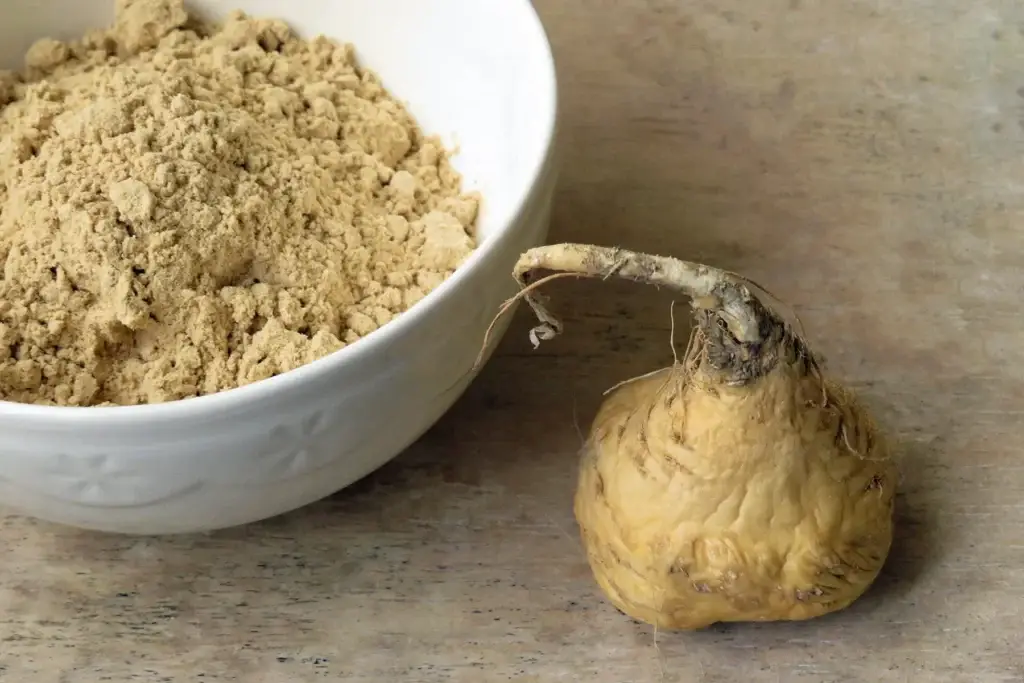
Gelatinized maca has been processed with heat to remove most of the starch content, making it easier to digest and more concentrated in active compounds. For most people, gelatinized maca causes fewer digestive side effects and may deliver bioactive compounds more efficiently. Raw maca preserves the full nutritional profile but can cause bloating in sensitive individuals at higher doses.
Can I take maca root with other supplements?
Maca generally combines well with most supplement ingredients. It is frequently paired with Tongkat Ali, Ashwagandha, and ginseng in male performance formulas, and with adaptogens and B vitamins in energy and women’s wellness blends. The main caution is for people taking hormone-sensitive medications, where maca’s regulatory effects on the endocrine system should be discussed with a healthcare provider before combining.
The Bottom Line on Maca Root
Maca root has earned its place as one of the more credible multi-function botanical ingredients in the modern supplement market. It isn’t a single-mechanism compound, which makes it harder to define in a sentence — but that same breadth of action is exactly what makes it genuinely useful across such a wide range of health goals. The energy support is real. The libido effects are among the more consistently replicated findings in botanical supplement research. The hormonal regulation angle is particularly compelling for women navigating menopause. And the emerging blood sugar and metabolic data add a dimension that’s still developing but scientifically plausible.
If you want to explore supplements that use maca root as part of a thoughtfully constructed multi-ingredient formula, our reviews of Sugar Defender, Spartamax, Audifort, and ProstaVive each cover how maca is combined with complementary ingredients — and what real users are reporting in each context.
Disclaimer: This article is for informational and educational purposes only. It does not constitute medical advice. If you have a diagnosed health condition or take prescription medications — particularly those related to hormones or thyroid function — consult a qualified healthcare provider before starting maca root supplementation.