

How long does fenugreek take to increase milk supply? For most nursing mothers who respond to this herb, the increase in milk volume becomes noticeable within 24 to 72 hours of beginning supplementation. That is a faster response timeline than most herbal galactagogues — and one of the reasons fenugreek remains the most widely used plant-based milk support option in Western countries. However, not all women respond, and knowing when to continue versus when to stop is as important as knowing what to expect when it works.
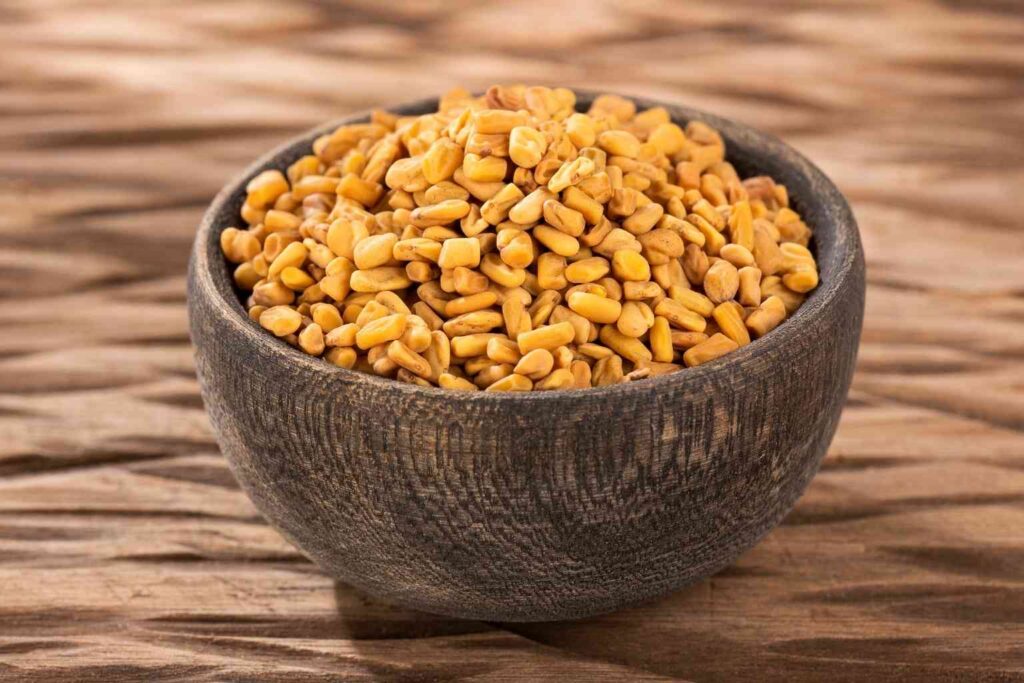
If no change in volume is noticeable within seven to ten days of consistent use at the correct dose, the evidence does not support continuing. The effect either happens relatively quickly or it does not happen at all for that individual.
What the Research Shows on How Long Does Fenugreek Take to Increase Milk Supply
A 2018 review examining fenugreek as a galactagogue found significant increases in breast milk volume in four out of five included studies. The proposed mechanism involves diosgenin — a steroidal saponin in fenugreek that is believed to interact with prolactin pathways and stimulate mammary gland activity. Because this is a hormonal signaling effect rather than a structural tissue change, the response can occur within days rather than weeks.
The doses used in lactation research typically range from 1–3g of whole seeds taken two to three times daily, or 500–600mg of standardized extract three times daily — a higher total daily intake than most testosterone-oriented fenugreek supplements deliver. Dose adequacy is one of the most common reasons for non-response. A full overview of fenugreek’s mechanisms and dosing by goal is available in our complete fenugreek benefits guide.
One side effect worth anticipating: both mother and infant may develop a maple syrup odor in sweat and urine. This is caused by sotolona, a volatile compound in fenugreek that the body excretes harmlessly. It is not a sign of any problem, but it can be confused with maple syrup urine disease in infants — mention it to your pediatrician proactively.
Factors That Affect How Long Does Fenugreek Take to Increase Milk Supply
Several variables determine whether fenugreek works for a given individual and how quickly results appear.
Dose. The most common reason fenugreek fails for milk supply is underdosing. Standard one-capsule supplement doses (500mg once daily) fall well below the 1.5–6g total daily intake used in lactation research. If you are using a testosterone or general wellness fenugreek supplement, the per-serving dose is likely not calibrated for galactagogue use.
Underlying milk supply issue. Fenugreek works best as a galactagogue for women with functional milk production that has dropped due to stress, inconsistent feeding schedules, or supply-demand imbalance. It is not a solution for structural breastfeeding difficulties, latch problems, or hormonal conditions that prevent milk production from establishing in the first place.
Hydration and nutrition. Adequate fluid intake and caloric sufficiency are prerequisites for milk production that no herb can replace. Fenugreek’s galactagogue mechanism operates on top of baseline physiological requirements — not instead of them.
Consistency of use. The 24–72 hour response window assumes consistent dosing at adequate levels. Skipping doses or taking irregular amounts disrupts the hormonal signaling that drives the effect.
What To Look For in a Fenugreek Supplement for Milk Supply
Not all fenugreek supplements are formulated for lactation support. Look for products that specify whole seed powder or a high-fiber extract — the galactagogue mechanism involves diosgenin and phytoestrogenic activity that is best preserved in less-processed forms. Check the total daily dose across all servings: the product should allow you to reach 1.5–3g of seed equivalent per day without taking an excessive number of capsules. Products that combine fenugreek with other established galactagogues such as blessed thistle or fennel may provide additive support, though evidence for combination products is less robust than for fenugreek alone.
For women who are also managing gut health, hormonal balance, or skin changes during the postpartum period, the full review of PrimeBiome covers how fenugreek contributes to a broader gut-skin axis formula — including its blood sugar-stabilizing and anti-inflammatory properties that are relevant to postpartum recovery beyond lactation alone.
How long does fenugreek take to increase milk supply – Bottom Line
How long does fenugreek take to increase milk supply? Most women who respond see results within 24 to 72 hours at adequate doses. If there is no noticeable change within seven to ten days of consistent use, fenugreek is unlikely to work for that individual regardless of continued supplementation. Dose adequacy is the most controllable variable — ensure total daily intake aligns with the 1.5–3g range used in lactation research, not the lower doses found in general wellness supplements.
For a complete breakdown of fenugreek’s mechanisms, clinical evidence, and dosage guidance across all applications, visit our complete fenugreek benefits post.
Looking for more answers about fenugreek? You might also find these useful:
→ Fenugreek Maple Syrup Smell: Why It Happens and What to Expect
→ Fenugreek Before Bed or Morning: Does Timing Actually Make a Difference?
This post is for informational and educational purposes only. The content is based on publicly available research and does not constitute medical advice. Results vary by individual. Breastfeeding mothers should consult their healthcare provider or a certified lactation consultant before adding any supplement to their routine. If you are taking prescription medications or managing a diagnosed health condition, speak with your doctor before use. These statements have not been evaluated by the Food and Drug Administration.