
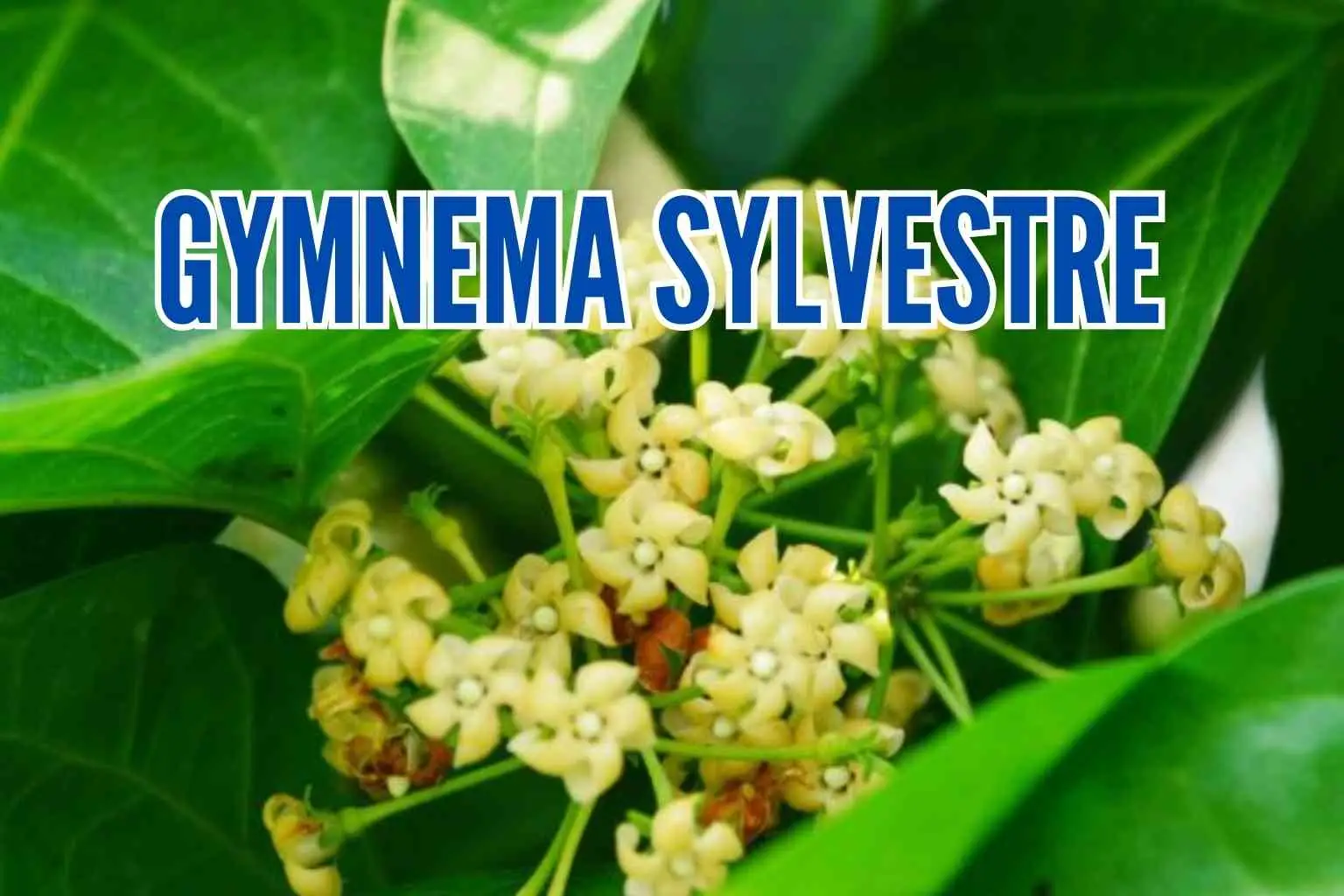
Why are gymnema sylvestre benefits getting so much attention from researchers and formulators? Because very few botanical ingredients can simultaneously act on appetite control, glucose absorption, and long-term blood sugar management — and do so with a traditional use history spanning more than two thousand years. In the sections ahead, you’ll see exactly what modern science confirms, and where the research still has room to grow.
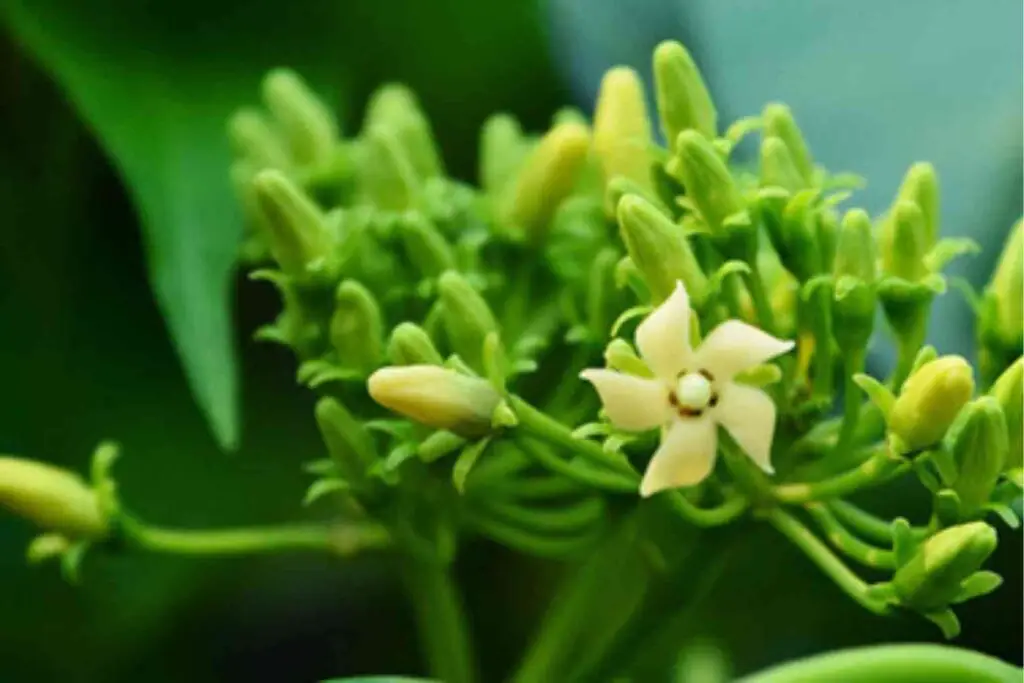
If you’ve been researching blood sugar support supplements lately, you’ve almost certainly come across Gymnema Sylvestre. This woody climbing vine — native to the tropical forests of India, Africa, and Australia — is appearing in more formulas than ever before, and for good reason. Long before pharmaceutical interventions existed, Ayurvedic practitioners relied on Gymnema’s leaves to manage what we now call hyperglycemia. Today, modern researchers are catching up, and the science is actually more compelling than you might expect.
In this post, we’re going to break down exactly what Gymnema Sylvestre is, how it works at a biological level, what the clinical evidence says about its key benefits, who is most likely to benefit from it, and how to use it safely. We’ll also look at where this ingredient is showing up in real supplement formulas and why its presence matters. Whether you’re curious about adding it to your routine or just trying to understand what’s inside your current stack, this guide has you covered.
What Is Gymnema Sylvestre? Origin and Traditional Use
Gymnema Sylvestre is a perennial woody vine belonging to the Asclepiadaceae family. Its scientific name derives from the Greek words for “naked” (gymnos) and “forest” (nemos), a reference to the appearance of its seed pods. But the name most people find memorable is its Hindi designation: Gurmar — which translates directly to “sugar destroyer.”
In Ayurvedic medicine, Gymnema’s leaves have been used for over 2,000 years to treat a condition described as “madhumeha” — what we now recognize as diabetes mellitus. Traditional practitioners prepared the leaves as a tea or paste, observing that chewing them caused a temporary loss of the ability to perceive sweetness. This sensory effect, far from being a curiosity, turned out to be the first clue about the herb’s unique biological mechanism.
Today, Gymnema is cultivated across South Asia, particularly in the forests of Madhya Pradesh, the Deccan Plateau, and the Western Ghats in India. Its leaves contain a group of compounds called gymnemic acids, which are responsible for the majority of its documented physiological effects.
Standardized Extracts vs. Raw Powder
Not all Gymnema products are equal. The concentration of gymnemic acids — the active compounds — varies widely between a raw leaf powder and a standardized extract.
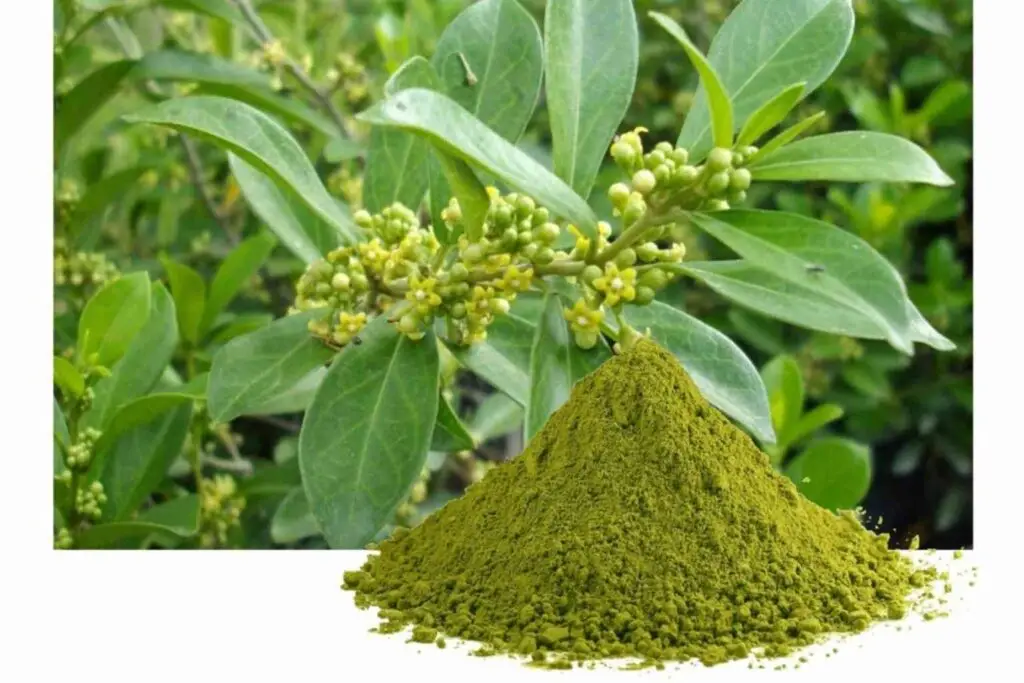
• Raw Gymnema leaf powder — Contains naturally occurring gymnemic acids at variable concentrations, typically around 3–5%. More affordable but less predictable in terms of active dose. Often used in traditional preparations.
• Standardized Gymnema extract (25% gymnemic acids) — The most commonly used form in clinical research and modern supplements. Standardized to contain a guaranteed minimum of 25% gymnemic acids per dose. This is the form used in most of the studies referenced below.
• High-potency extracts (75% gymnemic acids) — Emerging in premium formulas, though long-term clinical data is less extensive. Higher concentration does not always mean better outcomes if the baseline dose is already effective.
For practical purposes, if you’re evaluating a supplement label, look for a standardized extract clearly stating gymnemic acid content. That’s your quality signal.
For anyone evaluating blood sugar support supplements, understanding where an ingredient comes from — and why it was used for centuries before clinical trials existed — matters just as much as a single study result. In Gymnema’s case, the combination of a well-documented traditional track record and consistent modern research findings is exactly what sets its benefits apart from botanical ingredients that are all promise and no mechanism.
How Does Gymnema Sylvestre Work? The Mechanisms
Gymnema Sylvestre doesn’t work through a single pathway. Its effects arise from multiple simultaneous biological mechanisms — which is part of why researchers find it so interesting from a metabolic support standpoint. Here’s what’s happening inside your body:
1. Sweet taste receptor blockade
Gymnemic acids share a structural similarity with glucose molecules. When applied to the tongue, they temporarily bind to the same taste receptors that detect sweetness — physically blocking sugar molecules from activating them. This effect is reversible (lasting approximately 1–2 hours), but in practical terms, it means sweet foods become temporarily tasteless or flat, which naturally reduces the palatability of sugary snacks and desserts.
2. Inhibition of intestinal glucose absorption
In the small intestine, gymnemic acids appear to block sodium-glucose cotransporter (SGLT) pathways, reducing how much dietary glucose is absorbed into the bloodstream following a meal. This mechanism helps blunt post-meal blood sugar spikes — one of the most clinically relevant windows for metabolic intervention.
3. Stimulation of insulin secretion
Several in vitro and animal studies have shown that gymnemic acids can stimulate the release of insulin from pancreatic beta cells. While the human evidence here is more preliminary, this pathway may explain some of the blood glucose-lowering effects observed in clinical trials.
4. Promotion of pancreatic beta cell regeneration
This is one of Gymnema’s most intriguing — and most contested — proposed mechanisms. Some animal studies suggest that gymnemic acids may help regenerate insulin-secreting beta cells in the pancreas, which are often damaged or reduced in type 2 diabetes. Human data is limited, but the hypothesis has fueled significant research interest.
5. Reduction in lipid absorption
Beyond glucose, gymnemic acids may also interfere with fat absorption in the gut by reducing the uptake of lipid molecules in the intestinal lining. This may partially explain the cholesterol and triglyceride-lowering effects seen in some studies.
Gymnema Sylvestre Benefits: What Clinical Research Shows
This is where things get nuanced — and honesty matters. Some of Gymnema’s benefits have solid clinical backing; others rely primarily on animal data or small human trials. We’ll be clear about the evidence quality throughout.
1. Blood Sugar Regulation — The Core Benefit
The most researched and best-supported benefit of Gymnema Sylvestre is its effect on blood glucose levels. Multiple human trials have examined its impact in both type 1 and type 2 diabetes contexts.

A well-cited study published in the Journal of Ethnopharmacology followed 22 patients with type 2 diabetes taking 400 mg of Gymnema extract daily for 18–20 months. Participants showed significant reductions in fasting blood glucose and HbA1c — a marker of long-term blood sugar control — and several were able to reduce their medication dosage under physician supervision. A parallel trial in type 1 diabetes patients showed similar improvements in glycemic control alongside reduced insulin requirements.
A 2019 systematic review in Phytomedicine analyzed multiple trials and concluded that Gymnema Sylvestre supplementation was associated with statistically significant reductions in fasting blood glucose and HbA1c across multiple study populations. However, the reviewers noted that most studies had small sample sizes and short follow-up periods — a legitimate limitation worth acknowledging.
⚠️ Honest caveat: Gymnema is not a substitute for prescribed diabetes medication. The studies showing HbA1c improvements were conducted in medically supervised settings. If you have diabetes, any use of Gymnema should be discussed with your healthcare provider — especially if you’re already on glucose-lowering drugs, as additive effects could cause hypoglycemia.
2. Reducing Sugar Cravings
This benefit might actually be the most immediately noticeable for everyday users — particularly those trying to cut back on sugar or manage their appetite.

The sweet taste receptor blockade mechanism described earlier produces a tangible, subjective experience: sugary foods simply become less appealing. A study published in Physiology & Behavior found that participants who rinsed with a Gymnema solution rated sweet foods as significantly less pleasant compared to a control group — and subsequently consumed fewer calories from sweet foods during a test meal.
This isn’t just a sensory trick. By reducing the reward value of sweet foods, Gymnema may help break the cycle of sugar cravings that underlies many eating patterns. For people who struggle with portion control around sweets, this is a genuinely useful effect.
3. Weight Management Support
Because sugar cravings are a major driver of excess calorie intake, it logically follows that Gymnema’s craving-reducing effects could translate to weight management benefits. The research here is promising but still relatively thin.

A 2017 randomized controlled trial published in Obesity presented results from 60 moderately obese individuals who received Gymnema extract alongside dietary counseling. The Gymnema group lost a statistically significant greater amount of weight compared to the placebo group over 8 weeks, with reductions in BMI and body fat percentage. Caloric intake was also meaningfully lower in the treatment group.
These results are encouraging, but it’s worth noting that this was a single trial with dietary intervention as a co-variable — making it hard to isolate Gymnema’s independent contribution to weight loss.
4. Cholesterol and Triglyceride Reduction
Beyond glucose metabolism, several studies have observed improvements in lipid profiles among Gymnema users.

The 18-month trial in the Journal of Ethnopharmacology mentioned earlier also tracked lipid parameters, finding reductions in total cholesterol, LDL cholesterol, and triglycerides in the Gymnema group. A separate animal study demonstrated that gymnemic acids reduced lipid absorption in the intestine and lowered liver fat accumulation.
The mechanism appears to involve both reduced intestinal fat absorption and possible effects on hepatic lipid synthesis — though the human data is less robust than what exists for blood sugar effects.
5. Anti-Inflammatory and Antioxidant Properties
Gymnema leaves contain additional bioactive compounds beyond gymnemic acids, including flavonoids, saponins, and tannins, which have demonstrated antioxidant and anti-inflammatory activity in laboratory studies.

Chronic low-grade inflammation is a known driver of insulin resistance and metabolic syndrome, so these properties could represent an additional, complementary benefit — though human trials specifically examining Gymnema’s anti-inflammatory effects are limited. This is an area where more research is clearly needed before strong claims can be made.
Who Can Benefit Most?
Before getting into the specific profiles, some context helps: gymnema sylvestre benefits are not one-size-fits-all. They depend on where someone starts metabolically, the quality and potency of the extract being used, and — most importantly — the goal, whether that’s active blood sugar management, reducing sweet cravings, or general preventive support. With that in mind, the groups most likely to see meaningful results are:
• People with type 2 diabetes or prediabetes — The most extensively studied application. Best used as an adjunct to medical treatment, not a replacement.
• Individuals managing sugar cravings — The taste-receptor blockade effect is immediate and practical for anyone trying to reduce dessert consumption or break sugar dependency cycles.
• Those following low-carb or metabolic health protocols — Gymnema’s ability to blunt post-meal glucose spikes aligns well with dietary strategies that prioritize blood sugar stability.
• People managing their weight — Particularly those whose weight gain is driven by high sugar intake or frequent sweet cravings.
• Adults with elevated triglycerides or LDL — A potential secondary benefit, though this shouldn’t be the primary motivation for choosing Gymnema given the thinner evidence base.
Gymnema is generally not recommended for pregnant or breastfeeding women, children, or individuals with known low blood sugar (hypoglycemia) unless under medical supervision.
Gymnema Sylvestre in Modern Supplements: 2 Formulas, 2 Contexts
The ingredient is showing up in some genuinely well-formulated products. Here’s how Gymnema Sylvestre plays a role in two specific supplements worth examining:
Sugar Defender — A Multi-Ingredient Blood Sugar Formula
Sugar Defender is designed specifically around the challenge of modern blood sugar management — an area where single-ingredient approaches rarely cut it. Gymnema Sylvestre is included as part of a broader formula targeting glucose absorption, insulin sensitivity, and energy metabolism simultaneously.
What’s notable about Sugar Defender’s approach is that it pairs Gymnema with other evidence-backed ingredients, allowing the sweet-taste-blocking and glucose-absorption-inhibiting mechanisms of gymnemic acids to complement rather than duplicate the other compounds in the stack. For users looking for comprehensive blood sugar support from a multi-pathway formula, this is worth a closer look. You can read a full breakdown in the Sugar Defender review.

Audifort — Metabolic Support Beyond the Expected
Finding Gymnema in a formula like Audifort might prompt a double-take if you’re expecting it in a narrowly focused blood sugar product — but the rationale makes more sense when you consider the metabolic co-factors that Audifort addresses. Elevated blood glucose and insulin dysregulation are increasingly understood as contributors to systemic inflammation and circulatory health, both of which are relevant to the formula’s broader focus.
In this context, Gymnema’s role is less about acute blood sugar control and more about its systemic anti-inflammatory and antioxidant properties — particularly relevant for the bioactive compounds in its leaves beyond gymnemic acids. The Audifort review covers the full ingredient rationale in detail, including how Gymnema fits into the overall formulation logic.

What these two products illustrate is a broader shift in the blood sugar support supplements market: the move away from single-ingredient approaches toward multi-mechanism formulas. Gymnema sylvestre benefits are best realized when the ingredient is positioned within a coherent formulation strategy — not when it appears as an isolated addition at an arbitrary dose. Learning to spot that difference on a label is part of what separates a supplement that actually works from one that’s simply following a trend.
Dosage, Timing, and Safety
Dosage
The most commonly studied dose of Gymnema Sylvestre in clinical trials is 400 mg per day of a standardized extract (25% gymnemic acids), though doses ranging from 200 mg to 800 mg daily have been used across different studies.
• For blood sugar support: 400 mg/day standardized extract, typically divided into two doses taken with meals.
• For craving reduction: Even a single dose of 200–400 mg taken 20–30 minutes before a meal containing sweets can produce noticeable taste-blocking effects.
• Duration: The longest human studies have run for 18–20 months with a good safety profile; most commercial protocols suggest 8–12 week cycles.
For raw leaf powder, doses are higher (typically 2–4 g/day) to account for lower gymnemic acid concentration, but standardized extracts are preferred for consistent results.
Safety and Precautions
Gymnema Sylvestre has a well-established safety record across traditional use and modern clinical research. However, several precautions are worth flagging:
• Hypoglycemia risk — Because Gymnema can lower blood glucose, taking it alongside diabetes medications (insulin, metformin, sulfonylureas) can cause additive blood sugar-lowering effects. Monitor glucose levels carefully and inform your doctor.
• Pre-surgery caution — Gymnema may affect blood sugar control during and after surgery. It is generally recommended to discontinue use at least 2 weeks before any scheduled surgical procedure.
• Pregnancy and breastfeeding — Insufficient safety data exists for these populations. Avoid unless specifically directed by a healthcare provider.
• Allergy considerations — Individuals with known allergies to plants in the Asclepiadaceae family should exercise caution.
• Taste alterations — The sweet-taste-blocking effect, while temporary, can be disorienting at first. It affects perception of any sweet food or drink consumed within 1–2 hours of dosing.
Frequently Asked Questions
Does Gymnema Sylvestre really work for blood sugar?
Yes — within a specific context. The evidence for blood glucose and HbA1c reduction in type 2 diabetes patients is among the more consistent in the botanical supplement literature. However, results are strongest when used alongside dietary management, and it should not replace prescribed medications.
How quickly does Gymnema Sylvestre start working?
The sweet-taste-blocking effect is nearly immediate after consumption. For systemic blood sugar effects, most studies show meaningful improvements within 60–90 days of consistent use, with the strongest results appearing after 3–6 months.
Can Gymnema Sylvestre cause low blood sugar?
Yes, it can — particularly when combined with blood-sugar-lowering medications. If you’re on diabetes medication, do not add Gymnema without first consulting your physician. Symptoms of hypoglycemia include dizziness, sweating, shakiness, and confusion.
Is Gymnema Sylvestre safe long-term?
The longest human trials have followed participants for up to 20 months without significant adverse events. Traditional use extends considerably longer. That said, cycling (8–12 weeks on, 4 weeks off) is a common precautionary approach in the absence of longer-term data.
Does Gymnema Sylvestre actually block the taste of sugar?
Yes — this is one of the best-documented and most reliably reproducible effects of gymnemic acids. The blockade is temporary (lasting 1–2 hours) and only affects sweet taste perception. It does not alter the palatability of salty, bitter, sour, or umami foods.
Can I use Gymnema if I don’t have diabetes?
Absolutely. Non-diabetic users typically use it for craving management, appetite control, and general metabolic support. The blood sugar-lowering effects in healthy individuals are typically modest and unlikely to cause clinically significant hypoglycemia when used at standard doses.
What’s the best time to take Gymnema Sylvestre?
For blood sugar support, taking it 20–30 minutes before meals is the most commonly recommended approach. This allows gymnemic acids to be present in the gut when dietary glucose arrives, maximizing their absorption-inhibiting effect.
Does Gymnema Sylvestre help with weight loss?
There’s supporting evidence — primarily through reduced caloric intake from sweets and some evidence of reduced fat absorption. However, it’s not a standalone weight loss solution and should be considered a supportive tool within a broader healthy diet and activity plan.
Is Gymnema better than Berberine for blood sugar?
Both have solid clinical evidence for blood sugar support, but through different mechanisms. Gymnema works primarily via taste receptor blockade and glucose absorption inhibition; berberine primarily activates AMPK and improves insulin sensitivity. They’re often combined in formulas precisely because their mechanisms are complementary rather than redundant.
Can I find Gymnema Sylvestre in combination supplements?
Yes — and this is increasingly the norm. Multi-ingredient formulas that pair Gymnema with other metabolic support compounds can address blood sugar regulation through more pathways simultaneously. Both Sugar Defender and Audifort are examples of this approach, which we covered in detail above.
What are the most well-researched gymnema sylvestre benefits?
The gymnema sylvestre benefits with the strongest clinical backing are blood glucose reduction, HbA1c improvement, and sweet taste suppression. All three have been documented in multiple human trials and have clearly identified biological mechanisms behind them. Beyond these, benefits like triglyceride reduction and anti-inflammatory effects are promising but rely on thinner evidence. For anyone focused primarily on blood sugar management, those first three are the most reliable targets — and the most honest place to set expectations.
The Bottom Line
Gymnema Sylvestre is one of those botanical ingredients where ancient traditional use and modern clinical science genuinely converge. The evidence for its blood sugar-lowering effects is among the more robust in the herbal supplement category, supported by multiple human trials and a plausible, well-documented set of biological mechanisms. Its ability to reduce sugar cravings through sweet taste receptor blockade is immediate, reproducible, and practically useful for anyone trying to cut back on sugar — diabetic or not.
That said, intellectual honesty requires acknowledging the limitations. Most studies are small, follow-up periods are relatively short by pharmaceutical standards, and some of the most exciting proposed mechanisms — like beta cell regeneration — remain primarily demonstrated in animals. Anyone with diagnosed diabetes should treat Gymnema as a complement to medical care, not an alternative to it.
Within the broader landscape of blood sugar support supplements available today, gymnema sylvestre benefits occupy a genuinely distinct space: they are clinically plausible, mechanistically unique — the sweet taste receptor blockade has no direct pharmaceutical equivalent — and backed by a well-established safety profile. That doesn’t make Gymnema the right fit for everyone. But for those who match the right profile and use a quality extract at an evidence-based dose, the scientific case is solid.
If you’re exploring formulas that include Gymnema Sylvestre, the quality of the extract and the dose matter enormously. Look for standardized extracts specifying gymnemic acid content, and be realistic about the context of use. For deeper dives into specific products that incorporate this ingredient effectively, check out the full Sugar Defender review and the Audifort review — both break down how Gymnema fits within their broader formulations.
You can also read the full Audifort review for a detailed look at how the formula integrates Gymnema’s systemic properties alongside its other active ingredients.
Disclaimer: This content is for informational and educational purposes only. It is not intended to diagnose, treat, cure, or prevent any disease. Always consult a qualified healthcare professional before starting any new supplement, especially if you have a medical condition or are taking medications.