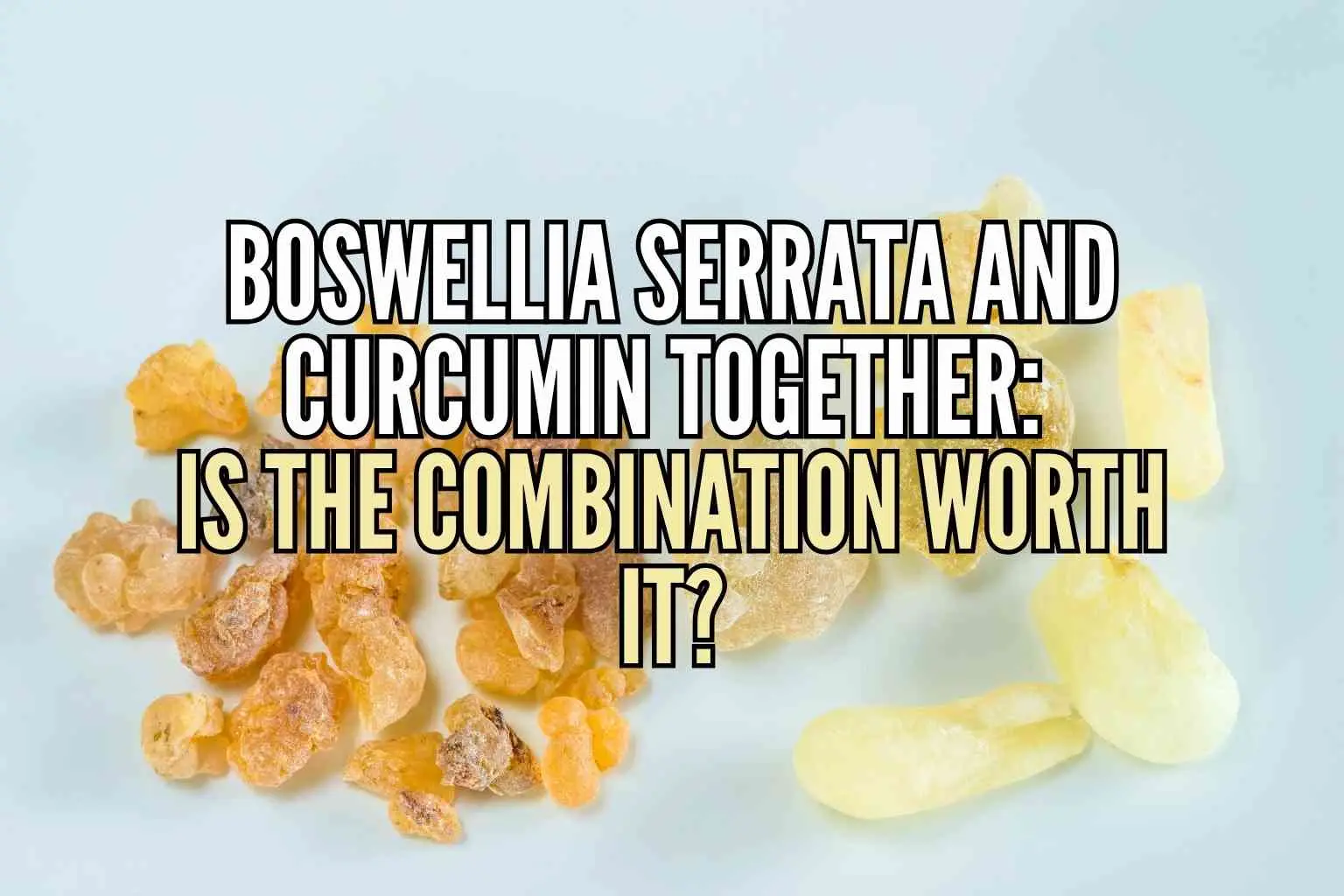
Boswellia serrata and curcumin together is one of the most searched combinations in the joint supplement space — and for good reason. Both ingredients are anti-inflammatory. Both have clinical data behind them. The natural question is whether taking them together adds anything, or whether you are just doubling up on the same mechanism.
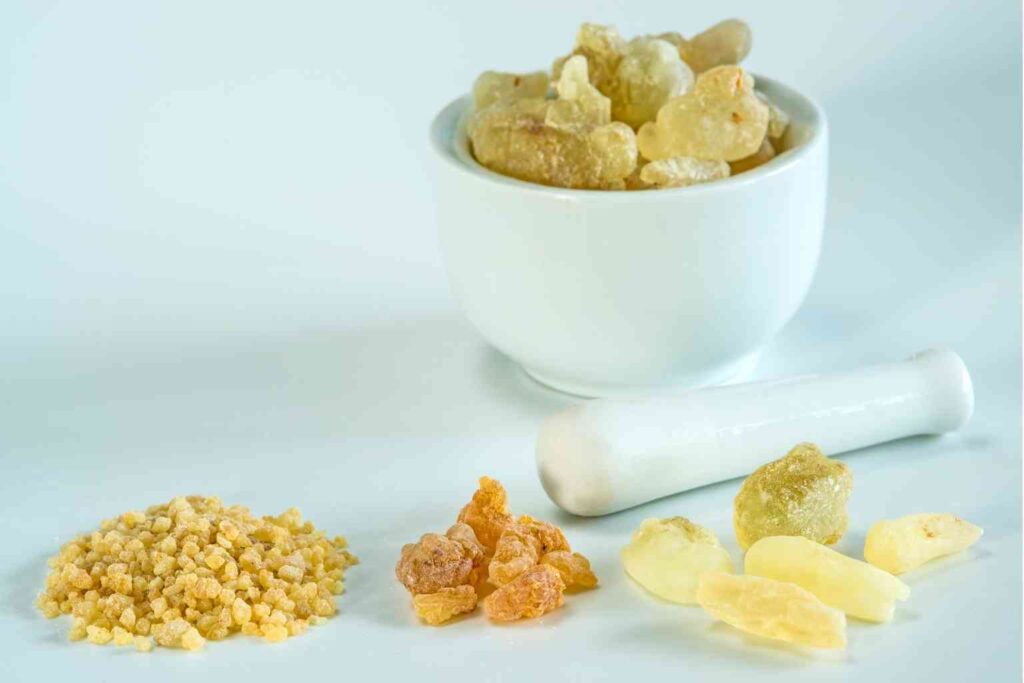
The answer is synergy, not redundancy. Boswellia serrata inhibits 5-lipoxygenase (5-LO) and reduces leukotriene production. Curcumin primarily targets COX-2 and NF-κB — a separate but complementary set of inflammatory pathways. These mechanisms do not overlap. They converge on different points of the same inflammatory cascade, which is exactly why researchers have tested the combination directly rather than assuming one cancels the other out.
One practical qualifier: synergy on paper means little if the doses in a product are insufficient. The clinical evidence for the combination was generated at specific extract concentrations — not at token doses stacked for label appeal.
What the Research Shows About Boswellia Serrata and Curcumin Together
The most direct evidence comes from a 2018 randomized, double-blind, placebo-controlled study published in BMC Complementary and Alternative Medicine (Haroyan et al.), which compared curcumin alone, boswellia alone, and the combination of boswellia serrata and curcumin together in osteoarthritis patients. The combination arm produced improvements in pain and functional scores that were comparable to — and in several measures exceeded — either ingredient used in isolation.
A 2018 systematic review and meta-analysis published in Seminars in Arthritis and Rheumatism (Bannuru et al.) evaluated curcumin and boswellia separately and as a combination for knee osteoarthritis, concluding that both ingredients demonstrated efficacy, and that the combination was among the more defensible multi-ingredient approaches in the natural joint health category.
The mechanistic logic holds up to scrutiny: blocking both the leukotriene pathway (boswellia) and the prostaglandin/NF-κB pathway (curcumin) addresses more of the inflammatory cascade than either ingredient alone. For a full breakdown of how boswellia serrata works independently, the ingredient post covers the complete evidence base including MMP-3 reduction and NF-κB suppression data.
Factors That Affect How Well Boswellia Serrata and Curcumin Work Together
The combination produces meaningful results in clinical settings — but several variables determine whether that translates to the supplement you actually take:
Curcumin bioavailability. Standard curcumin powder has notoriously poor absorption. Studies using the combination relied on enhanced-delivery curcumin forms — phospholipid complexes, piperine combinations, or nanoparticle formats. A product pairing high-quality boswellia with poorly absorbed curcumin powder misses the mechanistic rationale entirely.
Boswellia standardization. As with single-ingredient use, the boswellia component needs to specify AKBA content — not just total boswellic acids or raw milligrams. Unstandardized powder produces unpredictable active compound delivery.
Dose of each ingredient. The Haroyan trial used 500mg of curcumin and 100mg of boswellia extract daily. Products that list both ingredients at decorative doses — 50mg of each in a proprietary blend — will not replicate the trial conditions.
Consistency over time. Both ingredients require daily use across 60–90 days for cumulative anti-inflammatory effects to build. This is not a stack that produces results on demand.
What To Look For in a Supplement
If evaluating a product that combines both ingredients, three criteria matter most:
Curcumin delivery form. Look for terms like phytosome, phospholipid complex, or a declared piperine/bioperine pairing. Plain curcumin extract without a bioavailability enhancer is a red flag in any serious combination formula.
AKBA specification on boswellia. The label should state AKBA percentage — 20–30% is the clinically relevant range in most published research.
Transparent individual doses. Proprietary blends that list both ingredients under a single combined milligram number make it impossible to evaluate whether either ingredient is dosed at a clinically meaningful level.
One product that combines boswellia serrata with complementary joint-support ingredients in a transparent, standardized formula is Joint Genesis. If you want to understand exactly how the formula is built and what each ingredient contributes, the full review of Joint Genesis covers the complete breakdown.
Bottom Line
Boswellia serrata and curcumin together is not a redundant combination — it is a mechanistically justified one, supported by at least two published clinical trials showing the combination outperforms either ingredient in isolation for osteoarthritis outcomes. The key is sourcing a product where both ingredients are present at standardized, clinically relevant doses with verified bioavailability. Without that bar, the synergy stays theoretical.
Looking for more answers about boswellia serrata? You might also find these useful:
→ How long does boswellia serrata take to work — onset, timeline, and what to realistically expect
→ Boswellia serrata side effects with long-term use: what the clinical data shows
This post is for informational and educational purposes only and does not constitute medical advice. Boswellia serrata and curcumin are dietary supplements and have not been evaluated by the FDA for the diagnosis, treatment, cure, or prevention of any disease. Individual results vary. If you are pregnant, breastfeeding, taking prescription medications, or managing a diagnosed health condition, consult a qualified healthcare provider before adding any supplement to your routine.