

The most reported beetroot supplement side effects — red or pink urine and mild digestive discomfort — are harmless for the vast majority of people. The kidney stones question is different. Beetroot is moderately high in oxalates, and for individuals already predisposed to calcium oxalate stone formation, regular supplementation does warrant physician guidance. For everyone else, beetroot supplement side effects kidney stones risk at standard doses is low, and the clinical safety profile across multiple trials has been consistently favorable.
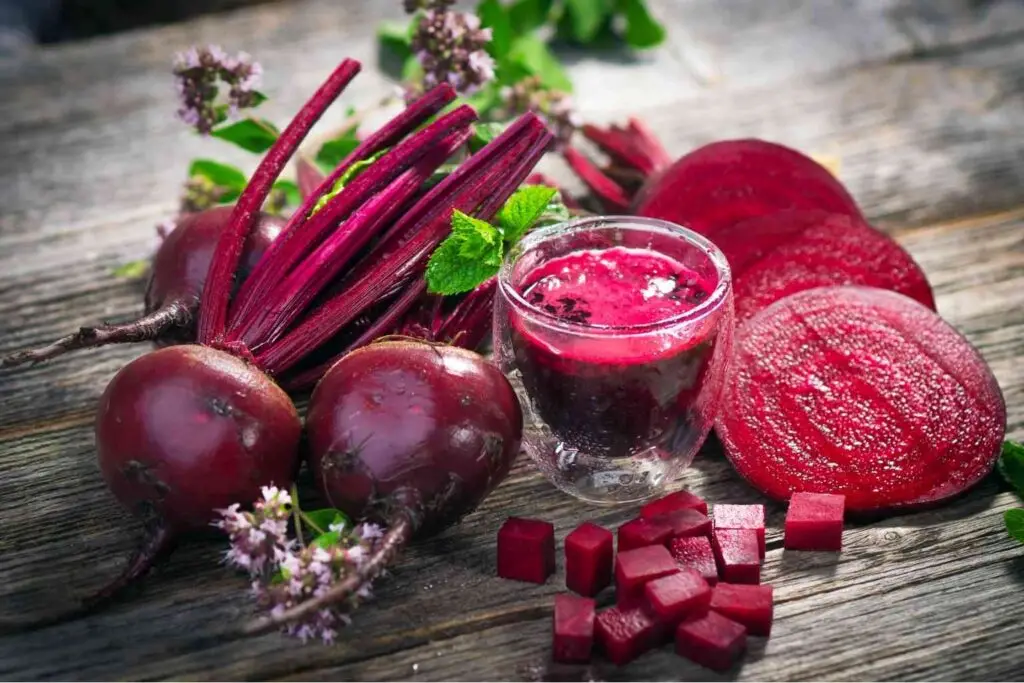
Knowing which effects are biological curiosities and which are real clinical signals is what this post is here to clarify.
What the Research Shows About Beetroot Supplement Side Effects and Kidney Stones
Beetroot supplement side effects kidney stones concern stems from oxalate content. Beetroot is moderately high in oxalates, and elevated urinary oxalate excretion is a documented risk factor for calcium oxalate stone formation in genetically susceptible individuals. A 2019 dietary oxalate review confirmed that high-oxalate foods consistently increase urinary oxalate in stone formers — and beetroot falls into that category.
Beyond oxalates, the two other effects most commonly reported are pigment-related and gastrointestinal.
Beeturia — red or pink urine after consuming beetroot — occurs in roughly 10–14% of the population. It results from unmetabolized betacyanins, the pigment compounds responsible for beetroot’s deep red color, being excreted in urine. Whether it occurs depends on stomach acid levels, gut transit speed, and individual variation in intestinal absorption. It is entirely benign. If it happens to you, you are absorbing more unmetabolized pigment — not losing blood, not experiencing organ damage.
Gastrointestinal effects — bloating, loose stools, or cramping — are occasionally reported with concentrated beetroot juice at higher doses. Starting with a lower dose and building up over several days typically resolves this.
For the full breakdown of beetroot’s safety profile and clinical evidence across different populations, the beetroot benefits guide covers every mechanism and precaution in detail.
Factors That Affect Beetroot Supplement Side Effects Kidney Stones Risk
Personal or family history of kidney stones. Calcium oxalate stones are the most common type, and individuals with a history of them are the primary group for whom regular beetroot supplementation warrants physician guidance before starting. For everyone without this history, oxalate from beetroot at typical dietary doses is not a documented concern.
Form and dose. Whole beetroot and cold-pressed juice retain more oxalate than some processed powders. Higher doses mean higher oxalate load — which matters specifically for stone-prone individuals, not for the general population.
Hydration status. Oxalate concentration in urine is directly affected by fluid intake. Adequate hydration reduces urinary oxalate concentration regardless of dietary source — a simple and practical mitigating factor for anyone monitoring their intake.
Medication interactions. Beetroot also lowers blood pressure through nitric oxide-mediated vasodilation. If you are on anti-hypertensive medication, the interaction risk is separate from the kidney stone question but equally worth discussing with your physician before supplementing.
If you want the full picture on who benefits most from beetroot and which populations should exercise caution, read the complete beetroot benefits guide — the safety and precautions section addresses both oxalate risk and medication interactions in depth.
What To Look For in a Supplement
If you are evaluating beetroot products with side effects in mind, two label details matter most.
Look for nitrate content specified per serving — not just total beetroot powder milligrams. This lets you control dose more precisely, which is especially relevant for stone-prone individuals trying to manage oxalate intake carefully. Standardized capsule extracts are easier to titrate than concentrated juice shots.
A product manufactured in a GMP-certified facility with third-party testing ensures that label claims reflect actual contents — which matters when you are making decisions based on specific dose thresholds.
Spartamax is a male performance formula that includes beet root alongside L-Arginine, Tongkat Ali, and other circulation-supporting ingredients. If you are weighing a multi-ingredient formula that contains beetroot and want to understand exactly how it is dosed, the full Spartamax review covers every ingredient in detail. To check current pricing and the guarantee, visit the official Spartamax website directly.
Bottom Line
Beetroot supplement side effects kidney stones risk is real — but it applies specifically to individuals with a personal or family history of calcium oxalate stones, not to the general population. Red urine is harmless and affects roughly one in ten people due to pigment absorption differences. Mild digestive discomfort resolves with dose adjustment. If you have a stone history, talk to your physician before supplementing regularly. If you do not, the clinical safety profile of beetroot at standard doses is well-established and consistently favorable.
Looking for more answers about beetroot? You might also find these useful:
→ What’s the best time to take a beetroot supplement — and does dose timing affect side effect risk — how you structure your daily dose affects both efficacy and digestive tolerance. This post explains the protocols that reduce side effect risk while maintaining results.
→ Beetroot and blood pressure medication interaction: what you need to know before combining them — if you are on anti-hypertensive medication and also concerned about side effects, this post addresses the separate but equally important interaction risk for that group.
Disclaimer: The content on this page is for informational and educational purposes only and does not constitute medical advice. Beetroot supplements are not intended to diagnose, treat, cure, or prevent any disease or health condition. Individual results vary. If you have a history of kidney stones, are taking prescription medications, are pregnant, nursing, or managing a diagnosed health condition, consult your physician before adding any new supplement to your routine. Statements about dietary supplements have not been evaluated by the Food and Drug Administration.