
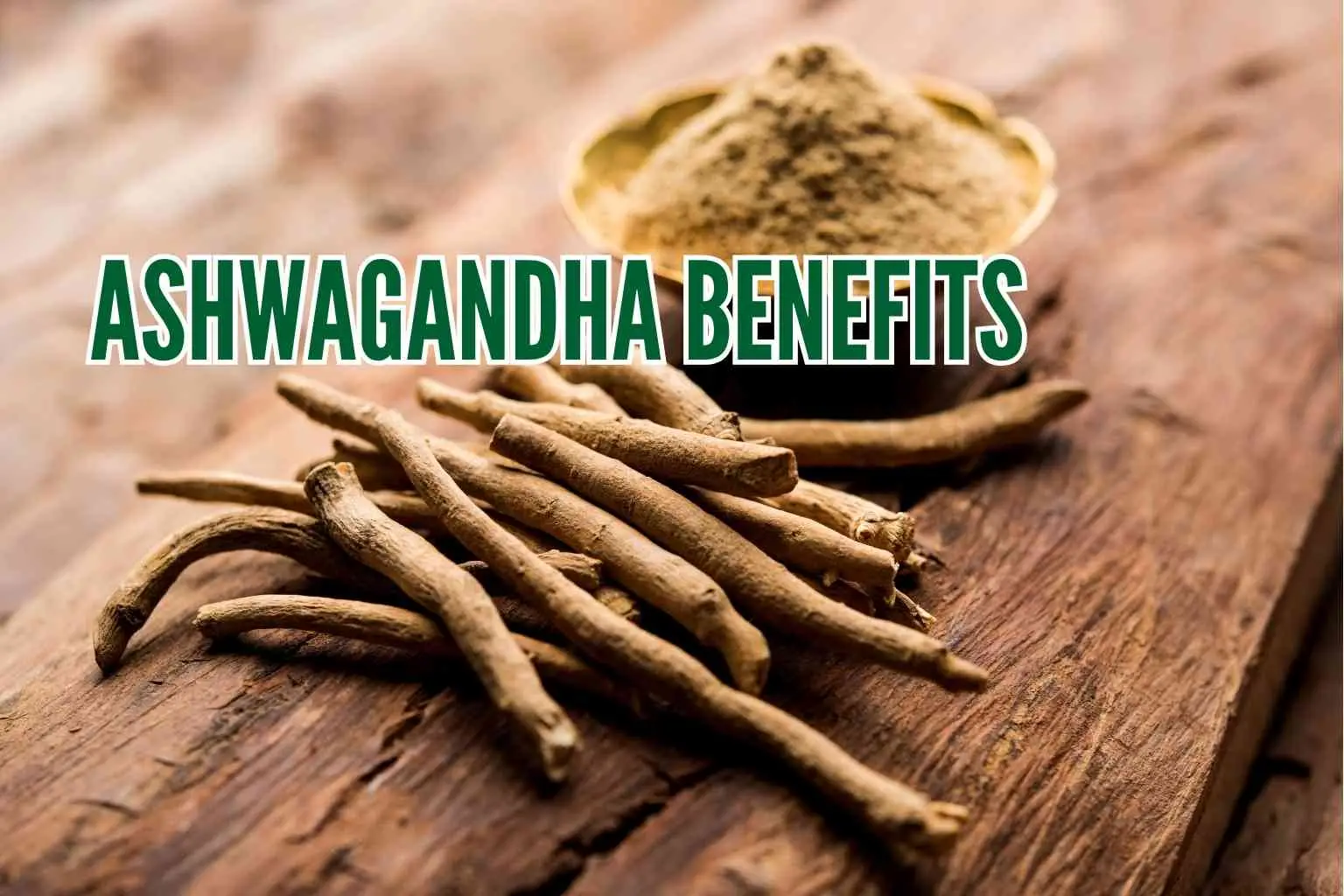
There is a moment in the supplement industry when a traditional ingredient stops being something specialists discuss and starts appearing everywhere — in energy drinks, gummies, sleep formulas, protein powders, and men’s health stacks. Ashwagandha crossed that line years ago. Today it is among the fastest-growing supplement ingredients globally, with consumer awareness growing from 67% to 83% in the United States between 2023 and 2025 alone.
But widespread popularity doesn’t automatically mean widespread effectiveness. And in a category where marketing budgets often outpace clinical evidence, the question that matters isn’t ‘is ashwagandha popular?’ — it’s ‘does ashwagandha actually work, and for what?’ In this guide, we go through the science in detail: the mechanisms, the published clinical trial data across five benefit areas, what honest expectations look like, how extract quality affects everything, and who actually stands to benefit from adding it to their routine.
What Is Ashwagandha? Origin, Varieties, and How It Got Here
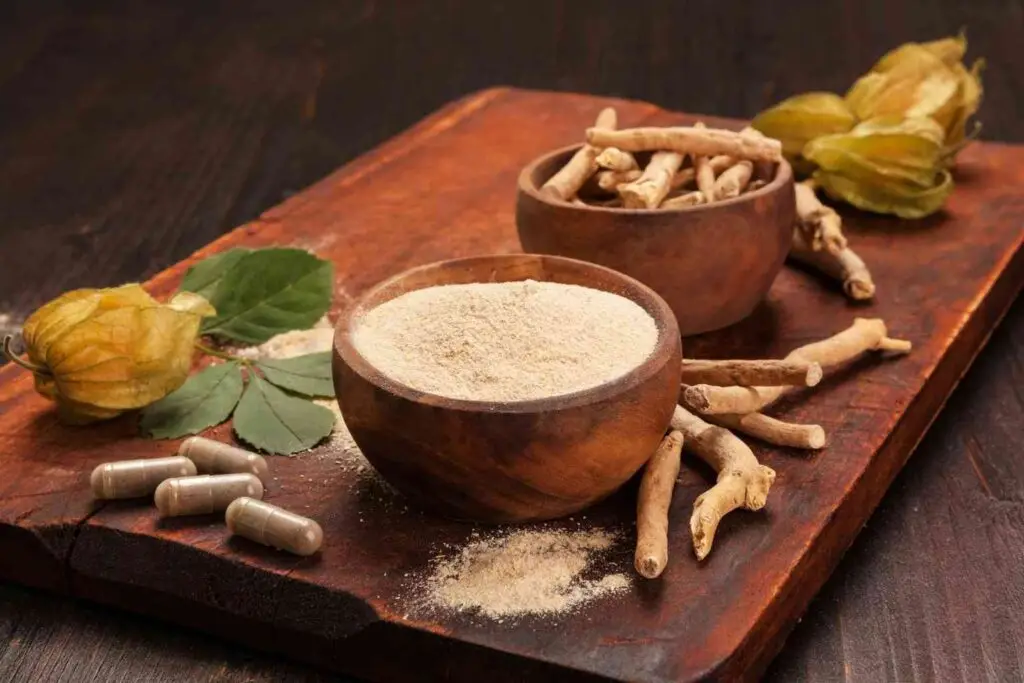
Ashwagandha (Withania somnifera) is a small shrub in the nightshade family native to India, the Middle East, and parts of Africa and the Mediterranean. Its Sanskrit name breaks into ashwa (horse) and gandha (smell) — a reference to both the root’s distinctive earthy odor and the traditional claim that consuming it would confer the strength and vitality of a horse. It belongs to a class of plants called rasayanas in Ayurvedic medicine — rejuvenating tonics prescribed for longevity, reproductive health, and overall vitality — and has been used for over 3,000 years.
What separates ashwagandha from most traditional herbs that never make it to the scientific literature is that it has been studied extensively and rigorously. The transition from folk remedy to clinically researched ingredient happened gradually across decades, driven largely by a growing understanding of its primary bioactive compounds — the withanolides — and their surprisingly complex interaction with multiple physiological systems simultaneously.
KSM-66 vs. Sensoril vs. Raw Root Powder — Why Extract Form Matters
The extract form matters enormously when evaluating whether a product will actually deliver the benefits documented in research. Most published clinical trials have used one of two standardized extracts, and understanding the difference helps you read supplement labels with more precision.
• KSM-66 is a full-spectrum root extract standardized to ≥5% withanolides, produced through a proprietary water-based extraction process that preserves the natural balance of constituents found in the root. It is the most widely studied form, appearing in the majority of published human trials on ashwagandha for stress, testosterone, sleep, and athletic performance. If you see KSM-66 on a label, you know the dose is backed by specific clinical research.
• Sensoril is extracted from both the root and leaves of the plant, yielding a higher withanolide concentration (≥10%) and requiring smaller doses. It has its own body of clinical research — particularly for stress, sleep, and cognitive function — and is often preferred in formulas targeting lower-dose protocols.
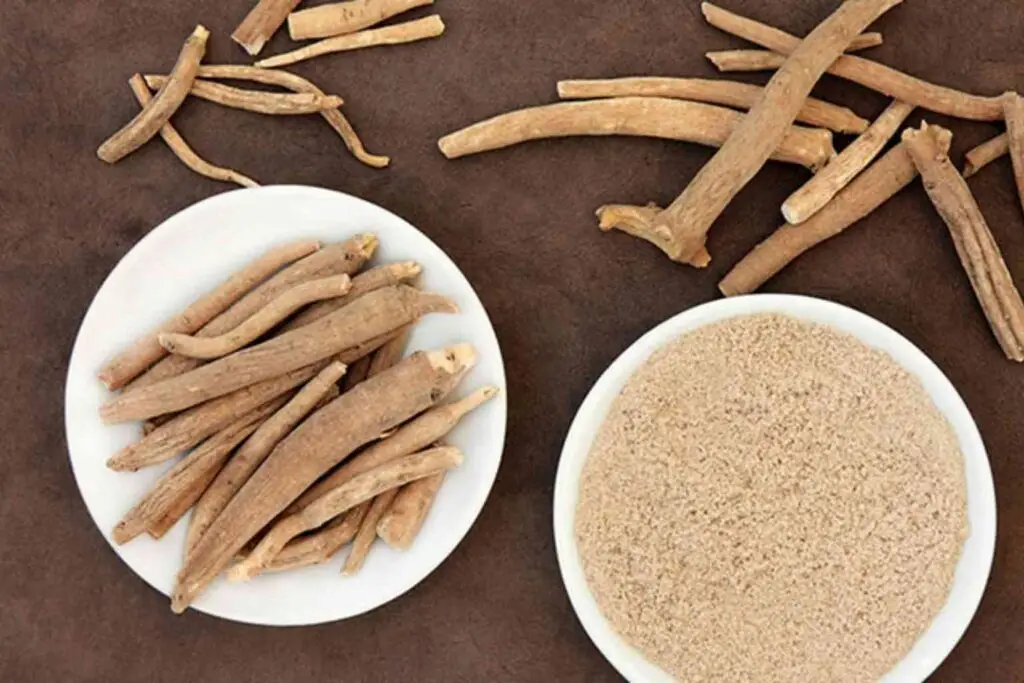
• Generic ashwagandha root powder has highly variable withanolide content depending on the plant variety, growing conditions, and processing method. Products using generic powder may contain meaningful amounts of active compounds — or very little. Without standardization data, there’s no reliable way to predict potency. This is why spending slightly more for a product with KSM-66 or Sensoril listed is generally worthwhile.
Throughout this guide, when we reference clinical research, we will specify which extract form was studied — because results from a KSM-66 trial don’t automatically apply to a product using generic root powder.
How Does Ashwagandha Work? The Core Mechanisms
Ashwagandha’s effects span such different domains — stress, hormones, sleep, exercise, and cognition — because its bioactive compounds operate through several distinct but interconnected mechanisms. Understanding these mechanisms is the key to understanding why the research results look the way they do.
1. HPA Axis Modulation — The most well-established mechanism. The hypothalamus-pituitary-adrenal (HPA) axis is the system that governs your body’s stress response and cortisol release. In healthy acute stress situations, this system works perfectly: cortisol spikes, you respond to the stressor, and cortisol normalizes. In chronic stress — which describes most modern adults — this system becomes dysregulated. Cortisol stays chronically elevated, and the downstream consequences are significant: testosterone suppression, disrupted sleep architecture, impaired memory consolidation, increased abdominal fat storage, and immune dysregulation. Ashwagandha’s withanolide compounds help normalize HPA axis activity, reducing baseline cortisol and improving the body’s recovery from stress events.
2. GABA-Mimetic Activity — Certain withanolide compounds in ashwagandha — particularly withaferin A and specific alkaloids — bind to GABA receptors in the brain. GABA (gamma-aminobutyric acid) is the brain’s primary inhibitory neurotransmitter, responsible for reducing neural excitability and promoting calm. This is the same receptor system targeted by benzodiazepines and other anxiolytic medications, but ashwagandha’s action is gentler and does not appear to carry the dependency or tolerance risks associated with pharmaceutical GABA modulators. This mechanism is central to ashwagandha’s effects on anxiety, sleep onset, and nervous system down-regulation.
3. Testosterone Pathway Support — Ashwagandha’s effects on male hormonal health work through two pathways. The primary one is cortisol reduction: elevated cortisol directly suppresses Leydig cell function — the testicular cells responsible for testosterone synthesis. By reducing cortisol, ashwagandha removes a major brake on testosterone production. The secondary pathway involves direct effects on luteinizing hormone (LH) signaling, which stimulates testicular testosterone production. Together, these mechanisms explain why ashwagandha consistently shows testosterone benefits in stressed, sleep-deprived, or otherwise physiologically taxed male subjects — but shows less dramatic effects in men with already healthy cortisol and testosterone levels.
4. Antioxidant and Anti-inflammatory Activity — Withanolides, including withaferin A, demonstrate significant antioxidant and anti-inflammatory properties in research settings, inhibiting NF-kB signaling pathways and reducing pro-inflammatory cytokines. These effects have particular relevance for exercise recovery (reducing training-induced oxidative stress), cognitive protection (reducing neuroinflammation), and the broader anti-aging potential that has attracted longevity researchers to ashwagandha in recent years.
5. Triethylene Glycol (for Sleep) — This compound, found specifically in ashwagandha leaves rather than the root, has been identified as the primary active agent for ashwagandha’s sleep-inducing properties. It appears to induce non-rapid eye movement (NREM) sleep through pathways distinct from the GABA mechanism — explaining why ashwagandha’s sleep benefits can be observed at different doses and extract types than its stress benefits.
Ashwagandha Benefits: What Clinical Trials Actually Show
1. Stress and Anxiety Reduction
This is the most robustly supported of all ashwagandha’s claimed benefits — and the area where the gap between what the supplement industry claims and what the science actually shows is smallest. The evidence is genuinely good.

The most frequently cited trial — a 2012 double-blind, randomized, placebo-controlled study published in the Indian Journal of Psychological Medicine — enrolled 64 adults with chronic stress and assigned them to either 300mg of KSM-66 extract twice daily or placebo for 60 days. The ashwagandha group showed a 44% reduction in scores on the Perceived Stress Scale versus 5.5% in the placebo group. Serum cortisol levels in the supplement group dropped by 27.9%. These are large, statistically significant, and clinically meaningful differences for a botanical compound — larger than many pharmaceutical stress interventions show in healthy adults.
A 2019 study in Medicine found that 240mg of a standardized ashwagandha extract daily for 60 days produced significant reductions in anxiety scores (measured by the Hamilton Anxiety Scale), morning cortisol levels, and blood pressure compared to placebo. A separate 2019 trial in Medicine using 300mg of KSM-66 twice daily confirmed reduced stress, anxiety, and cortisol — along with improved sleep quality, which the researchers attributed to the cortisol normalization.
Honest caveat: these trials involve generally healthy adults with elevated perceived stress — not people with diagnosed anxiety disorders. Ashwagandha is not a substitute for professional mental health treatment in clinical conditions, and its anxiolytic effects, while consistent, are milder than pharmaceutical anxiolytics.
2. Testosterone and Male Sexual Health
The testosterone conversation around ashwagandha is real but frequently overstated, and the nuance matters. The mechanism — cortisol-mediated testosterone support — means ashwagandha’s hormonal effects are most meaningful in men whose testosterone has been suppressed by chronic stress, poor sleep, or other physiological stressors. It is not a direct testosterone booster in the pharmaceutical sense.

Medicine assessed 300mg of KSM-66 twice daily in men with low sperm count. After 90 days, the ashwagandha group showed significant increases in serum testosterone (14.7% increase), serum antioxidant status, and sperm quality — alongside significant reduction in cortisol. The correlation between cortisol reduction and testosterone increase was notably consistent across subjects.
Health Science Reports examined sexual function specifically: 300mg of ashwagandha root extract twice daily for eight weeks produced significant improvements in sexual desire, arousal, lubrication, orgasm, and overall satisfaction scores in adult males. Serum testosterone increased significantly versus baseline, with effects becoming apparent within the first four weeks of use.
Where the evidence is weaker: head-to-head comparisons with direct androgen modulators like Tongkat Ali consistently show that Tongkat Ali produces larger testosterone increases. Ashwagandha’s value in male health formulas is its complementary role — managing the cortisol suppression of testosterone while other ingredients work on direct testosterone pathways.
3. Sleep Quality
PLOS ONE assessed 600mg of ashwagandha root extract over eight weeks in both adults with insomnia and healthy adults with self-reported sleep concerns. The ashwagandha group showed statistically significant improvements in:
• Sleep onset latency (time to fall asleep) — reduced significantly
• Total sleep time — increased significantly
• Sleep efficiency — improved significantly
• Morning alertness scores — improved significantly
• Mental alertness on rising — significantly better in supplement group

Critically, these effects were observed in both the clinical insomnia subgroup and the generally healthy adults — suggesting ashwagandha’s sleep benefits are not limited to people with sleep disorders. The mechanism is multi-layered: triethylene glycol from the leaf fraction promotes NREM sleep directly, while root fraction GABA-mimetic activity reduces the nervous system activation that prevents sleep onset.
4. Exercise Performance and Physical Recovery
Journal of the International Society of Sports Nutrition enrolled 57 men in a resistance training program and assigned them to either 300mg of KSM-66 twice daily or placebo for eight weeks. Outcomes measured:
• Bench press: ashwagandha group gained significantly more strength (+46.9 lb vs +26.4 lb in placebo)
• Leg extension: significantly greater strength gains in supplement group
• Muscle recovery: ashwagandha group reported significantly less exercise-induced muscle damage
• Testosterone: significant increase in supplement group
• VO₂ max: significantly improved in supplement group

The mechanisms behind these physical performance effects are synergistic: lower cortisol reduces catabolism and supports the anabolic environment needed for muscle growth; higher testosterone further supports muscle protein synthesis; and ashwagandha’s antioxidant activity reduces the oxidative stress that accumulates with intense training and slows recovery.
5. Cognitive Function and Memory

Journal of Dietary Supplements tested 300mg of KSM-66 twice daily for eight weeks in adults with mild cognitive impairment. The ashwagandha group showed statistically significant improvements across multiple cognitive domains:
• Immediate and general memory — significantly improved
• Executive function — significantly improved
• Sustained attention — significantly improved
• Information processing speed — significantly improved
The proposed mechanism is twofold: ashwagandha’s antioxidant protection reduces the oxidative damage to neural tissue that contributes to cognitive decline, while cortisol normalization removes a major inhibitor of hippocampal neurogenesis (new brain cell formation) and memory consolidation. Chronically elevated cortisol is one of the most well-documented suppressors of cognitive performance — which means reducing it reliably produces cognitive improvements in stressed individuals.
KSM-66 vs. Sensoril: Which Form Is Right for You?
Both KSM-66 and Sensoril have legitimate clinical research behind them, but they’re optimized for slightly different use cases:
| KSM-66 | Sensoril | |
| Source | Root only | Root + Leaves |
| Withanolides | ≥5% | ≥10% |
| Typical dose | 300–600mg/day | 125–250mg/day |
| Best studied for | Testosterone, exercise performance, stress | Sleep, stress, cognitive function |
| Most research? | Yes — more published trials | Solid but smaller literature |
For general use covering stress, testosterone, and sleep together, KSM-66 at 300–600mg daily is the better-evidenced choice. For products emphasizing sleep and stress at lower doses, Sensoril’s higher withanolide concentration makes it efficient at smaller amounts.
Who Can Benefit Most from Ashwagandha?
Based on the clinical evidence, the people most likely to notice meaningful and consistent benefits are:
• Adults experiencing chronic stress — where the HPA axis dysregulation, elevated cortisol, and its downstream effects on energy, sleep, mood, and body composition are the primary problem
• Men over 35 dealing with stress-driven testosterone suppression — particularly those noticing reduced energy, drive, exercise performance, or libido that correlates with high-stress periods
• People with poor sleep onset or reduced sleep quality — especially where a hyperactive, over-stimulated nervous system is the primary barrier to falling asleep
• Athletes and physically active adults — seeking natural support for training recovery, strength gains, and endurance without stimulants
• Adults experiencing mild cognitive slowdown — particularly the kind of mental fog, slower recall, and reduced focus that accompanies chronic stress and poor sleep
• Anyone seeking a non-stimulant daily adaptogen — ashwagandha’s benefits compound gradually over weeks and months without the peaks and crashes of stimulant-based approaches
Conversely, ashwagandha is likely less impactful for: people with already-low baseline cortisol, those with clinically diagnosed anxiety or depression requiring pharmaceutical management, individuals looking for immediate performance effects (it’s a cumulative compound), and people in good metabolic and hormonal health with no specific stressors driving imbalance.
Ashwagandha in Modern Supplements: Two Formulas, Two Contexts
For Male Performance and Sexual Health — Spartamax
Ashwagandha is one of seven core ingredients in Spartamax, a daily male performance gummy formula. Within this multi-ingredient stack, ashwagandha’s role is specifically the cortisol and stress-layer management that makes the entire male performance formula work better. Tongkat Ali at 200mg — dosed at the level used in clinical trials — handles the direct testosterone support pathway. Maca root addresses desire and drive through independent endocannabinoid mechanisms. Ashwagandha addresses the stress-cortisol suppression that would otherwise blunt both pathways. The combination is genuinely complementary: each ingredient covers a different root cause of the same problem, rather than three ingredients competing for the same mechanism.

For Prostate Health and Men’s Wellness — ProstaVive
In ProstaVive, a daily powder formula targeting both urinary comfort and broader male vitality, ashwagandha contributes its sleep quality and stress-reduction properties to what is fundamentally a ‘whole-man’ wellness formula. The target user — men over 40 experiencing the combination of nighttime bathroom trips, disrupted sleep, lower energy, and fading confidence — is experiencing multiple interconnected problems where ashwagandha’s HPA axis normalization provides meaningful support alongside Nettle Root’s urinary and prostate contributions, and the formula’s other male vitality ingredients. It’s not positioned as the lead ingredient, but it’s one of the reasons the formula addresses more than just one symptom.

Dosage, Timing, and Safety — The Practical Picture
Dosage
Effective research dose: 300–600mg daily of standardized extract (KSM-66 or Sensoril). The lower end of this range (300mg/day) produces meaningful benefits in most studies; higher doses (600mg) show stronger effects on testosterone and exercise performance in some trials. Doses above 600mg daily do not appear to produce proportionally greater benefits based on available evidence.
Timing: Depends on your primary goal. Morning dosing supports cortisol normalization and daytime stress management. Evening dosing (1–2 hours before bed) leverages the GABA-mimetic and sleep-promoting effects. Splitting the dose — 300mg morning, 300mg evening — is the approach most commonly used in clinical trials targeting multiple benefits simultaneously.
Onset timeline: Noticeable effects on stress and sleep quality typically emerge within 2–4 weeks. More significant changes in testosterone, exercise performance, and cognitive function generally require 6–12 weeks of consistent daily use. Stopping and restarting resets the timeline — ashwagandha’s benefits are cumulative.
Safety and Precautions
For generally healthy adults, ashwagandha has a well-established safety record — consistent with thousands of years of traditional use and supported by modern clinical trials showing no significant adverse events at standard doses. The most commonly reported side effect is mild gastrointestinal discomfort, particularly at higher doses; taking it with food resolves this in most cases.
Important precautions:
• Thyroid conditions: Ashwagandha can elevate thyroid hormone levels. Anyone taking thyroid medication (levothyroxine or similar) must consult their physician before starting, as ashwagandha can significantly alter required dosing.
• Pregnancy: Contraindicated. Ashwagandha has historically been used to stimulate uterine contractions and should be avoided throughout pregnancy.
• Autoimmune conditions: Ashwagandha stimulates immune function, which can worsen autoimmune conditions like lupus, rheumatoid arthritis, or multiple sclerosis. Consult a physician before use.
• Sedatives and anxiolytics: Due to GABA-mimetic activity, ashwagandha may interact additively with benzodiazepines, sleep medications, and other nervous system depressants.
• Immunosuppressants: May interfere with immunosuppressant therapy due to its immune-stimulating properties.
Frequently Asked Questions
How long does ashwagandha take to work?
Initial improvements in stress perception and sleep onset quality are typically noticed within 2–4 weeks of consistent daily use. More substantial changes — in testosterone levels, exercise performance metrics, and cognitive function — generally require 6–8 weeks minimum. Clinical trials that showed the strongest results ran for 8–12 weeks. Ashwagandha is not a compound that produces rapid, same-day effects — it works gradually by normalizing dysregulated physiological systems.
Is KSM-66 ashwagandha better than regular ashwagandha?
For most people and most goals, yes — significantly so. KSM-66 is a full-spectrum root extract with verified withanolide content (≥5%) and a substantial clinical trial database behind it. Generic ashwagandha root powder has highly variable active compound content with no guaranteed potency. When you buy a product listing KSM-66, you’re getting a dose aligned with what was actually tested in published human trials. That matters enormously for predicting whether you’ll see results.
Does ashwagandha really raise testosterone?
It can — primarily by reducing cortisol, which suppresses testosterone production when chronically elevated. The testosterone increases documented in clinical trials are meaningful for men with stress-related testosterone suppression (common in adults over 35 with demanding lifestyles) but less dramatic than direct androgen modulators or pharmaceutical interventions. Ashwagandha is not testosterone replacement therapy. Its value for male hormonal health is most significant when cortisol-driven suppression is the underlying issue.
Can women take ashwagandha?
Yes — the stress reduction, sleep quality, and cognitive benefits are not sex-specific, and multiple clinical trials have included female participants with similar results to male groups. Ashwagandha should be avoided during pregnancy. Women with hormone-sensitive conditions or on hormonal medications should consult their physician before starting.
Should I take ashwagandha in the morning or at night?
Morning dosing is best for HPA axis normalization and daytime cortisol management. Evening dosing (1–2 hours before bed) is better for sleep quality benefits. For comprehensive coverage, splitting the dose — morning and evening — is how most clinical trials designed their protocols. Start with one dose and adjust based on what you notice.
Does ashwagandha cause weight gain?
No documented direct weight gain effect exists for ashwagandha. By reducing chronically elevated cortisol — which promotes abdominal fat storage and drives cravings — ashwagandha may actually support healthier body composition over time. Some users notice minor temporary changes in water retention as cortisol normalizes, but this resolves within weeks.
How does ashwagandha compare to other adaptogens like rhodiola or eleuthero?
Each adaptogen has a different primary mechanism and strength area. Rhodiola rosea is best studied for acute mental fatigue and exercise endurance, with faster-acting effects than ashwagandha but less evidence for testosterone and hormonal benefits. Eleuthero (Siberian ginseng) has the longest traditional history but the thinnest modern clinical literature. Ashwagandha has by far the largest body of high-quality human clinical trials in the adaptogen category, particularly for stress, sleep, testosterone, and exercise performance — which is a major reason for its current market dominance.
Is it safe to take ashwagandha every day long-term?
Based on available evidence, ashwagandha appears safe for daily use over periods of at least 12 weeks — the longest duration most published trials have run. Very long-term use (years) lacks systematic clinical data. Some integrative practitioners recommend cycling — 8–12 weeks on, a short break — as a precaution, particularly for preserving sensitivity and monitoring for any tolerance effects, though there is no published evidence that this is necessary for most healthy adults.
The Bottom Line on Ashwagandha
Ashwagandha is one of the few traditional herbs where the clinical evidence is strong enough, consistent enough, and detailed enough to make credible recommendations — not just vague wellness promises. The stress and cortisol research is the most robust in the adaptogen category. The testosterone and male sexual health data is meaningful for the right population. Sleep benefits are well-supported. Exercise performance and cognitive effects add real value for active adults.
The honest caveats are equally important: effects are cumulative, not immediate. Extract quality makes or breaks results — look for KSM-66 or Sensoril. People with thyroid conditions, autoimmune disorders, or on certain medications need physician guidance. And the testosterone effects, while real, are modest compared to pharmaceutical interventions — ashwagandha works best as part of a multi-ingredient strategy addressing multiple root causes simultaneously.
For those curious about how ashwagandha functions within a complete male performance or wellness formula, our reviews of Spartamax and ProstaVive cover each formula’s approach in detail — including how ashwagandha is positioned alongside complementary ingredients, and what real users report after consistent use.
Disclaimer: This article is for informational and educational purposes only. It does not constitute medical advice. If you have thyroid conditions, autoimmune disorders, are pregnant, or take prescription medications, consult a qualified healthcare provider before starting ashwagandha supplementation.