
Here’s a frustrating truth about horny goat weed benefits that almost no content online addresses directly: the majority of supplements sold under this name don’t contain enough of the active compound to produce any measurable effect. You can read every review, compare every brand, and still end up with a bottle that delivers little more than the placebo benefit of believing you did something smart for your health. The ingredient itself has real science behind it. The products often don’t.

That gap is what this post is built around. Horny goat weed — scientifically known as Epimedium — has been used in traditional Chinese medicine for over 2,000 years, and in the last two decades, researchers have been putting its key active compound, icariin, under serious scrutiny. The findings are more interesting than most content admits, and more limited than most supplement marketing suggests. This post covers the complete picture: what icariin actually does in the body, what the research shows for each of the main uses, who is most likely to benefit from horny goat weed benefits, how to choose a supplement that’s actually dosed for effect, and the safety considerations that genuinely matter.
What Is Horny Goat Weed? More Than a Memorable Name
The name is hard to take seriously. That’s a problem, because the plant behind it has one of the longer documented histories in herbal medicine.
Horny goat weed refers to plants in the Epimedium genus — a group of over 50 low-growing perennial species native to Asia, with smaller populations in parts of Europe and Africa. In traditional Chinese medicine, preparations made from the leaves and stems of Epimedium species have been used for more than two millennia under the name yin yang huo, typically as a tonic for kidney energy, sexual vitality, and joint mobility.
The more colorful English name supposedly traces back to a Chinese goat herder who noticed increased mating activity in his flock after they grazed on the plant. Whether that story is apocryphal is almost beside the point. What matters is that centuries of observed use generated enough clinical curiosity that modern researchers eventually started asking whether the effects had a biological explanation. They did.
Epimedium and Icariin: The Active Compound That Does the Heavy Lifting
Over 200 chemical constituents have been identified across Epimedium species, including flavonoids, lignans, ionones, and sesquiterpenes. The compound driving most of the current scientific interest is icariin — a flavonol glycoside that researchers have identified as the primary bioactive molecule responsible for the cardiovascular, sexual, and skeletal effects attributed to horny goat weed.
Icariin is not uniform across all Epimedium species or even across different parts of the same plant. Concentrations vary significantly depending on the species harvested, the plant part used, how the extract was processed, and how the final product was standardized before packaging. This variability is the core issue with most commercial horny goat weed supplements.
The metabolite icaritin — the compound icariin breaks down into during digestion — appears to be responsible for much of the phytoestrogenic and bone-related activity researchers have observed. Understanding the distinction between icariin and icaritin matters when evaluating what a supplement is likely to do.
Horny Goat Weed Extract vs. Raw Herb: Why Standardization Changes Everything
This is the part most product pages bury or skip entirely.
Raw horny goat weed — plant material sold in loose tea or in capsules without standardization — contains highly variable amounts of icariin. In many cases, the icariin content is too low to produce any measurable physiological effect. A 2006 analysis in Asian Journal of Andrology reviewing the testosterone-mimetic properties of icariin identified effective doses in animal models that would require consuming quantities of raw herb far beyond what any standard supplement serving delivers.
Standardized horny goat weed extract, by contrast, is manufactured to contain a guaranteed percentage of icariin — typically 10%, 20%, or in more concentrated products, 40% or even 50%. The dose you’re actually getting depends entirely on which of these you’re buying.
A supplement labeled “Horny Goat Weed 500mg” without a standardization statement is delivering an unknown and likely insufficient amount of the compound responsible for this ingredient’s biological activity. Look for products that specify both total extract weight and icariin percentage. Everything else is guesswork.
Natural Food Sources of Horny Goat Weed
Horny goat weed is not a culinary plant. There are no meaningful dietary sources that provide icariin in amounts relevant to the effects discussed in this post.
The plant itself — Epimedium — is cultivated primarily as an ornamental garden perennial in Western countries and as a medicinal crop in parts of China and Korea. The leaves and stems are used in traditional preparations including yin yang huo tea, brewed from dried Epimedium leaves. The icariin content of brewed tea is generally too low to produce the effects documented in clinical and preclinical studies.
If you’re exploring horny goat weed for a specific health goal, a standardized supplement extract is the only practical delivery format that comes close to what the research has actually used.
How Does Horny Goat Weed Work? The Core Mechanisms
Six primary mechanisms have been proposed to explain the effects associated with icariin and horny goat weed benefits. Several of them interconnect through shared biological pathways.
PDE5 inhibition is the most researched mechanism. Icariin inhibits the enzyme phosphodiesterase type 5 in smooth muscle tissue, including the penile corpus cavernosum, in a manner structurally similar to sildenafil (Viagra). PDE5 normally degrades cyclic GMP, limiting blood flow into erectile tissue. By inhibiting PDE5, icariin supports greater blood flow. The inhibitory potency of icariin is substantially lower than pharmaceutical PDE5 inhibitors — but the mechanism is well-documented.
Nitric oxide synthase upregulation works alongside PDE5 inhibition. Icariin increases expression of both neuronal nitric oxide synthase (nNOS) and endothelial nitric oxide synthase (eNOS) in vascular tissue, supporting healthy blood vessel dilation throughout the body.
Testosterone-mimetic activity has been observed in animal studies. Icariin appears to interact with androgen receptor pathways and may influence sex hormone-binding globulin (SHBG) — the protein that binds testosterone and reduces its bioavailability. Reducing SHBG activity can theoretically increase free testosterone. Human evidence for this effect remains limited.
Phytoestrogenic activity via icaritin — the metabolite produced when icariin is digested — allows the compound to interact selectively with estrogen receptors. This is most relevant for bone metabolism in postmenopausal women, where reduced estrogen accelerates bone resorption.
Anti-inflammatory signaling through inhibition of inflammatory cytokines has been documented in cell studies. The flavonoid structure of icariin appears to modulate NF-κB pathways, which regulate inflammatory responses. This underlies the anti-arthritic and anti-rheumatic effects attributed to Epimedium in traditional use.
Neuroprotective and neurotrophic effects have been identified in preclinical research. Icariin has been shown to promote neurite outgrowth in cultured pelvic ganglia (PMC3551978, Journal of Sexual Medicine, 2013) and has been investigated for potential applications in neurological conditions including Alzheimer’s disease models. This mechanism also underlies some of the energy and cognitive effects associated with the ingredient.
Horny Goat Weed Benefits: What the Research Actually Shows
The honest summary: horny goat weed benefits are real at the preclinical level, real-but-limited at the clinical level, and supported by a single well-controlled human study in one specific application. Marketing typically overstates what we know. The blanket dismissal — “there’s no evidence for this” — understates it. Here’s what the data actually says.
1. Erectile Dysfunction and Blood Flow: The PDE5 Connection
The most widely discussed of the horny goat weed benefits is its potential role in supporting erectile function, and the underlying biology is the most thoroughly characterized.
A 2013 study published in The Journal of Sexual Medicine (PMC3551978) evaluated icariin in rats with cavernous nerve injury — the type of nerve damage commonly associated with post-surgical erectile dysfunction. Rats treated with daily icariin for four weeks showed significantly higher intracavernous pressure ratios compared to controls, along with greater expression of nNOS and calponin in penile tissue. Notably, low-dose icariin (1 mg/kg) outperformed both control and high-dose groups (10 mg/kg) on the primary functional measure. The same study documented neurotrophic effects in cultured pelvic ganglia. These are not trivial findings.
A 2012 controlled crossover trial published in African Journal of Traditional, Complementary and Alternative Medicine tested Cappra — a five-ingredient formula containing Epimedium — in 63 men with mild-to-moderate erectile dysfunction. The Cappra group showed modest improvement in erectile function scores over two weeks versus placebo. The multi-ingredient design limits attribution to icariin alone, but it represents one of the only human controlled trials in this space.
The critical caveat: icariin’s PDE5 inhibitory potency is substantially weaker than sildenafil. Pharmaceutical ED medications produce reliable, acute results in men with diagnosed dysfunction. Icariin’s effect, where present, appears to accumulate over weeks of consistent use. For men with clinical ED, prescription options remain the better-evidenced choice. For men seeking moderate, long-term circulatory support without a clinical diagnosis, the biology is at least plausible and the mechanism is real.
2. Testosterone and Libido: What the Animal Data Suggests
The testosterone-related horny goat weed benefits have a more complicated evidence profile than most content acknowledges.
A 2006 study in Asian Journal of Andrology (Zhang & Yang) documented testosterone-mimetic properties of icariin in rats. The icariin group showed higher serum testosterone compared to untreated controls — a genuine signal. The 2013 study (PMC3551978), however, found that icariin at doses above 1 mg/kg showed a dose-dependent suppressive effect on serum testosterone. Low-dose icariin outperformed both control and high-dose groups.
The pattern here is dose-dependency — a detail most supplement marketing ignores completely. Very high icariin concentrations in animal models don’t produce linearly better hormonal outcomes, and some concentrations appear counterproductive. Moderate icariin doses, from a well-formulated standardized extract, appear more aligned with the hormonal outcomes people are pursuing.
For libido specifically, a study involving 22 patients with chronic kidney disease found that an Epimedium-containing preparation improved self-reported sex drive and quality of life. Small, specific population — but one of the few human signals available on the direct libido question.
3. Bone Density in Women After Menopause: The Underreported Human Study
This is the single strongest piece of clinical evidence for any horny goat weed benefit — and it is almost entirely absent from mainstream content.
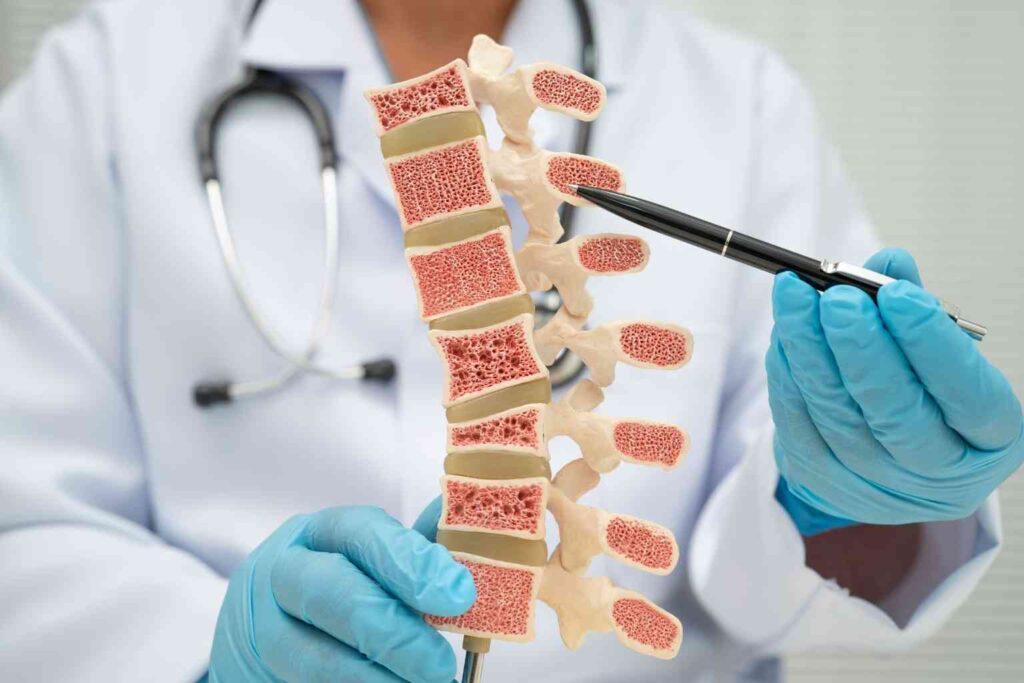
A controlled study examining icariin supplementation in postmenopausal women found that 60 mg of icariin daily produced a measurable reduction in bone resorption markers compared to controls. The mechanism is icaritin’s phytoestrogenic activity: after menopause, declining estrogen accelerates osteoclast activity and bone breakdown. Icaritin’s selective interaction with estrogen receptors in bone tissue appears to partially counteract this process, without the systemic estrogenic stimulation associated with conventional hormone replacement therapy.
A 2017 review confirmed that Epimedium demonstrated anti-osteoporosis properties in menopausal animal models, consistent with the human clinical signal.
This is the one application where a human dose is defined, the mechanism is well-characterized, and the clinical evidence exists. It makes horny goat weed one of the more credible botanical options for postmenopausal bone support — an application that essentially no supplement marketing addresses because the target audience is female and the framing doesn’t sell as well as “natural Viagra.”
4. Cardiovascular Support: Nitric Oxide, Blood Pressure, and Arterial Health
The same vasodilatory mechanisms that support erectile function have implications for broader cardiovascular health.

Icariin’s upregulation of eNOS promotes nitric oxide production in blood vessel walls, supporting healthy arterial dilation and blood pressure regulation. Clinical studies of Epimedium-containing preparations in patients with atherosclerosis — arterial hardening — have shown improvements in symptoms and clinical markers. The multi-ingredient nature of most of these preparations makes it difficult to attribute effects exclusively to icariin.
What can be said: the vasoactive mechanism is real, it affects systemic circulation, and it has implications beyond sexual function. This is also precisely why the drug interaction concerns around antihypertensives are genuine — anyone on blood pressure medications should discuss horny goat weed with a healthcare provider before starting, because the vasodilatory effects are not trivial.
5. Energy, Fatigue, and Cognitive Function: Brain Blood Flow as the Link
The horny goat weed benefits for energy are less studied than the sexual and skeletal applications, but the proposed mechanism is consistent with the broader pharmacology of icariin.
Increased cerebral blood flow via nNOS and eNOS upregulation is the same pathway that theoretically supports cognitive function and reduces fatigue. Preclinical research has investigated icariin’s neuroprotective properties in Alzheimer’s disease models, with some studies suggesting effects on amyloid burden and neurotrophin expression.
The chronic kidney disease study — 22 participants, improved energy and quality of life — provides a limited but real human signal. Kidney disease patients experience profound systemic fatigue, and the improvement reported suggests a whole-body effect beyond purely local circulatory action.
The honest framing: energy and cognitive benefits from horny goat weed are mechanistically coherent and supported by very preliminary human data. They are not established enough to be a primary reason to choose this ingredient, but they are not invented either.
6. Joint Pain and Anti-Inflammatory Properties
Horny goat weed’s 2,000-year history as an antirheumatic agent in traditional Chinese medicine is not coincidence.
The NF-κB inflammatory pathway inhibition documented in icariin cell studies provides a plausible explanation for why traditional use consistently associated this plant with joint and pain relief. In vitro studies confirm anti-inflammatory activity. Animal models for arthritis have shown positive results with Epimedium preparations.
Direct human evidence for horny goat weed and joint pain specifically is sparse. Most published human work has focused on sexual function or bone density, not arthritic conditions. The preclinical base is solid enough to make the traditional use biologically plausible. But if joint pain is the primary motivation, there are better-evidenced natural options with more extensive human trial data.
7. Menopause Symptoms: Phytoestrogens and Hormonal Balance
The phytoestrogenic activity of icaritin extends beyond bone metabolism. Menopause symptoms — hot flashes, mood changes, sleep disruption — are largely driven by the sharp decline in circulating estrogen. Compounds that interact selectively with estrogen receptors can potentially moderate these symptoms without producing the full-body estrogenic stimulation associated with conventional HRT.

A 2020 paper published in Medicine evaluated icariin’s effects on endometrial thickness in women with thin endometrium — a condition that can impair embryo implantation. The findings suggested a potential role in uterine health, though the authors cited the need for more comprehensive studies before conclusions could be drawn.
The evidence for horny goat weed and menopause symptom relief remains preliminary. The mechanism is legitimate. The clinical confirmation in this specific application is not yet robust.
Horny Goat Weed vs. Viagra: A Comparison Nobody Frames Honestly
Both icariin and sildenafil inhibit PDE5. That’s where the comparison starts — and where most content either oversells it (“natural Viagra”) or dismisses it entirely (“no comparison to a real medication”). Neither framing is accurate.
Sildenafil was engineered as a highly potent, selective, fast-acting PDE5 inhibitor. It produces predictable, reliable results within 30 to 60 minutes in men with diagnosed erectile dysfunction. Its efficacy is not in question.
Icariin’s PDE5 inhibitory potency is orders of magnitude lower than sildenafil. It does not produce the acute, on-demand effect that pharmaceutical PDE5 inhibitors are designed for. If you have clinical ED and need reliable results, horny goat weed is not a substitute for Viagra or Cialis. That is a factual statement, not a dismissal.
The more useful question is not “which is better” — it’s “for whom does each option make sense?”
Pharmaceutical PDE5 inhibitors are appropriate for men with diagnosed erectile dysfunction who need reliable, acute results. That conversation belongs with a physician.
Horny goat weed, at therapeutic icariin doses, makes more sense as a long-term circulatory support strategy — for men noticing early, mild changes in sexual function who are not at the clinical ED threshold, or as part of a multi-ingredient formula designed to support blood flow and vitality over time. It is also relevant for women in the context of bone health, entirely separate from the ED conversation.
One non-negotiable: combining icariin with nitroglycerin is potentially dangerous. Both compounds are vasodilatory, and the combined blood pressure drop can be severe. This combination should be treated as an absolute contraindication.
Who Benefits Most from Horny Goat Weed?
Not everyone researching horny goat weed benefits is in the same situation. The ingredient is not equally appropriate for all use cases.
Men in their 40s and 50s noticing early declines in libido or mild sexual performance changes — without a clinical ED diagnosis — represent the core male use case. The PDE5 mechanism and the testosterone-related activity are targeted directly at the biology of this experience, even if neither effect reaches pharmaceutical potency.
Postmenopausal women concerned about bone density represent the application with the strongest human clinical evidence. The 60 mg icariin/day dose is defined, the mechanism is characterized, and the benefit is entirely distinct from the male sexual health framing that dominates most horny goat weed content.
Adults experiencing chronic fatigue without a clear diagnosis may find some support through the circulatory and neurotrophic mechanisms of icariin, though this remains the area with the least clinical backing.
People seeking complementary support alongside other protocols — lifestyle changes, exercise programs, or other evidence-based supplements — represent a reasonable use case. Horny goat weed is not a standalone solution for any condition, but as part of a broader approach, its safety profile and multi-target activity make it worth considering.
Horny Goat Weed Benefits for Women Over 50
The vast majority of horny goat weed content frames this as a men’s ingredient. That framing reflects marketing conventions, not biology.
For women over 50, the most relevant horny goat weed benefits are bone-specific. Postmenopausal bone loss accelerates dramatically in the first five years after menopause, and botanical options with phytoestrogenic mechanisms have been studied as alternatives or complements to conventional HRT for women who cannot or prefer not to use hormone therapy.
Icaritin’s selective estrogen receptor interaction means it may support bone metabolism without producing the full-body estrogenic stimulation that raises breast cancer risk concerns in some HRT contexts. This is not a proven therapeutic claim — but it reflects a biologically rational case that the research supports investigating.
Women with hormone-sensitive cancers, those on hormone-modulating medications, pregnant women, and breastfeeding individuals should not use horny goat weed without explicit medical guidance.
Horny Goat Weed in Modern Supplements
The challenge in finding a good horny goat weed supplement is the same challenge that runs through this entire post: icariin concentration determines whether you’re getting a real dose or effectively nothing.
The market spans a wide range — from unstandardized raw herb powders to concentrated extracts standardized at 40% or 50% icariin. Understanding what’s on the label before purchasing matters more for this ingredient than for most.
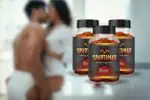
Spartamax: Male Performance Formula with Horny Goat Weed in a Multi-Ingredient Stack
Spartamax is a male performance supplement in gummy form built around seven active ingredients: horny goat weed alongside L-Arginine, Beet Root, Grape Seed Extract, Tongkat Ali, Maca Root, and Ashwagandha.
The design logic here is editorially interesting from an ingredient standpoint. Horny goat weed is not the only blood flow-related compound in the formula. L-Arginine is a direct precursor to nitric oxide production. Beet Root provides dietary nitrates that convert to nitric oxide via a separate enzymatic pathway. The result is a formula approaching circulatory and erectile function support through multiple simultaneous mechanisms — PDE5 inhibition via icariin, nitric oxide precursor loading via L-Arginine, and dietary nitrate conversion via Beet Root.
This multi-pathway design is more biologically defensible than stacking the same mechanism repeatedly. Whether the actual doses in Spartamax reach the thresholds relevant to each mechanism is a separate question — and one the full review covers in depth.

If the blood flow and libido mechanisms of horny goat weed interest you and you want to see how this ingredient performs in combination with complementary compounds, Read the full Spartamax review here.
How Long Does Horny Goat Weed Take to Work?
Separating the different applications is necessary to answer this honestly.
For erectile function and blood flow, the primary animal study that produced measurable results used four weeks of daily icariin administration before functional testing. A single dose of the same amount did not produce equivalent results. Four weeks of consistent use at an adequate icariin dose is the most credible reference point the research provides for timeline expectations.
Anecdotal reports suggest some individuals notice changes in libido and energy within two to four weeks of consistent use. Others report no noticeable effect at all. The variability likely reflects differences in icariin dose, product standardization, and individual physiology.
For bone density, the timeline is fundamentally different. Bone remodeling occurs over months and years. Any meaningful impact on bone density markers would require sustained use measured in months, not days or weeks.
For energy and cognitive effects, the timeline is the least defined in the literature. Four to six weeks is a reasonable minimum evaluation period before assessing whether subjective changes in energy are apparent.
The practical takeaway: four weeks of consistent use at a standardized, adequate icariin dose is the minimum evaluation window for sexual health outcomes. Expecting results in days is not consistent with what the research shows.
Horny Goat Weed Dosage, Timing, and Safety
Dosage: What the Evidence Suggests
No FDA-established dosage guidelines exist for horny goat weed. Dosage recommendations must be derived from available study data — with the caveat that most published data comes from animal models.
The one defined human dose comes from the postmenopausal bone study: 60 mg of icariin per day produced measurable effects on bone resorption markers. This is the only dose with direct human clinical support.
Commercial supplements typically come as 250 mg to 500 mg capsules. A product standardized to 20% icariin in a 500 mg serving delivers 100 mg of icariin — above the 60 mg threshold from the bone study. A product standardized to 10% in a 250 mg serving delivers only 25 mg — likely below any threshold of clinical relevance.
Calculate actual icariin content before purchasing. Total extract milligrams without a standardization percentage tells you almost nothing about the dose you’re receiving.
Horny Goat Weed Side Effects and Drug Interactions
The safety profile of horny goat weed is generally favorable. The LiverTox database classifies horny goat weed as Likelihood Score E — meaning it is unlikely to cause clinically apparent liver injury. It does not appear in large registries of drug-induced liver injury cases.
Minor side effects documented in existing literature include dry mouth, nausea, and mild gastrointestinal discomfort. These appear uncommon at standard doses.
More serious adverse events have been reported in isolated cases at high doses. Tachyarrhythmia and hypomania with agitation were documented in one elderly patient with a significant cardiac history after two weeks of use. A case of maculopapular skin rash occurred in another elderly patient taking horny goat weed alongside ginkgo biloba. Rare — but real signals that warrant caution in older adults and those with pre-existing cardiovascular conditions.
Drug interactions that matter:
Nitroglycerin — this combination is potentially dangerous. Both compounds produce vasodilation; the combined drop in blood pressure can be severe or fatal. This is an absolute contraindication, not a relative caution.
Blood pressure medications — icariin’s vasodilatory effects may potentiate antihypertensive drugs, increasing hypotension risk. Medical guidance is warranted before combining.
Anticoagulants and blood thinners — Epimedium has been associated with mild anticoagulant activity. Combining with warfarin, therapeutic-dose aspirin, or other blood thinners should be discussed with a healthcare provider.
Hormone-sensitive medications — the phytoestrogenic activity of icaritin may interact with hormone therapies, birth control pills, and medications for hormone-sensitive conditions.
Who Should Avoid Horny Goat Weed
Pregnant and breastfeeding individuals should not use horny goat weed. No human safety data exists for these populations.
People with significant cardiac history — arrhythmia, heart failure, or recent cardiovascular events — should not use this ingredient without explicit physician clearance.
Anyone currently using nitroglycerin should not take horny goat weed under any circumstances.
People with hormone-sensitive cancers — estrogen- or androgen-receptor-positive forms in particular — should discuss phytoestrogenic and testosterone-related botanical supplements with their oncologist before use.
Children should not use this supplement.
Frequently Asked Questions About Horny Goat Weed
Does horny goat weed really work for erectile dysfunction?
There is genuine biological evidence that icariin inhibits PDE5 — the same enzyme Viagra targets. Animal studies show measurable improvements in erectile function after four weeks of consistent daily use. The one relevant human trial showed modest improvement in mild-to-moderate ED with an Epimedium-containing formula. The effect is real but substantially weaker than pharmaceutical options. For clinical ED, prescription medications are the better-evidenced choice. For mild, subclinical circulatory support over time, the mechanism is biologically defensible.
What does horny goat weed do for men specifically?
For men, the horny goat weed benefits most supported by research include PDE5-mediated support for erectile function, potential influence on free testosterone through SHBG activity, and improved libido in individuals with low baseline sexual drive. The circulatory effects — nitric oxide upregulation, blood vessel dilation — extend to cardiovascular and energy-related outcomes as well. None of these effects match the potency or reliability of pharmaceutical alternatives, but they operate through real, characterized mechanisms.
Can women take horny goat weed safely?
Yes, with important caveats. The strongest human evidence for any horny goat weed benefit involves postmenopausal women and bone density — women are actually the population with the most clinically supported use case for this ingredient. Phytoestrogenic activity through icaritin may also support menopause symptom management, though direct evidence there remains preliminary. Women with hormone-sensitive cancers, those on hormone therapies, pregnant women, and breastfeeding individuals should not use horny goat weed without medical guidance.
How long does it take to feel the effects?
For sexual health and blood flow outcomes, animal evidence points to four weeks of daily use as the minimum period before measurable changes appear. Single-dose effects are not well-documented. Anecdotal reports suggest some individuals notice subjective changes in libido and energy within two to four weeks. For bone-related horny goat weed benefits, meaningful changes require months of consistent use. Expecting results within a few days is not consistent with what the research shows.
Does horny goat weed affect blood pressure?
It can. Icariin’s upregulation of eNOS promotes blood vessel dilation, which can lower blood pressure. For most healthy adults this effect is modest. For people on antihypertensive medications, the combination may amplify blood pressure reduction beyond the intended therapeutic range. Anyone on blood pressure medications should consult a healthcare provider before adding horny goat weed to their routine.
What icariin percentage should I look for in a supplement?
Look for a product that specifies icariin as a percentage of the extract, not just total extract weight. A 500 mg serving standardized to 20% icariin delivers 100 mg of icariin — above the 60 mg daily threshold from the postmenopausal bone study, and within a range that may support sexual health outcomes based on animal data. A 250 mg serving at 10% delivers only 25 mg — likely below any threshold of clinical relevance. Unstandardized products should be treated as delivering an unknown and potentially ineffective dose.
Can I stack horny goat weed with Tongkat Ali?
No established clinical evidence exists for this specific combination, but the two ingredients operate through different primary mechanisms. Icariin works primarily via PDE5 inhibition and nitric oxide pathways. Tongkat Ali (Eurycoma longifolia) works primarily via SHBG reduction and LH stimulation. These mechanisms are not redundant, which makes the combination biologically logical for men seeking both blood flow and testosterone-related support. The interaction risk between the two is low, though combining vasodilatory supplements increases total vasodilatory load — worth noting for anyone with cardiovascular concerns.
Does horny goat weed affect hormones in women?
Yes. The metabolite icaritin has documented phytoestrogenic activity — it interacts selectively with estrogen receptors, particularly in bone tissue. This is the mechanism behind the postmenopausal bone density findings. For premenopausal women with intact estrogen production, the significance of this activity is less defined. For women with hormone-sensitive cancers or on hormone-modulating medications, this interaction requires medical guidance before use.
Is horny goat weed safe for daily long-term use?
Short-term use at standard doses appears well-tolerated in most healthy adults. The LiverTox Score E classification is a positive safety signal. Long-term human safety data beyond studies of a few weeks to months does not currently exist in the published literature. Continuous use at high icariin concentrations without medical supervision is not recommended. A practical approach is cycling use — eight to twelve weeks of consistent use followed by a break — and keeping doses within the range where evidence exists.
Are there natural food sources of horny goat weed?
No meaningful food sources provide icariin in amounts relevant to the effects studied in research. The plant (Epimedium) is not a culinary herb. Traditional preparations use dried leaves brewed as yin yang huo tea, but icariin content in brewed tea is generally too low to produce the effects documented in standardized extract studies. A standardized supplement is the only practical option if pursuing a specific health outcome.
Horny Goat Weed Benefits: The Bottom Line
Horny goat weed benefits are real — but not what most of the content ranking for this term suggests.
The icariin in standardized Epimedium extract does inhibit PDE5. It does upregulate nitric oxide synthase. It does produce testosterone-related effects in animal models. And it stands as the only botanical ingredient with a published controlled human study showing measurable effects on postmenopausal bone density.
None of that makes it a natural replacement for Viagra, a reliable standalone testosterone booster, or a proven treatment for any medical condition. What it makes it is a biologically active compound with a defined mechanism, a well-characterized safety profile, and a legitimate — if appropriately limited — clinical evidence base across several health areas.
The biggest mistake most people make with horny goat weed is buying a product that doesn’t deliver a real dose. If the label doesn’t specify icariin percentage, the actual content is unknown — and in most cases insufficient. That is the icariin problem this post opened with, and it remains the most practical thing to take away from all of the science reviewed here.
The plant earns more scientific respect than the gas station supplement rack implies. And less than the “natural Viagra” headline suggests.
Disclaimer: This content is for informational and educational purposes only and does not constitute medical advice, diagnosis, or treatment. The statements in this post have not been evaluated by the Food and Drug Administration. Dietary supplements are not intended to diagnose, treat, cure, or prevent any disease. Always consult a qualified healthcare professional before starting any new supplement, especially if you have an existing health condition, take prescription medications, are pregnant, or are breastfeeding.