
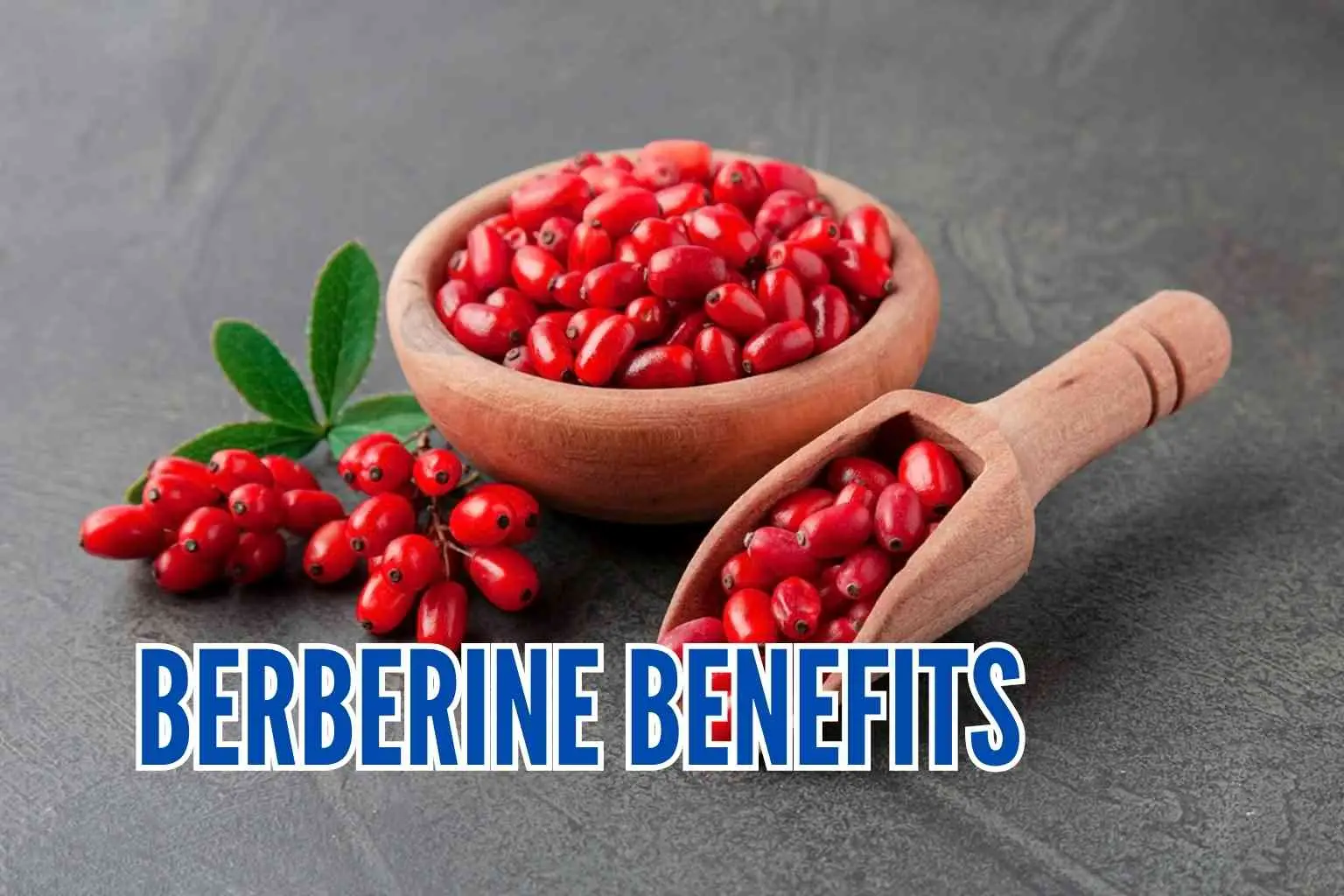
Berberine benefits: If you’ve been anywhere near wellness circles online lately, you’ve heard the buzz: berberine is being called nature’s Ozempic, a plant compound so powerful that some are comparing it to pharmaceutical interventions for metabolic health. But beneath the viral headlines, what does the science actually say? And what can a person realistically expect from adding berberine to their routine?

Berberine is a natural alkaloid extracted from several plants — including barberry, goldenseal, and tree turmeric — that has been used in traditional Chinese and Ayurvedic medicine for over 1,000 years. Today, it sits at the intersection of ancient botanical tradition and serious modern clinical research, attracting attention for its effects on blood sugar regulation, body weight, cardiovascular markers, and gut health. In this guide, we cut through the hype and walk through what berberine benefits actually look like according to the evidence — and what you should know before trying it.
What Is Berberine? Origin and Traditional Use
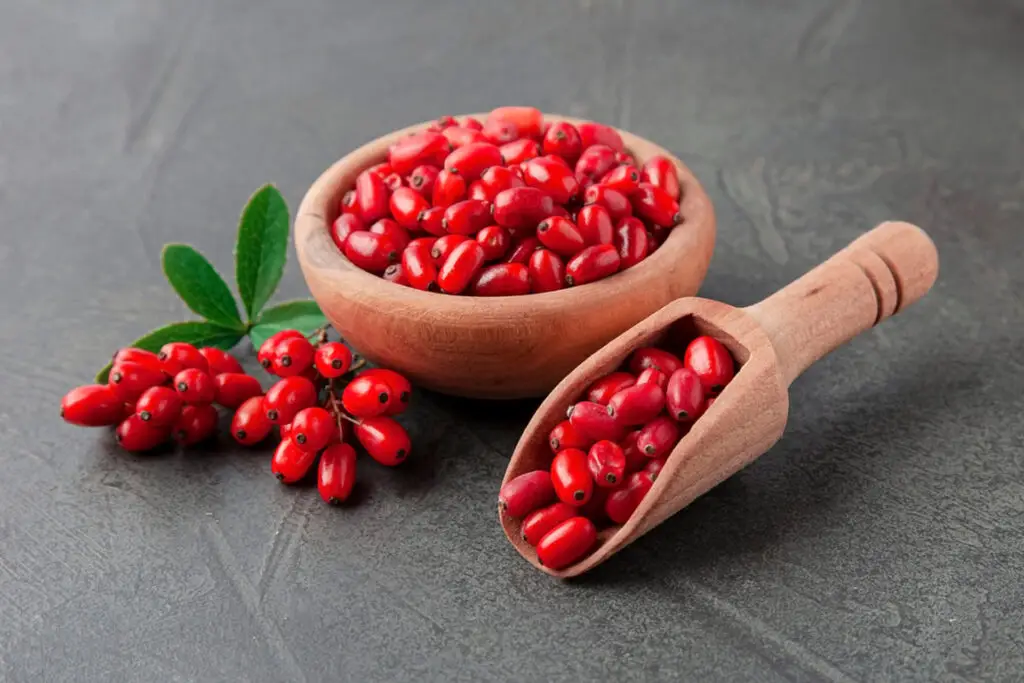
Berberine (chemical formula C20H18NO4+) belongs to a class of compounds called isoquinoline alkaloids. It’s found in the roots, rhizomes, and bark of plants like Berberis vulgaris (barberry), Coptis chinensis (goldthread), Hydrastis canadensis (goldenseal), and Berberis aristata (tree turmeric). That distinctive yellow-orange color you see in these plant preparations comes directly from berberine.
In traditional Chinese medicine, berberine-containing herbs have been used for thousands of years to address conditions we would today describe as metabolic or inflammatory in nature. In Ayurvedic practice, the barberry plant (Daruharidra) held a place in formulations for blood purification and digestive support. European herbalists independently identified barberry’s properties in the Middle Ages, using it for liver conditions and digestive complaints.
What transformed berberine from a traditional remedy into a subject of intense modern scientific interest was the discovery of its molecular mechanisms — particularly its ability to activate a cellular enzyme with far-reaching effects on metabolism. That enzyme is AMPK, and understanding it is the key to understanding everything berberine does.
How Does Berberine Work? The Mechanism of Action
Berberine’s primary mechanism is the activation of AMP-activated protein kinase (AMPK) — an enzyme often referred to as the body’s “metabolic master switch.” AMPK is involved in regulating energy balance at the cellular level: when it’s activated, it signals the body to burn more fuel, improve insulin sensitivity, and dial back processes that consume resources without producing energy.
This AMPK activation pathway is one of the reasons berberine’s effects span so many different health markers. AMPK influences glucose metabolism in the liver and muscles, fatty acid oxidation, mitochondrial function, and inflammatory signaling pathways — which explains why a single compound can appear in research on blood sugar, weight, cholesterol, and gut health simultaneously.
Beyond AMPK, berberine also inhibits dipeptidyl peptidase-4 (DPP-4), an enzyme involved in breaking down incretin hormones that regulate insulin secretion. This mechanism shares common ground with a class of pharmaceutical diabetes medications called DPP-4 inhibitors. Additionally, berberine reduces hepatic glucose production and improves the expression of insulin receptors — making cells more responsive to insulin’s signal to absorb glucose from the blood.
Berberine Benefits: What Research Actually Shows
1. Blood Sugar Regulation and Insulin Sensitivity
This is berberine’s best-documented area of benefit. A landmark meta-analysis published in the journal Evidence-Based Complementary and Alternative Medicine analyzed multiple randomized controlled trials and found that berberine was associated with significant reductions in fasting blood glucose, post-meal blood glucose, and HbA1c — a marker of average blood sugar over three months. In several of these trials, the effects were comparable to pharmaceutical interventions.
A widely cited 2008 study published in Metabolism: Clinical and Experimental directly compared berberine to metformin in patients with type 2 diabetes. After three months, both groups saw statistically similar reductions in HbA1c, fasting glucose, and post-meal glucose levels. This single comparison helped launch berberine into mainstream wellness conversations.
Important context: berberine is not a substitute for prescribed diabetes medications. If you are currently managing diabetes with medication, consult your healthcare provider before adding berberine to your routine.
2. Weight and Body Composition Support
The weight-loss conversation around berberine has grown significantly in recent years. A 2022 systematic review and meta-analysis published in Frontiers in Pharmacology analyzed randomized controlled trials involving obese or overweight participants and found that berberine supplementation was associated with statistically significant reductions in body weight, BMI, and waist circumference. The average weight loss across trials was modest — typically in the range of two to five pounds over eight to twelve weeks — but meaningful when viewed as a support mechanism rather than a standalone intervention.
The mechanisms behind this involve multiple pathways: improved insulin sensitivity reduces the fat storage signals that high insulin levels create, AMPK activation promotes fatty acid oxidation, and berberine appears to influence the composition of the gut microbiome in ways that affect how the body processes and stores energy from food.
3. Cardiovascular Health Markers
Several studies have linked berberine supplementation to improvements in lipid panels — specifically reductions in total cholesterol, LDL cholesterol, and triglycerides, alongside modest increases in HDL cholesterol. A meta-analysis in Phytomedicine examining 27 randomized controlled trials found consistent effects on these cardiovascular markers, with researchers noting that the improvements appeared independent of the blood sugar effects.
Berberine is also being studied for its effects on blood pressure, arterial stiffness, and inflammatory markers like C-reactive protein — all relevant to long-term cardiovascular health. While this research is still maturing, the cardiovascular picture is one of the more consistent findings across the berberine literature.
4. Gut Microbiome and Digestive Health
One of berberine’s more emerging but genuinely intriguing areas of research is its interaction with the gut microbiome. Studies in both animal models and human trials suggest that berberine meaningfully alters the composition of gut bacteria, increasing the relative abundance of beneficial strains like Bifidobacterium and Lactobacillus while reducing populations of bacteria associated with inflammation and metabolic dysfunction.
This microbiome-level effect may partially explain berberine’s metabolic benefits — since gut bacteria play a significant role in how the body processes calories, regulates appetite hormones, and manages systemic inflammation. For people whose metabolic challenges are partly rooted in gut dysbiosis, this makes berberine particularly interesting.
5. Anti-Inflammatory and Antioxidant Properties
Chronic low-grade inflammation is a driver of metabolic dysfunction, insulin resistance, and accelerated aging. Berberine has demonstrated meaningful anti-inflammatory activity in research settings, reducing pro-inflammatory cytokines and inhibiting NF-kB signaling pathways — one of the primary molecular routes through which inflammation escalates in the body. Its antioxidant properties also help protect cells from oxidative damage, which compounds the broader metabolic benefit.
Who Can Benefit Most from Berberine?
Based on the research profile, the people most likely to notice meaningful effects from berberine supplementation are:
• Adults dealing with blood sugar instability — energy crashes after meals, persistent cravings, or fasting glucose trending toward the higher end of normal
• People actively working on weight management — particularly those who find that appetite, cravings, or metabolic sluggishness are obstacles to consistency
• Individuals with markers of metabolic syndrome — elevated triglycerides, low HDL, high fasting glucose, or excess abdominal weight
• Those seeking stimulant-free metabolic support — berberine works through cellular mechanisms rather than stimulant pathways, making it appropriate for people who don’t tolerate caffeine-heavy formulas
• People managing sleep-related eating patterns — the connection between blood sugar stability, cortisol, and late-night cravings makes berberine relevant for those whose weight challenges are entangled with sleep disruption
Berberine Benefits in Modern Supplements: What to Look For
Berberine is available as a standalone supplement, but it increasingly appears as a core ingredient in multi-compound formulas designed for specific health goals. When evaluating any berberine-containing product, a few things matter beyond the ingredient name itself.
Dosage transparency is the most important factor. The research literature most consistently shows effects at daily doses of 900mg to 1,500mg, often divided across two or three servings. Products that hide berberine inside a “proprietary blend” without disclosing amounts make it impossible to evaluate whether the dose is meaningful.
Bioavailability is the second consideration. Berberine has relatively low bioavailability on its own, which is why many quality formulas pair it with black pepper extract (BioPerine) or other absorption enhancers — or opt for more bioavailable forms like berberine HCL.
The third factor is formula context. Berberine’s effects on metabolism, appetite, and blood sugar make it particularly well-suited to formulas that target weight management and metabolic balance — especially when paired with ingredients that address different aspects of the same challenge.
One example worth noting is CitrusBurn, a metabolism-support supplement that combines Berberine with thermogenic botanicals like Seville orange peel (p-synephrine) and Korean red ginseng. The formula is positioned for people who want to support calorie burn and appetite control without relying on harsh stimulants — and berberine’s blood sugar stabilization role is one of the reasons the combination makes logical sense.

Berberine also appears in Ignitra, a stimulant-free weight management formula that pairs it with Konjac fiber (glucomannan) for appetite support and turmeric for anti-inflammatory coverage. That combination targets three of the most common barriers to weight loss consistency — blood sugar swings, hunger, and inflammation — from a single daily supplement.

What both of these formulas have in common is that they use berberine as part of a coherent multi-ingredient strategy rather than as a marketing label. That’s the right approach — and it’s the lens worth applying when evaluating any berberine product.
Dosage, Safety, and Side Effects

Typical research dosage: 900mg to 1,500mg daily, divided into two or three doses (usually 300–500mg taken with meals). Higher single doses tend to increase gastrointestinal side effects without proportionally improving benefits.
Most common side effects: Gastrointestinal discomfort is the most frequently reported issue — including nausea, constipation, diarrhea, or abdominal cramping, particularly when starting supplementation. These effects often diminish over the first one to two weeks as the gut adjusts. Taking berberine with food significantly reduces this likelihood.
Important interactions and precautions:
• Berberine can amplify the effects of blood sugar-lowering medications, potentially causing glucose to drop too low. Anyone on metformin, insulin, or other diabetes drugs should consult their physician before adding berberine.
• Berberine may interact with blood-thinning medications (like warfarin) and certain antibiotics and immunosuppressants. If you’re on prescription medications, a conversation with your healthcare provider is warranted before starting.
• Berberine should not be used during pregnancy or breastfeeding.
• People with liver conditions should exercise caution, as berberine is metabolized hepatically.
Frequently Asked Questions About Berberine Benefits
How long does berberine take to work?
Most people notice early effects — such as reduced post-meal cravings or more stable energy — within two to three weeks of consistent use. More significant changes to blood sugar markers (HbA1c) or body composition typically appear after eight to twelve weeks. Like most botanical compounds, berberine’s benefits are cumulative rather than immediate.
Is berberine really “nature’s Ozempic”?
This comparison has been widely circulated but deserves a careful look. Berberine and GLP-1 agonists like semaglutide work through completely different mechanisms and produce meaningfully different magnitudes of effect. Berberine can be a credible support tool for metabolic health — but its effects are typically more modest than pharmaceutical interventions. Calling it “nature’s Ozempic” is a useful conversation starter, but a more accurate framing is that berberine is a well-researched plant compound with genuine metabolic benefits that should be viewed as supportive, not equivalent to prescription therapy.
Can I take berberine every day?
Most published trials have used daily berberine supplementation for periods of eight to twelve weeks without significant safety concerns in healthy adults. Some practitioners recommend cycling berberine — eight to twelve weeks on, then a break — to avoid potential effects on gut microbiome diversity with long-term use, though evidence for this practice is not definitive.
Does berberine work for weight loss without diet changes?
The research shows berberine provides the most meaningful results when used alongside reasonable dietary habits rather than as a replacement for them. It can support appetite control, improve blood sugar stability, and enhance metabolic efficiency — all of which make sustainable eating patterns easier to maintain. Treating it as a standalone weight-loss solution without any other changes will produce limited results.
Is berberine safe to take with other supplements?
Berberine generally combines well with other botanicals and vitamins. The most important caution is with other ingredients that lower blood sugar — including cinnamon, gymnema, chromium, and alpha-lipoic acid — where additive effects could push glucose too low. Be especially mindful of this if you are also managing blood sugar with prescription medications.
What form of berberine is most effective?
Berberine HCL (hydrochloride) is the most commonly studied form and the one used in most published clinical trials. Dihydroberberine is a newer form marketed as more bioavailable, though head-to-head comparisons are limited. For most people, berberine HCL taken with food remains the most evidence-backed choice.
The Bottom Line on Berberine
Berberine occupies a genuinely interesting position in the supplement landscape: it has more published clinical research behind it than most botanical compounds, its mechanisms are well-understood at the molecular level, and the range of metabolic benefits it supports — blood sugar, weight, lipids, gut health — is unusually broad for a single natural ingredient. The hype around it isn’t baseless, even if it occasionally overstates what the compound can do on its own.
For people dealing with blood sugar instability, weight management challenges, or metabolic sluggishness, berberine represents one of the more credible natural options available. The key is approaching it with realistic expectations: it’s a support tool that works best as part of a broader metabolic strategy — not a substitute for medication or a reason to abandon healthy habits.
If you’re interested in exploring supplements that use Berberine as part of a multi-ingredient formula, our in-depth reviews of CitrusBurn and Sleep Lean cover how it’s paired with other compounds — and what real users are reporting about their experience with these formulas.
Disclaimer: This article is for informational and educational purposes only. It does not constitute medical advice. If you have a diagnosed health condition or take prescription medications, consult a qualified healthcare provider before starting any supplement.