Cinnamon for PCOS has more specific clinical support than most natural health content acknowledges. Two randomized controlled trials — not lab studies, not animal models — examined its effects directly in women with polycystic ovary syndrome and found meaningful improvements in fasting insulin levels and insulin sensitivity. The mechanism behind these findings is coherent: insulin resistance is one of the central metabolic drivers of PCOS, and cinnamon’s documented ability to enhance insulin receptor activity directly interrupts that process. The results are not dramatic enough to replace medical management, but they are specific enough to make cinnamon for PCOS a legitimate topic for a conversation with your physician.
Cinnamon for PCOS: What the Research Shows
The most frequently cited study on cinnamon for PCOS is a randomized controlled trial of 80 women with polycystic ovary syndrome published in Fertility and Sterility. Participants received 1.5 grams of cinnamon powder daily for 12 weeks. At the end of the trial, the cinnamon group showed significantly reduced fasting insulin levels and improved insulin sensitivity compared to placebo — outcomes directly relevant to the hormonal cascade that drives PCOS progression.
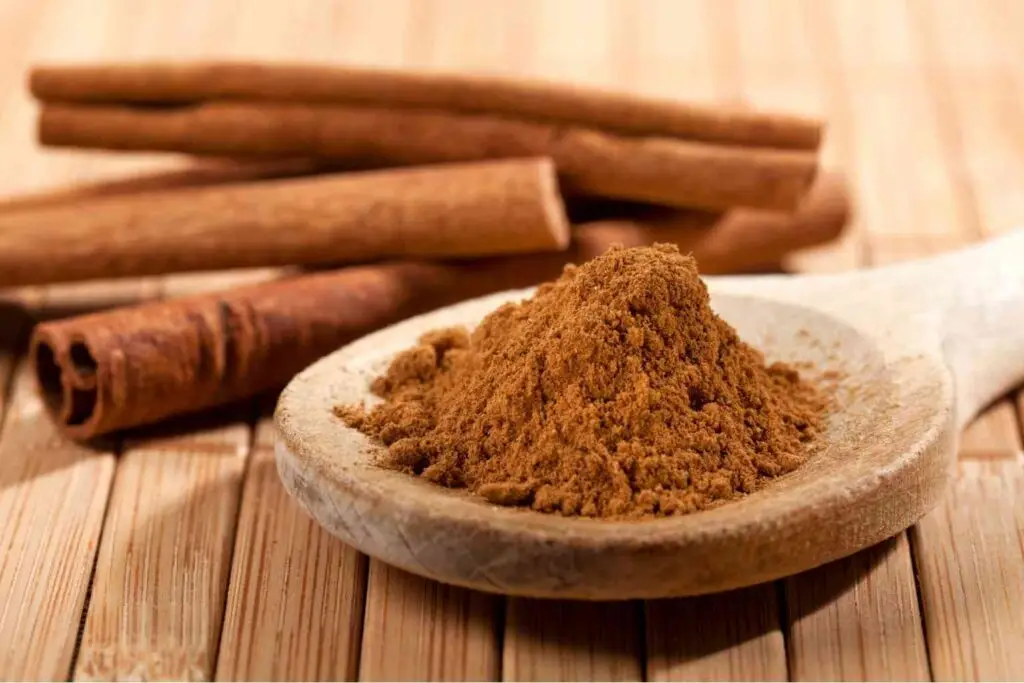
A separate pilot trial, also published in Fertility and Sterility, found that cinnamon reduced insulin resistance in women with PCOS over a shorter intervention period, with authors noting a clinically relevant metabolic response in a population where conventional management options are often limited or poorly tolerated.
The mechanism connecting these findings is the insulin-androgen feedback loop. In PCOS, elevated insulin stimulates the ovaries to produce excess androgens — hormones like testosterone — which then worsen hormonal imbalance, disrupt the menstrual cycle, and perpetuate the metabolic dysfunction. Cinnamon for PCOS targets this loop at its metabolic root by improving how efficiently cells respond to insulin, reducing the hormonal downstream effects without requiring pharmaceutical intervention. For the full breakdown of cinnamon’s glucose and insulin mechanisms, our cinnamon ingredient guide covers the clinical detail.
Factors That Affect Results With Cinnamon for PCOS
The degree of response to cinnamon for PCOS varies by individual, and several practical variables explain most of that variation:
Baseline insulin resistance. Women with more pronounced insulin resistance at the start of supplementation tend to show larger improvements in clinical trials. If your insulin levels are already well-managed, the additive effect will be smaller.
Dose consistency. Both key trials used 1.5 grams of cinnamon daily taken consistently over 8–12 weeks. Sporadic use or substantially lower doses are unlikely to replicate those outcomes.
Cinnamon species. The clinical trials used cinnamon powder without always specifying the species. For daily use over months — which the PCOS research protocol requires — Ceylon cinnamon (Cinnamomum verum) is the more appropriate choice because of its significantly lower coumarin content, which makes long-term supplementation safer.
Concurrent management. Cinnamon for PCOS works best as a complement to dietary management and, where prescribed, medical treatment — not as a replacement. Women taking metformin or other insulin-sensitizing medications should discuss the combination with their physician before adding cinnamon at supplementation doses, given the additive glucose-lowering potential.
Realistic timeline. Both trials ran for 8–12 weeks before statistically significant differences appeared. Expect a similar window before drawing conclusions about whether the approach is working for you.
What To Look For in a Supplement
For women researching cinnamon for PCOS, supplement quality matters more than it might seem.
Species specification. Choose a product that explicitly labels Ceylon cinnamon or provides third-party coumarin testing results. Long-term daily use of Cassia cinnamon at therapeutic doses creates cumulative coumarin exposure that can exceed established safety thresholds.
Single-ingredient transparency. A straightforward cinnamon supplement with a disclosed per-capsule dose in the 500mg–1g range gives you control over how you build toward the 1.5g daily dose used in the PCOS trials. Proprietary blends make it harder to know what you are actually getting.
Third-party verification. NSF, USP, or ConsumerLab seals confirm purity and label accuracy — particularly relevant when supplementing daily for months at a time.
Cinnamon also appears in multi-ingredient formulas where its insulin-sensitizing and anti-inflammatory properties complement other botanical compounds. For a practical example of a well-documented supplement that includes cinnamon as a functional ingredient, the full review of Neuro Serge explains the ingredient rationale in detail.

Bottom Line
Cinnamon for PCOS has genuine clinical support from two randomized controlled trials showing improved fasting insulin and insulin sensitivity in women with polycystic ovary syndrome at 1.5 grams daily over 8–12 weeks. The mechanism — interrupting the insulin-androgen feedback loop — is specific and coherent. It is not a cure, and it is not a substitute for medical care. But as an evidence-supported adjunct to dietary management and, where appropriate, prescribed treatment, cinnamon for PCOS deserves to be taken seriously rather than dismissed as a wellness trend.
For everything on cinnamon’s mechanisms, safe dosing by species, and the full evidence base, visit our complete ingredient guide: cinnamon benefits — what the research reveals.
Looking for more answers about cinnamon? You might also find these useful:
→ Can you take cinnamon with metformin — what you need to know first
→ How long does cinnamon take to work — timelines by health goal
Disclaimer: This article is for informational and educational purposes only and does not constitute medical advice. The information presented is based on publicly available research and is not intended to diagnose, treat, cure, or prevent any disease or health condition. Individual results will vary. If you are pregnant, breastfeeding, taking prescription medications, or managing a diagnosed health condition including PCOS, consult a qualified healthcare provider before adding any supplement to your routine. Cinnamon supplements have not been evaluated or approved by the FDA for the treatment of any medical condition.