

Cinnamon before bed benefits are real — but more specific than most content suggests. The most documented overnight effect is modest regulation of hepatic glucose output: the liver’s tendency to release stored glucose into the bloodstream during the night, which contributes to elevated fasting blood sugar readings in the morning. Cinnamon’s active compounds, particularly cinnamaldehyde and MHCP, appear to moderate this process. The practical result is not dramatic — evening dosing is not a substitute for pre-meal supplementation targeting post-meal spikes — but for people whose fasting glucose runs high despite dietary management, the timing rationale is mechanistically sound.
Cinnamon Before Bed Benefits: What the Research Shows
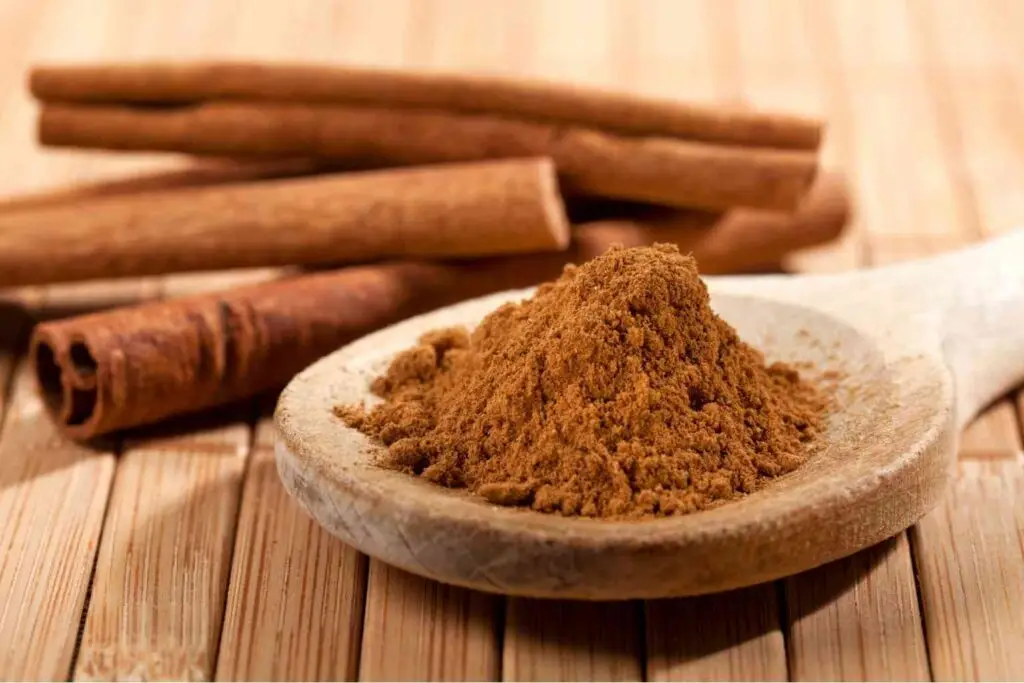
The strongest case for cinnamon before bed benefits comes from studies examining fasting blood glucose — a marker largely determined by overnight metabolic activity. A 2019 systematic review published in Nutrients found that cinnamon supplementation significantly reduced fasting blood glucose across multiple randomized controlled trials, with the most consistent effects at doses of 1–3 grams daily over 6–12 weeks. While most of these trials did not specify morning versus evening dosing, the mechanistic logic for evening timing is coherent.
The liver increases glucose production in the early morning hours — a process driven by hormonal signals that ramp up before waking, commonly called the dawn phenomenon. Cinnamon’s ability to modulate insulin receptor kinase activity and slow hepatic glucose release makes evening timing a reasonable approach specifically for people whose fasting glucose is the primary concern, rather than post-meal spikes.
One calibration worth making explicit: the evidence supporting cinnamon before bed benefits is extrapolated from fasting glucose studies, not from head-to-head trials directly comparing morning versus evening dosing. That distinction matters for setting realistic expectations. For cinnamon’s complete clinical profile — mechanisms, species differences, and dosage evidence — our cinnamon ingredient guide covers the detail in full.
Factors That Affect Overnight Results
Several variables determine how much anyone is likely to benefit from evening cinnamon use:
Primary glucose concern. Cinnamon before bed benefits are most relevant when fasting glucose — the reading taken first thing in the morning before eating — is the number you are working to improve. If post-meal spikes are the main issue, pre-meal timing has stronger direct support in the literature.
Dose. Most positive fasting glucose outcomes in clinical research used 1–3 grams of cinnamon daily. An evening sprinkle in herbal tea delivers far less than a standardized supplement taken consistently at a defined dose.
Species. Ceylon cinnamon is better suited to regular daily use than Cassia because of its negligible coumarin content. Cassia’s higher coumarin load creates a practical ceiling on how much can be safely taken each day — relevant when supplementing nightly over weeks or months.
Consistency. Fasting glucose improvements with cinnamon accumulate gradually over 6–12 weeks. Occasional use before bed is unlikely to produce the same results as nightly consistency at a meaningful dose.
What To Look For in a Supplement for Evening Use
For bedtime supplementation specifically, a few quality markers carry extra weight.
Stimulant-free formula. Cinnamon itself is not a stimulant, but some blended supplements combine it with thermogenic or caffeinated ingredients. For evening use, verify that the formula contains no stimulants that would affect sleep onset.
Ceylon sourcing or coumarin disclosure. Nightly use means sustained cumulative exposure. A product that specifies Ceylon (Cinnamomum verum) or provides third-party coumarin testing removes the guesswork on daily safety limits — particularly for people supplementing long-term.
Straightforward formula. Simpler single-ingredient or clearly disclosed formulas are easier to evaluate for interactions with medications taken at night, where the full picture of what is in each capsule matters most.
Cinnamon is also used in multi-ingredient formulas designed for daily cognitive and metabolic support — where stimulant-free sourcing and species transparency apply the same logic. For a detailed look at how cinnamon is formulated within a quality multi-ingredient supplement, the full review of Neuro Serge walks through the ingredient rationale in depth.

Bottom Line
Cinnamon before bed benefits are modest but grounded in a coherent mechanism: moderating overnight hepatic glucose output and supporting lower fasting blood sugar readings over time. The most relevant application is for adults whose morning glucose is the primary concern, using 1–3 grams of Ceylon cinnamon consistently over at least 6–8 weeks. It is not a replacement for pre-meal dosing if post-meal spikes are the issue — and it is not a substitute for medical management of diagnosed conditions.
For the full picture on dosing, species safety, and everything the clinical literature says about this ingredient, visit our complete guide: cinnamon benefits — what the research reveals.

Looking for more answers about cinnamon? You might also find these useful:
How long does cinnamon take to work — timelines by health goal
Ceylon cinnamon vs Cassia — which one should you actually take
Disclaimer: This article is for informational and educational purposes only and does not constitute medical advice. The information presented is based on publicly available research and is not intended to diagnose, treat, cure, or prevent any disease or health condition. Individual results will vary. If you are pregnant, breastfeeding, taking prescription medications, or managing a diagnosed health condition, consult a qualified healthcare provider before adding any supplement to your routine. Cinnamon supplements have not been evaluated or approved by the FDA for the treatment of any medical condition.