
Cinnamon benefits have been studied in more than 300 clinical trials and laboratory investigations over the past four decades — and the picture that emerges is more nuanced, and frankly more interesting, than most content on the topic acknowledges. You have probably seen the headlines: cinnamon lowers blood sugar, cinnamon fights inflammation, cinnamon supports weight loss. Some of those claims hold up well. Others need real context to be useful. And a few of the most compelling cinnamon benefits — particularly for cognitive health and hormonal balance in women — rarely make the front page at all.
What makes cinnamon worth examining carefully is not just how many conditions it has been studied for. It is the specificity of the biological mechanisms behind those effects. Cinnamon benefits emerge from multiple active pathways operating simultaneously: insulin signaling at the cellular level, inflammatory cascade suppression, antioxidant defense, and even inhibition of tau protein aggregation in the brain. Understanding which form of cinnamon delivers those mechanisms — and in what doses — changes everything about how you evaluate cinnamon benefits in real life.
What Is Cinnamon?
Cinnamon is the dried inner bark of trees belonging to the genus Cinnamomum, a member of the Lauraceae family. The spice itself has one of the longest documented histories of any botanical used for health purposes — ancient Egyptian records reference it, Roman physicians used it for digestive complaints, and Ayurvedic and Traditional Chinese Medicine incorporated it for centuries before modern pharmacology started investigating why it worked.
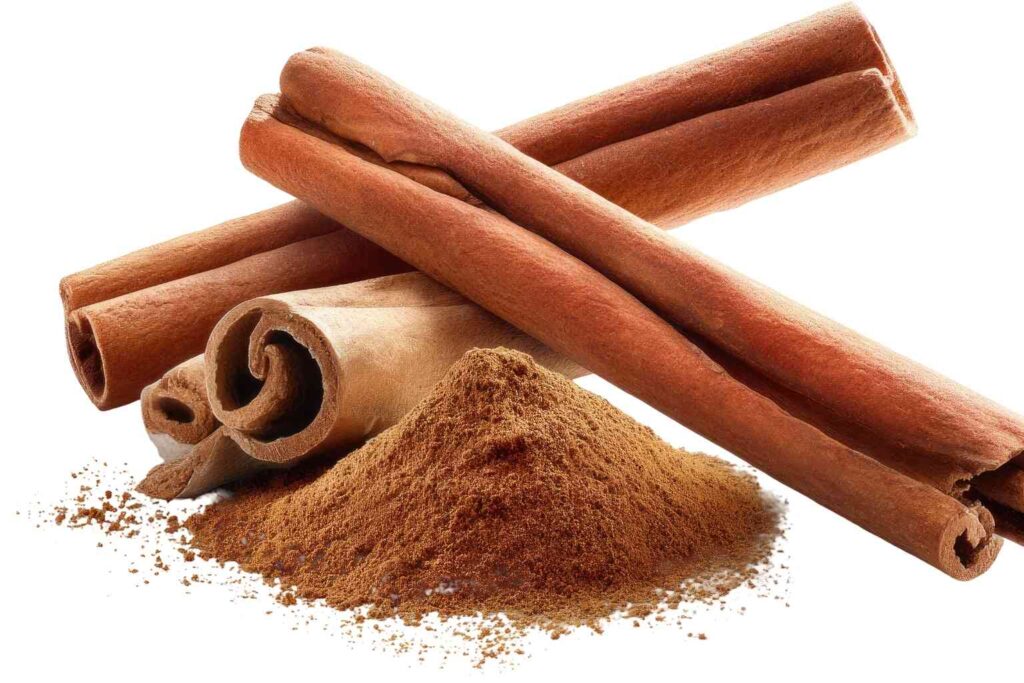
Today, cinnamon is cultivated primarily in Indonesia, China, Sri Lanka, and Vietnam. Global production exceeded 200,000 metric tons annually as of recent FAO data, making it one of the most widely traded spices in the world. And with over 800 cinnamon-containing dietary supplements now registered in the U.S. marketplace according to data from the National Institutes of Health, interest in cinnamon benefits has moved well beyond the kitchen.
Cinnamomum Verum vs. Cinnamomum Cassia: The Species That Changes Everything
This distinction is not a technicality. It is the single most important piece of information for anyone evaluating cinnamon benefits from a supplementation standpoint.
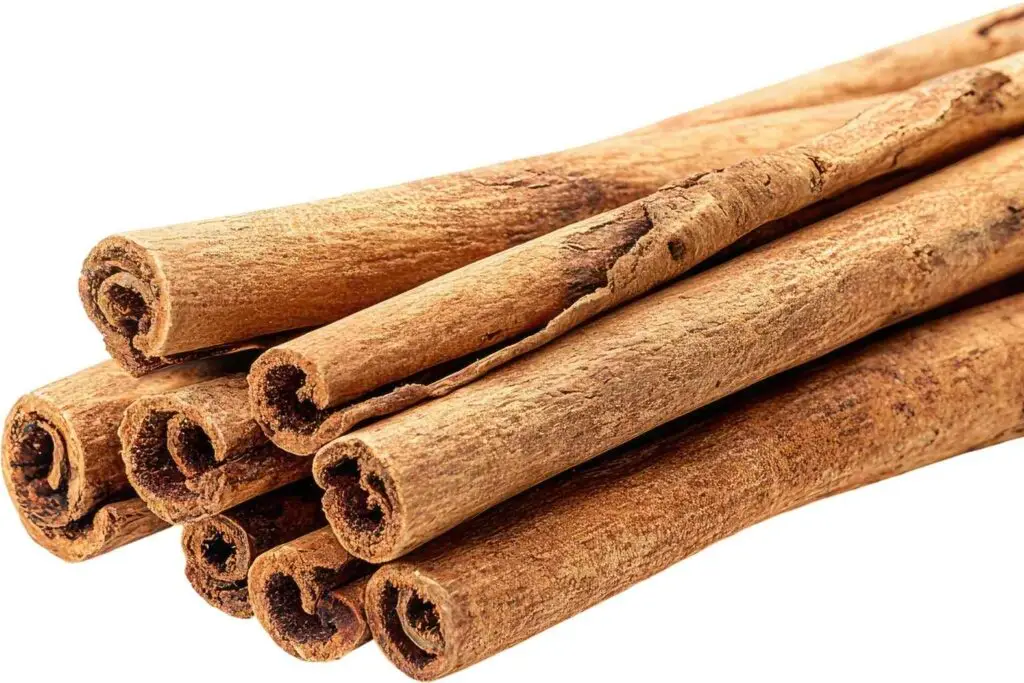
Cinnamomum verum — also called Ceylon cinnamon or “true cinnamon” — is native to Sri Lanka and is characterized by a lighter, more delicate flavor, thin multi-layered quills, and critically, a very low coumarin content.
Cinnamomum cassia — the variety sold in most U.S. supermarkets — comes primarily from Indonesia and China. It is darker, harder, has a more pungent flavor, and contains substantially higher levels of coumarin, a naturally occurring compound that can become hepatotoxic at sustained high doses.
Most clinical research on cinnamon benefits does not consistently specify which species was used, which makes interpreting study outcomes genuinely difficult. A 2019 systematic review in Nutrients noted this ambiguity explicitly. When studies do specify the species, the bioactive compound profiles differ enough to produce different results at the same nominal dose.
The practical implication: if you are evaluating cinnamon benefits for daily supplementation, the species is not a minor footnote. It is the central variable that determines your safety margin.
Cinnamon Extract, Supplement, and Powder: Which Form Actually Works
Ground cinnamon powder, water-extracted cinnamon, ethanol-extracted cinnamon, and commercial cinnamon supplements each deliver different concentrations of the active compounds responsible for documented cinnamon benefits.
A 2024 study published in Food & Function found that powder form may actually outperform some capsule formats for blood sugar outcomes — likely because the full-spectrum polyphenol matrix in ground cinnamon is preserved more completely than in some concentrated extracts. That does not make supplements inferior by default. Standardized extracts with documented procyanidin content can still deliver the key active compounds consistently, and they eliminate the coumarin dosing risk associated with daily use of ground Cassia.
The practical framework: for occasional culinary use, ground Ceylon cinnamon gives you genuine cinnamon benefits with a low safety burden. For consistent daily supplementation targeting specific outcomes, a standardized extract with disclosed coumarin levels is the more precise choice.
Natural Food Sources of Cinnamon
Cinnamon as a food source is more versatile than most people use it for. The commonly understood cinnamon benefits — particularly for blood sugar management — can be partially accessed through dietary forms, though the concentrations involved matter significantly.
Ground cinnamon is the most concentrated food source. One teaspoon of ground Ceylon cinnamon provides approximately 2–3 grams of the spice and a meaningful dose of procyanidins without a problematic coumarin load. One teaspoon of ground Cassia, by contrast, can contain 5–12 milligrams of coumarin — enough to approach or exceed European safety thresholds for certain body weights when used daily.
Cinnamon in coffee has become one of the more popular delivery methods, particularly given interest in the metabolic effects of pairing cinnamon with caffeine. Adding a quarter to half a teaspoon of Ceylon cinnamon to morning coffee gives you some active compounds alongside the thermogenic effects of caffeine, though the dose is lower than what most blood sugar research used. The cinnamon in coffee benefits are real but should be understood as supportive rather than therapeutic at that quantity.
Cinnamon tea is a gentler option with a lower per-serving concentration. Simmering a cinnamon stick in hot water for 10–15 minutes releases water-soluble polyphenols and some cinnamaldehyde, making it a practical way to incorporate cinnamon benefits into a daily routine without supplement-level dosing.
Cinnamon sticks vs. ground cinnamon powder: sticks release compounds more slowly and provide less surface area for extraction, meaning the concentration per serving is lower. Ground powder dissolves more completely and delivers higher active-compound concentrations per gram consumed. For cooking, the difference is largely culinary preference. For health-oriented use, powder provides more consistent delivery of the compounds behind documented cinnamon benefits.
Oatmeal, smoothies, roasted sweet potatoes, spiced yogurt, and savory meat preparations are all legitimate vehicles for incorporating cinnamon into daily food without supplementation.
How Does Cinnamon Work? The Active Compounds Behind the Effects
Cinnamon does not work through a single mechanism. That is actually one of the more important things to understand about its research profile. The breadth of documented cinnamon benefits is explained precisely by the fact that several distinct active compounds act on several distinct biological systems simultaneously.
Cinnamaldehyde is the primary volatile compound in cinnamon oil — the molecule responsible for both the characteristic aroma and many of the metabolic and neurological effects. It activates TRPA1 channels involved in thermogenesis, inhibits specific enzymes in glucose metabolism, and has been shown to inhibit tau protein aggregation, a mechanism with direct relevance to cognitive aging.
MHCP (methylhydroxychalcone polymer) is one of the most studied water-soluble polyphenols in cinnamon. It mimics insulin by activating insulin receptor kinase and enhancing GLUT4 translocation — the process by which glucose transporters move to the cell surface to absorb blood sugar. A landmark paper published in the Journal of Agricultural and Food Chemistry described MHCP as a potent insulin sensitizer at concentrations achievable through dietary supplementation.
Procyanidins are oligomeric polyphenols found in cinnamon bark that support antioxidant defense and inflammatory pathway modulation. ConsumerLab testing found that daily serving doses of commercial cinnamon products provide between 7 and 33 milligrams of procyanidins — and interestingly, some forms of ground cinnamon spice provided more than some concentrated supplements.
Cinnamic acid is a hydroxycinnamic acid derivative that contributes to cinnamon’s antioxidant activity and has been studied for its effects on lipid metabolism and cardiovascular health.
Polyphenols as a broader category in cinnamon — including catechins and flavonoids — provide additional antioxidant and anti-inflammatory support through NF-κB pathway modulation and free-radical neutralization.
Together, these compounds explain why cinnamon benefits appear across such different health domains. It is not that cinnamon is a miracle ingredient that does everything. It is that its active compounds act on several separate biological systems — metabolic, inflammatory, antioxidant, and neurological — at the same time.
Cinnamon Benefits: What the Research Shows
The evidence base for cinnamon benefits is substantial but uneven. Some areas — blood sugar regulation, lipid management, anti-inflammatory activity — have consistent support from multiple randomized controlled trials and meta-analyses. Others, like cognitive protection and antimicrobial effects, are supported by robust preclinical data and promising early human work, with more clinical research needed. Here is what the science actually shows.
1. Cinnamon for Blood Sugar and Insulin Resistance
This is where cinnamon benefits are most extensively documented in the clinical literature, and where the evidence is strongest for adults with prediabetes, type 2 diabetes, or metabolic syndrome.

A 2025 umbrella review published in Frontiers in Nutrition synthesized 21 separate meta-analyses encompassing 139 comparisons. The finding was clear: cinnamon supplementation is significantly associated with reductions in fasting blood glucose and improvements in lipid profiles, with the most pronounced effects in people with diabetes and metabolic syndrome. The review found that higher doses — above 1.5 grams per day — and shorter intervention periods of two months or less tend to produce the most meaningful results.
The mechanisms behind these cinnamon benefits for blood sugar are well defined. MHCP enhances insulin receptor kinase activity, promoting GLUT4 translocation to the cell membrane and increasing glucose uptake. Cinnamaldehyde independently slows the rate of enzymatic carbohydrate digestion in the gut, reducing the post-meal glucose spike that drives energy crashes and cravings.
A 2019 systematic review covering people with type 2 diabetes and prediabetes concluded that cinnamon significantly reduced fasting blood sugar levels and insulin resistance compared to placebo. A separate 2018 review documented reductions in hemoglobin A1c of 0.27% to 0.83% — a clinically meaningful range for long-term glycemic management.
The honest caveat: these cinnamon benefits for blood sugar are supportive, not curative. The American Diabetes Association explicitly states that cinnamon should not replace diabetes medication. But as an adjunct to diet, lifestyle, and medical management, the evidence for a genuine contribution is more consistent than most mainstream summaries acknowledge.
2. Cinnamon for Inflammation: C-Reactive Protein and Beyond
Cinnamon benefits for inflammation are among the most underreported in mainstream health content — which tends to lead with the blood sugar story and treat anti-inflammatory effects as a footnote.

They should not be a footnote. Research shows that cinnamon reliably reduces two of the most clinically significant inflammatory biomarkers: C-reactive protein (CRP) and interleukin-6 (IL-6). The mechanism involves NF-κB pathway suppression — cinnamon polyphenols inhibit the nuclear factor kappa B signaling cascade that drives the expression of pro-inflammatory cytokines.
A 2020 systematic review found that cinnamon supplementation significantly reduced CRP levels across multiple randomized controlled trials, with effects more pronounced in people who had elevated baseline inflammation — which describes a large proportion of adults with overweight, metabolic syndrome, or chronic stress. A meta-analysis in Phytotherapy Research confirmed that cinnamon reduced both CRP and TNF-α (tumor necrosis factor-alpha), a cytokine involved in systemic inflammatory signaling.
The connection to practical health is direct. Chronic low-grade inflammation sits upstream of cardiovascular disease, insulin resistance, cognitive decline, and joint deterioration. Cinnamon benefits for inflammation are not an isolated finding — they are one of the mechanisms that connect the spice’s effects across multiple health systems.
3. Cinnamon for Cholesterol and Cardiovascular Health
The cardiovascular cinnamon benefits are well supported at the population level, particularly for people dealing with metabolic disease.
A 2022 review published in ScienceDirect synthesized evidence on cinnamon’s cardiovascular protective effects and identified consistent findings: cinnamaldehyde and cinnamic acid contribute to reductions in total cholesterol, LDL cholesterol, and triglycerides, while supporting improvements in HDL ratios. A meta-analysis of 10 randomized controlled trials found that daily cinnamon consumption produced statistically significant decreases in total cholesterol and LDL.
For blood pressure, the evidence is directional but less settled. Multiple trials have found reductions in systolic and diastolic pressure with cinnamon supplementation, but the magnitude is modest and the studies vary enough in methodology that firm recommendations remain premature.
The cardiovascular cinnamon benefits appear most clearly in people with existing lipid abnormalities or metabolic syndrome. For adults with normal lipid panels, the contribution is likely present but smaller.
4. Cinnamon for Weight Loss: What the Clinical Evidence Says

Cinnamon benefits for weight management are real, but they need realistic framing to be useful.
A 2022 umbrella meta-analysis published in the Journal of Functional Foods examined cinnamon’s effects on body composition and found significant reductions in body mass index and body weight, with effects more pronounced at daily doses of 3 grams or more. The mechanisms are coherent: blood sugar stabilization reduces post-meal energy crashes and the compensatory eating that follows; improved insulin sensitivity supports more efficient fat metabolism; anti-inflammatory effects reduce the low-grade chronic inflammation that contributes to adiposity.
What cinnamon does not do is produce dramatic fat loss on its own. The average effect sizes in the clinical literature are meaningful as supportive contributions, not as standalone weight-loss interventions. The most accurate framing for cinnamon benefits in weight management is that they create metabolic conditions that make it easier to sustain better food choices and more consistent energy — which compounds over time.
The dose caveat matters here. The more compelling weight outcomes were associated with ≥3g/day, which creates a coumarin exposure problem if the cinnamon used is Cassia. This is one of the clearest practical arguments for Ceylon cinnamon when targeting weight-related cinnamon benefits at therapeutic doses.
5. Cinnamon and Brain Health: Cognitive Function and Neuroprotection
This is the area of cinnamon benefits most overlooked in mainstream health content — and arguably one of the most scientifically compelling.
Cinnamaldehyde has been shown in multiple preclinical studies to inhibit the aggregation of tau protein — one of the hallmark pathological features of Alzheimer’s disease. A systematic review published in Nutritional Neuroscience analyzed 40 studies on cinnamon and cognitive function and found that in the majority of in vivo investigations, cinnamon and its components positively altered cognitive performance, with the most consistent effects on learning and memory tasks.
The blood sugar connection matters here too. The brain consumes approximately 20% of the body’s glucose supply, and insulin resistance in the brain — sometimes called “type 3 diabetes” in the research literature — is now considered a contributing factor to cognitive decline. Cinnamon benefits for blood sugar regulation translate into steadier glucose delivery to neurons and reduced glycation stress on brain tissue.
Cinnamaldehyde also inhibits the formation of advanced glycation end products (AGEs) — molecules that accumulate when excess blood sugar reacts with proteins and contribute to accelerated aging in multiple tissues, including the brain.
The honest calibration: most of the cognitive cinnamon benefits come from preclinical and mechanistic research. The human trial evidence is promising but not yet definitive enough to make strong clinical recommendations for neurological outcomes specifically. The direction is clear. The clinical certainty is still developing.
6. Cinnamon for PCOS and Hormonal Blood Sugar Balance
This is one of the most clinically specific and underreported cinnamon benefits in the research literature.
A randomized controlled trial of 80 women with polycystic ovary syndrome found that 1.5 grams of cinnamon powder daily for 12 weeks significantly reduced fasting insulin levels and improved insulin sensitivity compared to placebo. A separate 2007 pilot study in the Fertility and Sterility journal found that cinnamon reduced insulin resistance in women with PCOS, with the authors noting a clinically relevant response in a population where insulin resistance is one of the central metabolic drivers.
PCOS-related insulin resistance creates a feedback loop: elevated insulin stimulates androgen production, which worsens hormonal imbalance, which further disrupts the menstrual cycle and metabolic function. Cinnamon benefits for insulin sensitivity directly interrupt that loop at its metabolic foundation.
This is a clinically specific and mechanistically coherent application — and one that most mainstream cinnamon benefits articles either skip entirely or mention in a single sentence without context.
7. Cinnamon for Gut Health and Antimicrobial Support

Cinnamaldehyde is a potent natural antimicrobial agent. Research has demonstrated its efficacy against Helicobacter pylori, Staphylococcus aureus, E. coli, and several Candida species. Critically, the antimicrobial activity appears to be selective — targeting pathogenic organisms more effectively than disrupting beneficial gut flora — though this selectivity is not absolute and warrants care at high doses.
From a gut health standpoint, cinnamon benefits also include support for digestive enzyme activity and anti-inflammatory effects on the intestinal mucosa. The German Commission E has formally recognized cinnamon for digestive complaints including bloating, flatulence, and dyspeptic discomfort.
The practical application of these cinnamon benefits is more relevant as a daily food-based addition than as a targeted antimicrobial therapy. For serious gut pathogen issues, clinical treatment is necessary. For general gut comfort and microbiome-supportive daily intake, cinnamon earns its place.
Ceylon Cinnamon vs. Cassia: The Coumarin Problem Most Articles Undercalibrate
Most content on this topic says something like “Ceylon is safer than Cassia because it has less coumarin.” That is true but incomplete. Here is what the data actually shows.
The European Food Safety Authority has set a tolerable daily intake for coumarin at 0.1 milligrams per kilogram of body weight per day. For a 70-kilogram adult, that is 7 milligrams of coumarin per day as the upper safety limit.
Cassia cinnamon — which is what most people buy — contains between 5 and 12 milligrams of coumarin per teaspoon of ground cinnamon, depending on the source and processing method. A single teaspoon of ground Cassia could approach or exceed the full daily coumarin limit for an average adult. At two teaspoons per day — a dose well within what some supplement protocols recommend for blood sugar outcomes — a 70-kilogram person consuming Cassia would be at roughly 140–340% of the EFSA tolerable daily intake.
Sustained coumarin exposure above the tolerable daily intake has been associated with liver toxicity, particularly in individuals with existing liver sensitivity or those taking medications metabolized by the same hepatic pathways.
Ceylon cinnamon contains approximately 0.017 milligrams of coumarin per teaspoon — roughly 250 to 700 times less than Cassia. That difference is not a nuance. It is the reason Ceylon cinnamon is the appropriate choice for anyone pursuing cinnamon benefits through daily supplementation at meaningful doses.
The practical rule: culinary use of Cassia a few times per week in normal cooking quantities poses negligible risk for most healthy adults. Daily supplementation targeting documented cinnamon benefits should use Ceylon cinnamon or a standardized extract with disclosed coumarin testing.
Who Benefits Most from Cinnamon?
Cinnamon benefits are broadly applicable, but certain profiles see the most consistent results in the clinical evidence.
Adults with prediabetes or insulin resistance represent the clearest match for cinnamon benefits. The evidence for fasting blood glucose reduction and insulin sensitivity improvement is strongest in this population, and the metabolic context makes the mechanisms most relevant. If blood sugar spikes after meals, afternoon energy crashes, and persistent carbohydrate cravings are familiar patterns, cinnamon’s documented effects on glucose absorption and GLUT4 activity are directly relevant.
Women with PCOS have specific and well-documented potential for cinnamon benefits through the insulin resistance pathway described in the RCTs above. Given that insulin resistance is mechanistically central to PCOS progression, cinnamon is one of the more evidence-supported natural additions to a PCOS management approach — as a complement to, not a replacement for, medical care.
Adults over 50 focused on cognitive health stand to benefit from the neuroprotective cinnamon benefits documented in preclinical research — particularly cinnamaldehyde’s tau inhibition and the blood sugar stability that supports consistent glucose delivery to the aging brain. Cinnamon benefits for women over 50 are also relevant in the context of post-menopausal metabolic shifts, which often include increased insulin resistance and elevated cardiovascular risk factors.
People managing high cholesterol or mild dyslipidemia represent another strong match. The meta-analysis data on LDL and triglyceride reduction is consistent enough to make cinnamon a reasonable supportive strategy alongside dietary management.
Men with metabolic syndrome — the cluster of high blood sugar, high blood pressure, high triglycerides, low HDL, and abdominal obesity — show strong response patterns in the clinical literature. Cinnamon benefits for men in this context are supported by the cardiovascular, anti-inflammatory, and metabolic evidence combined.
Who should be more careful: people taking anticoagulant medications (coumarin in cinnamon interacts with warfarin), those on blood-sugar-lowering drugs (additive effects require monitoring), pregnant women using cinnamon in amounts beyond culinary norms, and anyone with liver disease using high-dose Cassia supplementation.
Cinnamon in Modern Supplements
The supplement market has integrated cinnamon in several distinct ways, reflecting different aspects of its documented benefits profile. Some products use it for metabolic support. Others leverage its cognitive and neuroprotective cinnamon benefits — a more sophisticated and less commonly understood application.
Neuro Serge: When Cinnamon Targets the Brain, Not Just Blood Sugar
Most conversations about cinnamon benefits focus exclusively on blood sugar and metabolism. Neuro Serge represents a different and more specific application: a brain health formula that includes Cinnamomum cassia as one of its active botanical ingredients, precisely because of cinnamon’s documented cognitive mechanisms.
The rationale is coherent. Cinnamaldehyde’s inhibition of tau protein aggregation, cinnamon’s role in stabilizing cerebral glucose supply, and its antioxidant activity against free radicals in brain tissue are all mechanisms directly relevant to cognitive aging. In a multi-botanical formula targeting focus, memory, and long-term neuroprotection, cinnamon contributes along pathways that most single-ingredient supplements miss entirely.

For anyone interested in the specific cinnamon benefits for cognitive health and how they fit within a broader brain support formula, the full ingredient analysis is available in the review.
Read the full Neuro Serge review here.
What to Look for When Choosing a Cinnamon Supplement
For those pursuing cinnamon benefits through standalone supplementation, several factors determine whether a product is likely to deliver.
Species transparency is non-negotiable. A product that lists only “cinnamon extract” without specifying Ceylon or Cassia gives you no way to assess coumarin exposure, which directly affects both the safety and the appropriate daily dose.
Coumarin content disclosure, ideally through third-party testing, should accompany any Cassia-based product marketed for daily use. NSF International, U.S. Pharmacopeia, and ConsumerLab seals indicate independent quality verification.
Standardized active compound content — particularly procyanidin levels — matters for predicting consistency of effect. Products that publish their polyphenol or procyanidin content per serving give you something clinically meaningful to work with.
Dosing alignment with research: most positive clinical outcomes for blood sugar cinnamon benefits used between 1 and 3 grams of cinnamon per day. Confirm that the per-serving dose in any supplement you consider falls within that range.
How Long Does Cinnamon Take to Work?
This is one of the most searched questions around cinnamon benefits, and the answer depends significantly on what outcome you are targeting.
For blood sugar management, the most consistent evidence comes from trials of 40 to 90 days. A 40-day RCT published in Diabetes Care in 2003 — one of the early landmark studies — found significant reductions in fasting blood glucose after just 40 days of 1–6 grams of Cassia cinnamon daily. More recent meta-analyses confirm that intervention periods of 6 to 12 weeks are where the most reliable glycemic cinnamon benefits emerge.
For cholesterol and lipid outcomes, the timeline extends to 8–12 weeks in most positive trials. Lipid panel changes require longer sustained intervention than fasting glucose.
For anti-inflammatory markers like CRP, some trials show reductions within 4–8 weeks, though the variability across studies is higher for inflammatory outcomes than for glucose.
For cognitive and neuroprotective cinnamon benefits, there is no well-established human clinical timeline yet. The preclinical evidence is compelling, but human trials examining cognitive outcomes over defined intervention periods remain limited. The honest answer is that no one currently knows how long daily cinnamon use must be maintained to produce measurable cognitive benefits in healthy adults.
The practical takeaway: if you are supplementing for blood sugar or metabolic reasons, give it a minimum of 6–8 weeks of consistent use before evaluating results. Sporadic use does not replicate the sustained-dose protocols that produced the documented cinnamon benefits in clinical research.
Cinnamon Dosage, Timing, and Safety
How Much Cinnamon Per Day: What the Research Doses Actually Show
The doses used in clinical trials for blood sugar cinnamon benefits range from 1 gram to 6 grams per day. The most commonly studied dose is 1–3 grams daily, which corresponds to roughly half a teaspoon to just over a teaspoon of ground cinnamon.
For Ceylon cinnamon, the coumarin content is low enough that doses of 2–3 grams daily are generally considered safe for healthy adults. For Cassia cinnamon, the EFSA coumarin threshold creates a practical ceiling of approximately 0.5–1 gram per day for average adult body weights before the tolerable daily intake becomes a concern.
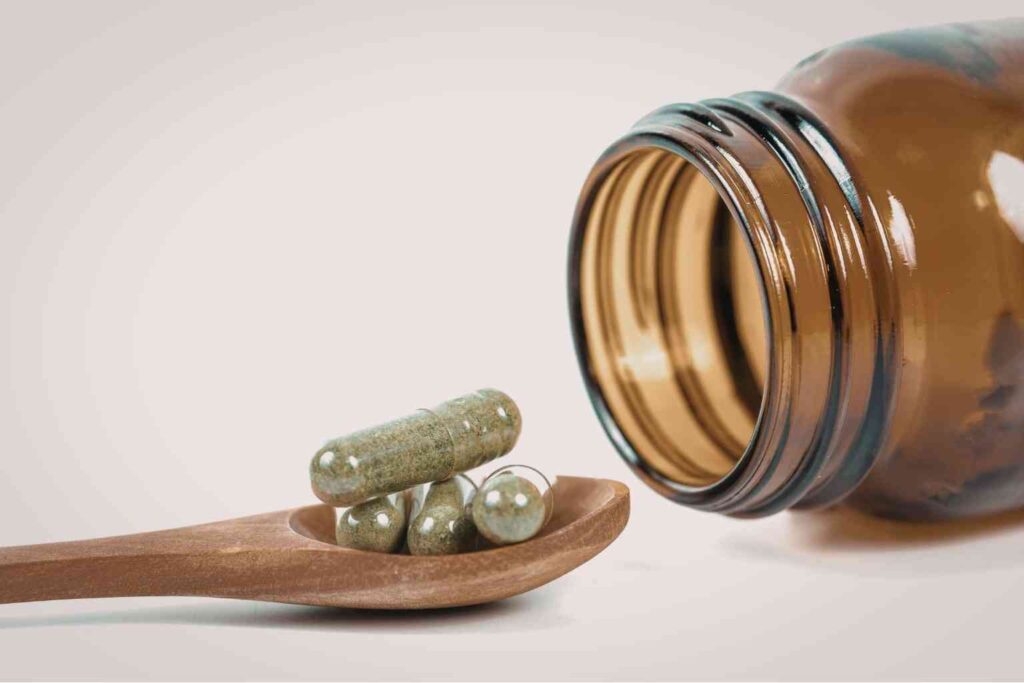
Most commercial cinnamon supplements are standardized to deliver 500 mg to 1 gram per capsule. Two capsules per day at 500 mg each equals 1 gram — within the range of documented cinnamon benefits, with a safety margin appropriate for daily use.
Best Time to Take Cinnamon for Blood Sugar and Metabolism
The timing of cinnamon supplementation is not arbitrary. Since one of the primary cinnamon benefits for blood sugar involves slowing carbohydrate breakdown and reducing post-meal glucose spikes, taking cinnamon before or with meals — particularly the largest carbohydrate-containing meal of the day — maximizes the mechanism’s relevance.
A smaller but meaningful cinnamon benefit for overnight metabolic regulation has also been noted in some research examining cinnamon before bed. Fasting blood glucose in the morning is partly determined by overnight liver glucose output, and some evidence suggests that evening cinnamon supplementation may help moderate this. The evidence is less robust than the pre-meal mechanism, but it provides rationale for those who prefer evening supplementation.
Cinnamon Side Effects, Coumarin Toxicity, and Who Should Be Careful
For most healthy adults, cinnamon consumed in culinary amounts is well tolerated. At therapeutic supplementation doses — particularly with Cassia — the primary risk is coumarin hepatotoxicity with sustained exposure above the tolerable daily intake.
Reported side effects at high doses include mouth sores or irritation from direct contact with concentrated cinnamon oil, mild gastrointestinal discomfort, and in documented cases, liver enzyme elevation with chronic high-dose Cassia use. Topical application of cinnamon oil can cause contact dermatitis.
Coumarin in cinnamon is the most clinically significant safety consideration. The NCCIH notes that cinnamon products have not been approved by the FDA for treatment of any health condition, and safety monitoring with your healthcare provider is appropriate if you are using amounts substantially above culinary norms.
Cinnamon Drug Interactions: What to Know Before Supplementing
The most important interaction to understand involves blood sugar medications. Because cinnamon benefits include meaningful glucose-lowering effects at therapeutic doses, combining cinnamon supplementation with metformin, insulin, sulfonylureas, or other hypoglycemic agents creates an additive effect that can lower blood sugar more than intended. Monitoring and dose adjustment with your prescribing physician is essential before adding therapeutic cinnamon supplementation to a diabetes medication regimen.
Anticoagulants — particularly warfarin — interact with coumarin in cinnamon. The coumarin content in Cassia cinnamon is structurally related to warfarin (a coumarin derivative) and can potentiate anticoagulant effects. Anyone taking warfarin or similar medications should discuss cinnamon supplementation with their physician before starting.
Liver-metabolized medications in general warrant caution with high-dose Cassia, given the hepatotoxicity risk associated with coumarin accumulation. Ceylon cinnamon’s negligible coumarin content largely eliminates this concern at standard supplementation doses.
Cinnamon Benefits: Frequently Asked Questions
Does Cinnamon Lower Blood Sugar Immediately?
No — and this matters for managing expectations around cinnamon benefits for blood sugar. Cinnamon works through enzymatic mechanisms that slow carbohydrate digestion and enhance insulin signaling, which means effects accumulate over time rather than producing a rapid glucose-lowering response. The acute effect of taking cinnamon before a meal is to modestly reduce the post-meal glucose spike — not to drop fasting blood sugar within hours. The more significant cinnamon benefits for glycemic control emerge after 4–12 weeks of consistent daily supplementation.
Is Ceylon Cinnamon Safe to Take Every Day?
For most healthy adults, yes. Ceylon cinnamon’s coumarin content is approximately 0.017 mg per teaspoon — well within safe daily exposure limits even at supplementation doses of 1–3 grams per day. The documented cinnamon benefits for blood sugar, inflammation, and metabolic health are achievable with Ceylon without the coumarin accumulation risk that makes daily high-dose Cassia use problematic. As with any supplement, people with liver disease, those on medication, or those who are pregnant should consult a healthcare provider first.
How Much Cinnamon Is Too Much?
For Cassia cinnamon, the practical threshold for daily use is approximately 0.5–1 gram per day based on EFSA coumarin guidelines for average adult body weights. At 2+ teaspoons of ground Cassia daily — a dose some blood sugar protocols recommend — healthy adults are likely exceeding the tolerable daily coumarin intake. The documented cinnamon benefits for blood sugar do not require Cassia at those doses; Ceylon delivers the same bioactive mechanisms without the coumarin burden.
Can You Take Cinnamon With Metformin?
This requires direct physician involvement before proceeding. Both cinnamon and metformin reduce blood glucose through overlapping mechanisms, and combining them creates an additive lowering effect. In clinical settings, this combination has been explored with monitored dose adjustments — but unsupervised combination supplementation risks hypoglycemia. The cinnamon benefits for blood sugar are real, but they are not independent of your existing medication regimen. Always disclose supplements to your prescribing physician.
Cinnamon Supplement vs. Cinnamon Powder: Does the Form Matter?
It can. A 2024 study in Food & Function suggested that powder form may preserve more of the full-spectrum polyphenol matrix than some processed extracts. However, standardized supplements with disclosed procyanidin or polyphenol content offer more consistency — you know what you are getting per dose. Ground powder varies by batch, source, and storage. For consistent pursuit of cinnamon benefits at therapeutic doses, a standardized supplement with third-party verification is the more reliable choice. For culinary supplementation at lower doses, high-quality Ceylon powder is effective and economical.
What Are the Benefits of Adding Cinnamon to Coffee?
Adding Ceylon cinnamon to coffee combines the metabolic cinnamon benefits in blood sugar management with the thermogenic effects of caffeine — a logical pairing for mornings. A quarter to half a teaspoon of Ceylon in morning coffee provides a modest but real dose of cinnamaldehyde, procyanidins, and MHCP alongside your regular routine. The cinnamon in coffee benefits are not equivalent to therapeutic supplementation doses, but they represent a practical, sustainable way to build consistent daily intake. For people already drinking coffee, it is one of the lowest-friction ways to incorporate cinnamon benefits into daily life.
Does Taking Cinnamon Before Bed Do Anything?
There is modest evidence that evening cinnamon supplementation supports overnight fasting blood glucose regulation by moderating hepatic glucose output during sleep. This is more relevant for people whose morning fasting glucose runs high despite dietary management. The cinnamon before bed benefits are less robustly studied than the pre-meal timing protocol, but the mechanism is coherent. If you are supplementing for blood sugar reasons and prefer an evening routine, it is a reasonable choice — particularly with Ceylon, given its safety profile for daily use at any time.
What Are the Specific Benefits of Cinnamon for Women Over 50?
Post-menopausal metabolic shifts — increased insulin resistance, elevated cardiovascular risk, reduced estrogen-mediated metabolic protection — make several of cinnamon’s documented mechanisms particularly relevant. Cinnamon benefits for women over 50 include: support for insulin sensitivity as estrogen-driven metabolic regulation declines; cardiovascular support through LDL and triglyceride modulation; anti-inflammatory effects relevant to the increased systemic inflammation that often accompanies menopause; and the cognitive cinnamon benefits for neuroprotection that become increasingly relevant with aging.
Cinnamon for PCOS: Does the Research Support It?
More than most natural interventions studied for PCOS, yes. Two randomized controlled trials specifically in women with PCOS found that 1.5 grams of cinnamon daily produced significant improvements in fasting insulin and insulin sensitivity. Since insulin resistance is a central driver of PCOS pathology — stimulating androgen excess and disrupting the hormonal cascade that regulates the menstrual cycle — cinnamon benefits for insulin regulation directly address a root mechanism. This does not replace medical management, but the evidence base for cinnamon as a supportive intervention in PCOS is more specific and robust than for most herbal additions.
What Are the Benefits of Cinnamon for Men?
Cinnamon benefits for men align with the metabolic and cardiovascular evidence: blood sugar stabilization, LDL and triglyceride reduction, anti-inflammatory effects, and the cognitive neuroprotection mechanisms. For men dealing with metabolic syndrome — which affects a significant proportion of adult men over 40 — the combination of these cinnamon benefits addresses several overlapping risk factors simultaneously. There is also emerging interest in cinnamon’s anti-inflammatory effects on testosterone availability, given that chronic inflammation is associated with lower testosterone production, though this specific application needs more direct human trial evidence before strong conclusions are drawn.
The Bottom Line
Cinnamon benefits are real, meaningful, and backed by a more substantial clinical evidence base than most health content acknowledges. The headline is blood sugar — and that headline is earned. Multiple meta-analyses and an umbrella review of 21 separate meta-analyses confirm that cinnamon supplementation produces significant improvements in fasting blood glucose and insulin sensitivity, particularly at doses above 1.5 grams per day and in people with existing metabolic dysfunction.
But cinnamon benefits extend well beyond blood sugar. The anti-inflammatory evidence is robust. The cardiovascular data on LDL, triglycerides, and total cholesterol is consistent. The PCOS research is clinically specific and mechanistically coherent. And the neuroprotective cinnamon benefits — while still developing in human trials — are supported by a compelling mechanistic picture centered on cinnamaldehyde’s tau inhibition and cinnamon’s role in stable cerebral glucose supply.
The most important practical insight from the research: the form and species of cinnamon matter more than most articles communicate. Ceylon cinnamon delivers the full range of documented cinnamon benefits without the coumarin burden that limits safe daily dosing of Cassia. If you are supplementing for specific health outcomes rather than occasional culinary use, that distinction is not negotiable.
Cinnamon is not a replacement for medical care, prescription management of diabetes or cholesterol, or the foundational lifestyle factors that drive metabolic health. What it is, at the right dose, from the right source, used consistently, is one of the more evidence-supported natural additions available for adults managing blood sugar, cardiovascular risk, or cognitive resilience. The cinnamon benefits are there. The research supports them. The key is knowing which form to use, at what dose, and for which outcomes.
Disclaimer: This article is for informational and educational purposes only. The content presented here is based on publicly available research, peer-reviewed studies, and information from specialized health sources. It does not constitute medical advice and is not intended to diagnose, treat, cure, or prevent any disease or health condition. We are not medical doctors or licensed healthcare providers. The cinnamon benefits discussed in this article reflect the current state of the scientific literature and do not substitute for personalized medical advice from a qualified physician. Before starting any new supplement — including cinnamon in therapeutic doses — consult your healthcare provider, particularly if you are taking prescription medications, managing a chronic condition, or are pregnant or breastfeeding. Individual results will vary.