

There is a strange gap between how fenugreek is usually presented and what the clinical literature actually says. Most content either oversells it as a testosterone-boosting miracle or dismisses it as unproven folk medicine. Neither framing is honest. Fenugreek has real, documented effects in specific areas — and genuinely weak evidence in others. The difference matters, especially if you are deciding whether to add it to your daily routine or evaluating a supplement that lists it as a key ingredient.
Fenugreek benefits have been studied in randomized controlled trials, meta-analyses, and systematic reviews covering everything from testosterone and blood sugar to lactation, cholesterol, and menstrual pain. The results are not uniform. Some findings are robust enough to justify confident recommendations. Others remain preliminary. This post covers all of it — the mechanisms behind the effects, the studies that support them, the populations that stand to gain the most, and the safety picture that most ingredient pages gloss over entirely.
What Is Fenugreek? (Trigonella foenum-graecum)
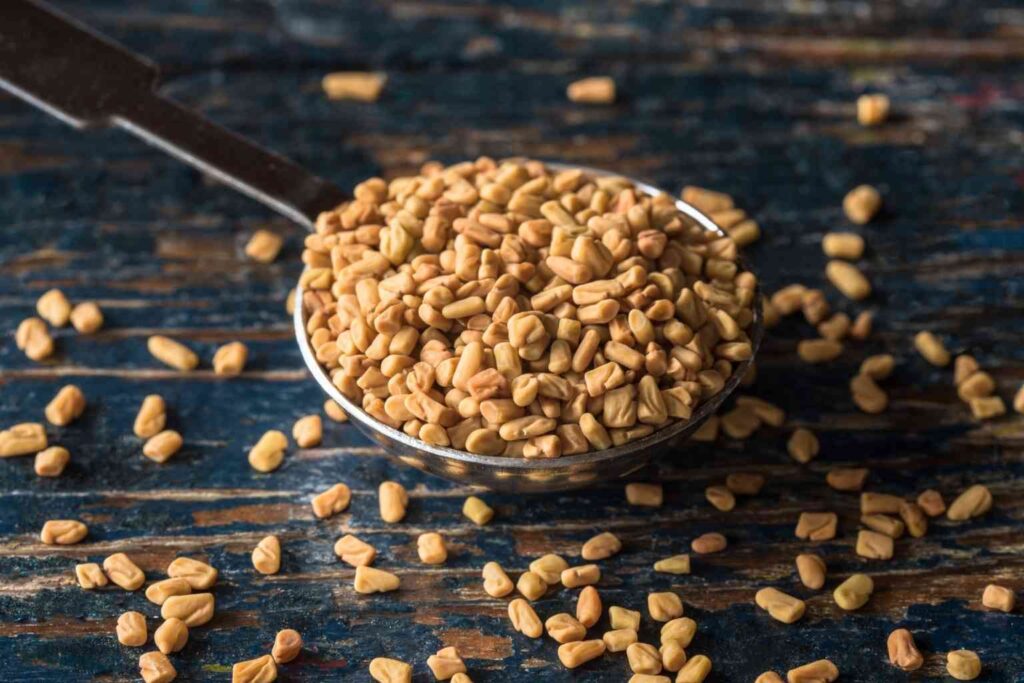
Fenugreek (Trigonella foenum-graecum) is a leguminous plant in the Fabaceae family, native to the Mediterranean basin and South Asia, with a documented history of culinary and medicinal use stretching back at least 4,000 years. Egyptian papyri mention it as a remedy for fever. Ayurvedic texts classify it as a tonic for digestion, reproductive health, and metabolic balance. In Indian households today, the dried seeds — called methi — appear in dals, curries, flatbreads, and chutneys without any wellness branding attached.
What has changed is the extraction process. Modern supplement manufacturing isolates and concentrates the bioactive compounds from fenugreek seeds at levels that would be difficult to reach through food alone. That concentration is precisely what makes fenugreek relevant in a clinical context — and precisely what requires calibrated expectations. The plant that seasons a curry operates at different doses and delivers different compound concentrations than a standardized extract capsule. Understanding that distinction is the starting point for evaluating any fenugreek benefit claim seriously.
The Compounds That Drive Fenugreek’s Effects
Fenugreek seeds contain several distinct classes of bioactive compounds, and identifying which one is responsible for which effect is central to understanding why this ingredient appears in testosterone formulas, blood sugar supplements, and gut-health products simultaneously.
Diosgenin is a steroidal saponin and the most pharmacologically active compound in fenugreek seeds. It is a recognized precursor to steroid hormones in pharmaceutical synthesis and is believed to influence androgen pathways by modulating enzymes involved in testosterone metabolism. Diosgenin is the primary target of standardized fenugreek extracts designed for hormonal applications.
Saponins — the broader class that includes diosgenin — also reduce cholesterol reabsorption in the gut by binding to bile acids, and exert anti-inflammatory effects through inhibition of pro-inflammatory signaling cascades including the NF-kB pathway.
4-Hydroxyisoleucine is an unusual amino acid found almost exclusively in fenugreek. It directly stimulates insulin secretion from pancreatic beta cells in a glucose-dependent manner — meaning it amplifies the insulin response only when blood glucose is elevated, which makes it distinctly relevant for metabolic applications without the hypoglycemia risk associated with some pharmaceutical agents.
Galactomannan fiber makes up approximately 45–50% of the seed by dry weight. This soluble fiber forms a viscous gel in the gastrointestinal tract that slows gastric emptying and delays glucose absorption — a mechanical effect independent of any hormonal pathway.
Trigonelline is an alkaloid that contributes to fenugreek’s characteristic bittersweet aroma and has demonstrated neuroprotective and blood sugar-modulating properties in preclinical models, though human evidence remains limited.
Mucilage compounds coat the gastrointestinal lining, contributing to fenugreek’s traditional use for digestive complaints and providing a degree of gut mucosal protection.
Each of these compounds is doing something different. That is not a coincidence — it is why fenugreek shows up in research across multiple health categories.
Fenugreek Seeds vs. Fenugreek Extract: Does the Form Actually Matter?
It does, and the difference is clinically significant.
The randomized controlled trials that documented testosterone increases used standardized fenugreek extract — typically 500–600mg per day of an extract standardized to a specific percentage of saponins or diosgenin. The most studied commercial extract is Testofen, a branded preparation standardized to 50% fenuside saponin glycosides, used in multiple published trials.
Whole fenugreek seeds, by contrast, contain a far lower concentration of these active compounds per gram. To approximate the saponin load used in a 600mg extract capsule, you would need to consume several grams of whole seeds daily — a realistic dietary intake for people who cook with methi regularly, but not something that translates to casual seed consumption.
For blood sugar applications, the picture is reversed. The studies showing glucose-lowering effects relied on whole seed powder or ground seeds in doses of 5–25g per day, leveraging the galactomannan fiber content rather than the isolated saponins. Fiber-based effects require the physical structure of the seed, which concentrated extracts often strip away.
The practical implication: if your primary goal is testosterone or libido support, standardized extract is the relevant form. If your goal is blood sugar and metabolic support, whole seed preparations may deliver more of what the research actually used.
Natural Food Sources of Fenugreek
Fenugreek appears in whole-food contexts more frequently than most people in Western countries realize. The seeds are a core ingredient in Indian cooking — methi seeds are toasted and ground into spice blends, whole seeds are added to tempering oils, and fresh or dried methi leaves are used as a vegetable in dishes like methi dal and aloo methi.
In Middle Eastern and North African cuisine, fenugreek appears in spice blends including hilbeh and abish, both traditionally used for postpartum recovery and lactation support. Fenugreek seed extract is also used commercially to produce artificial maple syrup flavoring — the same compound (sotolona) responsible for the characteristic body odor that some fenugreek users notice, covered in detail in the FAQ section.
From a supplementation standpoint, dietary food sources alone rarely deliver the concentrated saponin levels used in clinical trials. A tablespoon of whole seeds provides roughly 0.5–1g of total fiber and trace saponin content — valuable for digestive and metabolic support as part of a broader dietary pattern, but not equivalent to a standardized 500mg extract.
How Does Fenugreek Work? The Mechanisms Behind the Benefits
Six distinct mechanisms explain how fenugreek produces its documented effects — and why those effects span such different health categories.
Galactomannan-mediated glucose blunting. The dense soluble fiber in fenugreek seeds forms a gel matrix in the small intestine that physically slows carbohydrate digestion and delays glucose entry into the bloodstream. This reduces post-meal glucose spikes mechanically, without requiring any hormonal signal.
4-Hydroxyisoleucine insulin potentiation. Once glucose does enter circulation, 4-hydroxyisoleucine amplifies the pancreatic beta cell response, improving the insulin output proportional to the glucose load. This dual action — blunting the spike, then improving the clearance — is the core metabolic mechanism.
Diosgenin and SHBG inhibition. Sex hormone-binding globulin (SHBG) binds testosterone in circulation, rendering it biologically inactive. Elevated SHBG is one of the most common reasons for low free testosterone in men over 40, even when total testosterone appears normal. Diosgenin from fenugreek appears to reduce SHBG activity, shifting the ratio toward free (bioavailable) testosterone without directly stimulating production.
Saponin-driven anti-inflammatory action. Fenugreek saponins inhibit the NF-kB and COX inflammatory pathways, reducing systemic and intestinal inflammation. This contributes to improved gut lining integrity, reduced skin reactivity, and systemic anti-inflammatory effects relevant across multiple conditions.
Mucilage gut protection. Fenugreek seed mucilage coats the gastrointestinal mucosa, reducing irritation, supporting barrier function, and moderating gastric acid exposure. This is the basis of its traditional use for reflux and digestive discomfort.
Phytoestrogen activity. Fenugreek contains compounds with mild phytoestrogenic activity, particularly relevant for women during perimenopause and menopause. These are not estrogen replacements — they interact with estrogen receptors at low affinity, potentially supporting hormonal balance during transition periods without the risks associated with exogenous estrogen.
Fenugreek Benefits: What the Research Shows
1. Fenugreek and Testosterone: What Four Clinical Trials Actually Found
A 2020 meta-analysis published in Phytotherapy Research pooled data from four randomized controlled trials involving 236 men supplementing with fenugreek extract. The conclusion: fenugreek extract produced a statistically significant increase in total serum testosterone compared to placebo. The effect was real.
The caveat is magnitude. The average increase across the four trials was modest — roughly 10–20% above baseline depending on the population and extract used. For men with clinically low testosterone, that kind of shift can be meaningful. For men with normal testosterone levels looking for dramatic athletic enhancement, the numbers tell a more conservative story.
The most frequently cited trial used 600mg of Testofen daily for 12 weeks in 120 men aged 43–75. Participants with any dose of fenugreek extract showed increases in plasma total testosterone and free testosterone index compared to baseline, though the difference versus placebo did not reach statistical significance at all dose levels. A separate 2024 PLOS ONE double-blind trial using TrigozimR found that plasma testosterone and free testosterone index increased from baseline at all doses tested — but the placebo group also showed some increase, complicating the interpretation.
The mechanism most supported by current evidence is SHBG inhibition — not direct stimulation of testosterone production, but a shift in the bound-to-free ratio. For men whose free testosterone is suppressed by elevated SHBG despite normal total testosterone, this is the specific pathway fenugreek may influence most.
2. Fenugreek and Blood Sugar: The Fiber Mechanism That Slows Glucose Spikes
A 2024 systematic review and meta-analysis published in Heliyon examined fenugreek supplementation in type 2 diabetes across multiple clinical trials and found consistent reductions in fasting blood glucose, HbA1c, and post-meal glucose response. The galactomannan fiber is the primary driver, operating through the mechanical gel-formation mechanism described above — no receptor binding required.

One well-designed study gave participants with type 2 diabetes 5g of fenugreek seed powder twice daily for two months. By the end of the trial, participants had reductions in fasting blood sugar, belly fat, BMI, and HbA1c. Another study replaced 10% of refined wheat flour in baked goods with fenugreek powder and observed meaningfully lower post-meal glucose compared to standard flour — demonstrating that the effect works in food contexts, not just supplemental ones.
4-Hydroxyisoleucine adds a second layer: improved insulin secretion in response to elevated glucose. The two mechanisms together — blunting the spike, then improving clearance — make fenugreek one of the more mechanistically coherent natural options for metabolic support.
One caution deserves emphasis here. Anyone taking medication for diabetes, insulin, or blood sugar management should discuss fenugreek supplementation with their physician before starting. The combined effect on glucose can be additive, creating hypoglycemia risk that would not exist with either intervention alone.
3. Fenugreek for Libido and Sexual Function: Beyond the Testosterone Number
One of the more interesting findings in the fenugreek literature is that libido and sexual function improvements sometimes appear in studies even when the testosterone increase does not reach statistical significance versus placebo. That pattern suggests fenugreek may influence sexual function through pathways that operate somewhat independently of testosterone measurement.
A 6-week study in 30 men using 600mg of a fenugreek-based formula alongside zinc, magnesium, and vitamin B6 found that the majority of participants reported increased strength and improved sexual function. A 2020 double-blind placebo-controlled study published in Journal of Complementary and Integrative Medicine found significant improvements in psychological and physical health measures in men on fenugreek extract. The 600mg Testofen group in a separate 12-week trial showed decreases in body mass and body fat with increases in lean mass alongside measurable testosterone concentration increases.
The practical framing: fenugreek may support libido and sexual function through a combination of hormonal, anti-inflammatory, and vascular effects — none of which show up cleanly in a single testosterone blood test.
4. Fenugreek for Breast Milk Production: The Evidence Behind the Folk Remedy
Fenugreek is the most widely used herbal galactagogue in Western countries. The folk use long preceded the evidence. What the evidence now shows is partial validation with real caveats.
A 2018 review examining fenugreek as a galactagogue found that it significantly increased breast milk volume in four out of five included studies. The mechanism is not fully established, but the leading hypothesis involves diosgenin’s phytoestrogenic activity influencing prolactin secretion or mammary gland stimulation. Doses used in lactation studies typically range from 1–3g of whole seeds three times daily, or 500–600mg of extract three times daily.
Two caveats matter here. First, the studies are generally small and methodologically variable — the evidence is promising but not definitive. Second, fenugreek passes into breast milk and can cause the infant’s urine and sweat to smell of maple syrup. This is due to sotolona, the same volatile compound responsible for the adult body odor effect. The odor itself is not harmful, but it can be mistaken for maple syrup urine disease. Any nursing mother noticing this should mention it to their pediatrician to avoid unnecessary alarm.
5. Fenugreek and Cholesterol: What the Meta-Analyses Show
A 2020 systematic review and meta-analysis published in Phytotherapy Research examined the effect of fenugreek on serum lipid profiles across randomized controlled trials. The analysis found reductions in total cholesterol, LDL, and triglycerides, with the most consistent effect observed in total and LDL cholesterol.
The mechanism is the same bile acid binding pathway used by other fiber-rich plants. Fenugreek saponins form complexes with cholesterol-rich bile acids in the intestine, reducing their reabsorption and effectively pulling more cholesterol out of circulation to synthesize new bile. Galactomannan fiber amplifies this effect by increasing transit and reducing the window for bile acid reabsorption.
The evidence here is described accurately as moderate — not the strongest finding in the fenugreek literature, but directionally consistent across multiple studies.
6. Fenugreek Anti-Inflammatory Properties: The Saponin Connection
Fenugreek saponins and flavonoids inhibit two major inflammatory signaling pathways — NF-kB and COX — that are implicated in chronic low-grade inflammation across multiple systems. Reduced intestinal inflammation supports gut lining integrity, directly relevant to conditions like leaky gut and dysbiosis. Reduced systemic inflammation supports skin health via the gut-skin axis.
This is not the same as saying fenugreek is a powerful anti-inflammatory drug. The effect size is modest compared to pharmaceutical options. But within a multi-ingredient formula designed to address chronic low-grade inflammation, fenugreek’s contribution through saponin activity is real and mechanistically coherent.
7. Fenugreek for Digestive Health: Mucilage, Motility, and Gut Lining Support
Fenugreek seeds contain a significant mucilage fraction — a polysaccharide compound that swells in contact with water and coats mucosal surfaces. In the stomach and small intestine, this creates a protective film over the gut lining that reduces exposure to acid, irritants, and inflammatory agents.
Traditional medicine systems across South Asia, the Mediterranean, and North Africa have used fenugreek for gastric discomfort, reflux, and inflammatory bowel symptoms for centuries. The clinical evidence for these specific applications is largely indirect — most of what is known comes from the fiber and anti-inflammatory research rather than dedicated digestive trials. The historical depth of use, however, provides meaningful context when evaluating gut-oriented supplement formulas that include fenugreek as a supporting ingredient.
8. Fenugreek for Menstrual Cramp Relief: Underreported and Clinically Supported
This is one of the most clinically interesting fenugreek applications — and one that practically no mainstream ingredient review covers with actual evidence.
A 2014 study published in the Journal of Reproduction & Infertility assigned women with primary dysmenorrhea to receive 1,800mg of fenugreek seed powder three times daily during the first three days of the first two menstrual cycles, followed by no treatment for the next two cycles. The result: significantly reduced pain intensity and shorter duration of pain during the treatment cycles, with no significant change in the no-treatment cycles.
The proposed mechanism involves fenugreek’s analgesic alkaloids and prostaglandin-modulating activity. Women in the study also reported reduced fatigue, headache, nausea, and vomiting during supplemented cycles. This is a single study with a small sample — it warrants follow-up. But it represents a documented clinical signal that most fenugreek content ignores entirely.
Fenugreek vs. Ashwagandha for Testosterone: Which One Is Right for You?
Both fenugreek and ashwagandha appear regularly in natural testosterone formulas, often in the same product. But they work through completely different mechanisms — and that difference matters when deciding which is more relevant to your specific situation.
Fenugreek operates primarily through SHBG inhibition and diosgenin-mediated androgen pathway modulation. The problem it addresses is not insufficient testosterone production — it is testosterone that is being made but rendered biologically inactive by excessive binding protein. This is a common pattern in men over 40, where SHBG tends to rise even when total testosterone remains within normal range. Fenugreek, in this scenario, shifts the balance toward free testosterone without necessarily increasing total output.
Ashwagandha operates through a fundamentally different route: cortisol suppression via HPA axis regulation. High chronic stress elevates cortisol, which directly suppresses testosterone production at the hypothalamic-pituitary level. Ashwagandha’s well-documented cortisol-lowering effects remove that suppressive signal, allowing the body’s own production to recover.
The practical difference: if your primary issue is high stress, poor sleep, and chronically elevated cortisol, ashwagandha addresses the root cause. If your issue is elevated SHBG with low free testosterone despite reasonable stress levels, fenugreek targets the right mechanism.
They are not competing options. Many men over 40 have both problems simultaneously — which is why formulas that include both are not stacking supplements arbitrarily. They are covering two distinct biological pathways.
Who Benefits Most from Fenugreek Supplements?
Fenugreek is not a one-size-fits-all ingredient. Its documented effects are concentrated in specific populations with specific needs — and knowing whether you fit those profiles is more useful than a generic recommendation.
Fenugreek for Men Over 50: Testosterone, Metabolic Health, and the Compound Effect
After 50, three things tend to happen simultaneously in men: free testosterone declines partly due to rising SHBG, insulin sensitivity decreases, and systemic inflammation creeps upward. Fenugreek addresses all three vectors through a single ingredient.
The SHBG-lowering effect on free testosterone becomes more relevant with age precisely because SHBG tends to rise with age — a pattern well-documented in the male aging literature. The galactomannan and 4-hydroxyisoleucine content supports insulin function at a time when metabolic flexibility is declining. And the anti-inflammatory saponins contribute to the chronic inflammation management that becomes increasingly important in the fifth decade and beyond.
ProstaVive includes fenugreek within exactly this multi-mechanism context — alongside Tongkat Ali, Ashwagandha, and zinc — targeting the intersection of urinary comfort, testosterone support, and broader male vitality. If you want a deeper look at how fenugreek fits within that formula and how the full ingredient stack works together, read the full ProstaVive review here.
Fenugreek Benefits for Women Over 40: Hormonal Shifts, Skin, and Blood Sugar
The perimenopause and early postmenopause period brings a cluster of overlapping changes: declining estrogen, increasing insulin resistance, rising systemic inflammation, and skin changes driven by reduced collagen synthesis and gut microbiome disruption. Fenugreek’s phytoestrogenic activity, blood sugar support, anti-inflammatory properties, and gut-lining protection each touch one or more of these processes.
The connection to skin health is particularly relevant through the gut-skin axis. Rising intestinal inflammation and dysbiosis — common during hormonal transition — drive visible skin changes including increased breakouts, dullness, and accelerated fine line formation. Fenugreek’s anti-inflammatory and gut-protective mechanisms support the internal environment from which healthier skin outcomes emerge.
PrimeBiome includes fenugreek within a gut-skin axis formula specifically designed for women experiencing exactly this cluster of changes. For a complete look at how fenugreek’s role fits within the broader formula and what users are reporting, read the full PrimeBiome review here.
Fenugreek in Modern Supplements
ProstaVive: Fenugreek as Part of a Multi-Angle Male Vitality Formula
ProstaVive uses fenugreek as one component of a broader formula built around the recognition that men seeking prostate support are rarely dealing with prostate function alone. The formula includes ingredients targeting urinary comfort (Nettle Root), testosterone and vitality (Tongkat Ali, Fenugreek), stress and hormonal balance (Ashwagandha), and foundational micronutrients (Zinc, Magnesium, Vitamin D).
Within this architecture, fenugreek’s role is specific: SHBG modulation and free testosterone support, operating alongside Tongkat Ali’s direct androgenic and stress-adaptive properties. The two ingredients use different mechanisms to reach a shared outcome — more bioavailable testosterone — which is a more defensible formulation logic than stacking multiple ingredients that all claim to “boost testosterone” through the same pathway.

Read the full ProstaVive review here.
PrimeBiome: Fenugreek’s Role in the Gut-Skin Connection
PrimeBiome’s inclusion of fenugreek is not about testosterone. It is about metabolic and intestinal inflammation — two mechanisms that directly influence skin health through the gut-skin axis.
Elevated post-meal blood sugar accelerates glycation, a process where sugar molecules bind to collagen fibers and degrade them — contributing to wrinkles, reduced skin elasticity, and a dull complexion. Fenugreek’s galactomannan and 4-hydroxyisoleucine content helps blunt that glucose response, reducing a behind-the-scenes driver of skin aging that topical products cannot address.

Simultaneously, fenugreek’s anti-inflammatory properties support the intestinal lining, reducing gut permeability and the systemic inflammatory signals that ultimately express on the skin. Within PrimeBiome’s formula — which includes Bacillus coagulans, Inulin, Babchi, Dandelion, and Lemon Balm — fenugreek contributes to both the metabolic and inflammatory components of gut-to-skin health.
Read the full PrimeBiome review here.
How Long Does Fenugreek Take to Work?
The answer depends entirely on what you are taking it for — and the timelines are clinically distinct across applications.
For testosterone and free testosterone changes, the relevant trials ran 8–12 weeks. Most participants in the Testofen studies reported changes in energy and libido within 4–6 weeks, with measurable hormonal shifts becoming statistically significant around the 8-week mark. Expecting results in two weeks is not realistic. Expecting results in eight is.
For blood sugar and metabolic effects, the timeline is shorter. The galactomannan fiber effect on post-meal glucose begins with the first dose — it is a mechanical effect, not a hormonal one. Fasting blood glucose improvements in clinical trials appeared within 2–4 weeks of consistent use. HbA1c changes, reflecting longer-term glucose control, require 8–12 weeks to become measurable.
For breast milk production, the response is notably faster. Many nursing mothers who respond to fenugreek report increased milk volume within 24–72 hours of beginning supplementation. If no change is noticed within seven to ten days, the evidence does not support continuing — not all women respond, and the effect appears to be variable across individuals.
For menstrual pain relief, the single study used fenugreek only during the first three days of the menstrual cycle — the intervention window was short and the effects were acute rather than cumulative.
The broader pattern: fenugreek is not a fast-acting supplement in most applications. It rewards consistent, sustained use over weeks, not days.
Fenugreek Dosage, Timing, and Safety
How Much Fenugreek Per Day? Dosage by Goal
Dosage varies significantly depending on the intended application — a detail most single-page ingredient summaries never address.
For testosterone and libido support, the clinical trials used standardized extract at 500–600mg per day, most often as a single daily dose or split into two 300mg doses. The Testofen extract standardized to 50% fenuside saponins is the most studied formulation in this context.
For blood sugar and metabolic support, whole seed powder in doses of 5–10g per day showed consistent effects in diabetes research. Extract-based formulas in the 500–1,000mg range also showed results, though the fiber-dependent mechanical effect is better delivered by whole seed forms.
For breast milk production, traditional and clinical use centers on 1–3g of whole seeds taken two to three times daily, or 500–600mg of extract three times daily — a higher daily total than most testosterone-oriented formulas.
For menstrual pain relief, the one clinical trial used 1,800mg of seed powder three times daily during the first three days of menstruation — substantially higher than typical daily supplement servings.
Most commercial supplements contain 500–600mg of standardized extract per serving. That dose aligns well with testosterone and libido research, moderately with metabolic research, and falls below the doses used in the lactation and dysmenorrhea literature.
Fenugreek Side Effects in Men and Women: What to Actually Expect
The side effect that most people encounter first — and search for in a mild panic — is a maple syrup smell in their sweat and urine. This is caused by sotolona, a volatile compound present in fenugreek that the body metabolizes and excretes through sweat glands and urine. It is harmless, fully reversible upon stopping supplementation, and not a sign of any metabolic problem. Knowing about it in advance significantly reduces unnecessary concern.
Beyond the odor, the most commonly reported side effects are gastrointestinal: mild bloating, increased gas, loose stools, and occasional nausea — particularly when starting at higher doses or taking supplements without food. Starting with a lower dose and titrating upward reduces these effects for most people.
Allergic reactions occur in some individuals, particularly those with known allergies to other legumes. Peanuts, soybeans, chickpeas, and green peas share botanical family characteristics with fenugreek that can trigger cross-reactive responses. Anyone with a legume allergy should proceed with caution and medical guidance.
Fenugreek is considered possibly safe for up to three years of consistent use based on available data. Long-term safety beyond that window has not been formally studied.
Fenugreek Drug Interactions and Precautions
Three interaction categories require attention.
Diabetes medications and insulin. Fenugreek lowers blood sugar through documented mechanisms. Combined with metformin, insulin, or other glucose-lowering agents, the additive effect can push blood glucose below safe levels. Anyone managing diabetes with prescription medication should not add fenugreek without discussing it with their prescribing physician.
Anticoagulant medications. Fenugreek has mild antiplatelet activity and may slow blood clotting. Combined with warfarin or other anticoagulants, this creates a risk of prolonged bleeding. Current guidance recommends stopping fenugreek at least two weeks before scheduled surgery for the same reason.
Pregnancy. Fenugreek has a long traditional use as a uterine stimulant in high doses — a property that makes it potentially unsafe during pregnancy. Doses beyond typical culinary amounts are not recommended and have been associated in some reports with early uterine contractions at high concentrations. Food amounts are generally considered safe; supplemental doses are not.
Frequently Asked Questions About Fenugreek
Does fenugreek actually increase testosterone, or is it just marketing?
The evidence says it is neither entirely one nor the other. A 2020 meta-analysis of four randomized controlled trials found a statistically significant effect on total serum testosterone. The effect is real but modest — approximately 10–20% above baseline in most studies, operating primarily through SHBG inhibition rather than increased production. For men with elevated SHBG and suppressed free testosterone, that shift is clinically relevant. For men with normal testosterone seeking dramatic athletic enhancement, the numbers do not support the strongest marketing claims.
Can fenugreek raise testosterone without exercise or lifestyle changes?
Some of the positive fenugreek trials did not require exercise as part of the protocol — so the short answer is yes, some hormonal effect can occur without concurrent resistance training. An older study that did combine fenugreek with resistance training showed more pronounced results, suggesting the two may be synergistic. But the mechanism of SHBG modulation operates independently of exercise — it does not require physical training to produce a shift in free testosterone ratio.
How long does fenugreek take to increase milk supply?
Most nursing mothers who respond to fenugreek report an increase in milk volume within 24–72 hours of beginning supplementation. A response within the first week is a reasonable indicator of efficacy for that individual. If no change is noticed within seven to ten days, the evidence does not support continuing — the galactagogue effect appears to be variable across individuals, and not all women respond.
Why does fenugreek cause a maple syrup smell in sweat and urine?
The compound responsible is sotolona (4,5-dimethyl-3-hydroxy-2(5H)-furanone), a volatile organic molecule present in fenugreek that the body absorbs, metabolizes, and excretes through the skin and urinary tract. The smell is identical to artificial maple syrup because sotolona is also the primary flavor compound used in maple syrup production. It is completely harmless, appears within hours of the first dose for sensitive individuals, and resolves within a day or two of stopping supplementation. The only clinical concern is that the same odor appears in the urine of infants whose mothers take fenugreek while nursing — not a sign of disease, but worth mentioning to a pediatrician to avoid confusion with maple syrup urine disease.
Should I take fenugreek before bed or in the morning?
Clinical trials have used both single daily doses and split dosing without establishing a clear superiority for either timing. For metabolic and blood sugar applications, taking fenugreek before meals — particularly the largest meal of the day — aligns with the mechanism of slowing gastric emptying and blunting post-meal glucose. For testosterone and hormonal applications, there is no strong evidence that morning versus evening dosing produces different outcomes. Consistency matters more than timing — the same time every day reduces variability and supports adherence.
Fenugreek seeds vs. fenugreek extract supplement: which works better?
Neither form is universally superior — the right form depends on the goal. For testosterone and libido applications, standardized extract (500–600mg, standardized to saponin content) is what the clinical trials used. For blood sugar management, whole seed powder (5–10g per day) delivers the galactomannan fiber and 4-hydroxyisoleucine in the form and dose that most research validated. If your goal spans both areas, a standardized extract combined with regular dietary inclusion of seeds provides both pathways.
Is fenugreek safe to take if I’m on diabetes medication?
Not without medical consultation first. Fenugreek and diabetes medications both lower blood sugar — combining them without dose adjustment creates a meaningful risk of hypoglycemia. This is a documented pharmacodynamic interaction, not a hypothetical concern. A physician supervising your diabetes management can evaluate whether fenugreek is appropriate, at what dose, and whether any medication adjustments are warranted.
Does fenugreek affect estrogen levels in women?
Fenugreek contains compounds with mild phytoestrogenic activity — primarily through diosgenin and related saponins that interact weakly with estrogen receptors. The effects are far milder than exogenous estrogen or pharmaceutical phytoestrogens. For women in perimenopause experiencing hormonal fluctuation, this mild estrogenic activity may contribute to symptom management — some studies have reported reductions in hot flash frequency and severity with fenugreek supplementation. Women with hormone-sensitive conditions should discuss fenugreek supplementation with their physician before using it.
Fenugreek Benefits – The Bottom Line
Fenugreek is one of the more evidence-supported botanical ingredients in the supplement space — not because it does everything, but because what it does, it does through mechanisms that hold up to scientific scrutiny.
Fenugreek benefits that are supported by clinical evidence include: modest but real increases in free testosterone via SHBG inhibition, meaningful blood sugar support through galactomannan fiber and 4-hydroxyisoleucine, documented increases in breast milk production in a majority of lactation studies, and clinically observed reduction in menstrual pain. Cholesterol and anti-inflammatory effects are directionally supported but less robustly studied.
The form matters. The dose matters. And the timeline requires patience — most fenugreek benefits emerge over weeks, not days.
For men over 50 dealing with free testosterone decline and metabolic changes, and for women over 40 navigating hormonal shifts, skin changes, and blood sugar fluctuations, fenugreek is a mechanistically coherent ingredient when paired with the right complementary compounds. The evidence does not support taking fenugreek expecting dramatic, rapid transformation. It does support using it as a well-chosen component of a sustained, multi-target approach to natural health.
Disclaimer: The information in this post is for educational and informational purposes only, based on publicly available research and published studies. It does not constitute medical advice and is not a substitute for consultation with a qualified healthcare professional. We are not doctors. Before starting any new supplement — including fenugreek — please consult your physician or licensed healthcare provider, especially if you have a diagnosed medical condition, are taking prescription medications, or are pregnant or nursing. All content on Healthy Routine Lab is intended to inform, not to diagnose, treat, cure, or prevent any disease.