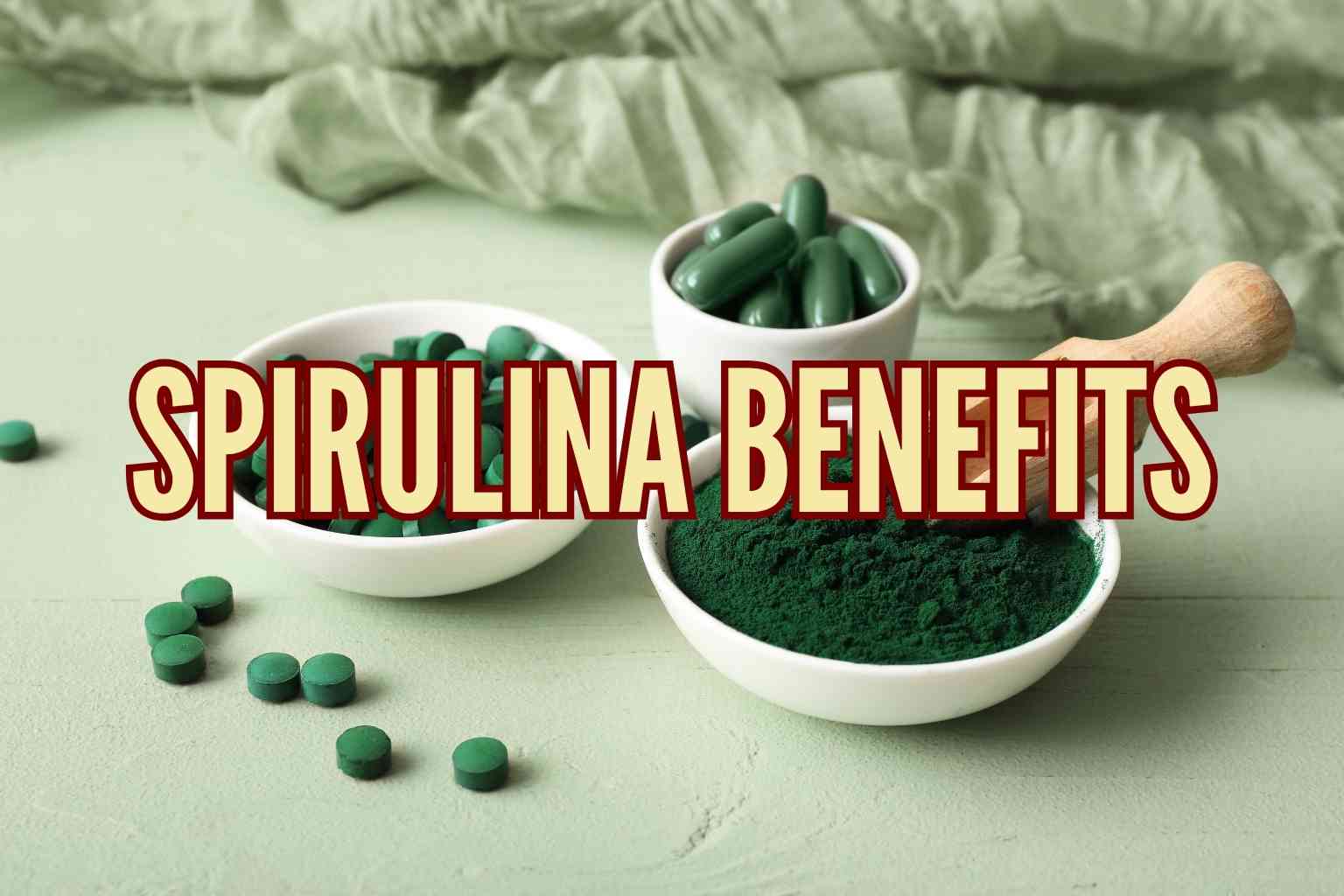
Spirulina Benefits: There is a version of the spirulina conversation that happens everywhere online, and it goes roughly like this: ancient superfood, used by the Aztecs, packed with protein, cures everything. Some of that is grounded in real biology. A lot of it is not. And the gap between what spirulina actually does — based on clinical data — and what supplement marketing says it does is wide enough to matter if you are deciding whether to add it to your routine.
This guide is the version of that conversation that the science actually supports. You will find a breakdown of the key benefits with specific study references, an honest look at where the evidence is strong versus where it is still preliminary, a real discussion of the risks that most posts skip, and a direct comparison with chlorella for anyone trying to decide between the two. If you take thyroid medication, have an autoimmune condition, or just want to know whether spirulina is worth the hype for your specific goals — this is where to start.
What Is Spirulina?
Spirulina is not a plant. It is not technically an algae either, despite being sold that way on virtually every label. It is a cyanobacterium — a photosynthetic microorganism that has been on this planet for over three billion years and consumed by humans for at least six centuries. The Aztecs harvested it from Lake Texcoco and pressed it into cakes. Communities in Chad have eaten it dried from the shores of Lake Chad for generations. NASA studied it as a food source for long-duration space missions in the 1980s.
The modern supplement version is almost always Arthrospira platensis — the species that accounts for the vast majority of commercial spirulina production worldwide. It grows in warm, alkaline water and is farmed in large outdoor ponds or, in higher-quality operations, in closed photobioreactor systems that eliminate exposure to environmental contaminants. That distinction matters more than most buyers realize, and we will come back to it in the safety section.
What makes spirulina nutritionally interesting is its density. A single tablespoon (7 grams) of dried spirulina delivers approximately 4 grams of protein, meaningful amounts of B vitamins including B1, B2, and B3, copper, iron, and the antioxidant pigment phycocyanin that gives it the characteristic blue-green color. On a per-gram basis, it is among the most nutrient-dense whole foods studied. The practical question — whether those nutrients translate into measurable health outcomes at realistic supplemental doses — is exactly what the clinical literature has been working through for the past two decades.
Arthrospira platensis: The Science Behind the Name
Arthrospira platensis is the scientific name for the spirulina species used in most dietary supplements and clinical trials. The name “spirulina” itself refers to the spiral filament structure visible under a microscope. When you see a study on “spirulina,” it is almost certainly using A. platensis unless the paper specifies otherwise.
The species is classified as a cyanobacterium rather than an alga because it lacks a nucleus — its genetic material floats freely in the cell, the defining characteristic of prokaryotic organisms. This is also why spirulina has no cell wall made of cellulose, unlike chlorella, which means the body can absorb its nutrients without any special processing. Digestibility is estimated at 85–95% for spirulina protein, which is unusually high for a plant-source food.
Spirulina Powder vs Tablets: Which Form Actually Works Better?
The short answer is that the form does not dramatically change bioavailability — but it does change practical compliance, contamination risk, and dosing accuracy, which are not minor considerations.
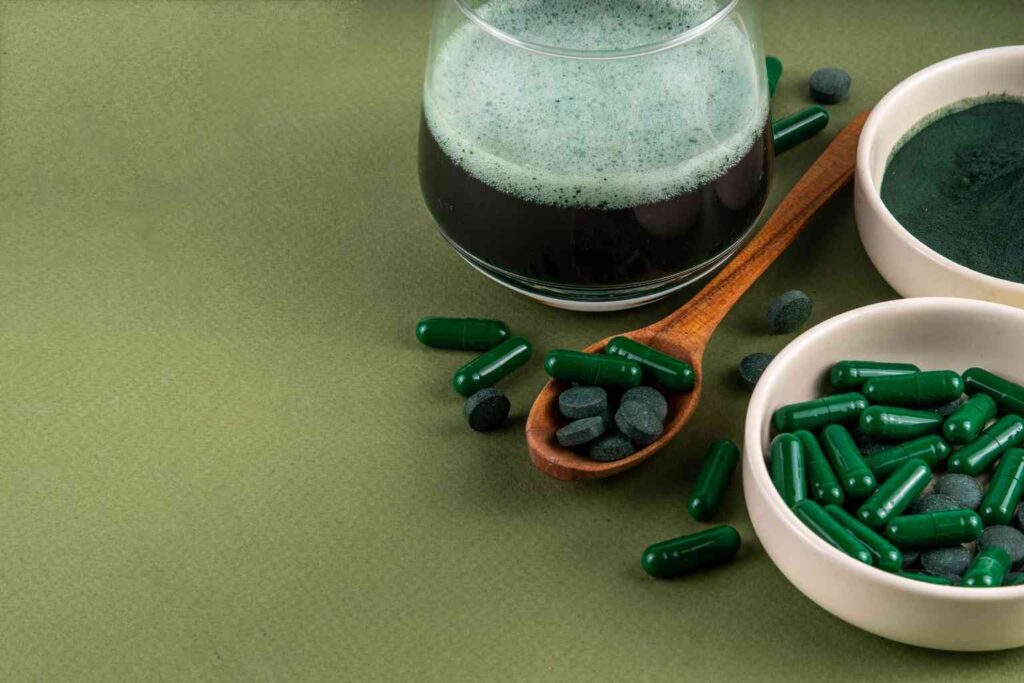
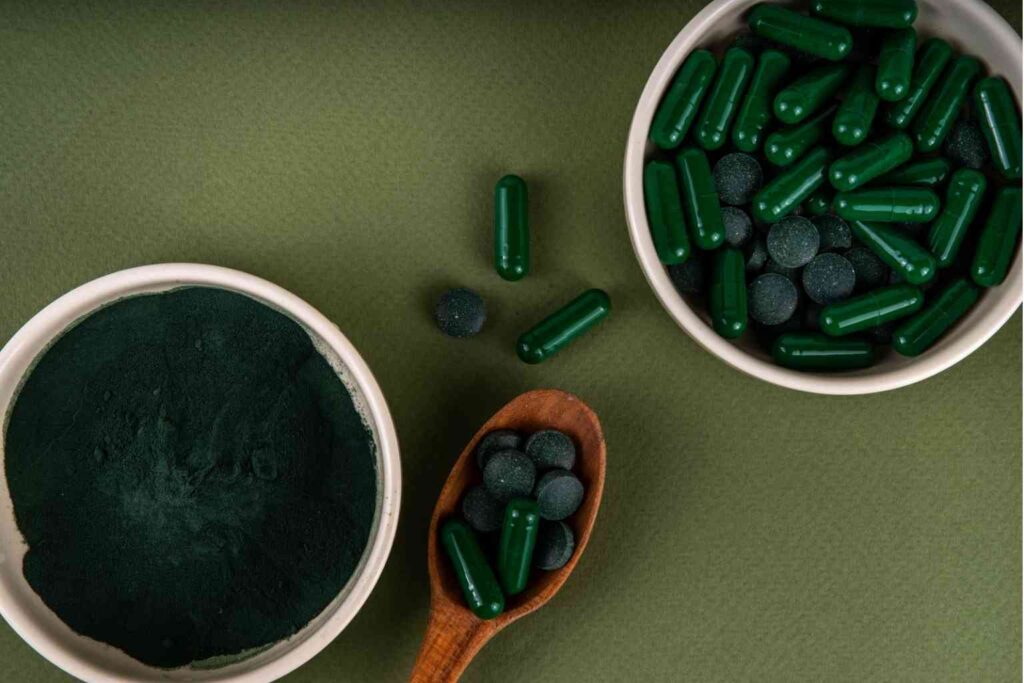
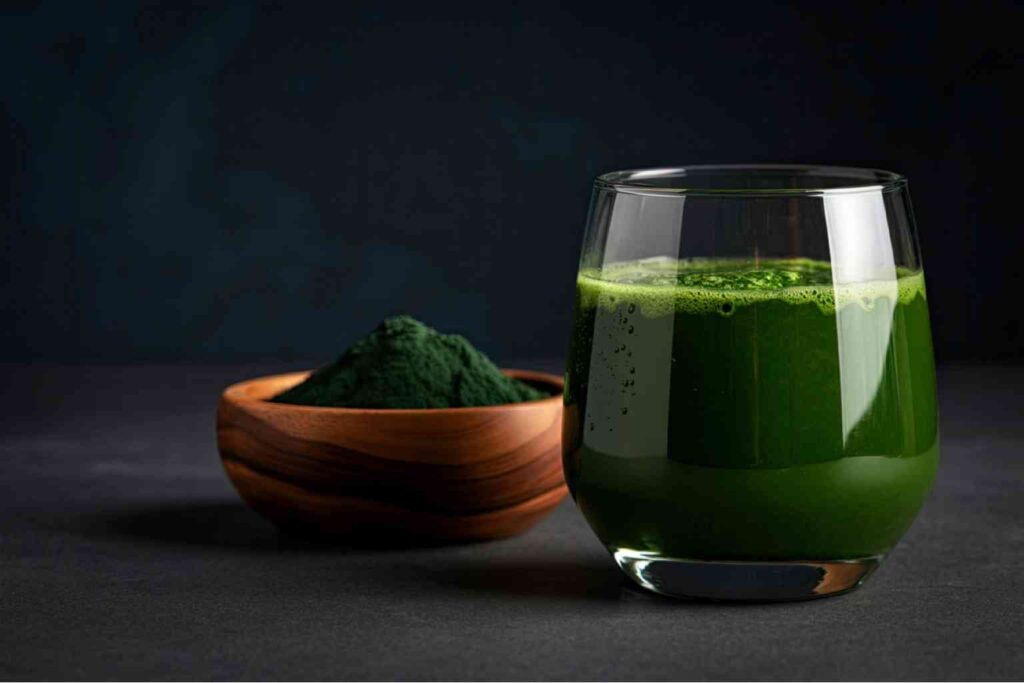
Powder gives you flexibility. You can add it to smoothies, mix it into water, or incorporate it into recipes. The dose is easy to adjust. The downside is that powder exposed to light and air degrades faster, and the taste — described by most people as grassy, mineral, and distinctly oceanic — is pronounced enough to make consistency a real challenge.
Tablets and capsules have a significant compliance advantage. The taste is contained, the dose is fixed, and the product is generally more stable during storage. The tradeoff is that capsule products sometimes use lower-quality spirulina to offset the extra manufacturing cost, and the dose per serving is frequently lower than what clinical studies use.
What actually matters more than form: the quality and sourcing of the spirulina itself. Closed-system cultivation, third-party testing for heavy metals and microcystins, and transparent country-of-origin labeling are the factors that separate a safe, effective spirulina from one that carries real contamination risk. More on that in the safety section.
Natural Food Sources of Spirulina
Spirulina in its natural form grows in alkaline lakes and warm freshwater environments — not in the produce aisle. Wild-harvested spirulina exists in Lake Texcoco in Mexico, Lake Chad in Africa, and in alkaline lakes across parts of East Africa. For practical purposes, spirulina is not something you encounter as a naturally occurring ingredient in everyday food unless it has been deliberately added.
That said, a growing number of functional foods now incorporate spirulina as an added ingredient: protein bars, green powders, plant-based protein blends, certain pasta products, and — relevant to readers of this site — some nighttime supplement formulas designed to combine metabolic and recovery support. The concentration in these products varies significantly, and the spirulina content in a green smoothie powder is rarely at the dose levels used in clinical research.
The meaningful doses in the literature — the ones associated with measurable changes in cholesterol, blood pressure, or weight — generally range from 1 to 8 grams per day, consumed over periods of 8 to 16 weeks. A teaspoon of spirulina powder is approximately 3 grams. For food-based applications like spirulina-enhanced pasta, the actual spirulina content per serving is typically a fraction of that.
How Does Spirulina Work? The Biological Mechanisms Behind the Benefits
Most supplement marketing describes spirulina as a “superfood” and leaves it at that. The clinical literature is more specific — and more interesting. The health effects associated with spirulina trace back to a relatively small number of biological mechanisms that are now reasonably well understood.
Phycocyanin is the primary active compound and the one most responsible for spirulina’s documented anti-inflammatory and antioxidant effects. It is a blue pigment unique to cyanobacteria — you will not find it in chlorella, wheatgrass, or any other common green supplement. Phycocyanin works by inhibiting the activity of NF-κB, one of the central signaling proteins in the body’s inflammatory cascade. When NF-κB is chronically over-activated — as it is in many metabolic diseases — it drives low-grade systemic inflammation that contributes to cardiovascular risk, insulin resistance, and tissue damage. Phycocyanin appears to interrupt this pathway without suppressing immune function broadly, which is a meaningful distinction.
Nitric oxide production is the second mechanism with strong clinical relevance, particularly for blood pressure. Spirulina supplementation has been associated with increased endothelial production of nitric oxide — the molecule that signals blood vessels to relax and dilate. This is the same pathway targeted by drugs like sildenafil, though through a completely different mechanism and with much more modest magnitude of effect.
Gamma-linolenic acid (GLA) is a rare anti-inflammatory omega-6 fatty acid found in meaningful amounts in spirulina but not in most plant foods. GLA is a precursor to anti-inflammatory prostaglandins and has been independently studied for its effects on inflammation and lipid metabolism.
Iron bioavailability is one of spirulina’s more underappreciated attributes. Spirulina contains approximately 28.5 mg of iron per 100 grams — significantly more than beef or spinach on a per-gram basis. Crucially, early research suggests this iron is in a form that is well absorbed, and importantly, spirulina does not cause the constipation and digestive discomfort associated with conventional iron supplements.
Gut microbiota modulation is an emerging area. Animal studies and limited human data suggest spirulina may act as a prebiotic-like substrate, promoting the growth of beneficial bacteria including Lactobacillus species while reducing populations of opportunistic pathogens. The human clinical evidence here is early but the mechanistic rationale is coherent given spirulina’s fiber and polysaccharide content.
Superoxide dismutase (SOD) activity increases with spirulina supplementation in several studies. SOD is an endogenous antioxidant enzyme — one of the body’s primary defenses against oxidative stress. A 2021 review found that 30 subjects with COPD who consumed 1–2 grams of spirulina daily for 60 days showed up to a 20% increase in blood SOD levels.
Spirulina Benefits: What the Research Actually Shows
The claim landscape for spirulina is wide. The evidence landscape is more focused. Below is a benefit-by-benefit breakdown that distinguishes between what clinical trials in humans have confirmed, what is supported by strong mechanistic evidence but limited human data, and what is mostly marketing.
1. Spirulina for Cholesterol: What a 2023 Meta-Analysis Confirmed
The lipid evidence for spirulina is among the most consistent in the literature. A 2023 meta-analysis published in Nutrients pooling data from multiple randomized controlled trials found that spirulina supplementation significantly reduced total cholesterol, LDL cholesterol, and triglycerides, while modestly increasing HDL. The reductions were not dramatic — we are talking about decreases in the range of 10–20 mg/dL for LDL in most studies — but they are statistically robust and have been replicated across different populations and dosing protocols.
The mechanism is twofold. Phycocyanin inhibits cholesterol absorption in the intestine by interfering with bile acid reuptake. And spirulina’s GLA content appears to influence the liver’s production of VLDL, the precursor to LDL particles. Neither of these is a pharmaceutical-level intervention, but for someone managing borderline lipid levels through lifestyle, the addition is clinically meaningful.
One important nuance: the effects appear stronger in people with elevated baseline cholesterol. In individuals with already-normal lipid panels, the changes are smaller and less consistent across studies. This is a pattern worth knowing before you expect spirulina to move numbers that are not particularly problematic to begin with.
2. Spirulina for Blood Pressure: The Nitric Oxide Connection
A 2021 systematic review in Complementary Therapies in Medicine analyzed multiple controlled trials and found that spirulina supplementation significantly reduced both systolic and diastolic blood pressure, with the effects most pronounced in individuals who had elevated blood pressure at baseline. The reductions — approximately 4–8 mmHg systolic in the stronger studies — are modest by pharmacological standards but meaningful by lifestyle intervention standards.

The mechanism centers on nitric oxide (NO) production. Spirulina’s phycocyanin and its high concentration of the amino acid arginine both support endothelial NO synthesis. When endothelial cells produce more NO, the smooth muscle lining of blood vessels relaxes, reducing peripheral resistance and lowering blood pressure. This is a well-understood physiological pathway, and spirulina’s effect on it is biologically plausible and now reasonably well-supported in human trials.
For context: a 5 mmHg reduction in systolic blood pressure is associated with roughly a 14% reduction in stroke risk at the population level. That is not a trivial number, even if it comes from a supplement rather than a medication.
3. Spirulina for Weight Loss: A Closer Look at the Numbers
A 2025 meta-analysis of 23 studies involving approximately 1,000 participants — published in a longevity-focused research context — found that spirulina supplementation in overweight and obese individuals produced a statistically significant reduction in body weight of approximately 2–3% of initial body weight over the study periods. That translates to roughly 2 kg on average.
To put that in context: the 5% threshold is generally considered the minimum for clinically meaningful weight loss. Spirulina on its own does not reliably reach that bar. What the evidence does support more clearly is spirulina’s effect on appetite regulation and metabolic markers rather than direct fat-burning. The protein content slows gastric emptying. The effect on insulin sensitivity may reduce post-meal blood sugar spikes and the subsequent hunger that follows. And the anti-inflammatory effects on the liver appear to reduce fat accumulation in hepatic tissue, which is an underappreciated mechanism in metabolic weight gain.
The honest framing: spirulina is not a weight loss supplement in the way that term is usually understood. It is a metabolic support ingredient that may make meaningful contributions when used consistently alongside a reasonable dietary approach.
4. Spirulina for Inflammation: Why Phycocyanin Gets All the Credit
Chronic low-grade inflammation is a driver of virtually every major metabolic disease — cardiovascular disease, type 2 diabetes, fatty liver, and accelerated aging among them. Spirulina’s anti-inflammatory credentials rest almost entirely on phycocyanin, and the research here is among the most mechanistically compelling in the spirulina literature.

A 2018 review in Nutrients confirmed that phycocyanin inhibits both COX-2 (the same enzyme targeted by ibuprofen) and NF-κB simultaneously. This dual inhibition is notable because most natural anti-inflammatory compounds work on one pathway or the other, not both. The result is a broader anti-inflammatory effect with a safety profile that does not include the gastrointestinal risks associated with chronic NSAID use.
Human clinical data on inflammatory biomarkers shows consistent reductions in C-reactive protein (CRP) and interleukin-6 with spirulina supplementation in trials lasting 8 weeks or more. The effect sizes are moderate, not dramatic — but the consistency across populations is meaningful.
5. Spirulina for Blood Sugar: The Insulin Sensitivity Evidence
The blood sugar data for spirulina is promising but requires honest qualification. A 2018 review in BMC Complementary and Alternative Medicine found that spirulina supplementation significantly lowered fasting blood glucose and improved other cardiovascular and metabolic biomarkers in people with type 2 diabetes. A 2021 meta-analysis of eight studies confirmed that spirulina significantly reduced fasting blood sugar, HbA1c, and insulin resistance markers in people with type 2 diabetes.
The mechanism involves spirulina’s ability to improve insulin sensitivity at the cellular level — essentially making muscle and liver cells more responsive to the insulin signal, so less glucose circulates unabsorbed in the blood. A study published in Nutrients in 2011 found that 8 weeks of spirulina supplementation increased insulin sensitivity by 224.7% in a study cohort. That number looks striking out of context; the relevant takeaway is that the direction of effect is consistent and the mechanism is biologically sound.
The qualification: most of this data comes from people who already have impaired glucose metabolism. For individuals with normal fasting blood sugar, the blood sugar effects of spirulina are less dramatic. People with diabetes should monitor blood glucose when adding spirulina, as the additive effect with medication is real and requires awareness.
6. Spirulina for Anemia and Iron Deficiency: A Plant-Based Source That Surprises
Iron deficiency is the most prevalent nutritional deficiency globally, and it disproportionately affects women, vegetarians, and older adults. Spirulina’s iron content — approximately 28.5 mg per 100 grams — is substantially higher than both beef (2.6 mg/100g) and spinach (2.7 mg/100g), two of the most commonly cited iron sources. More importantly, the iron in spirulina appears to be in a form that is reasonably bioavailable and, critically, does not cause the constipation and nausea associated with conventional iron supplementation.
The WHO has formally recognized spirulina as a high-quality iron source and has included it in nutritional support programs for children with iron deficiency anemia in several regions. Clinical studies have confirmed increases in hemoglobin levels with spirulina supplementation in anemic populations, including children and pregnant women.
For adults — particularly women over 40 who may still be managing iron stores during perimenopause, or vegetarians who avoid heme iron sources — spirulina represents one of the more practical whole-food approaches to iron support.
7. Spirulina for Gut Health: What the Microbiome Research Shows
This is an area where the evidence is genuinely early, and intellectual honesty requires saying so. Animal studies — particularly work on aging mice published in 2017 — suggest that spirulina supplementation can preserve beneficial gut bacteria during the aging process and reduce the ratio of pathogenic to beneficial species in the microbiome. The mechanistic rationale involves spirulina’s polysaccharide content, which may function as a prebiotic substrate, and its anti-inflammatory effects on the gut mucosa.
Human clinical studies on spirulina and the gut microbiome are limited and heterogeneous. A 2020 review in Functional Foods noted that spirulina promotes the growth of Lactobacillus and Bifidobacterium species in preliminary human data — both associated with improved digestive function and immune regulation.
The practical takeaway: spirulina is not a probiotic and should not be positioned as a replacement for established gut health interventions. But its prebiotic-adjacent properties and anti-inflammatory effects on gut tissue make it a reasonable complementary addition for people who are already working on microbiome health through diet and fiber intake.
8. Spirulina for Allergies: The Antihistamine Angle Most Posts Underexplain
Spirulina’s effect on allergic rhinitis is one of the more surprising findings in the literature, and it is grounded in a specific mechanism most posts never explain. Allergic reactions involve mast cell degranulation — mast cells release histamine and other inflammatory mediators in response to allergen exposure. Phycocyanin appears to inhibit mast cell degranulation by interfering with the calcium signaling pathway that triggers histamine release.

A double-blind, placebo-controlled trial published in the Journal of Medicinal Food found that participants taking 2 grams of spirulina daily for 12 weeks experienced significant reductions in nasal congestion, sneezing, itching, and discharge compared to placebo. The effect was comparable in magnitude to some over-the-counter antihistamines, without the drowsiness.
This is not a first-line allergy treatment, and the evidence is not yet strong enough to support that claim. But for seasonal allergy sufferers looking for a natural adjunct — particularly one that also delivers cardiovascular, metabolic, and anti-inflammatory benefits — spirulina is worth considering.
Spirulina vs Chlorella: Which One Is Actually Better for You?
This comparison gets murky online because most articles treat both algae as largely interchangeable superfoods and land on a vague “both are great, it depends on your goals” conclusion that helps no one. A direct, point-by-point breakdown is more useful.
Protein: Spirulina wins clearly. It contains 60–70% protein by dry weight versus 40–55% for chlorella. Spirulina’s protein profile includes all nine essential amino acids with a digestibility rate of 85–95%, no processing required. Chlorella requires cell wall cracking to reach comparable digestibility.
Iron: Spirulina wins by a significant margin — approximately 28.5 mg per 100g versus 6–8 mg for chlorella. If addressing iron deficiency is a primary goal, spirulina is the more practical choice.
Omega-3 fatty acids: Chlorella wins. Chlorella contains a higher ratio of omega-3 to omega-6 fatty acids, which is nutritionally advantageous given that most Western diets already over-deliver omega-6.
Chlorophyll: Chlorella wins significantly — it contains 3–5% chlorophyll by weight, the highest concentration of any known organism. Spirulina contains approximately 1%. If detoxification support or blood-building properties from chlorophyll are the goal, chlorella is the better vehicle.
Phycocyanin: Spirulina wins exclusively. Phycocyanin does not exist in chlorella. This is spirulina’s most clinically significant differentiator — the anti-inflammatory, antioxidant, and potential neuroprotective effects of phycocyanin are not replicated by chlorella’s active compounds.
Heavy metal binding: Chlorella has a structural advantage. Its tough cell wall can physically bind to heavy metals in the digestive tract, potentially preventing absorption. Spirulina has demonstrated heavy metal detoxification effects through a different mechanism — a 2006 study in Bangladesh found that spirulina plus zinc reduced arsenic levels in chronically exposed individuals by 47%.
Practical recommendation: if you are choosing one, the answer depends on your primary goal. For protein, energy, anti-inflammatory support, blood pressure, and cholesterol — spirulina. For omega-3 intake, chlorophyll-based detoxification, and heavy metal binding — chlorella. For comprehensive microalgae nutrition, combining both at modest doses is a reasonable approach.
Who Benefits Most from Spirulina?
Spirulina is not a universal supplement that everyone needs. The people most likely to see a measurable difference from consistent spirulina use fall into specific profiles.
Adults with elevated cholesterol or triglycerides who are managing lipid levels through lifestyle rather than medication represent one of the strongest use cases. The lipid-lowering evidence is among the most consistent in the spirulina literature, and the magnitude of effect is meaningful at this level of intervention.
People with iron deficiency or elevated iron needs — including premenopausal women, vegetarians, vegans, endurance athletes, and older adults with lower dietary iron intake — can benefit from spirulina as a whole-food iron source that avoids the side effects of conventional iron supplements.
Spirulina Benefits for Women Over 50: Energy, Iron, and Inflammation
The post-50 period brings a convergence of biological changes that spirulina’s nutritional profile is reasonably well-suited to address. Estrogen decline accelerates bone loss and changes lipid metabolism — post-menopausal women have LDL profiles that deteriorate more rapidly than at any other life stage, and spirulina’s documented lipid effects become directly relevant here. Iron needs shift after menopause, but many women in their early 50s are still managing iron stores through perimenopause, and the fatigue associated with suboptimal iron is frequently dismissed as “normal aging.”
The anti-inflammatory effects of phycocyanin are relevant to a population where chronic low-grade inflammation — sometimes called “inflammaging” — begins to drive joint discomfort, metabolic slowdown, and cognitive cloudiness. And spirulina’s vitamin B profile supports neurological function at a stage when B12 absorption from food can begin to decline.
This is a specific use case with plausible mechanistic support. It is not claimed or proven to reverse aging. But as a daily nutritional addition, spirulina addresses several of the biological shifts that tend to accumulate in this decade.
Spirulina Before or After a Workout: What Timing Actually Does
Timing matters less than consistency, but it is not completely irrelevant. The limited research on spirulina and exercise timing suggests two things.
Pre-workout, spirulina’s antioxidant load may help reduce the oxidative stress generated by intense exercise — some research indicates that spirulina taken before training reduces markers of exercise-induced oxidative damage, though the evidence is early.
Post-workout, spirulina’s protein and iron content make it a logical recovery addition — protein for muscle protein synthesis, iron for hemoglobin support during the adaptation process, and anti-inflammatory compounds for managing the inflammatory response to training.
The practical answer for most people: take it at whatever time you are most likely to take it consistently. Morning is a common recommendation because spirulina’s B vitamins and energizing properties are better suited to the first half of the day. Taking it late in the evening on its own is not problematic, but the stimulating nutrient profile makes morning or midday the more logical window.
Spirulina in Modern Supplements
Spirulina has moved well beyond standalone powder and tablet formats. It now appears as an active ingredient in a range of formulas that leverage its nutritional density in the context of a broader functional goal.
One example relevant to this site’s readership: Sleep Lean includes Spirulina Blue as one of its eight core ingredients, specifically positioned for its anti-inflammatory and metabolic support properties during the overnight recovery window. The rationale is that spirulina’s phycocyanin and GLA content complement the sleep-supporting and fat metabolism-oriented ingredients in that formula. If you want a full breakdown of the complete Sleep Lean formula, ingredient dosages, and who it is designed for, you can find our complete review at the official Sleep Lean review page.

The broader trend in functional supplement formulation is toward whole-food-sourced microalgae ingredients that provide multiple simultaneous benefits rather than single isolated compounds — and spirulina fits that direction better than most ingredients at this price point.
How Long Does Spirulina Take to Work?
The timeline depends heavily on what outcome you are measuring and what dose you are using. Based on the clinical literature:
Antioxidant markers — improvements in oxidative stress indicators have been detected as early as 3–4 weeks at doses of 2 grams per day or more.
Cholesterol and lipid panels — meaningful changes in LDL, HDL, and triglycerides typically require 8–12 weeks of consistent supplementation. This matches the timeline most clinical trials use, and it is the most realistic window to expect measurable changes on a blood test.
Blood pressure — studies showing significant reductions generally run 8–12 weeks. Some individuals report noticing effects on energy and alertness earlier, within 2–3 weeks, though this is harder to attribute specifically to spirulina given the multiple variables involved.
Allergy symptoms — the rhinitis trial mentioned earlier ran for 12 weeks and showed progressive improvement across that period, with the most significant changes apparent in the second half.
Subjective energy and fatigue — this is the most variable outcome and the one most susceptible to placebo effect. Some people notice a difference within the first 1–2 weeks; others do not notice much at all. The clinical data on fatigue reduction is real but modest.
The realistic expectation: 8–12 weeks of daily use at a dose of at least 2 grams is the minimum window to fairly evaluate whether spirulina is producing measurable effects in your specific health context.
Spirulina Dosage, Safety, and Side Effects
How Much Spirulina Per Day Is the Right Dose?
There is no universally established recommended daily intake for spirulina, but the clinical literature provides useful reference points.
Most clinical trials use 1–8 grams per day, with 2–4 grams being the most common range for metabolic and cardiovascular outcomes. The FDA’s GRAS designation for spirulina covers up to 6 grams per serving and up to 6 grams per day for standard use. Some studies — particularly those focused on athletic performance — have used doses up to 7.5 grams daily without adverse effects in healthy adults.
For practical purposes: starting at 1–2 grams per day and gradually increasing over 2–3 weeks allows the digestive system to adapt and helps identify any individual sensitivity before committing to a higher dose. Experienced users and those targeting specific therapeutic outcomes (cholesterol, blood pressure) typically use 3–5 grams daily.
One tablespoon of dried spirulina powder is approximately 7 grams. Six standard 500 mg spirulina tablets equals 3 grams. Both are within the range the evidence supports.
Spirulina Side Effects and Thyroid: What the Evidence Actually Says
The thyroid question around spirulina is more nuanced than most posts make it sound, and it deserves a careful explanation rather than a generic caution.
The concern traces to spirulina’s iodine content. Spirulina does contain iodine — though not at extremely high levels. A standard 3-gram dose supplies approximately 15 micrograms of iodine, roughly 10% of the adult daily requirement of 150 micrograms. That is not a large amount. It becomes relevant under two specific conditions.
First, people with hyperthyroidism — an already overactive thyroid — can be sensitive to even modest iodine increases. Adding spirulina to an existing high-iodine diet in this population carries some theoretical risk of exacerbating thyroid overactivity.
Second, people with Hashimoto’s thyroiditis may be sensitive to spirulina’s immunostimulatory properties. Spirulina enhances immune activity — that is one of its documented benefits — but for autoimmune thyroid conditions where the immune system is already attacking thyroid tissue, additional immune stimulation is not desirable.
For people with hypothyroidism who are not in an autoimmune flare, spirulina is generally considered safe at standard doses, though the iodine can theoretically affect how the thyroid responds. People taking levothyroxine should be aware that spirulina’s high protein and mineral content may reduce the medication’s absorption if taken simultaneously — a 2–4 hour separation between spirulina and thyroid medication is a sensible precaution.
The bottom line on thyroid: if you have a diagnosed thyroid condition, this is a conversation to have with your doctor before adding spirulina. For the majority of people without thyroid pathology, the concern is not clinically meaningful.
Spirulina Heavy Metal Contamination: The Quality Risk Nobody Talks About
This is the spirulina safety topic that major publishers largely avoid, presumably because it complicates the clean “superfood” narrative. It should not be avoided.
Cyanobacteria — the family that includes spirulina — are exceptionally efficient at absorbing minerals and metals from their surrounding water. When spirulina is cultivated in open ponds exposed to contaminated water or soil, it accumulates whatever is in that environment: lead, cadmium, arsenic, mercury, and microcystins (toxins produced by competing cyanobacteria). A 2008 study revealed the presence of lead and mercury in Mexican spirulina samples. ConsumerLab’s 2022 testing found lead contamination in multiple commercial spirulina tablet products, including at levels that raised concern for regular consumers.
This is not an argument against spirulina. It is an argument for knowing where your spirulina comes from.
What to look for:
- Closed photobioreactor cultivation — the gold standard for contamination control, where the spirulina grows in sealed glass or plastic systems using purified water
- Third-party testing results — a reputable brand publishes batch-specific heavy metal and microcystin testing data from an independent laboratory
- Country of origin transparency — spirulina grown under regulatory oversight in the US, Europe, or verified farms with documented quality controls is lower risk than products with vague or absent origin labeling
This is not an area where buying the cheapest available option makes sense.
Interactions and Precautions
Beyond thyroid medication, several interactions are worth noting for people managing specific conditions.
Immunosuppressants: Spirulina stimulates immune function — specifically NK cell activity, T-cell production, and antibody response. For people taking immunosuppressant medications (organ transplant recipients, those with active autoimmune disease under pharmaceutical management), this immune enhancement could theoretically work against the medication’s intended effect.
Blood thinners: Spirulina has some mild anticoagulant properties. People taking warfarin or other anticoagulants should monitor their levels when starting spirulina, as the interaction — while generally modest — is clinically real.
Diabetes medications: Given spirulina’s documented blood sugar-lowering effects, people managing diabetes with insulin or oral hypoglycemics should monitor blood glucose more carefully when adding spirulina to avoid compounding effects that push glucose too low.
Kidney disease: Spirulina is high in protein and purines. People with impaired kidney function who are managing protein intake or uric acid levels should consult a physician before use.
Frequently Asked Questions About Spirulina
Is spirulina safe to take every day?
Yes, for most healthy adults, daily spirulina supplementation at standard doses (1–6 grams per day) is well-tolerated over extended periods. The FDA’s GRAS status covers regular daily use at these levels. The main exceptions are people with thyroid conditions, autoimmune disease, or kidney disease — all of whom should discuss with a healthcare provider first. Starting with a low dose and building gradually over 2–3 weeks reduces the chance of initial digestive discomfort.
Does spirulina help with fatigue and low energy?
Clinical data on this is mixed but generally positive. The most plausible mechanism is spirulina’s effect on iron levels — iron deficiency is a major driver of fatigue, and spirulina’s highly bioavailable iron can address this more gently than conventional iron supplements. Spirulina’s B vitamin content also supports neurological energy metabolism. A double-blind study published in the International Journal of Food Sciences and Nutrition found that spirulina supplementation increased resistance to mental and physical fatigue in a controlled trial of healthy men. Results in individuals who are already iron-sufficient and well-nourished are less consistent.
Can I take spirulina if I have a thyroid condition?
It depends on the specific condition. People with hyperthyroidism or autoimmune thyroid disease (Hashimoto’s) should approach spirulina cautiously and ideally consult their physician before starting. The concerns are spirulina’s iodine content and its immune-stimulating properties. For people with hypothyroidism managed by levothyroxine, the more immediate practical concern is timing — separating spirulina by at least 2–4 hours from thyroid medication avoids potential absorption interference.
How much spirulina should I add to a smoothie?
A practical starting dose is half a teaspoon (approximately 1.5 grams) if you are new to spirulina, increasing to one full teaspoon (3 grams) once your digestive system has adapted over 1–2 weeks. The taste is strong — earthy, mineral, and distinctly oceanic. Pairing it with frozen mango, pineapple, or banana effectively masks the flavor without overwhelming the drink. Lemon and ginger also work well as counterpoints to the grassy notes.
Is spirulina a complete protein?
Yes. Spirulina contains all nine essential amino acids — the ones the body cannot synthesize on its own and must obtain from food. This makes it one of very few plant-derived complete protein sources, which is nutritionally significant for vegetarians and vegans. The protein efficiency ratio (PER) of spirulina is also high relative to plant protein alternatives, meaning the body absorbs and uses a larger proportion of what is consumed compared to most legume and grain proteins.
Spirulina vs chlorella: which is better for detox?
They work through different mechanisms, and both have evidence-based rationale. Chlorella’s cell wall physically binds to heavy metals in the digestive tract — a structural chelation-like effect that is particularly well studied for lead and mercury. Spirulina supports detoxification through a different pathway — by enhancing the liver’s endogenous antioxidant enzyme activity and, as shown in the Bangladesh arsenic study, by facilitating the excretion of heavy metals that have already entered systemic circulation. For preventing heavy metal absorption during acute exposure, chlorella has a structural advantage. For systemic detoxification support, spirulina’s enzymatic pathway may be more relevant. Most practitioners who work with both suggest a combination approach for comprehensive heavy metal detoxification support.
Can spirulina be contaminated with heavy metals?
Yes — and this is one of the most important practical considerations when buying spirulina. Because spirulina is a cyanobacterium that absorbs minerals from its environment, products grown in open ponds with inadequate water quality control can contain elevated levels of lead, cadmium, arsenic, and mercury. Independent testing by ConsumerLab found problems in a subset of commercial spirulina products. Always choose brands that publish third-party batch testing results, use closed photobioreactor cultivation or equivalent contamination controls, and provide transparent country-of-origin information.
Does spirulina interact with medications?
Several interactions warrant attention. Immunosuppressants — spirulina’s immune-stimulating effects may reduce their efficacy. Blood thinners — spirulina has mild anticoagulant properties that can compound warfarin’s effect. Diabetes medications — spirulina’s blood sugar-lowering effects can add to medication effects, potentially causing hypoglycemia in susceptible individuals. Levothyroxine — timing matters, not the combination itself; separate by at least 2 hours. If you are managing any chronic condition with prescription medication, discussing new supplements with your prescribing physician is not optional caution, it is genuinely useful.
The Bottom Line
Spirulina benefits are real — the research is unusually consistent across lipid management, blood pressure, anti-inflammatory activity, and iron support compared to most supplement ingredients at this price point. It is not a miracle superfood, and it will not replace a solid dietary foundation. But as a whole-food nutritional addition, few supplements at this dose range offer the mechanistic depth that spirulina does.
The quality issue is real and cannot be soft-pedaled: who grew the spirulina, in what conditions, and with what testing oversight matters as much as any dosing consideration. A contaminated spirulina product does not deliver spirulina benefits — it delivers contamination risk. Third-party testing and closed-system cultivation are non-negotiable filters for a responsible purchase decision.
For most healthy adults looking to support cardiovascular markers, reduce chronic inflammation, address iron status naturally, or simply add one of the most nutrient-dense whole foods ever studied to their daily routine — spirulina is worth a serious look. Just buy it from a source that takes quality as seriously as the evidence takes the ingredient.
This post is for informational purposes only and does not constitute medical advice. Consult a qualified healthcare provider before making changes to your supplement routine, particularly if you have a diagnosed medical condition or take prescription medications.