

Most people discover 5-HTP through a simple promise: take this supplement, raise your serotonin, feel better. That framing is not wrong, exactly, but it leaves out almost everything that matters. The relationship between 5-HTP benefits, sleep, mood, appetite, and long-term safety is considerably more layered than any headline-sized claim can capture — and those layers are precisely where most buyers and most supplement guides get lost.
This post covers the full picture. What 5-HTP actually is, how it moves through the body and into the brain, what the clinical research supports and where it falls short, how it compares to melatonin for sleep, how to dose it depending on your goal, and what the legitimate safety concerns are. If you have been wondering whether 5-HTP benefits are real or overstated, the answer is somewhere more interesting than either extreme.
What Is 5-HTP?
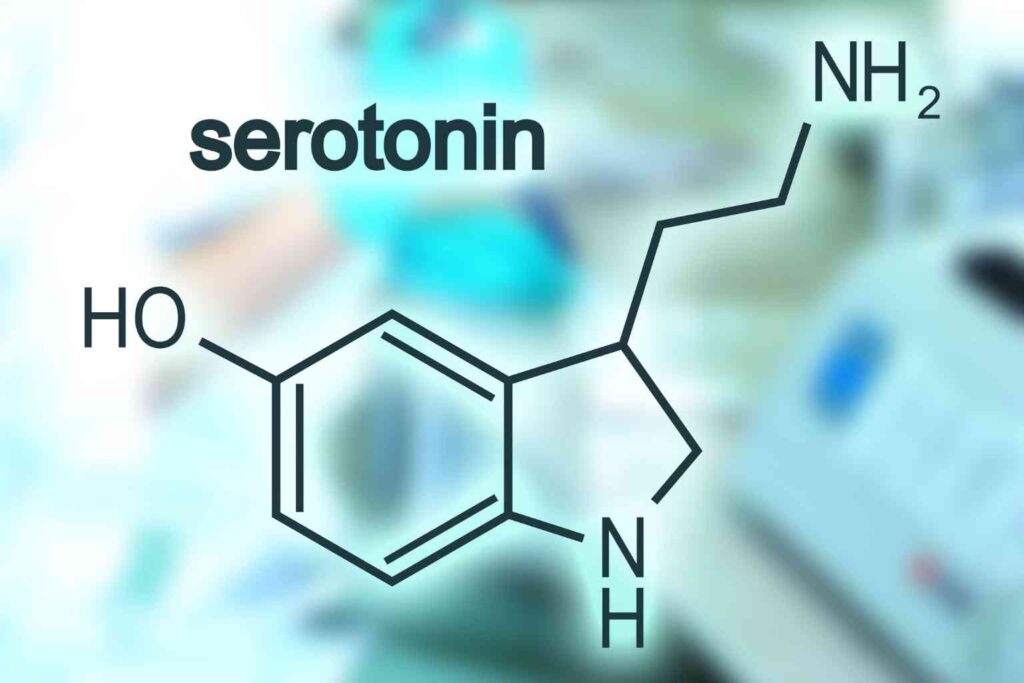
5-hydroxytryptophan — or 5-HTP — is a naturally occurring amino acid derivative that sits at a critical junction in your brain chemistry. It is the direct chemical precursor to serotonin, which means the body must produce 5-HTP before it can make serotonin at all. That single fact explains why this compound attracts so much attention as a supplement: you cannot swallow serotonin and have it reach your brain, but you can swallow 5-HTP, and it will.
The body synthesizes 5-HTP from L-tryptophan, an essential amino acid obtained from food. The conversion from tryptophan to 5-HTP depends on an enzyme called tryptophan hydroxylase, and that enzyme is the rate-limiting step in the entire pathway. Even if you eat plenty of tryptophan-rich foods, the amount that ends up as serotonin in your brain is tightly controlled — and in many people, suboptimal. Supplementing with 5-HTP bypasses that bottleneck entirely.
5-Hydroxytryptophan: The Missing Step Between Tryptophan and Serotonin
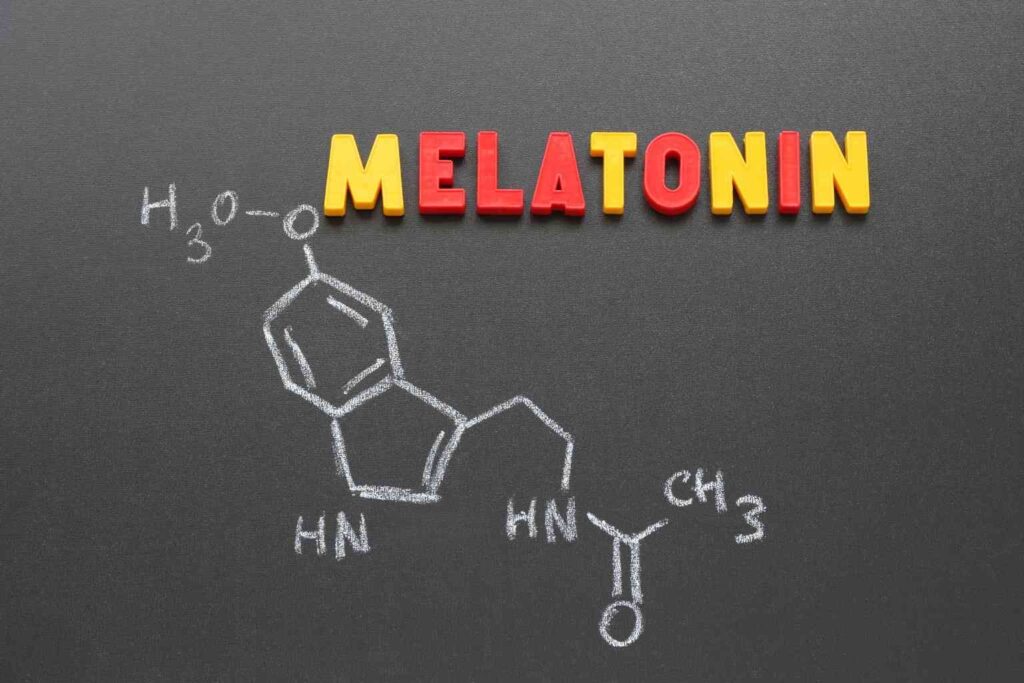
The pathway works like this: L-tryptophan is converted into 5-HTP by tryptophan hydroxylase. Then 5-HTP is converted into serotonin (5-HT) by L-amino acid decarboxylase. From serotonin, the pineal gland can further convert the compound into melatonin. One precursor, three major neurochemicals downstream.
What makes this clinically relevant is that L-5-hydroxytryptophan is not found in any significant amount in food. You obtain tryptophan from diet, but the conversion to 5-HTP remains the bottleneck — and that bottleneck is precisely what supplementation is designed to work around.
A 1998 paper published in Alternative Medicine Review confirmed that 5-HTP is well absorbed from an oral dose, with roughly 70 percent reaching the bloodstream. More importantly, it crosses the blood-brain barrier on its own, without requiring a transport molecule and without competing with other amino acids for absorption. Serotonin, by contrast, cannot cross the blood-brain barrier at all. That is not a minor detail. It is the entire reason 5-HTP works as an oral supplement when oral serotonin would not.
Griffonia Simplicifolia: The African Shrub Behind Every 5-HTP Supplement
Nearly every 5-HTP supplement on the market today is extracted from the seeds of Griffonia simplicifolia, a woody climbing shrub native to West and Central Africa. The reason is straightforward: the seeds contain concentrations of 5-HTP as high as 20 percent of their dry weight — the highest natural concentration found in any known plant source.

Griffonia simplicifolia has been used in traditional medicine in Ghana and Côte d’Ivoire for decades. The supplement industry adopted it as the commercial backbone of the 5-HTP market in the 1990s, and it has remained the dominant source ever since. When a supplement label specifies “5-HTP from Griffonia simplicifolia,” that signals a standard, traceable source. Standardized extracts — those that list the percentage of 5-HTP content — are more reliable for consistent dosing than non-standardized versions, where the active compound concentration can vary batch to batch.
Natural Food Sources of 5-HTP
Here is the honest answer most guides bury in a footnote: 5-HTP does not occur in meaningful quantities in food. You cannot eat your way to clinically relevant 5-HTP levels through diet alone.
What food provides is L-tryptophan — the amino acid the body uses to eventually produce 5-HTP. Foods naturally high in tryptophan include turkey, chicken, eggs, dairy products, canned tuna, oats, pumpkin seeds, sesame seeds, and dark chocolate. The connection between tryptophan-rich foods and sleep or mood is real, but it runs through the same bottlenecked pathway described above. Eating turkey at dinner does not guarantee a meaningful serotonin boost, because tryptophan still competes with other large neutral amino acids to cross the blood-brain barrier, and then still faces the tryptophan hydroxylase rate-limiting step.
This is exactly why some people with ongoing mood, sleep, or appetite concerns find that dietary adjustments alone are not sufficient. The diet provides the raw material. The enzyme controls the conversion. Supplementing with 5-HTP skips the conversion problem entirely.
For people who prefer a dietary approach, the most practical strategy is pairing tryptophan-rich foods with a moderate portion of complex carbohydrates at dinner. The insulin response from carbohydrates temporarily clears competing amino acids from circulation, giving tryptophan better access to the brain. That is the actual mechanism behind the well-known phenomenon of craving carbohydrates when mood is low — the brain is, in a rudimentary way, directing behavior toward a self-correction.
How Does 5-HTP Work? The Pathways Behind the Supplement
When you take a 5-HTP supplement, it is absorbed in the small intestine, enters the bloodstream, and crosses the blood-brain barrier without a carrier protein and without competing with other amino acids. That bioavailability advantage over tryptophan is one of the main reasons the supplement produces more reliable results than dietary tryptophan for supporting central serotonin levels.
Inside the brain, 5-HTP is converted into serotonin by L-amino acid decarboxylase. Serotonin is then available for release at synapses throughout the central nervous system, where it acts on multiple receptor subtypes — linked to mood regulation, anxiety modulation, sleep onset, pain sensitivity, appetite signaling, and gut motility.
The melatonin precursor pathway runs in parallel. In the pineal gland, serotonin produced from 5-HTP is converted into melatonin through a two-step process. This means 5-HTP supports sleep not only through serotonin-mediated calming but through direct downstream contribution to melatonin production. Two mechanisms, one supplement.
The appetite hormone modulation pathway is equally important and often overlooked. Serotonin produced from 5-HTP acts on hypothalamic receptors governing satiety signaling, and it appears to blunt the compensatory rise in appetite hormones that typically accompanies calorie restriction. That is the clinical mechanism behind the appetite data in weight-management studies — 5-HTP is not simply suppressing hunger with a stimulant; it is modulating the hormonal pushback that makes dieting so difficult to sustain.
One mechanism that most 5-HTP content avoids entirely is the dopamine depletion risk. L-amino acid decarboxylase — the enzyme that converts 5-HTP into serotonin — is also involved in dopamine synthesis. Prolonged or high-dose 5-HTP supplementation without adequate dopamine precursors may gradually reduce dopamine, norepinephrine, and epinephrine levels. This is not a reason to avoid the supplement at standard doses, but it is a real consideration for anyone planning long-term use above 200mg daily. The evidence base for this concern comes from clinical practice and preclinical research; large human trials on this specific issue are still lacking.
5-HTP Benefits: What the Research Actually Shows
The clinical evidence for 5-HTP benefits ranges from reasonably well-supported to preliminary, depending on the condition. Where the evidence is solid, it deserves to be stated clearly. Where it is thin or mixed, that deserves equal honesty. The following section covers both.
1. 5-HTP for Sleep: Melatonin Production and REM Quality
A 2024 study followed older adults with sleep difficulties through 12 weeks of 5-HTP supplementation. Researchers documented improvements in both subjective sleep quality and gut microbiota composition — an unexpected dual outcome that connects the gut-brain serotonin axis to sleep in ways the field is still mapping. A 2021 study found that 5-HTP improved sleep latency, meaning participants fell asleep faster. A 2020 review confirmed that 5-HTP for sleep may increase REM sleep duration, with researchers noting that more controlled human data is still needed to draw firm conclusions.
The combination with GABA has shown specific promise. A 2018 study using a 5-HTP and GABA combination found synergistic improvements in sleep onset and total sleep duration in preclinical models — the same logic that drives formulas pairing 5-HTP with GABAergic botanicals like valerian and hops.
5-HTP is not a sedative. It does not produce immediate drowsiness. What the research describes is a gradual, upstream improvement in sleep architecture — more consistent sleep onset, better REM quality over time — rather than the fast-acting knock-out effect of pharmaceutical sleep aids or high-dose melatonin.
2. 5-HTP for Anxiety: The Panic Disorder Data
The anxiety evidence for 5-HTP is narrower than most supplement content admits. The strongest human data comes specifically from panic disorder — not generalized anxiety disorder, not everyday stress, not social anxiety.
A 2002 study in Psychiatry Research found that acute L-5-hydroxytryptophan administration inhibited CO2-induced panic attacks in patients with panic disorder. That is a specific, mechanistically coherent result: panic attacks involve dysregulated serotonin responses, and 5-HTP supplementation modulates that response. An earlier trial from 1987 in International Clinical Psychopharmacology compared 5-HTP to clomipramine in an anxiety population and found measurable but weaker effects than the prescription drug.
The gap is worth being direct about: very few well-controlled trials have tested 5-HTP for generalized anxiety or everyday stress in healthy adults. Serotonin is unambiguously involved in anxiety regulation, which makes the mechanism plausible. But plausible mechanism is not the same as proven clinical efficacy in a broad population. Anyone considering 5-HTP for anxiety while already taking SSRIs, benzodiazepines, or other serotonergic medications must consult a physician before starting.
3. 5-HTP for Depression: How It Compares to SSRIs
The most frequently cited trial compared 5-HTP (100mg three times daily) to fluvoxamine — an SSRI in the Prozac family — in a six-week, double-blind study of 63 people. The 5-HTP group showed comparable antidepressant effects with a better tolerability profile. That result is real and worth knowing.

The counterweight is equally real. A 2020 systematic review concluded that evidence for 5-HTP in depression remains limited, largely because most trials are small, short-term, or methodologically inconsistent. A separate 2020 study in people with Parkinson’s disease found 5-HTP outperformed placebo for depressive symptoms — a population where serotonin disruption is specifically and well-documented.
The clearest case for 5-HTP in this area: people with low serotonin as a documented contributor to their mood, in combination with other approaches, and particularly those who have not responded well to SSRIs or who experience significant side effects from them. Combining 5-HTP with prescription antidepressants without medical supervision remains contraindicated.
4. 5-HTP for Weight Loss: The Appetite Suppression Mechanism
The appetite data may be the most underappreciated corner of the 5-HTP literature. In a controlled study cited by Memorial Sloan Kettering Cancer Center, participants taking 5-HTP consumed approximately 421 fewer calories per day compared to a placebo group — without being instructed to diet. That reduction was not achieved through stimulant-driven appetite suppression; it came through serotonin-mediated satiety signaling at the hypothalamic level.
The secondary mechanism is equally significant. A 2006 study found that 5-HTP may counteract the rise in hunger-inducing hormones that typically accompanies calorie restriction — which is one of the main biological reasons sustained dieting feels so difficult. A more recent 2023 study found that 100mg of 5-HTP daily for 8 weeks reduced fat mass even without deliberate caloric restriction, pointing to body composition effects beyond simple calorie reduction.
For 5-HTP for weight loss, the honest framing is this: it is not a fat burner. It is a behavioral and hormonal support tool that reduces the friction of eating less by addressing the serotonin deficit that drives late-night cravings and compensatory overeating.
5. 5-HTP for Mood and Emotional Eating
Reaching for food when stressed, bored, or emotionally depleted — without physical hunger — is not primarily a discipline problem for most people. In a significant proportion of cases, it is a serotonin signal problem. When central serotonin is low, the brain generates cravings specifically for carbohydrates. Carbohydrate consumption produces an insulin spike that temporarily clears competing amino acids from the bloodstream, giving tryptophan better access to the brain. The body is running a rudimentary self-correction.
5-HTP for mood and emotional eating interrupts this cycle at the neurochemical level rather than piling more behavioral pressure on top of an existing deficit. Studies on serotonin-appetite relationships consistently show that when serotonin levels are better supported, cravings for high-carbohydrate and high-sugar foods decrease — not because of imposed restraint, but because the signal driving those cravings becomes quieter. Large-scale RCTs on emotional eating specifically are still lacking, but the mechanism is among the more coherent in the entire 5-HTP literature.
6. 5-HTP for Migraine Prevention: An Overlooked Benefit
The migraine data for 5-HTP is older, better, and less well-known than it should be. European researchers in the 1980s and 1990s ran controlled trials comparing 5-HTP to standard migraine prophylaxis medications. One trial compared 5-HTP head-to-head with methysergide — a first-line migraine preventive of the era — over six months, finding comparable reductions in attack frequency. That is a meaningful result from a well-designed comparison trial.

Serotonin is a central player in the trigeminovascular pathway that drives migraine attacks, and serotonin levels are consistently lower in migraine sufferers between episodes. Supplementing a serotonin precursor during the intervals between attacks is mechanistically coherent — rebuilding the neurochemical reservoir that migraine events deplete. This is an area where modern, larger trials would be genuinely valuable. The preliminary data from older studies is encouraging enough to make 5-HTP a reasonable consideration for people managing recurrent migraines who prefer a non-pharmaceutical approach.
7. 5-HTP and Fibromyalgia: When Serotonin Touches Pain
Pain amplification in fibromyalgia is partly mediated by serotonin. People with fibromyalgia show consistently lower serotonin levels and altered serotonin metabolism — which links the pain hypersensitivity, the disrupted sleep, and the mood symptoms together under one neurochemical mechanism.

A double-blind, placebo-controlled trial randomized 50 fibromyalgia patients to either 100mg of 5-HTP three times daily or a placebo for one month. The 5-HTP group showed statistically significant improvements across every symptom category measured: pain intensity, morning stiffness, sleep quality, anxiety, and fatigue. All five categories improved. A second independent study from the University of Brescia in 1992 replicated comparable findings. The trials are small, and the evidence base needs updating with modern methodology — but the consistency of the benefit signal across symptom domains is unusual for a supplement and warrants serious attention.
5-HTP vs. Melatonin: Two Different Roads to Better Sleep
Melatonin and 5-HTP are regularly compared as sleep supplements. They work through fundamentally different mechanisms, and that difference is the most important thing to understand when deciding which one is more relevant to your situation.
Melatonin is the hormone that signals the brain to initiate the sleep transition. It does not cause sleep directly — it shifts the circadian clock. Taking supplemental melatonin tells the brain that it is biologically nighttime. That makes it most effective for jet lag, shift work, or people whose sleep timing has drifted out of alignment. For people who go to bed at a consistent time but still struggle to fall asleep or stay asleep, the problem usually has nothing to do with a melatonin signal deficiency. Melatonin simply adds the same signal that is already present, to limited additional effect.
5-HTP operates upstream. It supports serotonin production, which then feeds the body’s own melatonin synthesis pathway — but serotonin itself also drives the pre-sleep relaxation, emotional wind-down, and nervous system calming that determine sleep quality independent of clock timing. When someone lies awake with racing thoughts, feels emotionally activated at bedtime, or wakes in the night without being able to settle, the serotonin pathway is usually more relevant than the melatonin timing signal.
The practical distinction: melatonin addresses sleep timing. 5-HTP addresses sleep quality. For people with both problems — disrupted timing and poor sleep architecture — a low-dose combination taken at bedtime can make sense, though individual doses should be reduced and the interaction monitored. Neither is a pharmaceutical sedative. Both work most effectively within a consistent sleep routine rather than as a standalone fix.
Who Benefits Most From 5-HTP?
The people for whom 5-HTP benefits are most clinically coherent share a recognizable profile. They are not simply people who want more serotonin in the abstract — they are people whose daily experience maps onto specific serotonin-related deficits.
The best-fit profile includes people who lie awake with thoughts that will not slow down despite physical tiredness. Those who reach for carbohydrates or sugar in the late evening without genuine physical hunger. Adults who notice a consistent mood dip in the late afternoon or evening — the window when serotonin levels are naturally lowest. People who have tried melatonin for sleep and found it either unhelpful or disorienting. Those managing recurrent tension headaches or migraines alongside low mood. Adults with fibromyalgia or chronic low-grade pain who also experience disrupted sleep.
The profile that is less well-served: people whose sleep problems are structural — apnea, restless leg syndrome, highly irregular schedules. Anyone already managing depression or anxiety with prescription serotonergic medications. Those expecting fast, pharmaceutical-level effects from a natural supplement. 5-HTP works at the level of neurochemical support, not acute pharmacological intervention.
5-HTP in Modern Supplements
As understanding of 5-HTP benefits has developed, formulators have moved toward combinations that support multiple pathways simultaneously — pairing 5-HTP with botanicals, minerals, and other compounds that address the same systems from complementary directions rather than stacking similar mechanisms redundantly.
Sleep Lean: 5-HTP Paired With Valerian and Hops for Nighttime Synergy
Sleep Lean is a nighttime formula that includes 5-HTP from Griffonia simplicifolia alongside valerian root, Humulus lupulus (hops), berberine, spirulina, black cohosh, lutein, and inulin. The multi-ingredient logic is specifically relevant to the 5-HTP component: valerian and hops both modulate GABAergic pathways — the brain’s primary inhibitory neurotransmitter system — while 5-HTP supports the serotonin-to-melatonin synthesis pathway upstream.
These are two mechanistically separate approaches to sleep support operating in parallel. GABAergic support from valerian and hops produces more immediate calming effects. Serotonin pathway support from 5-HTP is more upstream and builds a more sustained improvement in sleep architecture over time. Addressing both simultaneously means the formula targets the two most common neurochemical drivers of poor sleep — hyperarousal and low serotonin-melatonin signaling — rather than relying on a single mechanism that only some sleepers will respond to.

For a deeper look at the full Sleep Lean formula — how the ingredients interact, what the dosing looks like, and who the product fits best — Read the full Sleep Lean review here.
How Long Does 5-HTP Take to Work?
The answer depends on why you are taking it. Most guides offer a single timeline when the correct answer varies considerably by goal.
For sleep support, the most common experience is a noticeable shift within 1–2 weeks of consistent daily use. Because the mechanism involves upstream support of melatonin production and serotonin-mediated pre-sleep calming — rather than direct sedation — the effects accumulate gradually rather than appearing the first night. Some people notice slightly lighter sleep during the first few days as their serotonin system adjusts.
For mood and mild depression, the clinical trials that showed positive results ran for 2–8 weeks at consistent daily dosing. A 2017 study using 5-HTP in combination with creatine showed improvements in depression scores after 8 weeks of use. Expecting results within days is inconsistent with the biochemistry of serotonin synthesis and neuroplasticity.
For appetite control and weight management, the controlled studies showing reduced caloric intake used intervention periods of 2–4 weeks. The 2023 fat mass reduction study ran for the full 8 weeks. Short trials of this application tend not to show reliable effects.
For migraine and fibromyalgia, the positive trials ran for at least 4 weeks, with the six-month migraine prophylaxis trial showing sustained benefit across the full study period. These are conditions that most clearly require long-term consistent supplementation rather than short-course use.
One practical signal worth knowing: people who respond well to 5-HTP often notice changes in craving patterns before they notice changes in sleep. Fewer carbohydrate cravings in the evening — with no deliberate dietary effort — is frequently the first sign that the serotonin pathway is receiving adequate support.
Best Time to Take 5-HTP: Morning or Night?
The optimal timing depends entirely on the primary goal, and most product labels give a single recommendation that fits only one use case.
For sleep support, 30–45 minutes before bed is the protocol used across clinical studies. This timing allows 5-HTP to begin supporting serotonin production during the pre-sleep window, feeding the body’s own melatonin synthesis as ambient light decreases. Taking it with a small carbohydrate snack — rather than a protein-heavy meal — reduces competition from other amino acids and may improve central delivery.
For appetite control and weight management, 30 minutes before main meals is the most studied protocol — particularly before lunch and dinner. The satiety mechanism works best when serotonin levels are elevated prior to eating, modulating how aggressively hunger registers during the meal rather than after it.
For mood support or mild depression, morning dosing alongside cofactor vitamin B6 is the approach most aligned with neurotransmitter synthesis protocols. Vitamin B6 is a required cofactor in the decarboxylation step that converts 5-HTP into serotonin centrally. Without adequate B6, a proportion of supplemented 5-HTP may convert to serotonin peripherally — in the gut and bloodstream — rather than in the brain, reducing the mood-relevant effect.
For anyone using 5-HTP primarily for sleep, morning dosing may produce unwanted daytime drowsiness in sensitive individuals. Start with evening dosing and adjust only after assessing personal response over at least one week.
5-HTP Dosage, Timing, and Safety
Recommended Dosage by Goal
No official daily recommended value exists for 5-HTP, but the clinical literature provides reasonably consistent guidance across the primary applications.
For sleep support: 50–100mg taken 30–45 minutes before bed. Starting at 50mg for the first week is the most practical approach — it establishes baseline tolerance and keeps GI side effects minimal. Increasing to 100mg is reasonable if 50mg produces no perceptible effect after two consistent weeks.
For anxiety and panic-specific support: studies have used 100–300mg three times daily, reaching total daily doses of 300–900mg. Doses at this range are better suited to medically supervised use rather than self-supplementation. Side effect frequency and severity increase meaningfully above 300mg total daily dose.
For appetite suppression and weight management: 100–200mg taken 30 minutes before meals is a reasonable starting protocol. The controlled trials showing consistent caloric reduction used higher doses in the range of 200–750mg daily — the upper figure coming from a supervised trial in overweight individuals with diabetes. Starting conservatively and increasing only with good tolerance is the appropriate approach.
For fibromyalgia symptom support: the most cited trial used 100mg three times daily (300mg total) for 30 days. This aligns with the European clinical guidance range for symptomatic neurological support with 5-HTP.
A general principle worth following across all use cases: begin at the lowest dose that aligns with your goal, assess for two weeks, and increase only if well-tolerated and producing insufficient effect.
5-HTP Side Effects and What to Watch For
The most commonly reported side effects are gastrointestinal: nausea, stomach cramps, loose stools, and diarrhea. These are dose-dependent — more likely and more pronounced at higher doses — and they typically diminish after one to two weeks as the gut adapts to elevated serotonin activity.
The mechanism behind GI side effects is specific: a significant share of the body’s total serotonin is located in the gastrointestinal tract. When 5-HTP is absorbed, a portion converts to serotonin in the gut before reaching the brain. That peripheral serotonin production is what drives digestive disruption. Taking 5-HTP with a small meal — rather than on an empty stomach — meaningfully reduces this peripheral conversion rate and makes GI side effects less likely.
At higher doses, additional side effects include excessive daytime drowsiness, muscle tension, and mild heart rate elevation. These are most likely when 5-HTP is taken alongside other serotonergic substances. At normal doses in isolation, the supplement is generally well tolerated in adults.
Interactions and the Serotonin Syndrome Risk
Serotonin syndrome is the most serious safety concern associated with 5-HTP. The condition results from excessive serotonergic activity and can range from mild (agitation, tremor, rapid heart rate) to severe (high fever, seizures, loss of coordination, cardiovascular instability). Serotonin syndrome from 5-HTP alone at standard doses is rare. The risk increases substantially when 5-HTP is combined with other substances that elevate serotonin through different mechanisms.
Combinations requiring physician oversight before use: SSRIs (fluoxetine, sertraline, paroxetine, escitalopram), SNRIs (venlafaxine, duloxetine), MAOIs (phenelzine, selegiline, tranylcypromine), tricyclic antidepressants, triptans used for migraine (sumatriptan, rizatriptan), tramadol, dextromethorphan (found in cough and cold medicines), and herbal compounds including St. John’s Wort and SAM-e. This list is partial — over 90 interactions have been catalogued. Verify any combination with a physician or pharmacist before proceeding.
The carbidopa interaction deserves specific mention. Case reports have documented scleroderma-like skin changes in people combining 5-HTP with carbidopa (a component of standard Parkinson’s medications). Anyone taking carbidopa-levodopa formulations should not add 5-HTP without direct physician involvement.
Discontinuing 5-HTP at least two weeks before any scheduled surgery is the standard precaution, as several anesthetic agents interact with serotonergic compounds.
Frequently Asked Questions About 5-HTP
Can you take 5-HTP every day?
Daily use is consistent with the protocols used in most clinical trials and is common practice for the primary applications. At lower doses (50–100mg for sleep), daily use appears well tolerated for weeks to months. At higher doses used for mood or appetite support, extended daily use may gradually affect dopamine balance — the dopamine depletion risk discussed above. A practical approach for anyone using 5-HTP beyond sleep support: consider a 5-days-on, 2-days-off cycle, or take a week-long break every 6–8 weeks. This reduces the cumulative pressure on neurotransmitter balance without sacrificing the ongoing benefits of consistent supplementation.
Is 5-HTP safe for long-term use?
Available human data suggests doses up to 400mg daily appear safe for most healthy adults for up to one year. Beyond that window, the controlled data becomes sparse. The main long-term concern is the gradual depletion of dopamine and related catecholamines from sustained serotonin-biased enzyme activity. For anyone using 5-HTP consistently above 200mg daily, adding a dopamine precursor such as L-tyrosine — taken at a different time of day to avoid competitive absorption — is a reasonable precaution supported by clinical practice even if large RCT data on the specific question is still lacking.
5-HTP vs. tryptophan: which is better for sleep?
5-HTP converts to serotonin more directly and more reliably. Tryptophan must first pass through the tryptophan hydroxylase bottleneck and then compete with other large neutral amino acids to cross the blood-brain barrier. Studies comparing the two have generally found 5-HTP produces more consistent serotonin-related outcomes at comparable doses. Tryptophan, on the other hand, has a longer safety record and carries a partial safety valve: excess tryptophan can convert to niacin (B3) rather than accumulating as serotonin, which reduces the theoretical neurotransmitter imbalance risk. For sleep specifically, 5-HTP at 50–100mg before bed tends to be more reliably effective. For people with concerns about long-term neurotransmitter balance, tryptophan is the more conservative choice.
How much 5-HTP should I take for sleep?
The most studied and most consistently recommended range for sleep support is 50–100mg taken 30–45 minutes before bed. Starting at 50mg for the first week is the most practical entry point — it minimizes GI side effects and provides a clear baseline. If two weeks of consistent 50mg use produces no perceptible improvement in sleep onset or quality, increasing to 100mg is reasonable. Doses above 100mg for sleep are rarely necessary and increase the risk of morning grogginess or digestive disruption without clear evidence of additional sleep benefit for most people.
Does 5-HTP work for sleep without melatonin?
Yes — through a mechanistically different pathway. Rather than directly supplying the circadian sleep signal that supplemental melatonin provides, 5-HTP supports serotonin levels, which then feeds the body’s own downstream melatonin synthesis. The effect is upstream and more gradual. People who find supplemental melatonin ineffective — a common experience — often respond better to 5-HTP precisely because their problem is serotonin tone rather than melatonin signal availability. The two supplements address different parts of the same sleep system.
Can I take 5-HTP with antidepressants?
Not without direct medical supervision. Combining 5-HTP with SSRIs, SNRIs, MAOIs, or tricyclic antidepressants significantly elevates the risk of serotonin syndrome — and that risk is serious enough that it should not be navigated independently. The same caution applies to natural serotonergic compounds including St. John’s Wort and SAM-e. Anyone on antidepressant therapy who wants to explore 5-HTP must have that conversation with the prescribing physician first. This is a non-negotiable boundary, not a precautionary suggestion.
What foods are naturally high in tryptophan?
The richest dietary sources of tryptophan — the precursor the body uses to eventually produce 5-HTP and serotonin — include turkey, chicken, eggs, dairy products (milk, cheese, yogurt), canned tuna, oats, pumpkin seeds, sesame seeds, sunflower seeds, and dark chocolate. Tryptophan-rich foods for sleep are best consumed in the evening alongside a moderate portion of complex carbohydrates, which temporarily reduces amino acid competition in the bloodstream and gives tryptophan better access to the brain. The effect is real but modest — dietary optimization is a supportive strategy, not a replacement for supplementation when a meaningful deficit exists.
Does 5-HTP help with stress eating and cravings at night?
The evidence points toward yes, through a specific and well-characterized mechanism. Evening carbohydrate cravings in people who eat reasonably well during the day are frequently a low-serotonin signal — the brain directing behavior toward carbohydrate-driven tryptophan delivery as a self-correction. 5-HTP for stress eating addresses the neurochemical driver of those cravings rather than requiring more behavioral willpower on top of a deficit that willpower alone cannot resolve. The controlled trial data showing 421 fewer calories consumed per day without conscious dietary restriction is the most direct supporting evidence. Taking 5-HTP 30 minutes before dinner — rather than only at bedtime — is the more targeted approach for people whose primary struggle is evening overeating rather than sleep onset.
What does 5-HTP feel like when it starts working?
The experience is typically subtle rather than dramatic, and that subtlety is easy to miss. Most people do not feel an obvious effect the way they might with melatonin or a sedative. The more common report is noticing absence: fewer late-night cravings without any particular effort, less racing-mind wakefulness after going to bed, waking up with a slightly steadier emotional baseline, less reactive irritability during stressful moments. For people with more pronounced serotonin-related patterns — especially emotional eating and the evening mood dip — the shift can be more noticeable. The typical timeline for consistent, perceptible effects is 10–14 days of daily use at the appropriate dose.
Does 5-HTP deplete dopamine over time?
This is a real concern and one of the most overlooked aspects of 5-HTP supplementation. L-amino acid decarboxylase — the enzyme that converts 5-HTP into serotonin — is the same enzyme that handles dopamine synthesis. When 5-HTP supplementation chronically occupies this enzyme with serotonin production, it can reduce the enzyme’s availability for dopamine synthesis over time. The clinical signals of dopamine depletion include flattened motivation, reduced pleasure response, fatigue, and a gradual worsening of mood despite continued supplementation — essentially, the supplement stops working and things get subtly worse. The mitigation is practical: avoid high doses unnecessarily, consider periodic cycling, and at doses above 200mg daily, add L-tyrosine taken at a different time of day as a dopamine precursor buffer.
The Bottom Line
5-HTP benefits are real, specific, and more nuanced than most supplement content acknowledges. The compound is not a general-purpose mood booster or a guaranteed sleep fix. It is a serotonin precursor with clinical evidence behind it in specific areas — sleep architecture support, appetite regulation, fibromyalgia symptom relief, and panic disorder — and a coherent mechanistic rationale for several others that still lack large-scale human trial confirmation.
The strongest evidence sits in appetite suppression, fibromyalgia symptom support, and sleep latency and quality. The mood and depression data is genuinely promising but not yet definitive. Across all uses, 5-HTP produces its clearest results in people whose symptoms map onto serotonin pathway deficits — those with stress-driven cravings, difficulty unwinding before sleep, low-grade persistent anxiety, or pain conditions where serotonin tone is a documented factor.
Used at appropriate doses, timed correctly for the specific goal, and kept clearly separated from serotonergic medications, 5-HTP remains one of the more clinically coherent and well-characterized natural supplements available. Treat it as a support tool with real biochemistry behind it — not as a miracle, and not as something to layer carelessly on top of existing neurological interventions. That combination of genuine utility and respect for the mechanism is the most useful place to start.
Disclaimer: The information in this post is for educational and informational purposes only, based on publicly available research and resources. It does not constitute medical advice and is not a substitute for appropriate professional medical consultation, diagnosis, or treatment. We are not doctors or medical professionals. All content reflects information available in peer-reviewed literature and reputable health sources at the time of writing. Individual responses to supplementation vary. Always consult your healthcare provider before starting any new supplement — particularly if you are taking prescription medications, managing a chronic health condition, or are pregnant or nursing.